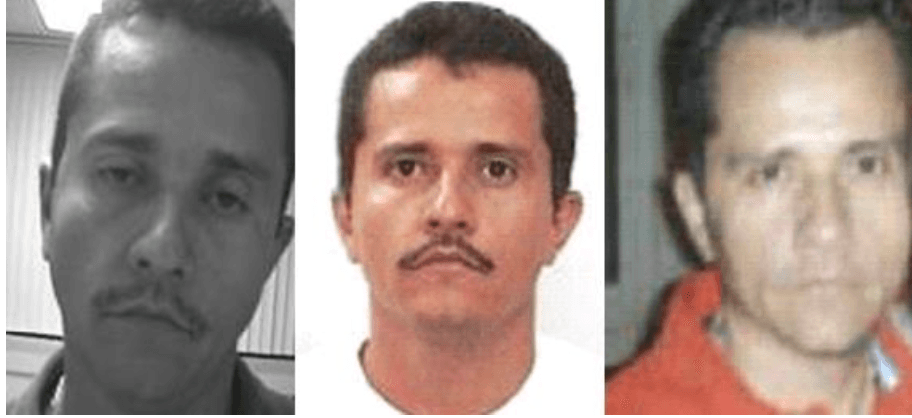

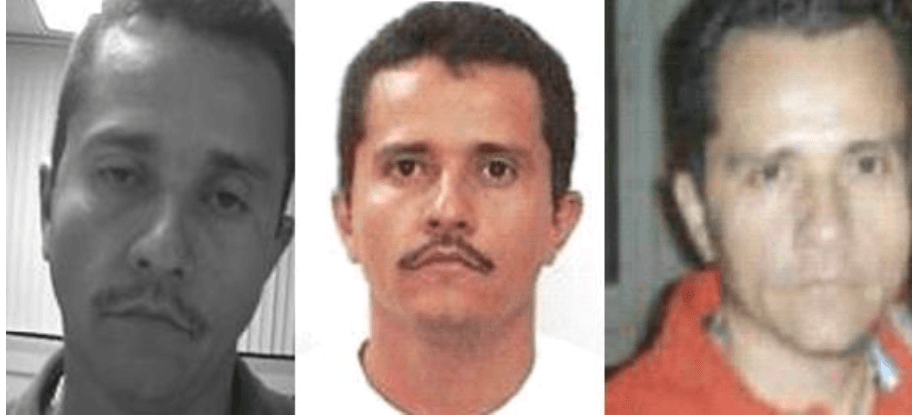

Nemesio Rubén Oseguera Cervantes was born on 17 July 1966 in a rural area of the Michoacán state in México. He grew up in a poor family environment and contributed to his family by working in agricultural labor during his childhood and youth. He abandoned his education at an early age and turned to alternative means of livelihood due to economic hardship.
In the 1980s he illegally crossed into the United States where he became involved in various criminal activities. In the early 1990s he was arrested in the United States on drug-related charges and deported back to México after serving his sentence. This period marked his entry into contact with organized crime networks and his close familiarity with the structure of the criminal economy.
Upon returning to México he rapidly rose within local criminal organizations, assuming roles such as enforcer logistics coordination and field operations. In the early 2000s, as inter-cartel conflicts intensified his organizational skills propelled him toward a leadership position.
Oseguera Cervantes eventually rose to become the leader of the criminal organization known as the Jalisco New Generation Cartel. CJNG rapidly became one of México’s most powerful and fastest-growing cartels centered in the state of Jalisco. The organization engaged in drug production and trafficking as well as arms trafficking kidnapping extortion and money laundering.
CJNG’s expansion altered the power dynamics in México. The organization pursued an aggressive expansion strategy against traditional cartels extending its operational reach into numerous states. It developed logistical networks via both land and sea routes and specialized in synthetic drug production to access international markets.
El Mencho’s leadership style combined centralized control with a decentralized cell structure. This model enabled the organization to develop a system that was both flexible and capable of rapid decision-making.
To enhance its operational capacity CJNG developed a semi-military structure. The organization employed armored vehicles heavy weapons and advanced communication systems. It has been reported that in some operations it deployed unmanned aerial vehicles and encrypted communication networks.
Synthetic drugs particularly methamphetamine and fentanyl derivatives became the organization’s primary source of income. Laboratory infrastructure chemical supply chains and transnational trafficking routes were systematically organized. This structure demonstrated that CJNG was not only an armed group but also a criminal organization with significant technical and logistical capabilities.
Operating through a cell system CJNG granted local leaders a degree of autonomy while reserving strategic decisions for its central command. This model enabled the organization to coordinate actions across a vast geographic area.
By the mid-2020s CJNG was identified as the cartel posing the highest threat level in México. Clashes with state forces revealed the scale of its armed capabilities. Members of CJNG were observed moving in convoys equipped with heavy weaponry.
On 22 February 2026 during a large-scale operation conducted by the Mexican Army in the state of Jalisco El Mencho was seriously wounded and died while being transported by air. The operation was carried out with high-level intelligence coordination. Intense armed confrontations occurred between cartel members and military units.
Following El Mencho’s death incidents of cartel-linked violence occurred in several regions including road blockades and vehicles set on fire. These actions demonstrated the cartel’s mobile operational capacity.
El Mencho’s rise triggered significant changes in México’s internal security policies. The federal government decided to deploy military units more actively in domestic security operations against cartels. This approach placed the fight against organized crime at the center of its security strategy.
CJNG’s expansion necessitated improved coordination between state administrations and federal authorities. The cartel’s economic and armed power also influenced local political balances. State security reforms and international cooperation initiatives gained momentum in this context.
After El Mencho’s death the potential restructuring of the cartel’s leadership structure became a pressing issue. This development signaled that México’s strategy against organized crime had entered a new phase.

No Discussion Added Yet
Start discussion for "Nemesio Oseguera Cervantes" article
Leadership of the Jalisco New Generation Cartel (CJNG)
Technical and Operational Structure
Military Dimension and State Intervention
Political Dimension