

This article was automatically translated from the original Turkish version.
Olukbaşı Oğlak Çevirme Kebabı is a traditional dish that stands out as a product of a culinary heritage passed down through generations in Olukbaşı Village, Bozdoğan District, Aydın Province. It was officially registered as a geographical indication under the category of “Mahreç İşareti” on 8 August 2023 (Registration No: 1445, Application No: C2021/000209), a document that formally guarantees its production boundaries, ingredients, and structural characteristics.
Olukbaşı Oğlak Çevirme Kebabı is a symbol of a centuries-old traditional culinary culture unique to Olukbaşı Village, Bozdoğan District, Aydın Province. Registered in 2023 by the Turkish Patent and Trademark Office as a geographical indication, this dish attracts attention not only through its ingredients but also through its traditional production techniques, socially structured production organization, and minimalist flavor profile.
The uniqueness of Olukbaşı Oğlak Çevirme Kebabı originates primarily from the animal material used. Only female kids aged 6–12 months, weighing approximately 13–14 kilograms, are selected for its preparation. This choice enhances the meat’s aromatic intensity while preserving the delicacy of its fibrous structure and balanced fat content. The preference for young female kids reflects traditional wisdom based on the impact of gender and age on meat quality.
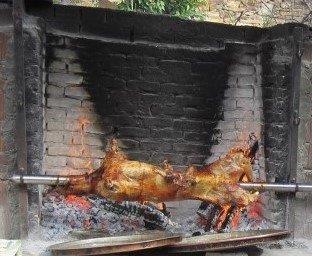
The cooking process is carried out using a ground hearth system and wood fire. This method not only provides thermal treatment but also contributes to the development of caramelization on the exterior and the infusion of smoky aroma. After slaughter, the kid is eviscerated and cleaned; its interior is rubbed only with rock salt. It is then threaded onto a rod, typically made of pine wood suitable for food contact, and fixed horizontally. The meat is rotated regularly for approximately two hours during cooking.
Throughout this process, even heat distribution is prioritized over direct flame contact. This technique ensures the surface browns without burning while keeping the interior moist and tender. Additionally, the absence of additives or fat allows the meat to cook in its own juices, preserving its natural flavor.
The preparation phase follows strict hygiene protocols. After slaughter, the animal is bled, eviscerated, and its internal surfaces are rubbed with rock salt to reduce microbiological risk and balance the natural flavor profile. No spices, sauces, fats, or flour are added at this stage. This practice is one of the primary factors distinguishing the dish from other kebab varieties. The simplified composition delivers to the consumer the authentic aroma of kid meat.
The presentation of Olukbaşı Oğlak Çevirme Kebabı is itself a practice that reinforces its uniqueness. After cooking, the dish is served directly to the consumer along with the roasting rod. The meat is sliced and portioned on a special wooden surface during service. This method is both hygienic and aesthetically faithful to its origins.
A gender-based division of labor characterizes the preparation of this dish. Traditionally, men are responsible for slaughtering, preparing, and threading the kid onto the rod. Women oversee the cooking process. This division is not merely technical but also carries ritualistic significance. The dish is prepared every Wednesday, a day locally known as “kebap day.” This collective practice embeds the product into both the social and economic memory of the community.
From a food science perspective, the selection of young female kids aged 6–12 months helps preserve the lean, fibrous, and aromatic qualities of the meat. The natural pine rod, which comes into direct contact with the food, aligns with local techniques in terms of thermal conductivity and aroma contribution.
The horizontal rotation method combined with wood fire ensures even cooking, enabling a homogeneous texture and color. The use of a ground hearth controls heat distribution and contributes to the preservation of the traditional flavor.
The exclusive use of rock salt in preparation defines the flavor through minimal ingredients, highlighting the dish’s natural and simple character. This approach strengthens the product’s geographical authenticity.
Olukbaşı Oğlak Çevirme Kebabı reflects the traditions of the Turkmen Yörük communities who have lived in Olukbaşı Village since the Ottoman period. The weekly Wednesday market and kebab ritual serve as vital elements that reinforce social cohesion.
Following its geographical indication registration, promotional initiatives organized by the Nazilli Chamber of Commerce, supported by the local district governorship, have integrated the dish into gastronomic tourism. It contributes to the regional economy and enhances the brand value for local producers.

No Discussion Added Yet
Start discussion for "Olukbaşı Oğlak Çevirme Kebabı" article
Geographical Indication Process and Legislation
Technical Definition and Distinctive Characteristics
Material Properties and Ingredient Selection
Cooking Method and Thermal Technology
Hygiene Procedures and Preparation Phase
Service Style and Consumption Culture
Social Roles and Traditional Practices
Analysis of Technical Characteristics
Ingredient Selection and Quality
Cooking Techniques
Absence of Additives
Cultural, Socio-Economic, and Touristic Significance