
badge icon

This article was automatically translated from the original Turkish version.

Article

Paint Bleeding

46.jpg
Paint Bleeding
Fault Name
Paint Bleeding
Appearance
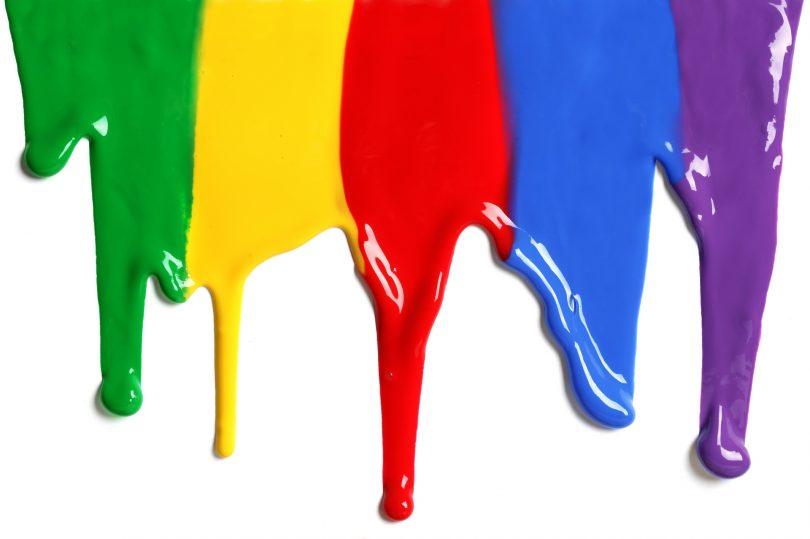
Vertical flowwaveand streak marks
Cause
Excessive paintlow viscosityincorrect spray gun setting
Prevention
Thin coatcorrect viscosityappropriate application distance
Remediation
Sanding + local touch-up + reapplication

Paint sagging is a coating defect caused by excessive material buildup during application, resulting in gravity-induced downward flow that creates wavy, streak-like thickness variations on the surface. Aesthetic appearance is compromised, film thickness becomes uneven, and localized cracking or drying issues may occur. Sagging is particularly common on vertical surfaces and with thick applications.

Signs

  • Streak-like distortions running downward on vertical surfaces.
  • Variations in gloss and a wavy appearance at specific surface areas.
  • Regions where film thickness significantly exceeds the standard value.
  • Streak-like raised marks remaining after drying.
  • Different color tone appearance (the sagged area may appear darker).

Causes

  • Excessive paint application (too much paint in a single coat).
  • Surface being overly smooth or excessively hot.
  • Use of paint with low viscosity (over-thinned).
  • Applying paint too close to the surface or at too slow a spray rate with a spray gun.
  • Failing to observe the recommended drying time between coats on vertical surfaces.
  • Application environment being humid and poorly ventilated.
  • Applying paint before the primer coat has fully dried.

Prevention Methods

  • Adhere to intercoat drying times: Each coat must be allowed to dry completely before the next is applied.
  • Maintain proper viscosity: Paint should be thinned only to the ratio specified in the technical data sheet.
  • Adjust spray gun settings: Pressure, spray pattern, and distance must be properly controlled.
  • Apply thin coats: Prefer a multiple thin-coat system over a single thick coat.
  • Monitor surface temperature: The application surface should be between 10–35°C.
  • Avoid vertical application if horizontal application is possible.

Remediation Methods

  • If detected while still wet: Excess paint can be carefully removed from the surface.
  • After drying:
    • The surface is smoothed using appropriate sandpaper (P320–P600).
    • Local filling may be performed if necessary.
    • Reapplication of coats is carried out after correction.
  • On glossy surfaces: Polishing with compound may be required after sanding.

Author Information

Avatar
AuthorUfuk YararDecember 5, 2025 at 8:16 AM

Tags

Discussions

No Discussion Added Yet

Start discussion for "Paint Bleeding" article

View Discussions

Contents

  • Signs

  • Causes

  • Prevention Methods

  • Remediation Methods

Ask to Küre