


This article was automatically translated from the original Turkish version.
+1 More
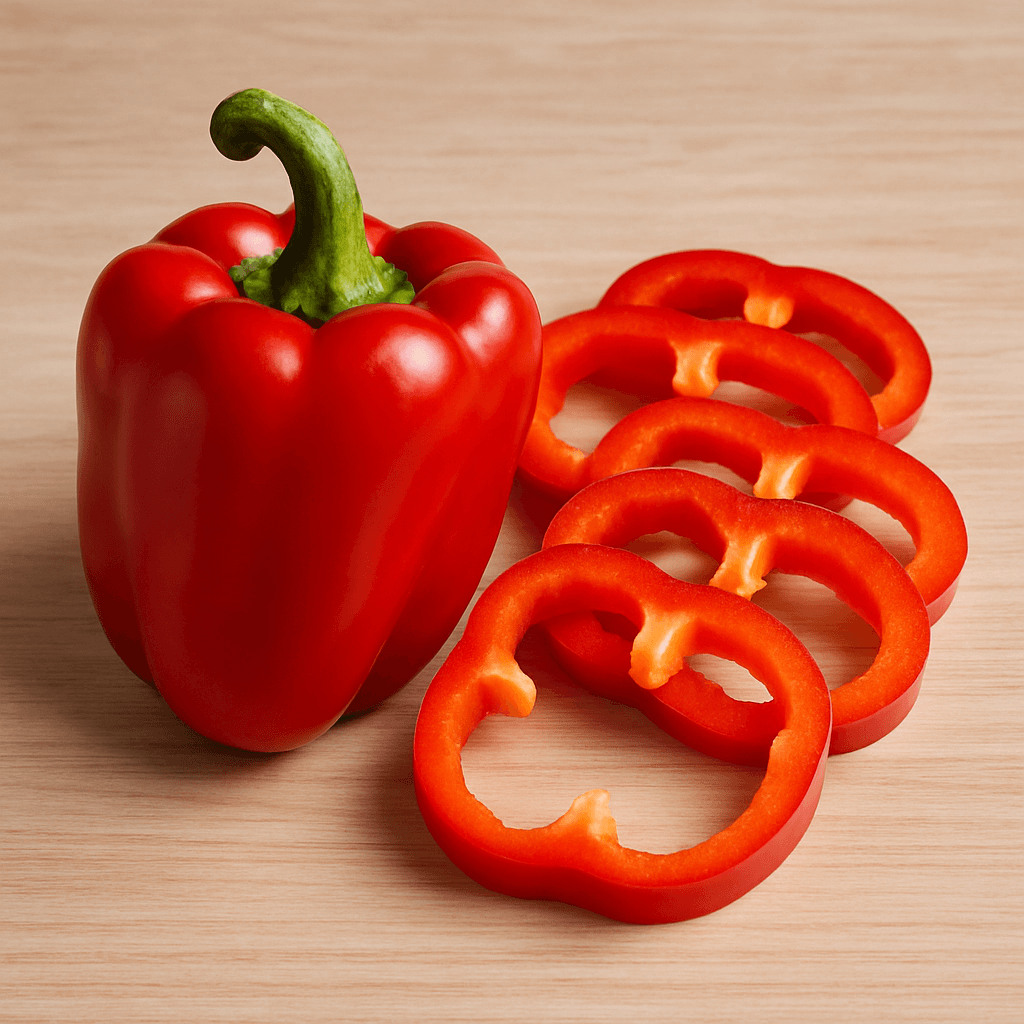
Paprika Pepper (Capsicum annuum)
Scientific Name(s) | Capsicum annuum | ||||||||
|---|---|---|---|---|---|---|---|---|---|
Family | Solanaceae (Patlıcangiller) | ||||||||
Native Range | South America (Peru, Bolivia, Mexico) | ||||||||
Kapya pepper, scientifically known as Capsicum annuum L. cv. Kapya, is a cultivated pepper species belonging to the Solanaceae family. It is recognized by its long, thick-fleshed, conical fruits that turn a bright red color when ripe. It is also referred to as “sauce pepper” or “oil pepper.” Genetically, it is classified within the “conoides” variety of the Capsicum annuum species.
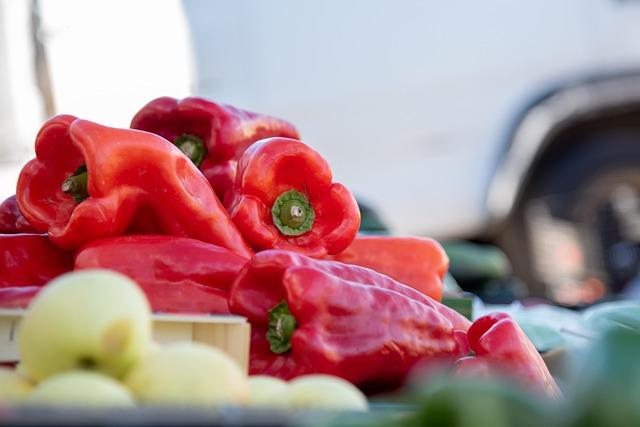
Kapya Pepper (Pixabay)
The native origin of peppers is South America. Kapya pepper is intensively cultivated in Peru, Bolivia, Mexico, Costa Rica, and countries of southern Europe. It was introduced to Türkiye in the mid-16th century through trade with Europeans. Today, this variety is widely grown across many regions of Anatolia, particularly prominent in the Marmara, Aegean, Mediterranean, and Southeastern Anatolia regions.

Bursa Kapya Pepper (Anadolu Agency)
Kapya pepper is a warm-climate plant. It is grown as a perennial in tropical regions and as an annual in temperate zones. The optimal growth temperature ranges between 20–30 °C. It prefers well-drained, loamy-clay soils with slightly acidic to neutral pH. The plant is light-demanding and sensitive to low temperatures.
Drip irrigation is the most suitable method in terms of water use efficiency and fruit quality. Experiments conducted under Tekirdağ conditions showed the highest yield (38.42 t/ha) was achieved with irrigation at 125% of evaporation rate every three days. The yield of Kapya pepper increases proportionally with the amount of irrigation water applied.
In Kapya pepper fields, especially during flowering, species of thrips (Thysanoptera) are significant pests. A study conducted in Kahramanmaraş identified the following species:
Thrips feed on flower and leaf tissues, causing silvery spots, deformities, and crop losses. Biological control and regular population monitoring are essential for effective management.
Kapya pepper is harvested when fruits reach full maturity and a bright red color. Various postharvest treatments have been tested to delay spoilage and extend shelf life after harvest.
Storage for up to 30 days is possible, but a 15-day period yields better quality outcomes.
Kapya pepper is rich in vitamin C (up to 340 mg/100 g), carotenoids (provitamin A), vitamin E, minerals, and polyphenols. It has a high fiber content. Thanks to its antioxidant properties, it strengthens the immune system, supports cardiovascular health, and helps reduce cancer risk.
Kapya pepper is utilized in a wide range of applications, including:
It is also widely used in traditional dishes such as lahmacun and çiğ köfte.

Ground Pepper (Pixabay)
Kapya pepper is an important product both in the domestic market and for export. In particular, “Yenice Pepper” grown in the Yenice district of Çanakkale is exported to European countries and the United States at annual volumes of 12,000–15,000 tons of fresh produce and 15,000–20,000 tons of frozen or canned products.
Accessed June 7, 2025.
Accessed June 7, 2025.
Accessed June 7, 2025.
Accessed November 26, 2025.
Anadolu Ajansı. "Bursa’da Kapya Biberi Bu Sene Üreticisinin Yüzünü Güldürdü." Anadolu Ajansı. Accessed June 7, 2025.
Azder, Gökmen, Erhan Göçmen, and Ahmet İstanbulluoğlu. "Tekirdağ Koşullarında Farklı Sulama Seviyelerinin Kapya Biberin (Capsicum annuum Cv. Kapija) Verim ve Verim Bileşenleri Üzerine Etkileri." Tekirdağ Ziraat Fakültesi Dergisi 17, no. 3 (2020): 422–431.
Kozanoğlu, Alper, M. Murat Aslan, Ekrem Atakan, and Kevser Sabancı. "Kahramanmaraş ili biber (Capsicum annuum L. cv. Kapya) alanlarındaki Thysanoptera (thrips) türleri ve popülasyon yoğunluklarının belirlenmesi." Mustafa Kemal Üniversitesi Tarım Bilimleri Dergisi 29, no. 2 (2024): 319–333. Accessed June 7, 2025.
Pexels. "Gıda, yemek, yiyecek, sağlıklı." Photograph. Published by: mali maeder. Accessed June 7, 2025.
Pixabay. "Peppers - Red Peppers - Vegetables." Photograph. Accessed June 7, 2025.
Pixabay. "Red Pepper - Powder - Scoop - Spices." Photograph. Accessed June 7, 2025.

Paprika Pepper (Capsicum annuum)
Scientific Name(s) | Capsicum annuum | ||||||||
|---|---|---|---|---|---|---|---|---|---|
Family | Solanaceae (Patlıcangiller) | ||||||||
Native Range | South America (Peru, Bolivia, Mexico) | ||||||||
No Discussion Added Yet
Start discussion for "Paprika Pepper (Capsicum annuum)" article
Origin and Distribution
Agricultural and Cultivation Characteristics
Irrigation and Yield
Pests and Plant Protection
Harvest and Storage Characteristics
Storage Conditions and Applications
Applications
Nutritional Value and Health Benefits
Uses
Economic and Export Potential