


This article was automatically translated from the original Turkish version.
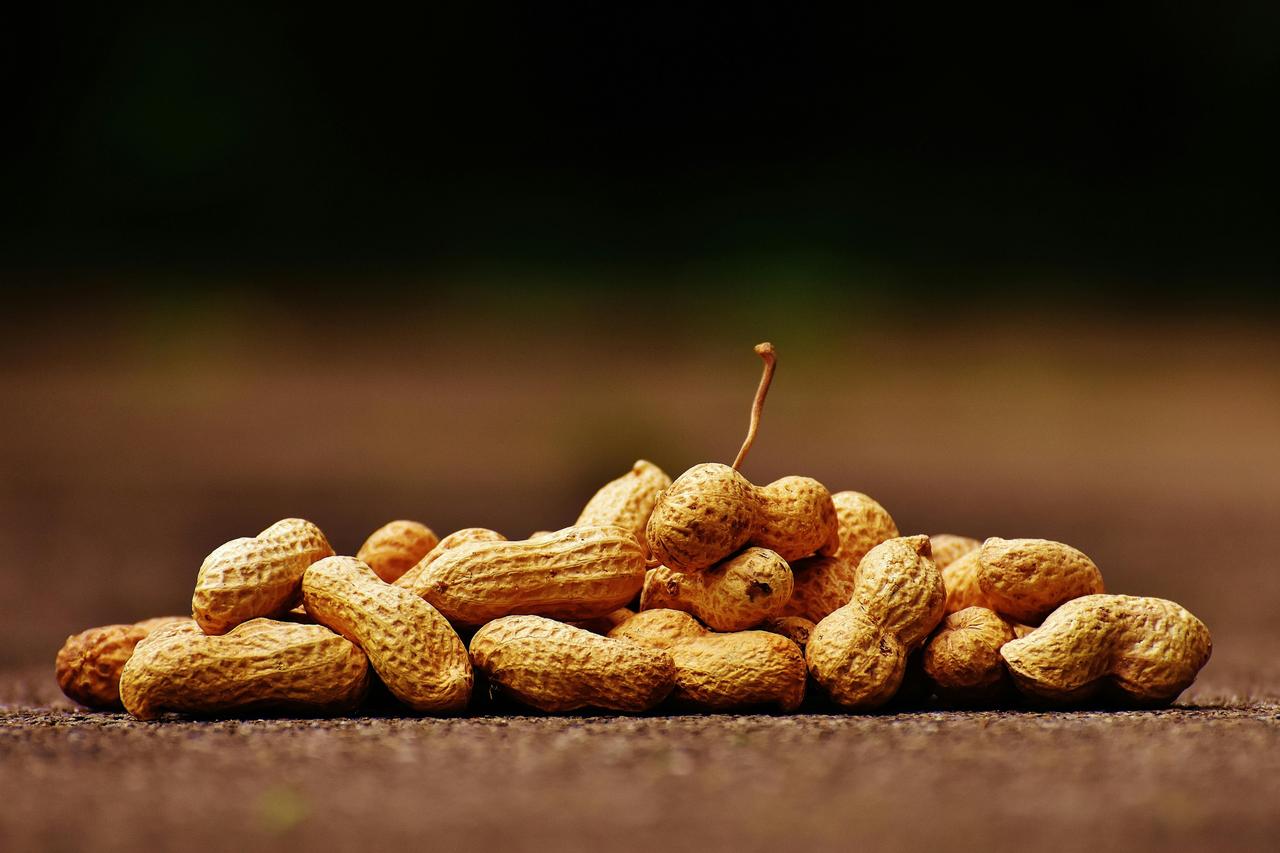
Peanut
Scientific Name(s) | Arachis hypogaea L. | ||||||||
|---|---|---|---|---|---|---|---|---|---|
Botanical Family | Fabaceae (Leguminosae) | ||||||||
Growth Form | Herbaceous, annual plant | ||||||||
Climate Requirement | Warm, temperate climates | ||||||||
Sowing Period | Spring (Soil Temperature ≥ 15 °C) | ||||||||
Harvest Period | Early autumn (Maturity: 120–150 days) | ||||||||
Main Production Regions (İn Türkiye) | Osmaniye, Adana, Mersin, Hatay, Şanlıurfa | ||||||||
Peanut (Arachis hypogaea L.) is an annual, oilseed crop belonging to the Fabaceae (legume) family. It is one of the rare plant species that produce fruit underground. After flowering and fertilization, a structure called the gynophore develops and grows downward toward the soil through gravitropism, completing fruit development beneath the ground. This characteristic distinguishes the peanut botanically from other crop plants.
The plant is generally herbaceous and may exhibit erect, semi-prostrate, or prostrate growth forms. Leaves are compound and typically consist of four leaflets. Yellowish flowers usually self-pollinate.
Taxonomically, the peanut belongs to the genus Arachis. This genus includes approximately 70 species, but only Arachis hypogaea is cultivated. The species Arachis hypogaea is divided into two main subspecies: subsp. hypogaea (Virginia and Runner types) and subsp. fastigiata (Valencia and Spanish types). These subspecies are classified based on criteria such as morphological traits, flowering duration, growth habit, and seed morphology.
The genetic structure of the peanut is tetraploid (2n=4x=40) and is believed to have arisen through natural hybridization and chromosome duplication. This genetic makeup can present both advantages and limitations for breeding programs. In particular, wild Arachis species are considered potential genetic resources for traits such as disease resistance and drought tolerance.
Peanut is a warm-season crop requiring high temperatures and abundant sunlight during its growth period. Optimal growth occurs between 25–30 °C, while a minimum soil temperature of 15 °C is necessary for germination. Low temperatures delay germination, slow plant development, and can negatively affect yield. The plant is sensitive to frost, so cultivation is preferred in areas free of frost risk.
Throughout its growth cycle, the peanut requires an average of 500–700 mm of rainfall. However, excessive rainfall and high humidity can promote fungal diseases, making balanced water supply essential. Water stress during flowering and pod set significantly reduces yield and quality. Therefore, in irrigated areas, the timing and amount of water application play a critical role in determining product quality.
In terms of soil, peanut prefers well-drained, deep, sandy-loamy, and light-textured soils. Excessively clayey soils with high water retention capacity hinder gynophore penetration into the soil and increase the risk of root rot diseases. Peanut performs best in slightly acidic soil conditions (pH 5.5–6.5). High lime content in the soil can limit the uptake of micronutrients and adversely affect plant health.
Proper tillage and appropriate planting depth are essential for uniform emergence. In cases where soil temperature has not reached sufficient levels, delayed planting is recommended. Planting depth and row spacing are important factors influencing both yield and mechanization opportunities.
Peanut cultivation begins with planting timed according to regional climatic conditions. Planting is generally carried out in spring when soil temperature reaches suitable levels. Planting time varies regionally, but late planting can restrict vegetative growth and lead to yield loss. Planting is typically done with row spacing of 60–70 cm and plant spacing within rows of 10–20 cm. These intervals can be adjusted according to variety and production system.
Seed selection directly affects yield and quality. Seeds are sorted before planting to select healthy, large kernels. In some cases, seed treatment may be applied to enhance germination and reduce disease risk. Planting depth is generally maintained at 4–6 cm; deeper planting can delay emergence.
Hoeing is an important practice in peanut cultivation. Since the plant produces fruit underground, the soil surface must remain soft and well-aerated to allow easy penetration of gynophores. The first hoeing is performed early in the season, and the second at the onset of flowering. These operations also contribute to weed control.
Nitrogen, phosphorus, and potassium are essential nutrients for peanut. However, as a legume, it can engage in symbiotic nitrogen fixation. Therefore, its nitrogen requirement is relatively low, but a small amount of nitrogen fertilizer may be applied at the start to support early growth. Phosphorus and potassium applications are critical for root development and seed formation. Additionally, micronutrients, particularly calcium, must be carefully monitored as they influence gynophore and pod development.
Irrigation is applied especially in arid regions and during periods of insufficient rainfall. Water demand increases during critical stages such as flowering, gynophore development, and seed filling. Controlled irrigation positively affects both yield and quality.
Disease and pest management is vital for sustainable peanut production. Common diseases include leaf spots, root rots, and anthracnose. Key pests are aphids and wireworms. Integrated pest management approaches combine chemical control with cultural and biological methods. Such strategies include appropriate crop rotation, soil tillage, and timely harvesting.

Peanut Cultivation (Türkiye Culture Portal)
Peanut breeding programs aim to increase genetic diversity, enhance yield potential, improve quality traits, and develop resistance to environmental stresses. Breeding methods include classical selection, hybridization, mutation breeding, and molecular techniques introduced in recent years. These efforts typically involve long-term, region-specific trials.
In Türkiye, peanut breeding research is primarily conducted by agricultural research institutes and universities. Breeding programs prioritize the development of high-yielding, early-maturing, disease-resistant, and high-quality varieties. Additionally, variety development is carried out according to end-use applications such as oil production, snack consumption, or industrial use.
Peanuts are classified into various types based on botanical subspecies. In Türkiye, the most widely cultivated types are Virginia and Spanish. Virginia types are characterized by large seeds and are suitable for both direct consumption and industrial use. Spanish types are smaller and multi-seeded and are generally used as snacks. Valencia and Runner types are cultivated more rarely, under specific conditions or in limited areas.
Disease resistance is a key criterion in breeding. Developing lines resistant to leaf spot diseases and root rots supports sustainable production. Selection of varieties tolerant to drought stress and calcareous soils has also gained importance. Conservation of local genotypes and utilization of wild Arachis species as breeding material contribute to the sustainable use of genetic resources.
As a result of local variety development efforts, several registered varieties adapted to Türkiye’s conditions have been introduced into production. These varieties aim to meet regional producer demands in terms of both yield and quality. Correct variety selection, based on adaptability and the ecological characteristics of the cultivation area, is a fundamental step toward successful production.
The harvest time for peanut is determined by physiological maturity, indicated by yellowing and shedding of lower leaves, darkening of the shell color, and hardening of the seeds within the shell. Accurate timing of harvest directly affects both yield and quality. Premature harvesting results in low yield due to incomplete seed development, while delayed harvesting can lead to rot and quality losses of pods remaining in the soil.
Harvesting can be done manually or with mechanical equipment. Manual harvesting is commonly used in small-scale production but is not preferred for large areas due to high labor costs. In mechanized harvesting, plants are first uprooted from the soil, cleaned of excess soil, and laid on the surface to dry. After a period of field drying, the seeds are separated from the plants.
Drying is critical to make peanuts suitable for storage. After harvest, the moisture content is high, increasing the risk of microbial spoilage, mold growth, and aflatoxin contamination. Therefore, seed moisture must be reduced to a safe level for storage (approximately 8–10%). Drying can be carried out naturally under sunlight in open areas or mechanically in controlled environments. However, precautions must be taken against sudden rainfall during sun drying.
Storage aims to preserve product quality over extended periods. During storage, environmental factors such as temperature, humidity, ventilation, and light must be carefully controlled. High temperature and humidity accelerate oxidation, leading to flavor and aroma deterioration. Inappropriate storage conditions also pose serious risks of aflatoxin formation. Therefore, peanuts should be stored in dry, cool, dark environments with adequate air circulation. Shelled peanuts are more susceptible to spoilage than in-shell peanuts; hence, long-term storage is recommended with shells intact.
Precautions must also be taken against pests during storage. Stored product pests can cause significant losses and quality degradation. Regular monitoring and appropriate interventions are necessary to ensure safe preservation of the product.
Peanut is a rich plant-based food due to its high content of fat and protein. Fat content varies between 45% and 55% depending on variety, with the majority consisting of unsaturated fatty acids. Particularly oleic and linoleic acids are the dominant fatty acids in peanut oil. This fatty acid profile enhances the nutritional and industrial value of the product.
Protein content typically ranges from 20% to 30%, making peanut a prominent plant-based protein source. The biological value of its protein is high, and it contains essential amino acids such as arginine. This characteristic makes peanut suitable for direct consumption and as an ingredient in food industry products.
Peanut is also a rich source of carbohydrates, fiber, vitamins, and minerals. Carbohydrate content ranges from 10% to 20%, a significant portion of which is dietary fiber. Fiber contributes to digestive health. In terms of vitamins, it is particularly notable for its content of vitamin E (tocopherol) and B-group vitamins (especially niacin and folate). Key minerals include magnesium, phosphorus, potassium, and zinc.
Phenolic compounds and antioxidants in peanut also contribute significantly to its nutritional value. These compounds enhance resistance to oxidative spoilage and are associated with positive health effects. Shelled peanuts contain higher concentrations of phenolic substances in their outer seed coat; thus, preserving this layer can influence total antioxidant capacity.
All these components make peanut important both as a direct-consumption nut and as a primary ingredient in various processed products. However, its chemical composition may vary depending on variety, growing conditions, harvest time, and processing methods. Therefore, analyses are typically conducted to reflect the characteristics of specific production batches.
Peanut has a wide range of applications in the food industry, either for direct consumption or through various industrial processes. Processing methods are shaped according to the intended use and generally involve basic techniques such as physical separation, thermal treatment, grinding, and extraction.
One of the most common processing methods is roasting. The roasting process enhances flavor and aroma while reducing microbial load. Roasting temperature and duration are adjusted according to moisture content, seed size, and desired quality characteristics. During roasting, Maillard reactions produce characteristic color and aroma compounds. Excessive roasting, however, can lead to flavor defects and nutrient loss.
Roasted peanuts can be consumed directly or ground to produce peanut butter. In butter production, shells and seed coats are first removed, followed by grinding to achieve a homogeneous consistency. Additives such as antioxidants and emulsifiers are commonly added to improve resistance to oxidation. The texture and shelf life of peanut butter are directly influenced by processing parameters as well as packaging and storage conditions.
Peanut oil is also produced from peanuts. Oil extraction is typically achieved through mechanical pressing or solvent extraction. The crude oil undergoes refining processes to prepare it for culinary or industrial use. Peanut oil is among the preferred vegetable oils due to its high content of unsaturated fatty acids and oxidative stability.
Other processed peanut products include peanut flour, protein concentrates, sugar-coated snacks, and various bakery items. Peanut flour is especially used in gluten-free products and protein-enriched formulations. Protein concentrates are evaluated for use in functional foods and sports nutrition products.
Throughout all these processes, quality control, product safety, and standardization are of great importance. Regular monitoring of physical, chemical, and microbiological properties is mandatory for consumer health and compliance with market standards. Additionally, additives used during production, processing temperatures, and hygiene conditions are fundamental determinants of final product quality.
Peanuts and their processed products are highly susceptible to oxidative spoilage due to their high fat content. Oxidation begins when unsaturated fatty acids react with oxygen, leading over time to undesirable changes in flavor, aroma, and nutritional value. During this process, free radicals generate unwanted compounds such as peroxides and aldehydes. These changes reduce consumer acceptability and shorten shelf life.
The rate of oxidation is influenced by various factors, primarily temperature. High temperatures accelerate oxidative reactions and hasten spoilage. Similarly, the presence of light and oxygen are key promoting factors. Therefore, minimizing exposure to oxygen and light during both processing and storage is crucial. Additionally, product moisture content indirectly affects oxidation; high moisture increases microbial activity, while very low moisture can negatively impact structural properties.
In high-fat, ground products such as peanut butter, the increased surface area elevates the risk of oxidative deterioration. To extend shelf life, antioxidants such as tocopherols are commonly added. Appropriate packaging technologies, including multi-layer materials that block oxygen permeation and vacuum or nitrogen packaging, can effectively limit oxygen exposure.
Shelf life defines the period during which a product remains fit for consumption and is determined primarily by oxidation, microbial load, and physical changes. Storing peanuts in-shell provides greater protection against oxidation than shelled peanuts. The shell acts as a natural barrier, reducing both moisture and oxygen penetration. However, even in-shell products can suffer quality loss if storage conditions are inadequate.
Appropriate environmental conditions must be maintained during storage. Storage in cool (approximately 10–15 °C), dry (relative humidity below 50%), and dark environments slows oxidative and microbial spoilage. Ventilation should be ensured, and products should not be placed in direct contact with the floor. Regular monitoring for storage pests and aflatoxin formation is also necessary. These measures aim to preserve both the commercial value and consumer safety of the product.
Peanut production in Türkiye is concentrated in areas with favorable warm climatic conditions, primarily the Mediterranean Region. The largest production area is Osmaniye Province, which leads in peanut farming due to its suitable climate, light soil structure, and widespread production experience. In addition to Osmaniye, important production centers include Adana, Mersin, Kahramanmaraş, and Hatay. In the Southeastern Anatolia Region, production also occurs partially in provinces such as Şanlıurfa and Gaziantep.
Peanut cultivation area in Türkiye varies from year to year, but recent increases in snack demand and industrial use have influenced production volume. While peanuts are primarily consumed as snacks, they are also used for oil production. However, the majority of national production is directed toward domestic consumption, with limited export volume.
Productivity varies regionally, depending on factors such as variety characteristics, agricultural practices, irrigation availability, and soil fertility. The widespread adoption of modern production techniques in centers such as Osmaniye and Adana has contributed to their higher productivity.
Peanut production in Türkiye is a seasonal activity, with plants typically sown in spring and harvested in early autumn.
In some regions, peanut has acquired regional identity. Particularly in Osmaniye, peanut holds both economic and cultural significance. Support through geographical indication registration and promotional activities plays a strategic role in local development.
Arıoğlu, H. H. Yerfıstığı Yetiştirme ve Islahı. Yağ Bitkileri Ders Kitabı. Adana: Çukurova Üniversitesi Ziraat Fakültesi Yayınları, G.Y. No: 220, Y. No: A-70, 2014.
Cemeroğlu, B., A. Karadeniz, and S. Özkan. Gıda Analizleri. Ankara: Bizim Büro Basımevi, 2003.
Felland, S. L., and P. E. Koehler. "Oxidation of Peanut Butters as Affected by Storage Conditions and Packaging Materials." *Journal of Food Science* 62, no. 4 (1997): 845–849.
Fenercioğlu, H. "Türkiye’de Yerfıstığı Üretimi ve Pazarlama Sorunları." *Ankara Üniversitesi Ziraat Fakültesi Dergisi* 7 (2001): 21–29.
Güzel, Ş. Yağlı Tohumlar Teknolojisi. İstanbul: Teknik Yayınlar, 1986.
T.C. Ministry of Culture and Tourism. "Osmaniye Yer Fıstığı." Kültür Portalı. Accessed April 28, 2025. https://www.kulturportali.gov.tr/portal/osmaniyeyerfistigi

Peanut
Scientific Name(s) | Arachis hypogaea L. | ||||||||
|---|---|---|---|---|---|---|---|---|---|
Botanical Family | Fabaceae (Leguminosae) | ||||||||
Growth Form | Herbaceous, annual plant | ||||||||
Climate Requirement | Warm, temperate climates | ||||||||
Sowing Period | Spring (Soil Temperature ≥ 15 °C) | ||||||||
Harvest Period | Early autumn (Maturity: 120–150 days) | ||||||||
Main Production Regions (İn Türkiye) | Osmaniye, Adana, Mersin, Hatay, Şanlıurfa | ||||||||
No Discussion Added Yet
Start discussion for "Peanut (Arachis hypogaea L.)" article
Climate and Soil Requirements
Cultivation Techniques and Agricultural Practices
Breeding Programs and Varieties
Harvesting, Drying, and Storage
Chemical Composition and Nutritional Value
Industrial Processing and Product Technology
Oxidation, Shelf Life, and Storage Conditions
Production Status and Geographic Distribution in Türkiye