



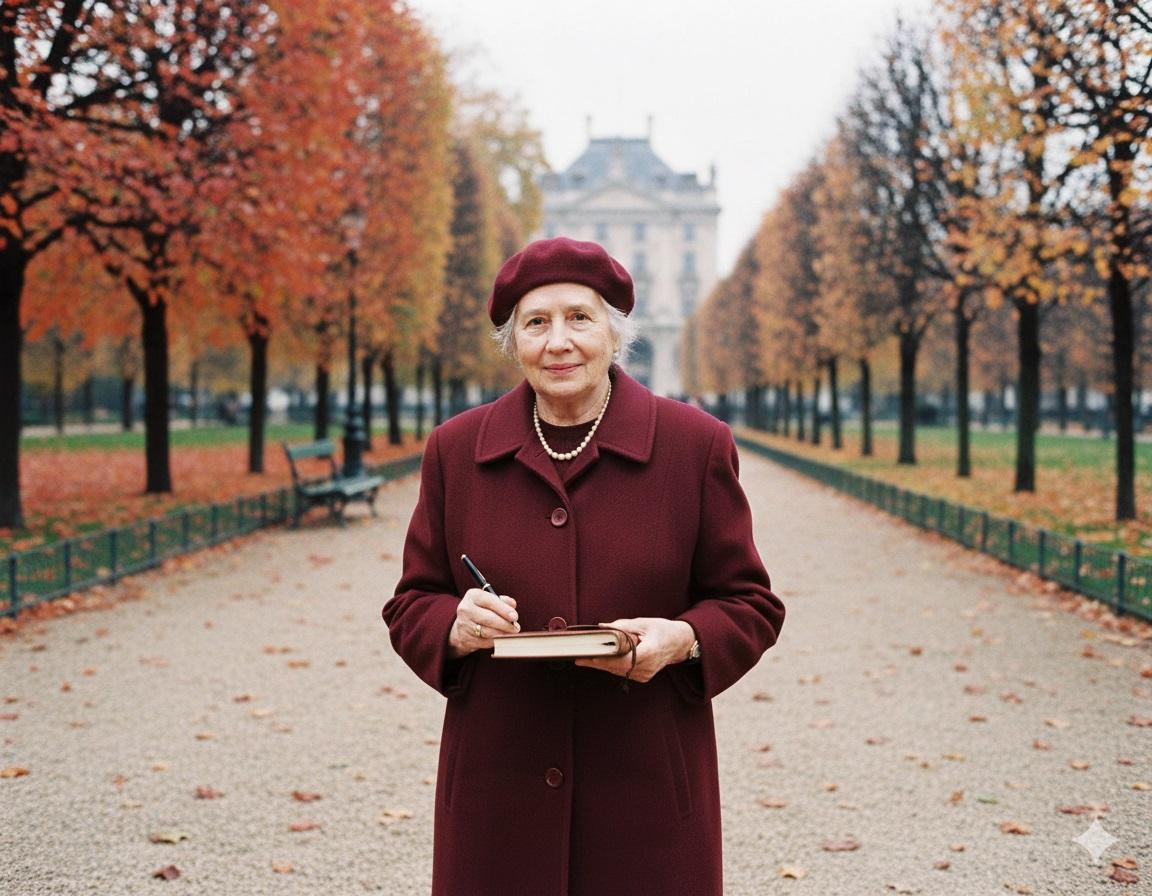
Peride Celal (Generated with Artificial Intelligence)
Peride Celal
Eş | Atıf Yönsel | ||||||||
|---|---|---|---|---|---|---|---|---|---|
Çocuk | Zeynep Ergun | ||||||||
Death | 15 June 2013 - Istanbul | ||||||||
Period(s) | Republican Era | ||||||||
Birth | 10 June 1916 - Istanbul | ||||||||
Literary Orientation | Psychological observation | ||||||||
Literary Focus | Female identities, Mother-daughter relationships, Love, Body perception, Narcissistic personality structures | ||||||||
Number of Published Works | 17 novels, 5 short story books | ||||||||
Literary Genre | Novel and short story | ||||||||
Education | Sainte Pulcherie Lisesi | ||||||||
Peride Celal (1916–2013) was a writer who produced works in the novel and short story genres during the Republican period of Turkish literature. Her literary career began on 27 November 1935 with the publication of her short story “Ak Kız” in the magazine Yedigün. In addition to 17 novels and five short story collections, she published serialized works in newspapers. According to critics and the author’s own statements, her writing can be divided into two phases: in the first phase she wrote popular romantic and adventure novels; in the second phase she produced observational, realistic, and psychologically focused works.
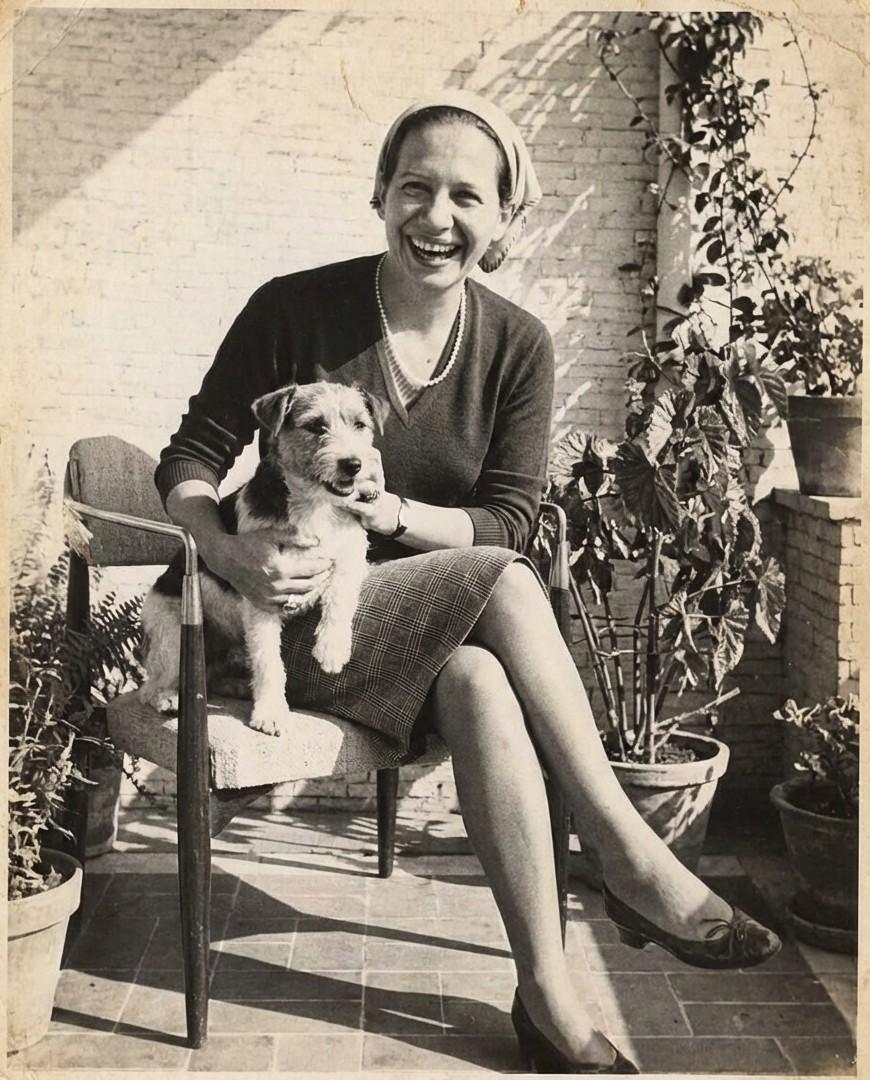
Peride Celal and Her Dog Milou (Generated by Artificial Intelligence)
Peride Celal was born in 1916 in the Fındıklı neighborhood of Istanbul. Her mother was Mirat Zeliha Türel and her father was Mehmet Celalettin Erem, a graduate of Saint-Benoît. Following her parents’ divorce and her mother’s second marriage, her childhood was spent in various cities across Anatolia. These relocations disrupted her education. After attending Haydarpaşa Primary School, she studied for two years at Saint Pulcherie French Girls’ High School and later briefly attended Saint Michel French High School. Her family’s return to Anatolia forced her to abandon her formal education; however, the French she acquired during this period formed the foundation for her later work in Switzerland.
At an early age, through her mother’s library, she studied world classics such as Balzac and Stendhal alongside works by Republican-era writers including Halide Edip, Reşat Nuri, and Yakup Kadri. She began her literary life with poetry at the age of thirteen or fourteen and later turned to short stories and novels. Her observations of provincial life and human relationships during her time in Anatolia shaped the content of her earliest narrative works.
Peride Celal stated that the loneliness and questions of familial belonging she experienced in childhood played a decisive role in shaping her character and literary output. This psychological background found expression in her characters—women who grapple with emotional neglect, jealousy, and issues of self-esteem.
Between 1944 and 1947 she served as a secretary at the Turkish Press Attaché’s Office in Bern, Switzerland. This period allowed her to distance herself from the political pressures she faced in Türkiye due to her friendship with Nâzım Hikmet. While in Bern, she met Yakup Kadri Karaosmanoğlu, Türkiye’s ambassador to Switzerland, who encouraged her to improve her French and undertake studies in Western literature. Critics have identified this period as a “second beginning,” during which Celal’s aesthetic consciousness developed, playing a key role in the transformation of her literary identity.
After returning to Türkiye in 1947, she worked for two years at the Foreign Workers Liaison Office of the General Directorate of Press and Publication. In the same year she married lawyer Atıf Yönsel, and their daughter Zeynep Ergun was born. The socio-economic stability of this period enabled her to focus on her literary production.
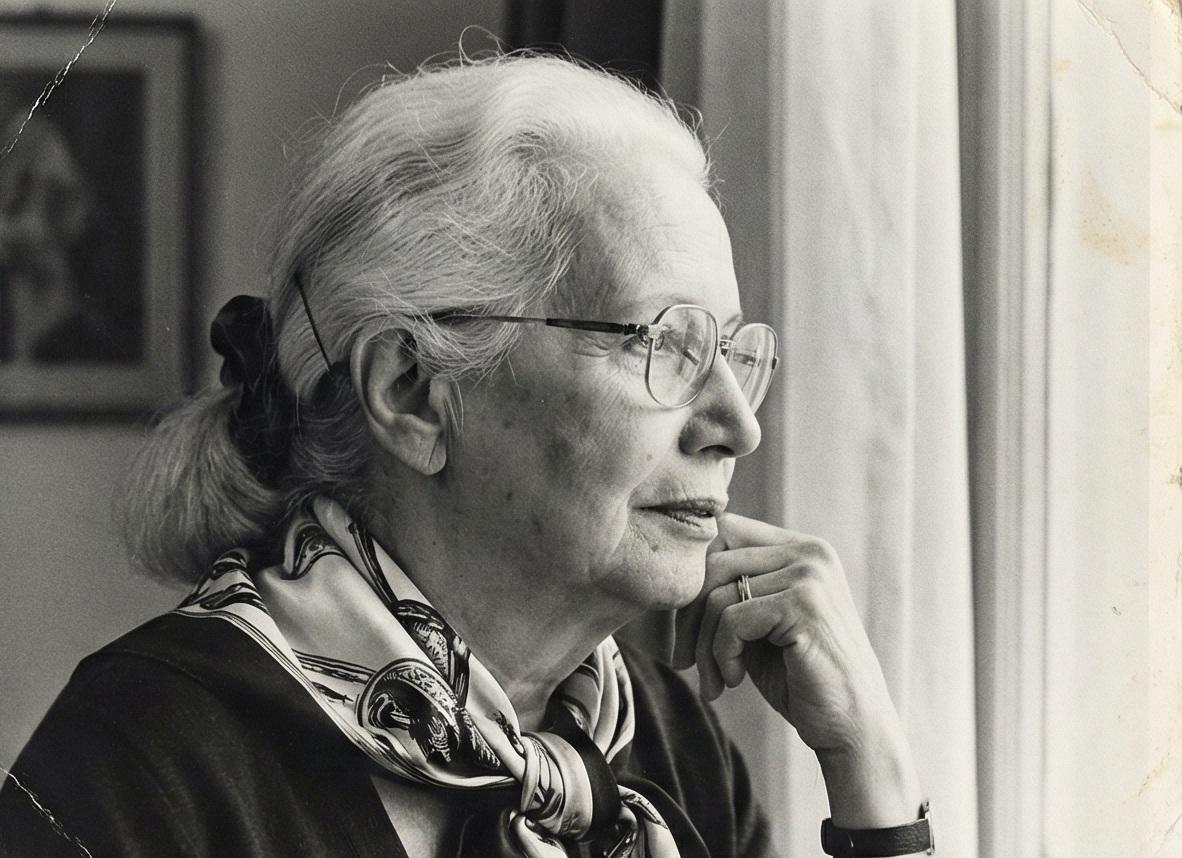
Peride Celal (Generated by Artificial Intelligence)
Peride Celal’s literary output is examined in two phases:
Over time, simplicity and structural coherence became prominent in her literary language. Her narratives frequently employed techniques that interwove past and present and utilized a limited omniscient point of view.
Her works typically center on urban upper-class female figures. Through these characters, she explores themes of loneliness, emotional neglect, familial conflict, and inner unrest. Particularly the mother-daughter relationship and the psychological dimensions of female identity remain consistent threads throughout all phases of her writing. Psychological elements such as envy, jealousy, and issues of self-esteem are rendered objectively within her narratives.
Karahan, Burcu. "Peride Celâl’s Novels and Women’s Identities." Master's thesis,Bilkent Üniversitesi, Institute of Economics and Social Sciences, 2002. Accessed January 13, 2026. https://repository.bilkent.edu.tr/server/api/core/bitstreams/f7d23f49-780f-40e5-8b76-0340629fc799/content
Turk Dil Kurumu. Yitirdiklerimiz. Date Published August 23, 2013. Accessed January 15, 2026. https://tdk.gov.tr/wp-content/uploads/2013/08/20130823.pdf
Türkiye Büyük Millet Meclisi Kütüphanesi. Çok Katmanlı Duyarlıklar: Peride Celal, derleyen: Alpay Kabacalı. 1996. Accessed January 15, 2026. https://kutuphane.tbmm.gov.tr/cgi-bin/koha/opac-detail.pl?biblionumber=246005
Zorkul, Tahir. "Peride Celal’s Life and Works: A Research." PhD thesis, Yüzüncü Yıl University, Institute of Social Sciences, Department of Turkish Language and Literature, Department of Modern Turkish Literature, 2006. National Thesis Center. Accessed January 13, 2026. https://tez.yok.gov.tr/UlusalTezMerkezi/tezDetay.jsp?id=3fPIpB1HUpcNp9q7SpMDxQ&no=LJ-pEY03E-IBdzJmCtAIhg

Peride Celal (Generated with Artificial Intelligence)
Peride Celal
Eş | Atıf Yönsel | ||||||||
|---|---|---|---|---|---|---|---|---|---|
Çocuk | Zeynep Ergun | ||||||||
Death | 15 June 2013 - Istanbul | ||||||||
Period(s) | Republican Era | ||||||||
Birth | 10 June 1916 - Istanbul | ||||||||
Literary Orientation | Psychological observation | ||||||||
Literary Focus | Female identities, Mother-daughter relationships, Love, Body perception, Narcissistic personality structures | ||||||||
Number of Published Works | 17 novels, 5 short story books | ||||||||
Literary Genre | Novel and short story | ||||||||
Education | Sainte Pulcherie Lisesi | ||||||||
Life
Childhood and Youth
Private Life and Civil Service
Literary Career and Artistic Development
Works
Novels
Short Stories
Themes in Her Works
Achievements and Awards