


This article was automatically translated from the original Turkish version.
+2 More
Photo manipulation (photographic manipulation) is the process of altering, transforming, or reconceiving a photograph using various software, tools, or techniques. This method is used to influence target audiences or shape their perceptions. Another aspect of photo manipulation is its synthesis of traditional and modern methods brought about by digitization. Although analog techniques such as darkroom processes are still employed today, digital retouching, compositing, collage, and AI-assisted manipulation have become widespread.
One of the most debated topics since the inception of photography has been whether a photograph is “real” or “constructed.” C. Jabez Hughes, in an 1861 article, categorized photography into three levels:
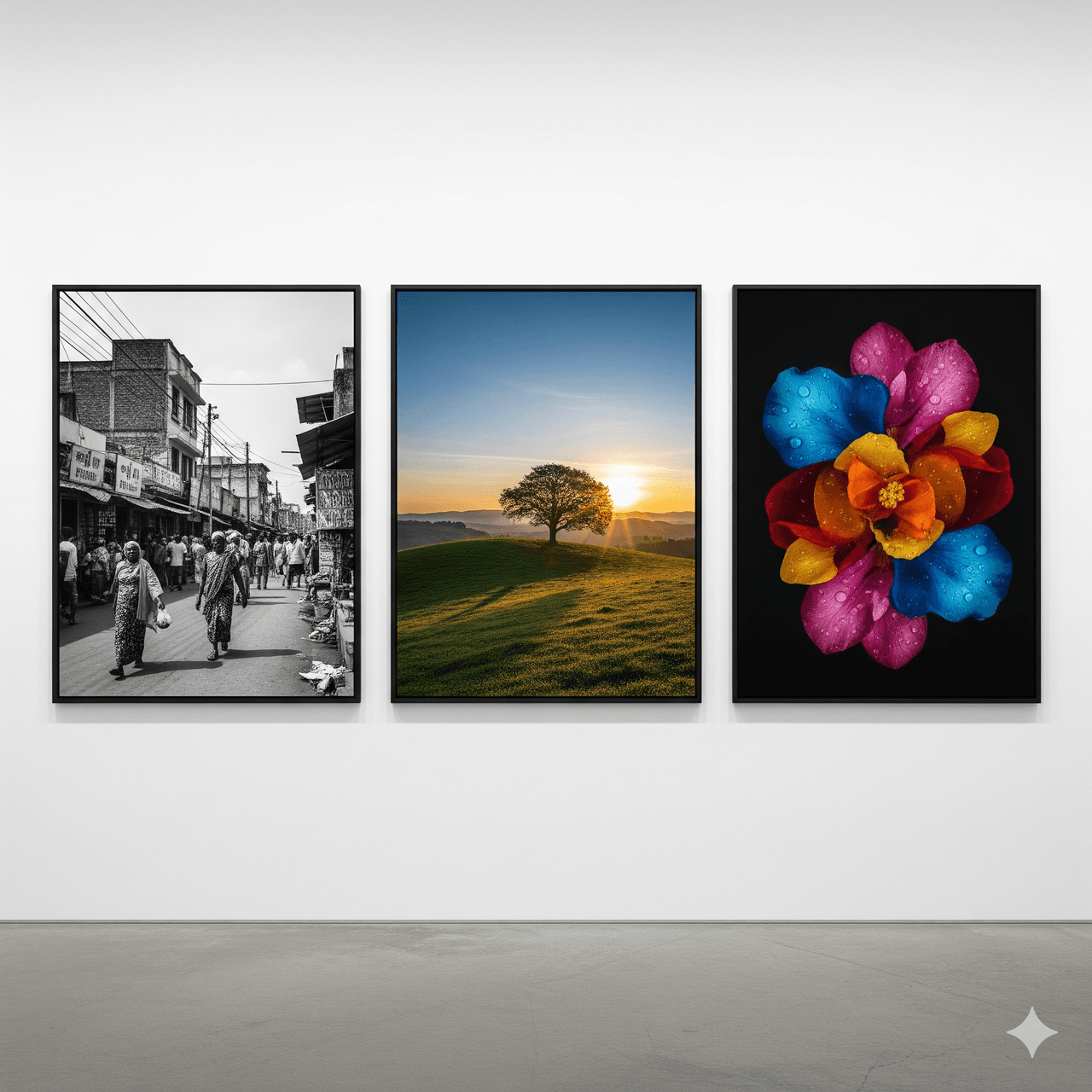
Representative Visual Illustrating the Levels of Photography According to C. Jabez Hughes (Generated by Artificial Intelligence)
Photographic manipulation has existed since the invention of photography itself.
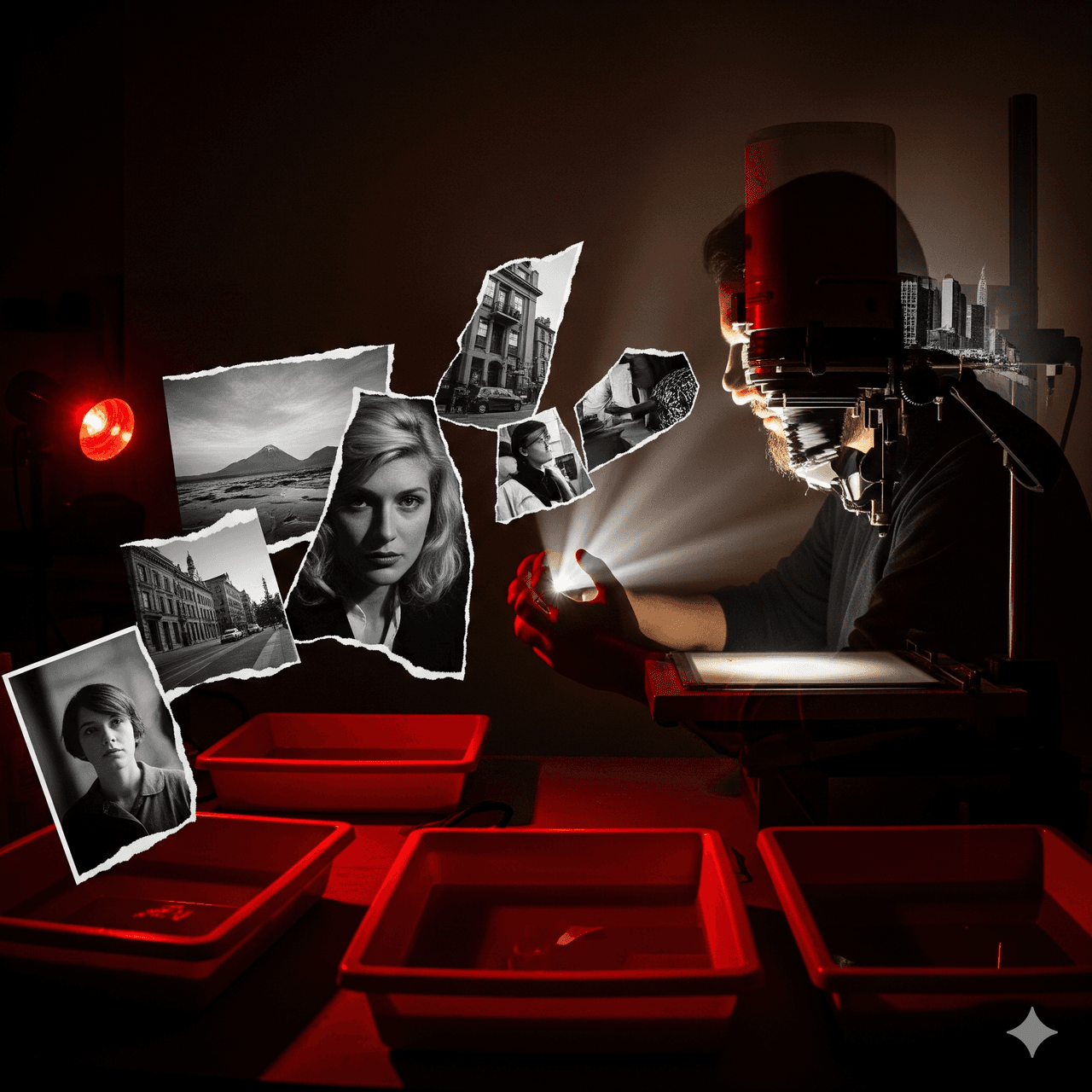
Visual Illustrating Darkroom Techniques, Double Exposure, and Collage Methods (Generated by Artificial Intelligence)
Photo manipulation has been practiced through various techniques that evolved alongside technological progress. Initially reliant on analog methods, these techniques became widely accessible with the advent of the digital age.
Before digital photography, photographers performed manipulation manually in the darkroom during the printing process, after the image was captured.
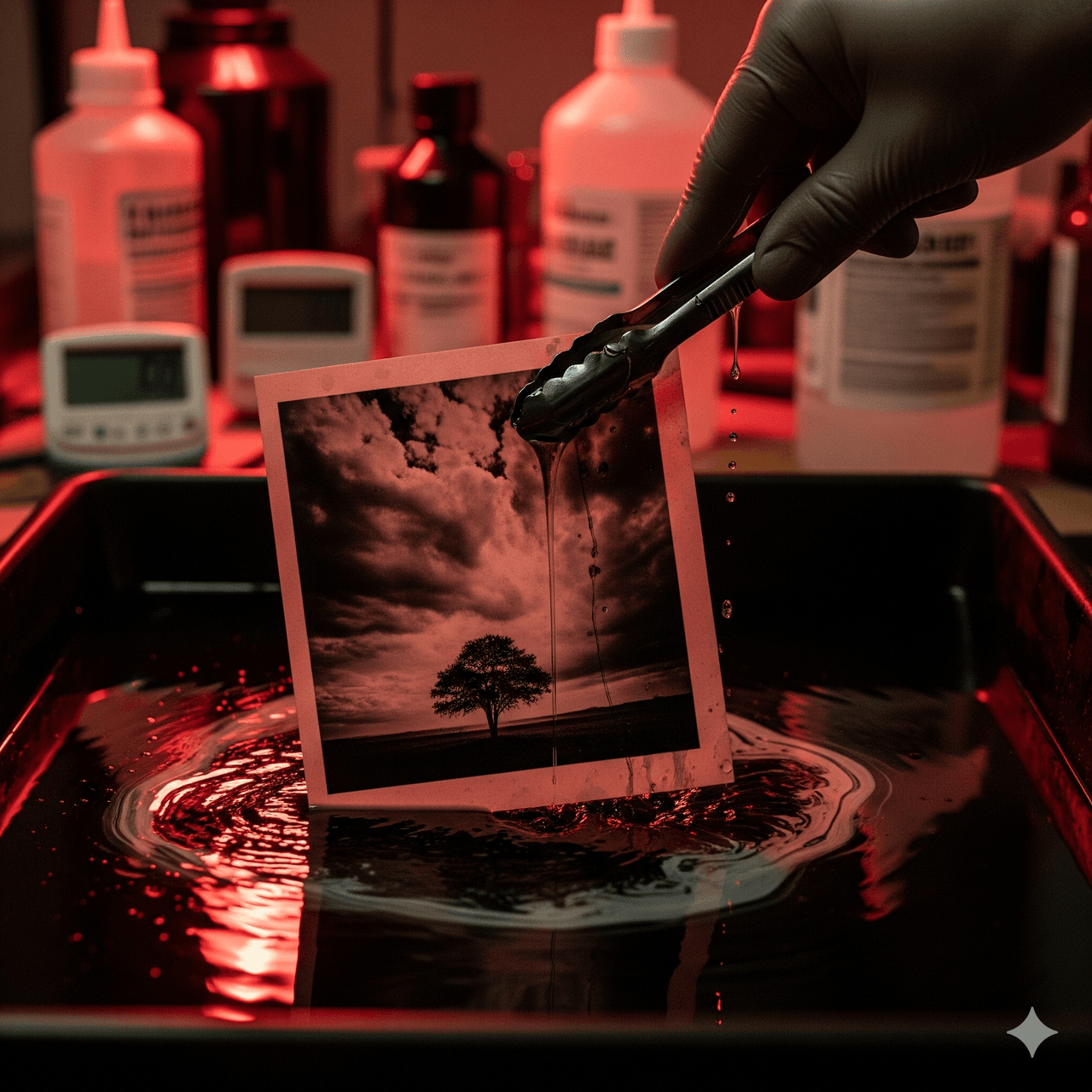
Visual Illustrating Printing Stage Intervention (Generated by Artificial Intelligence)
With the development of digital photography and computer software, manipulation processes have become significantly easier.
The advancement of artificial intelligence (AI) technology has elevated manipulation techniques to a new level. These tools enable realistic and complex manipulations with minimal human intervention.
Example of a Deepfake (LipSynthesis)
Photo manipulation is used across numerous fields for aesthetic and ideological purposes. Its ability to alter and transform images has made it a valuable tool in various industries.
Photo manipulation is an integral part of contemporary and digital art. Artists use this technique not to reflect reality as it is, but to create surreal and imaginary worlds. The photograph becomes a starting point for the artist to materialize their vision.
The advertising and marketing industries are among the most prominent users of photo manipulation. Images are altered to capture consumer attention and make products appear more appealing. An idealized representation of a product can be created through manipulation, enabling brands to influence target audiences and increase sales. Research examining the impact on consumers has shown that manipulated product images attract greater attention.
The fashion and beauty world is one of the most controversial areas of photo manipulation. Many photographs seen in magazines, advertisements, and on social media are retouched to remove skin imperfections, alter body proportions, or establish an idealized standard of beauty.
Photography’s status as a universal language and its lasting impact compared to spoken or written material have made it a powerful tool for political propaganda. Throughout history, manipulated photographs have been used to shape public opinion, discredit political opponents, or promote specific ideologies.
Demirel, Gökhan. “Fotoğrafın Manipülasyon ve Gündem Saptama Gücü.” *International Journal of Social Sciences and Education Research* 1, no. 2 (2015): 625–636. Accessed September 29, 2025. Erişim Adresi
Dumlu, Gamze. “Fotoğraf Sanatında Sürrealizm ve Foto-Manipülasyon.” *Pearson Journal* 6, no. 11 (2021): 123–37. Accessed September 29, 2025.
LipSynthesis. “Deepfake Example: Original/Deepfake Close Shot Bill Gates.” YouTube. Uploaded March 13, 2023. Accessed September 29, 2025. https://www.youtube.com/watch?v=WzK1MBEpkJ0
Renkçi Taştan, Tuğba, and Bahadır Uçan. “ÇAĞDAŞ SANAT VE TASARIMDA MANİPÜLASYON ETKİLERİ (EFFECTS OF MANIPULATION OF CONTEMPORARY ART AND DESIGN).” *academia.edu*. Accessed September 29, 2025. Erişim Adresi
Çakmak, Sinan, and Alaybey Karoğlu. “Grafik Tasarımının Fotoğraf Sanatındaki Gerçeküstü İzdüşümü: Foto Manipülasyon.” *Akademik Sosyal Araştırmalar Dergisi* 8, no. 102 (March 2020): 129–45. Accessed September 29, 2025. https://web.archive.org/web/20200325010655id_/http://www.asosjournal.com/files/asosjournalmakaleler/5545bf3b-7f8b-45aa-8914-c8f358fdbc60.pdf
[1]
Çakmak, Sinan, ve Alaybey Karoğlu, “Grafik Tasarımının Fotoğraf Sanatındaki Gerçeküstü İzdüşümü: Foto Manipülasyon.” Akademik Sosyal Araştırmalar Dergisi 8, no. 102 (Mart 2020): 129-45, syf:131 https://web.archive.org/web/20200325010655id_/http://www.asosjournal.com/files/asosjournalmakaleler/5545bf3b-7f8b-45aa-8914-c8f358fdbc60.pdf
History of Photo Manipulation
19th Century: Analog Era and Early Examples
20th Century: Rise of Propaganda, Advertising, and Art
21st Century: Digital Revolution and Accessibility
Photo Manipulation Techniques
Analog (Darkroom) Manipulation
Digital Manipulation Techniques
AI-Assisted Manipulation
Applications of Photo Manipulation
Art
Advertising and Marketing
Fashion and Beauty Industry
Political Propaganda and Disinformation