


This article is not approved yet.
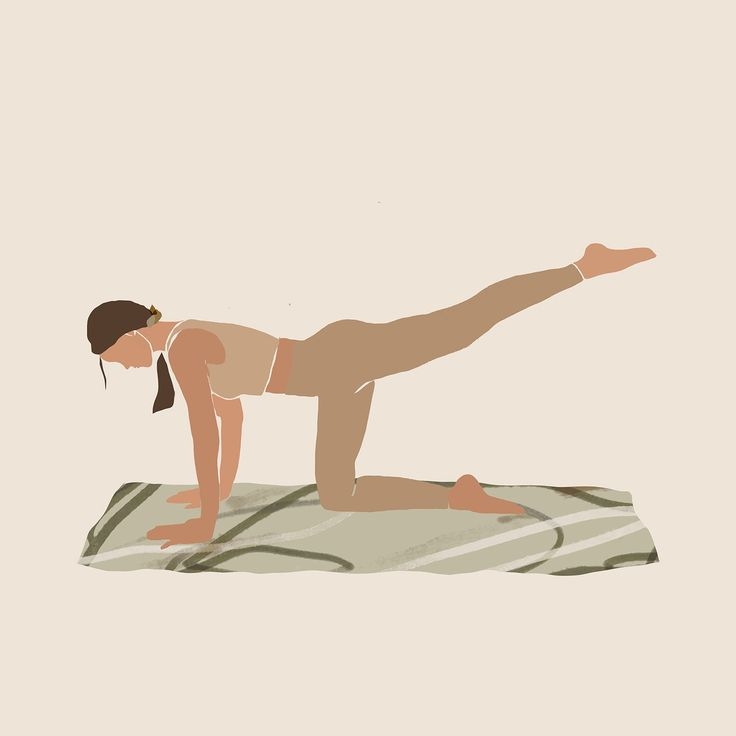
Pilates, developed by Joseph Pilates, is a comprehensive exercise system designed to elongate, strengthen, and balance the body. It can be practiced both outdoors and in indoor fitness studios.
Pilates was developed by Joseph Pilates in the 1920s. As a child, Pilates struggled with asthma and other health issues, leading him to improve his physical health through gymnastics, diving, and skiing. During World War I, he developed the first Pilates equipment by adding springs to hospital beds. In 1926, he and his wife Clara opened a studio in New York, teaching the method he called "Contrology." This method became popular among dancers and celebrities and eventually spread worldwide after Joseph Pilates' death, becoming known as the "Pilates Method."

Doing Pilates
Pilates is divided into two main categories: "Matwork" and "Studio Apparatus." Matwork involves exercises performed on a mat, often using small equipment like balls, blocks, and bands. Studio apparatus includes equipment such as the Reformer, Cadillac, Wunda Chair, and Ladder Barrel. While Matwork caters to larger groups, studio apparatus is suited for individual or small group sessions. Both types are effective for health and rehabilitation, focusing on muscle strength, flexibility, balance, and posture improvement. Pilates is based on six key principles:
Pilates improves posture by elongating and strengthening muscles. It corrects structural imbalances, reduces pain, and enhances mobility. Pilates supports spinal health and is recommended for individuals with back, neck, and joint issues. It is also beneficial for pregnancy, sports injuries, and post-surgery rehabilitation. Strengthening the core and spinal muscles helps alleviate back pain and correct posture. Additionally, Pilates enhances overall flexibility and muscular endurance.
Pilates also benefits mental health. Regular practice enhances concentration, control, centering, precision, flow, and breathing, which increases mental awareness and reduces stress. Pilates promotes mental clarity and focus, improves mood, and enhances overall quality of life. The exercises boost body awareness and help achieve mental balance and calmness. As Joseph Pilates stated, "Physical fitness is the first requisite of happiness."

Doing Pilates

History and Development of Pilates
Types and Principles of Pilates
Benefits for Physical Health and Posture
Mental Health Benefits
This article was created with the support of artificial intelligence.