

This article was automatically translated from the original Turkish version.
Polyurethane Paint
Definition(s) | A two-component solvent-based durable paint type. isocyanate-cured | ||||||||
|---|---|---|---|---|---|---|---|---|---|
Application Area(s) | Furniture Exterior cladding Shipbuilding Automotive Flooring | ||||||||
Material Properties | UV resistance, High hardness, Elastic film, Chemical resistance | ||||||||
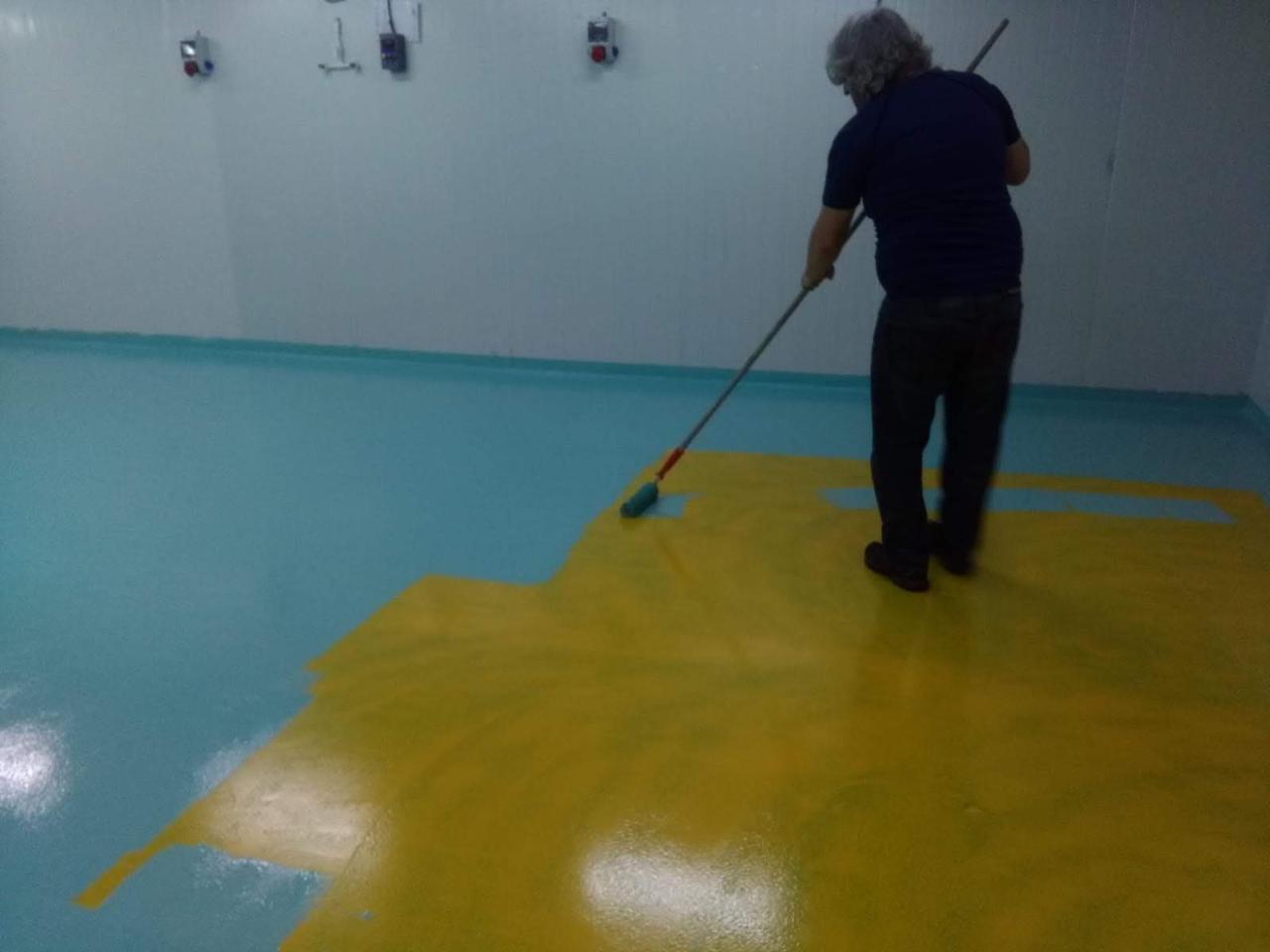
Polyurethane paint is a two-component coating system used in conjunction with aliphatic or aromatic isocyanate hardeners. This system forms a protective film through a chemical curing reaction, providing high durability and elasticity. Due to its solvent-based formulation, it is suitable for both interior and exterior applications. It is frequently chosen for furniture, automotive, marine, and industrial floor coatings.
Polyurethane paints consist of a polyol-based resin and an isocyanate-based hardener. Curing occurs through a chemical reaction after mixing. Once fully dried, the film exhibits high resistance to scratching, chemicals, and UV exposure. It forms a hard yet flexible layer with excellent adhesion to the substrate.
The surface must be clean, dry, and free of grease. Wood surfaces should be sanded, and an appropriate primer should be applied if necessary.
The two components of the paint must be mixed in the ratios specified in the technical data sheet. After mixing, the mixture should be allowed to stand for a specified period to initiate the reaction. If needed, the paint can be thinned with polyurethane thinner.
The most ideal application method is low-pressure spray spraying. Between coats, sufficient drying time must be observed, and sanding should be performed as necessary.
Surface drying suitable for sanding occurs within 6–8 hours, depending on ambient temperature. Full curing is completed within 7–14 days.
Millî Eğitim Bakanlığı (MEGEP). *Ahşap Yüzeyleri Boyama*. Ankara: MEB Yayınları, 2011. Accessed June 23, 2025. https://megep.meb.gov.tr/mte_program_modul/moduller_pdf/Ah%C5%9Fap%20Y%C3%BCzeyleri%20Boyama.pdf.
Ministry of National Education (MEGEP). *Gemi Yapımı Yüzey Boyama*. Ankara: MEB Yayınları, 2016. Accessed June 23, 2025. https://megep.meb.gov.tr/mte_program_modul/moduller/Y%C3%BCzey%20Boyama.pdf.

Polyurethane Paint
Definition(s) | A two-component solvent-based durable paint type. isocyanate-cured | ||||||||
|---|---|---|---|---|---|---|---|---|---|
Application Area(s) | Furniture Exterior cladding Shipbuilding Automotive Flooring | ||||||||
Material Properties | UV resistance, High hardness, Elastic film, Chemical resistance | ||||||||
Chemical and Physical Properties
Application Surfaces
Application Process
Surface Preparation
Mixing and Thinning
Application Method
Drying Time
Advantages
Limitations