


This article was automatically translated from the original Turkish version.
+2 More
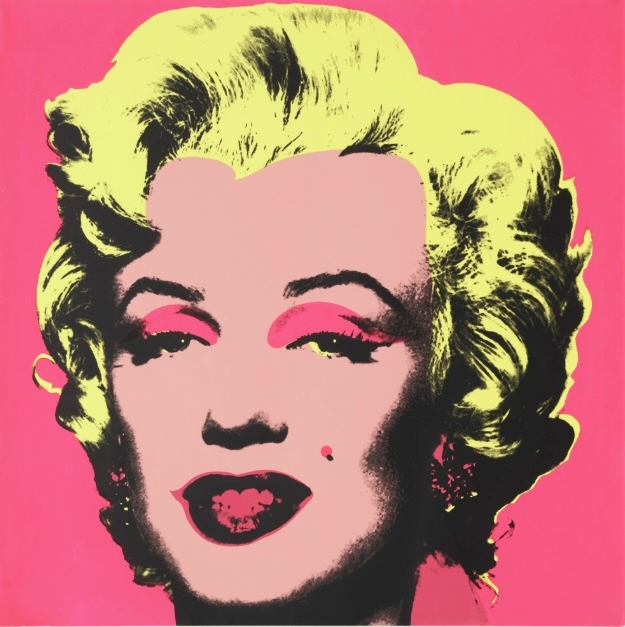
Pop Art is an art movement that emerged in the late 1950s and early 1960s in the United States and the United Kingdom. This movement represents an aesthetic approach that challenges traditional notions of art and draws inspiration from popular culture. Consumer culture, advertising, comic books, celebrities, cinema and other elements of everyday life formed the source material for Pop Art artists. The movement is regarded both as a pivotal moment in art history and as a reflection of social dynamics.
Pop Art emerged in the post-World War II period. This era was characterized by economic growth the rise of a consumer society and the expansion of mass media. Artists drew inspiration from this context to blur the boundaries between high art and popular culture. Although the earliest examples of Pop Art appeared in the United Kingdom the movement achieved its greatest impact in the United States. British artist Richard Hamilton is regarded as one of the founders of Pop Art and defined the movement with the concepts of popular transient expendable low cost sexy and commercial.

Richard Hamilton and His Work Interior
Pop Art integrated the visual language and iconography of popular culture into artworks. Artists were inspired by advertising comic books photographs of celebrities and commercial products. For example Andy Warhol’s series of Campbell’s Soup Cans became an iconic example of this approach by transforming an ordinary consumer product into an artwork. As a technique Pop Art artists commonly employed bright colors graphic lines and repetitive patterns. Commercial techniques such as screen printing became an integral part of Pop Art. These methods enabled artworks to be both reproducible and more aligned with mass consumer culture. Additionally artists frequently used irony humor and critique in their works inviting viewers to question the relationship between everyday life and art.

Andy Warhol and His Series Campbell’s Soup Cans
Prominent figures in Pop Art include Andy Warhol Roy Lichtenstein Jasper Johns Richard Hamilton and David Hockney. Each expanded the aesthetic and conceptual boundaries of the movement through distinct themes and approaches. Andy Warhol is known for works centered on commercial products and celebrity figures. Icons such as Marilyn Monroe Elvis Presley and Elizabeth Taylor were immortalized in Warhol’s portraits. Roy Lichtenstein gained attention for works inspired by comic books in which a printing technique known as Ben-Day dots was frequently used. Jasper Johns incorporated national symbols such as the American flag into his art adding a more conceptual dimension to Pop Art. Richard Hamilton and David Hockney are particularly recognized as pioneers of British Pop Art.

From left to right: Andy Warhol David Hockney Jasper Johns Richard Hamilton Roy Lichtenstein and Their Works
Pop Art has received both praise and criticism since its inception. The movement has been lauded for democratizing the art world and bringing popular culture to the center of artistic expression. However some critics have argued that Pop Art encouraged superficiality and elevated consumer culture. Nevertheless Pop Art’s capacity to present social critique through humor and irony has balanced some of these criticisms.
Pop Art continues to be an important element of both contemporary art and popular culture. Its influence is clearly visible in fields such as advertising design fashion and media. Artists continue to explore themes of consumer culture media and identity preserving the legacy of Pop Art. The impact of this movement is felt not only in the art world but also in broader social and cultural contexts. Pop Art demonstrated that art could be an accessible form of expression for everyone not merely an elite group.

Historical Context and Origins
Main Themes and Techniques
Prominent Artists and Works
Criticism and Debates
The Legacy of Pop Art