


This article was automatically translated from the original Turkish version.
Pristimantis kelephus is a small-sized frog species belonging to the family Craugastoridae that inhabits moist montane forests (cloud forests). Morphologically similar to Pristimantis calcaratus and Pristimantis jubatus, it was frequently confused with these species in the past. Subsequent genetic and morphometric analyses have clarified that this taxon is a distinct species.
The species exhibits direct development; that is, it hatches from eggs directly into adult form without undergoing metamorphosis. There is no larval stage, which increases its dependence on specific habitat conditions.
This species is endemic to Colombia and has been recorded only in specific sections of the western Andes. It is currently known to occur only at elevations between 1900 and 2250 meters, near the boundary between the departments of Valle del Cauca and Chocó, in the municipalities of El Cairo and San José del Palmar.
Its distribution is confined to a very limited area of approximately 28 km². The Extent of Occurrence (EOO) is therefore extremely low, and the species persists in only a single threatened locality.

Image of Pristimantis kelephus (Animalia)
Pristimantis kelephus inhabits subtropical and tropical moist montane forests (cloud forests). It has been observed in both primary (undisturbed) and secondary (regenerating) forests but is never found outside forested areas. This indicates a high degree of habitat specialization and extreme sensitivity to habitat degradation. Its lifestyle is entirely terrestrial; it is non-migratory and remains confined to a restricted range. The species is vulnerable to ecosystem conversion, particularly the transformation of forests into agricultural land, and to habitat disturbance.
This species is considered rare. The number of observed individuals is very low, and existing data indicate that the population is in decline. This decline is primarily driven by ongoing habitat degradation.
Pristimantis kelephus faces multiple anthropogenic threats:
It is listed as Critically Endangered (CR) by the IUCN. This assessment is based on the species’ extremely restricted range, confinement to a single locality, and the continuous decline in habitat quality.
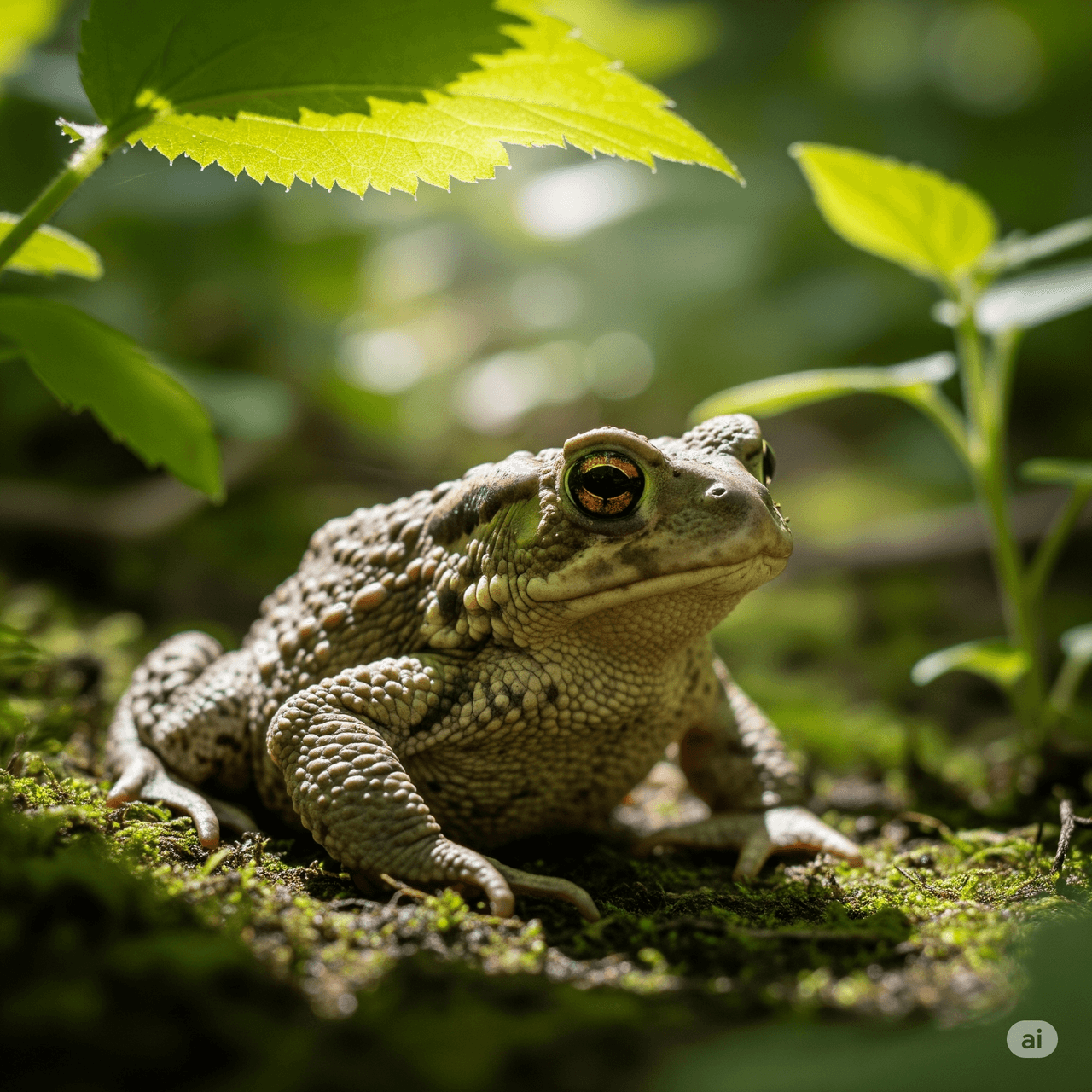
Image of a Pristimantis kelephus in its natural habitat (generated by artificial intelligence)
This species was originally described as Eleutherodactylus kelephus and later transferred to the genus Pristimantis. In the past, it was frequently confused with Pristimantis kelephas and Pristimantis calcaratus, both morphologically and orthographically. Morphometric and molecular analyses conducted in 2014 resolved these taxonomic ambiguities.

No Discussion Added Yet
Start discussion for "Pristimantis kelephus" article
Distribution and Geographic Range
Habitat and Ecological Characteristics
Population Status and Trends
Threats
Conservation Status
Conservation Actions and Recommendations
Scientific and Systematic Notes
