
This article was automatically translated from the original Turkish version.
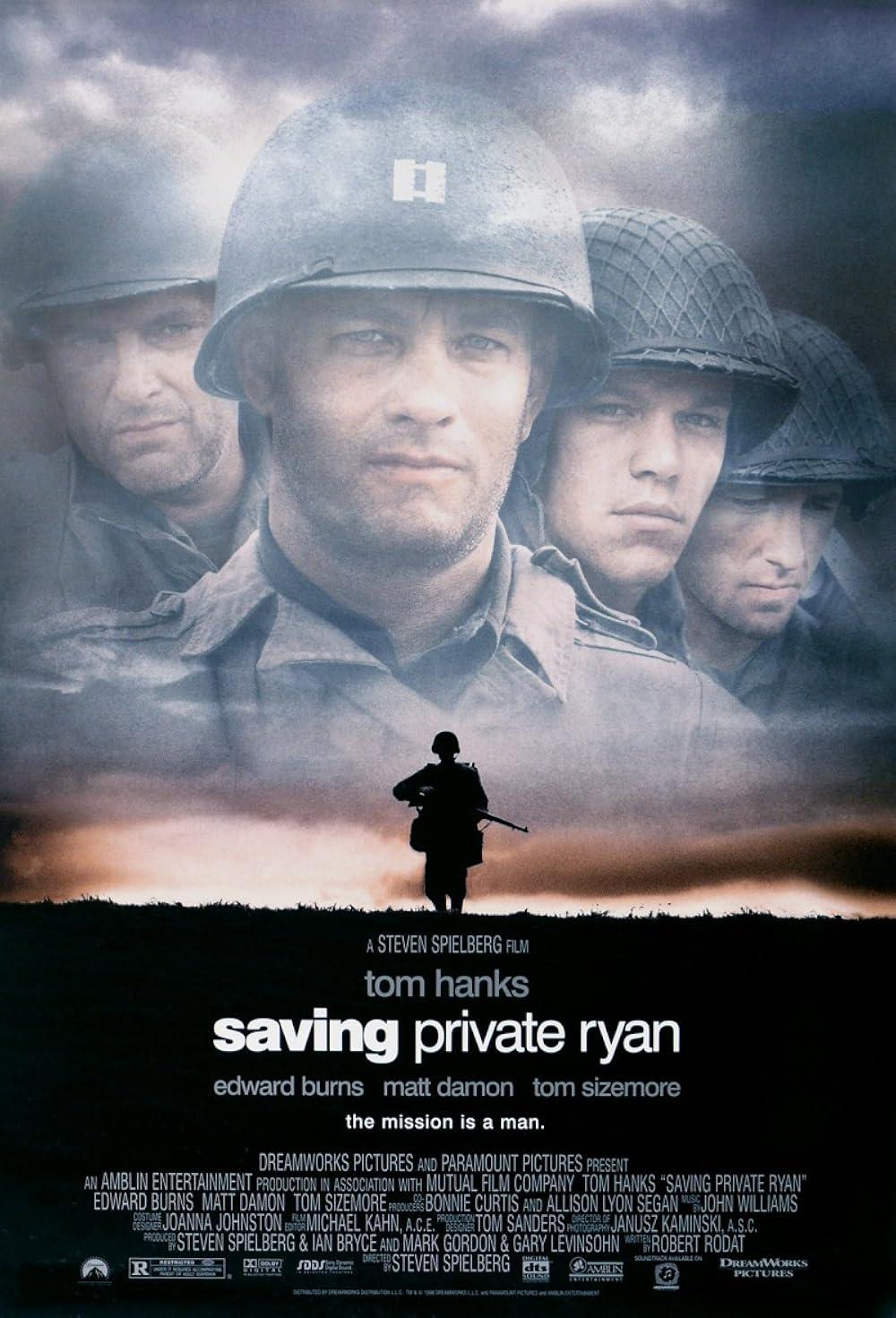
Rescuing Ryan
Original Name(s) | Saving Private Ryan | ||||||||
|---|---|---|---|---|---|---|---|---|---|
Director(s) | Steven Spielberg | ||||||||
Screenplay(s) | Robert Rodat | ||||||||
Genre | Drama History War | ||||||||
Production Year | 1998 | ||||||||
Duration | 169 minutes | ||||||||
IMDb Rating | 8.6 | ||||||||
Actors | Giovanni Ribisi (Corporal Wade) Barry Pepper (Private Daniel Jackson) Vin Diesel (Private Adrian Caparzo) Edward Burns (Private Richard Reiben) Tom Sizemore (Sergeant Mike Horvath) Matt Damon (Private James Francis Ryan) Tom Hanks (Captain John Miller) | ||||||||
Steven Spielberg’s film Saving Private Ryan depicts a realistic and powerful story set during World War II, following the Normandy invasion. After the Allied landings in Normandy, the U.S. Army makes the decision to return home safely James Francis Ryan (Matt Damon), the sole surviving son of the Ryan family, who lost three of their four sons in combat.
This mission is assigned to Captain John Miller (Tom Hanks) and his squad. They advance through the blood-soaked battlefields of Normandy’s shores, confronting the horror, senselessness, and limits of human nature along the way. As the purpose of the mission is questioned, tension emerges among the soldiers, each of whom is drawn into a moral reckoning.
Saving Private Ryan emphasizes the brutal reality and human drama of war rather than its heroic myths.
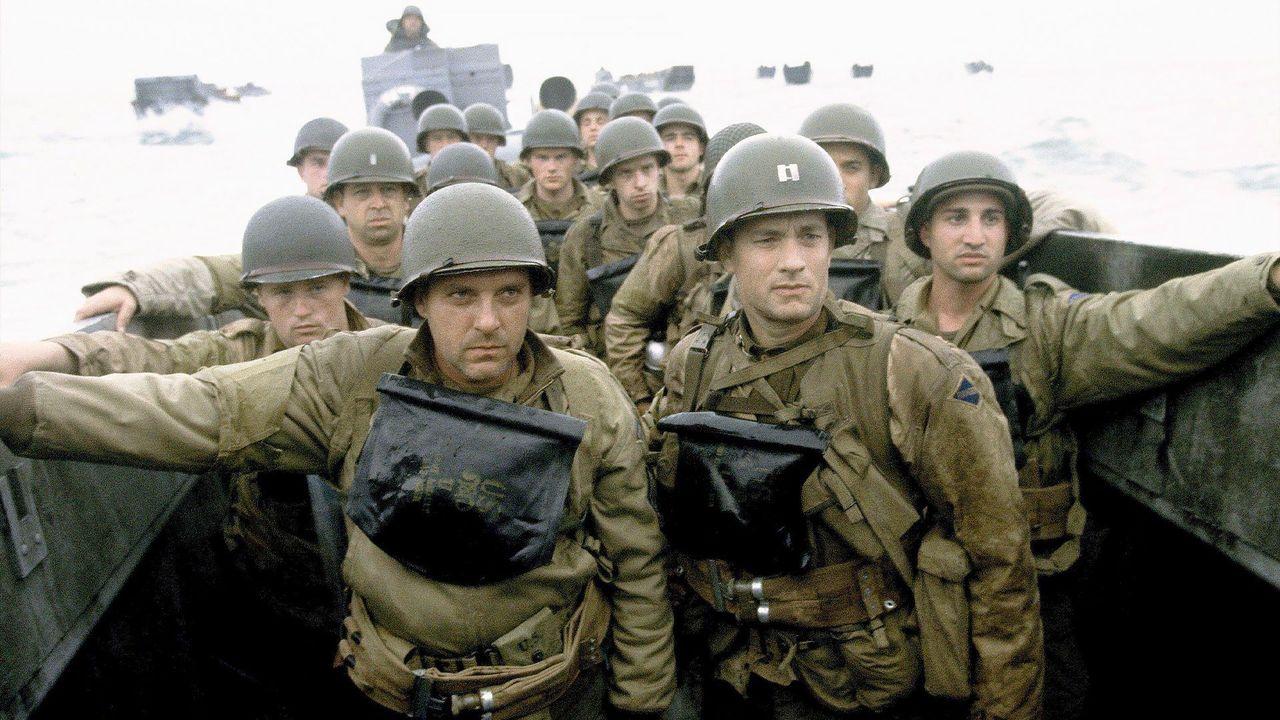
A scene from the film square -BBC
The film, particularly its first 20 minutes depicting the Normandy invasion, stands as one of the most impactful examples in cinematic history for the realism of its battle sequences. The rawness and chaos of the violence in these scenes clearly reveal the unvarnished face of war.
The ethical dimension of the mission to save Private Ryan is repeatedly questioned by the soldiers. Risking the lives of multiple men to save one raises a profound moral conflict and deeply affects the psychological state of the troops.
In the film, the sense of camaraderie and brotherhood among the soldiers demonstrates that humanity still endures despite the brutality they endure. The loyalty and solidarity the men feel toward one another form the core dramatic element of the film.
The film interrogates the concept of heroism and deeply examines the meaning of war. The characters’ internal reflections clearly expose the destructive impact of war on the human spirit.
Spielberg opted for a realistic, documentary-style narrative in the film’s combat scenes. The handheld and shaky camera work draws the viewer into the battlefield, creating a visceral impact. The production avoided CGI, relying instead on practical explosions and effects to preserve the authenticity of the scenes.
To film the Normandy sequences, a large set was constructed along the coast of Ireland. Spielberg directed the scenes based on firsthand accounts from war veterans.
Tom Hanks, as Captain Miller, powerfully portrays the psychological burden of leadership, enhancing the film’s dramatic intensity. Matt Damon effectively captures the complex emotions and inner turmoil of a young soldier caught in the midst of war. Tom Sizemore delivers a compelling performance as Sergeant Horvath, embodying the stabilizing and experienced soldier within the unit.
Saving Private Ryan is a pioneering film that raised the standard of realism in war cinema and powerfully conveys the brutality of war to the screen. It is regarded as one of Spielberg’s most significant directorial achievements and is now considered a film of high historical and cultural value.
Best Director – Steven Spielberg
Best Cinematography – Janusz Kamiński
Best Film Editing
Best Sound
Best Sound Effects Editing
Best Picture
Best Actor – Tom Hanks
Best Original Screenplay
Best Art Direction
Best Makeup
Best Original Score
Best Motion Picture – Drama – Won
Best Director – Steven Spielberg – Won
Best Sound – Won
Best Special Visual Effects – Won
All The Right Movies. “20 Interesting Facts about Saving Private Ryan.” Accessed March 24, 2025.
BBC Türkçe. “Er Ryan’ı Kurtarmak gerçek bir hikâyeye mi dayanıyor?” Accessed March 24, 2025.
Beyazperde. “Er Ryan’ı Kurtarmak (1998).” Accessed March 24, 2025. Link.
IMDb. “Saving Private Ryan (1998).” Accessed March 24, 2025.
Roger Ebert. “Saving Private Ryan (1998).” Accessed March 24, 2025.
Saving Private Ryan Fandom. “James Francis Ryan.” Accessed March 24, 2025.
Sinemalar.com. "Er Ryan’ı Kurtarmak." Accessed March 24, 2025.

Rescuing Ryan
Original Name(s) | Saving Private Ryan | ||||||||
|---|---|---|---|---|---|---|---|---|---|
Director(s) | Steven Spielberg | ||||||||
Screenplay(s) | Robert Rodat | ||||||||
Genre | Drama History War | ||||||||
Production Year | 1998 | ||||||||
Duration | 169 minutes | ||||||||
IMDb Rating | 8.6 | ||||||||
Actors | Giovanni Ribisi (Corporal Wade) Barry Pepper (Private Daniel Jackson) Vin Diesel (Private Adrian Caparzo) Edward Burns (Private Richard Reiben) Tom Sizemore (Sergeant Mike Horvath) Matt Damon (Private James Francis Ryan) Tom Hanks (Captain John Miller) | ||||||||
Themes and Analysis
1. The Real Face of War and the Visualization of Violence
2. Sacrifice and Ethical Dilemmas
3. Brotherhood and Solidarity
4. Heroism and the Search for Meaning
Production Process and Technical Features
Performances
Awards and Nominations
Academy Awards (Oscars, 1999)
Wins:
Nominations:
Golden Globe Awards (1999)
BAFTA Awards (1999)