

badge icon

This article was automatically translated from the original Turkish version.

Article
Quote
1000005038.png
Rosehip
Plant Species
Rosa canina
Family
Rosaceae
Fruit Color
Red-Orange
Natural Habitat
Shrub
Vitamin Content
Vitamin C
Application Area
FoodMedicineCosmetics
Product Type
FoodJamSyrup
Region
MediterraneanBlack SeaEastern Anatolia

Rosehip (Rosa canina) is a species of plant in the Rosaceae family and is commonly found as a thorny shrub. This plant can grow up to 1 to 3 meters tall and is recognized by its flowers, which range in color from white to pink. Its fruits turn red, orange, or yellow as they ripen. Rosehip is a hardy plant capable of adapting to a wide range of environmental conditions due to its soil structure. It typically grows naturally in forested areas, thickets, and road edges. It is also cultivated under controlled conditions for medicinal and commercial purposes.
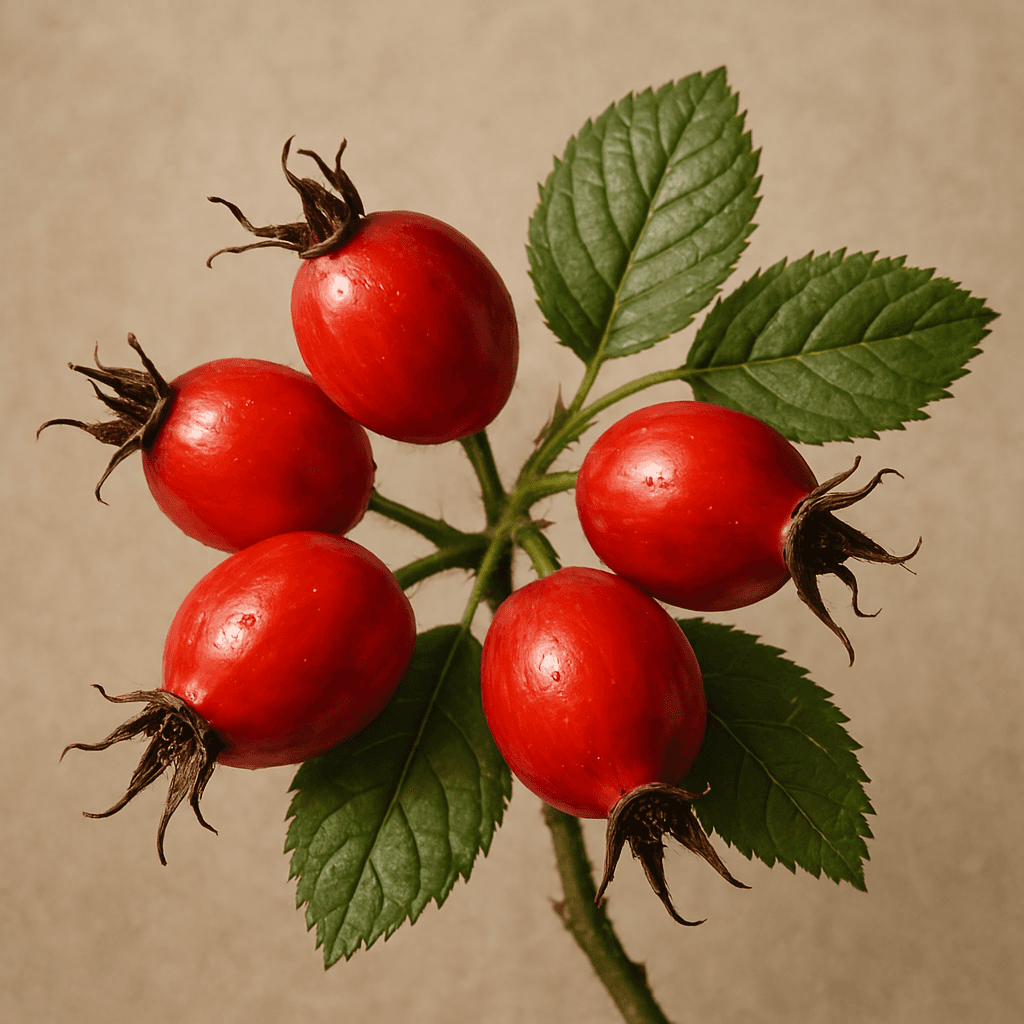

Rosehip plant. Generated by artificial intelligence.

Applications

Rosehip has been used in various cultures both as a medicinal and food product. These uses continue today. The main applications of rosehip include:


  • Teas and Beverages: The rosehip fruit is known for its high vitamin C content. Rosehip tea is widely consumed for various purposes and is also recognized for its soothing effects on the digestive system.
  • Food and Beverage Products: Rosehip jam, jelly, and syrups are commonly produced. These products retain the sweet and slightly tart flavor of the fruit. Rosehip is also frequently used in desserts and confections. It contains compounds with antioxidant and anti-inflammatory properties.
  • Cosmetic Products: Rosehip oil is used in skin care. Due to its skin-regenerating and wrinkle-reducing properties, it is commonly found in anti-aging products.

Primary Growing Regions

Rosehip grows naturally in various regions of Türkiye. However, its abundance varies depending on climate and soil conditions:


  • Mediterranean Region: Rosehip shrubs are widespread in areas with a Mediterranean climate, particularly around Antalya and Mersin. The mild and humid climate in these regions provides an ideal environment for rosehip growth.
  • Black Sea Region: Rosehip thrives in the moist and temperate conditions along the Black Sea coast and inland areas. Dense thickets containing rosehip are common in provinces such as Trabzon and Rize.
  • Central Anatolia Region: Rosehip grows naturally in certain parts of Central Anatolia. It is commonly found in steppe areas and at the foot of mountains.
  • Eastern Anatolia Region: Rosehip is also widely cultivated in provinces such as Erzurum, Kars, and Ağrı. Despite the harsh climatic conditions in these regions, rosehip thrives due to its resilient nature.

Health Benefits

Rosehip offers numerous health benefits due to its rich content of vitamins and minerals.


  • Source of Vitamin C: Rosehip is a natural source of vitamin C, which helps strengthen the immune system and enhances the body’s resistance to infections. Vitamin C also neutralizes free radicals in the body, preventing cellular damage.
  • Antioxidant Properties: Rosehip contains flavonoids, polyphenols, and other compounds known for their antioxidant effects. These compounds help slow cellular aging and support the body’s defense against various diseases.
  • Digestive Health: Rosehip has a soothing effect on the digestive system and helps regulate bowel movements.
  • Skin Health: Rosehip oil has multiple beneficial effects on the skin. It moisturizes the skin, reduces signs of aging, lightens scar marks, and exhibits skin-regenerating properties.

Rosehip in the Modern World

Today, the medicinal and commercial use of rosehip has become even more widespread. In a world where interest in natural products is growing, modern, rosehip is used in various industries in common ways:


  • Pharmaceutical Products: Rosehip extract is used as a formulation ingredient in certain pharmaceutical products. It is among the natural substances under active research for their biological effects.
  • Cosmetic Industry: Rosehip oil and extract are used as additives in moisturizers and skin care products. These components have been evaluated in cosmetic formulations designed for topical skin applications.
  • Food Industry: Rosehip is used as a fruit in the production of jams, jellies, and syrups. It is also commonly found in certain beverages and desserts.

Bibliographies


Kaya, A., & Çalışkan, G. (2020). Kuşburnu ve Bileşenlerinin Sağlık Üzerindeki Etkileri. Sakarya Üniversitesi Fen Bilimleri Dergisi, 24(2), 148–159. Accessed https://dergipark.org.tr/tr/pub/saktad/issue/81481/1326143.

Yıldırım, H., & Yılmaz, M. (2020). Kuşburnunun Sağlık Üzerindeki Antioksidan Etkileri. Biodicon Dergisi, 12(1), 39-46. Accessed https://dergipark.org.tr/en/pub/biodicon/issue/55718/761836.

Yılmaz, İ. (2020). Kuşburnunun Halk Hekimliğindeki Yeri ve Bileşenler Açısından Yararları. Yüzüncü Yıl Üniversitesi, Sağlık Bilimleri Fakültesi. Accessed https://avesis.yyu.edu.tr/yayin/833c24fc-5957-4ede-911f-3f7c0d90ba4d/kusburnunun-halk-hekimligindeki-yeri-ve-bunyesindeki-bilesenler-acisindan-yararlari.

Çolak, M., & Bozkurt, M. (2021). Kuşburnunun Faydaları ve Kullanım Alanları. Çukurova Üniversitesi Ziraat Fakültesi Dergisi, 36(1), 57-68. Accessed https://dergipark.org.tr/en/pub/cutsad/article/1318371.

Author Information

Avatar
AuthorKübra ElçiDecember 6, 2025 at 8:31 AM

Tags

Discussions

No Discussion Added Yet

Start discussion for "Rose hip" article

View Discussions

Contents

  • Applications

  • Primary Growing Regions

  • Health Benefits

  • Rosehip in the Modern World

Ask to Küre