


This article was automatically translated from the original Turkish version.
Elaeagnus angustifolia, commonly known as iğde, is a plant species that grows across a wide geographic range and attracts attention due to its diverse ecological characteristics. This species occurs naturally in various regions of Türkiye and is particularly known for its adaptation to arid and semi-arid climatic conditions. Iğde is regarded as an ecologically and economically significant plant, with potential uses ranging from its wood structure to its fruits and leaves. In this context, the morphological, anatomical, and physiological properties of the species, along with its environmental interactions, are studied through scientific research.
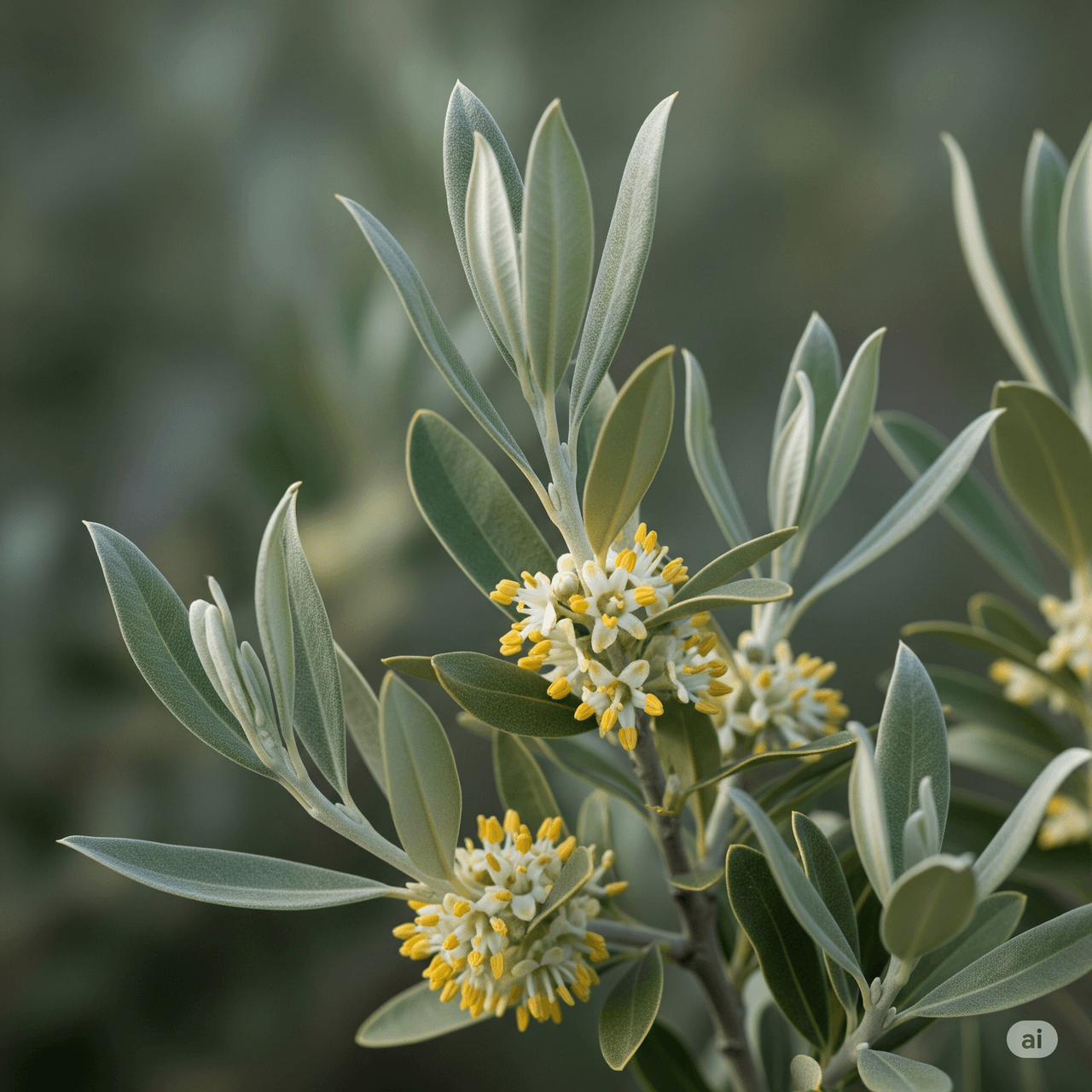
Elaeagnus angustifolia (Generated by Artificial Intelligence)
Iğde typically grows as a shrub or small tree and is valued for the durability and mechanical properties of its wood. Research has determined physical characteristics of iğde wood such as density, hardness, and strength. These properties highlight its potential as a construction material. Additionally, the microstructural features of the wood, including fiber characteristics and elastic modulus, have been analyzed, with results indicating that iğde wood is suitable for industrial applications.
The morphological and anatomical structure of the leaves provides insight into the plant’s adaptation strategies. The epidermal layer, stomata, and trichome structures on the leaves play a crucial role in developing resistance to drought and environmental stress. These anatomical traits contribute to the plant’s ability to survive under varying soil and climatic conditions.
Iğde interacts with the physical and chemical properties of the soils in which it grows. Studies conducted in the Erzurum region have focused on identifying and evaluating heavy metal content in soils where iğde species are found. These investigations reveal how the plant tolerates heavy metals in the soil and to what extent it translocates these metals into its leaves. The presence of toxic elements such as lead in the plant is significant in terms of environmental pollution and the plant’s phytoremediation potential.
The physical structure of the soil, pH level, organic matter content, and other chemical parameters directly influence the growth performance of iğde. The plant’s role within the ecosystem is linked to functions such as soil stabilization and erosion control.
Iğde leaves contain high levels of antioxidant compounds. These compounds effectively combat free radicals and enhance the plant’s resilience under stress conditions. Additionally, leaf extracts identified as having antidiabetic properties support their traditional medicinal use. Chemical analyses of the leaves have detected flavonoids, phenolic compounds, and other biologically active substances. Research into heavy metal content provides a critical scientific approach to understanding the plant’s responses to environmental stress. Heavy metal concentrations detected in iğde leaves should also be evaluated from the perspective of environmental health.
Iğde is economically valuable not only for its fruits and leaves but also due to the properties of its wood. The fruits are nutritionally rich and consumed locally. Extracts obtained from the leaves are used in food supplements and natural medicine production. Furthermore, the durability of its wood makes it suitable for furniture and small-scale woodworking. Regionally, iğde holds an important place in folk culture and traditional medicine. It is preferred in phytotherapy due to its antidiabetic and antioxidant effects.
The natural distribution areas of iğde may be altered by environmental conditions and human activity. Heavy metal pollution and habitat degradation can negatively affect the plant’s health and abundance. Therefore, monitoring ecological and environmental conditions is necessary to ensure the conservation of iğde populations and the sustainable use of the species.
In conclusion, research on the morphological, ecological, physiological, and economic properties of Elaeagnus angustifolia demonstrates that this species is a vital plant for both nature and human life. Future studies will further elucidate the plant’s environmental adaptations, biochemical potential, and conservation strategies.

No Discussion Added Yet
Start discussion for "Russian olive (Elaeagnus angustifolia)" article
Morphology and Physical Characteristics
Ecological and Soil Interactions
Physiological and Chemical Properties
Economic and Cultural Uses
Conservation and Sustainability