


This article is not approved yet.
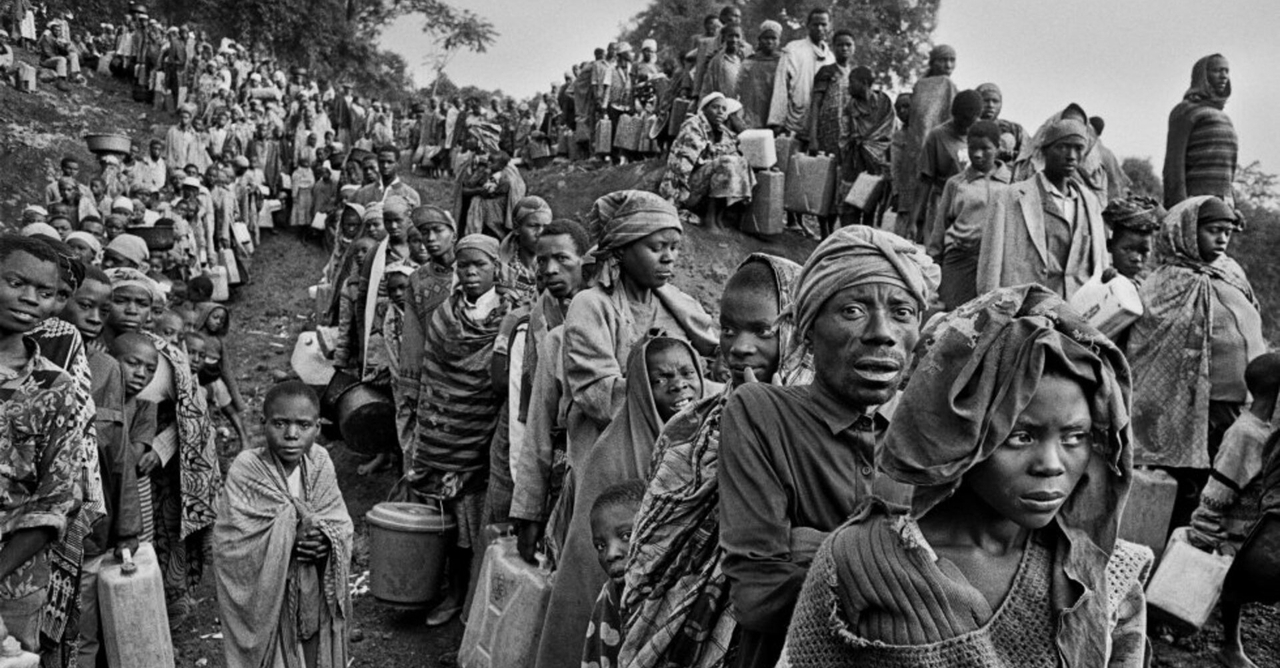
The Rwandan Genocide of 1994 was a catastrophic event during which approximately 800,000 to 1,000,000 Tutsis and moderate Hutus were killed within just 100 days. The international community's inadequate response significantly exacerbated the tragedy.
Ruanda, under German control from 1890 until World War I, became a Belgian colony thereafter. Belgium exacerbated ethnic tensions between the Hutus and Tutsis by favoring the Tutsis, leading to long-standing animosities. In the 1950s, Hutus began resisting Tutsi dominance. The assassination of President Juvénal Habyarimana on April 6, 1994, triggered the genocide. Tutsis and moderate Hutus were systematically targeted and killed by state-supported militias and the military, with violence rapidly spreading to the civilian population.
The genocide was meticulously planned by political authorities. Within hours of Habyarimana’s death, roadblocks were erected throughout Kigali, and civilians were confined to their homes, initiating the mass killings that claimed 800,000 lives over three months. Extremist youth groups like the Interahamwe and the government military led the massacres. Hutu leaders used media to propagate hate speech, fueling violence against Tutsis. Pre-prepared death lists highlighted the organized nature of the genocide, with government-backed militias systematically attacking villages and towns.

Kigali, Rwanda
Various actors, driven by ethnic hatred, social pressures, and economic incentives, participated in the violence. Social dynamics within groups, combined with leaders’ influence, pushed individuals towards extreme actions. Intra-group competition further escalated the violence, with propaganda and fear prompting widespread active participation in the genocide. Hate speech dehumanized Tutsis, inciting the population to violence and underscoring the global importance of human rights and peace.
The United Nations (UN) and imperial powers faced severe criticism for their inaction during the genocide. The UN’s peacekeeping mission had limited authority and support, failing to prevent the violence. Instead of increasing troop numbers, the UN reduced them, avoiding necessary steps to halt the genocide. Imperial powers, particularly the United States and France, prioritized their interests over intervention. France provided military and diplomatic support to the Hutu government, perpetuating the killings, while the US demonstrated insufficient political will to intervene. These power struggles led to ineffective international responses, allowing the genocide to proceed unchecked.

People of Rwanda
Social dynamics within groups significantly fueled the genocide's brutality. Leaders’ roles and group conformity mechanisms drove individuals to extreme behaviors. Intra-group competition heightened the violence, with those committing the most murders gaining respect and social status. This dynamic fostered collective action and extreme violence, with social pressure and internal solidarity increasing participation in violent acts. The escalation of violence was intensified by competition and efforts to outdo one another in brutality. This tragedy highlighted the global importance of human rights and peace, with Rwanda embarking on a long and challenging recovery process. The genocide underscored the necessity for a decisive international stance against crimes against humanity.
Background: Political and Social Context
Planning and Onset of the Genocide
Role of Perpetrators
Role of the United Nations and Imperial Powers
Group Dynamics and Escalation of Violence