This article was automatically translated from the original Turkish version.
+2 More
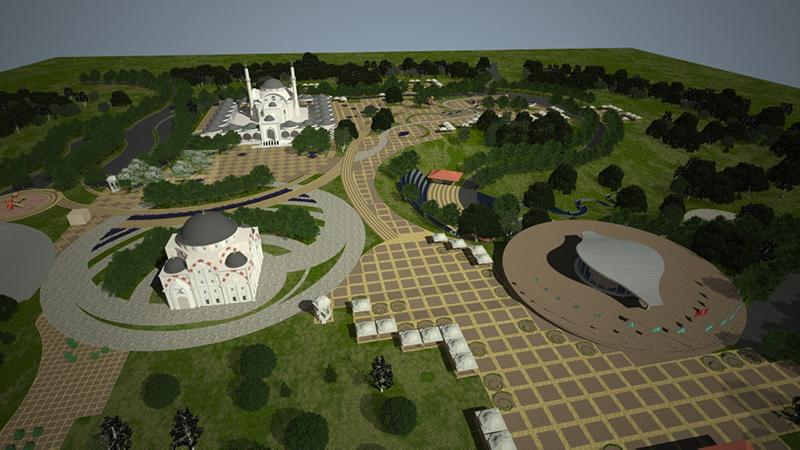
Safvan bin Muattal Mosque and Külliye, built in Samsat, is a comprehensive structure that integrates spatial needs with contemporary architecture.
Safvan bin Muattal was one of the respected figures in the early Muslim community of Medina. He is mentioned in the biographies of the Prophet Muhammad and is renowned for his reliability and moral integrity. He was praised by the Prophet Muhammad, who said, “I know nothing but good about Safvan,” and “Do not harm Safvan; he loves Allah and His Messenger deeply.”【1】
Safvan bin Muattal was martyred in Samsat during the caliphate of Caliph Umar in 19 AH. His tomb is located on a high hill in the village of Taşkuyu, approximately 10 kilometers from the district of Samsat in Adıyaman Province. The sanctity of the site is deeply held by the local population and has, over time, fostered a culture of pilgrimage.
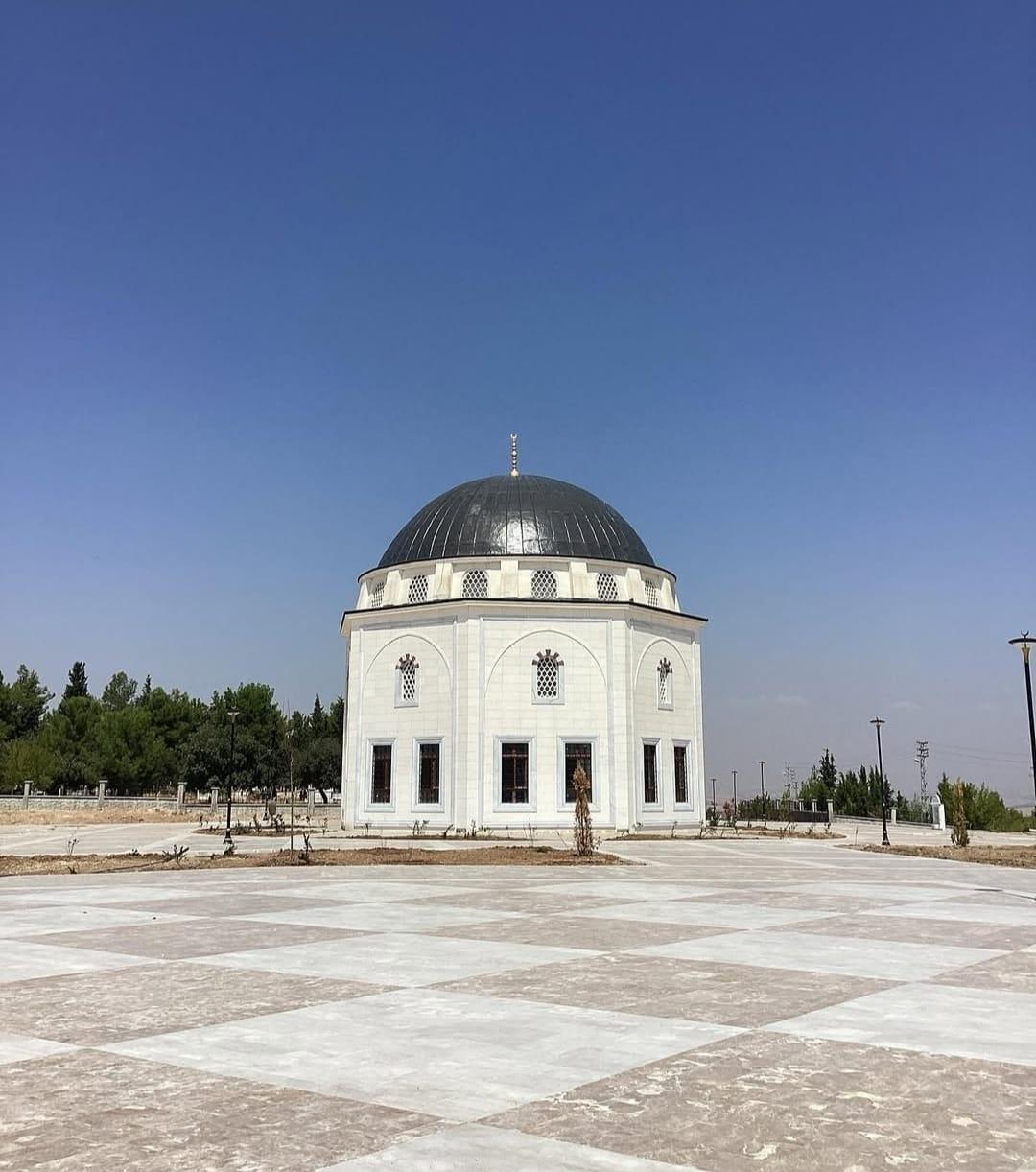
Tomb of Safvan bin Muattal(Photo: Mehmet Bağcı)
The külliye is constructed on a total landscape area of 160,000 square meters and encompasses a built area of 6,500 square meters. The mosque, with a congregation capacity of approximately 15,000 people, reflects classical Ottoman mosque architecture through its central dome, semi-domes, and symmetrical courtyard. At the same time, it incorporates modern engineering practices, environmentally friendly materials, and energy-efficient solutions in its structural systems.
The külliye complex includes the mosque, the tomb, a Qur’an course center, a guesthouse, an information office, a restaurant and cafeteria, ablution facilities, and other social service areas. This multifunctional system transforms the külliye into both a place of worship and a center for social and cultural activities.
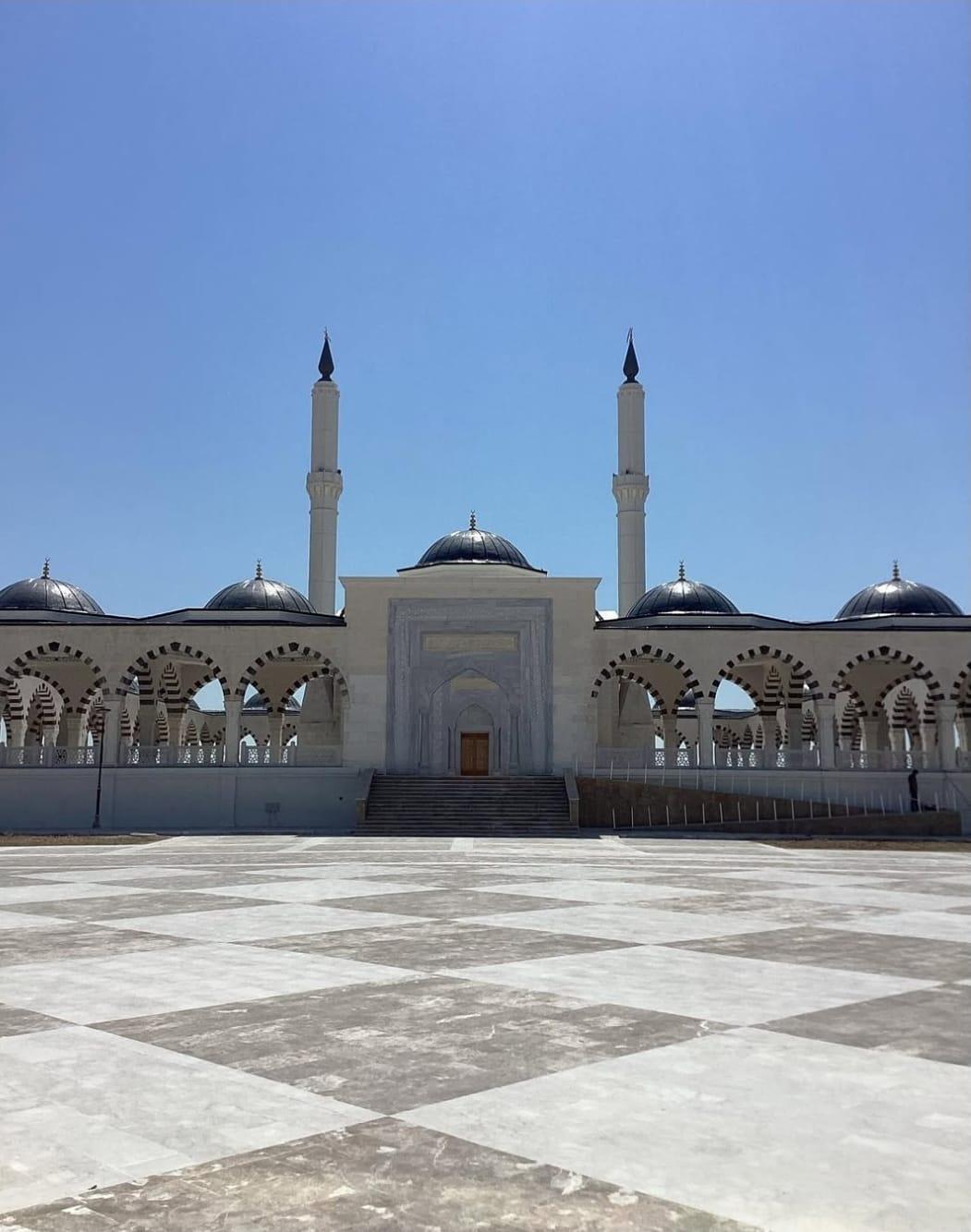
Safvan bin Muattal Külliye and Mosque(Photo: Mehmet Bağcı)
The Safvan bin Muattal Mosque and Külliye is a distinguished example demonstrating that faith-based architectural projects in Türkiye can successfully integrate traditional values with modern needs. The külliye translates respect for the Ottoman heritage into spatial planning that responds to societal demands, thereby offering multi-layered functionality in religious, cultural, and economic terms.
Adıyaman Müftülüğü (Presidency of Religious Affairs of the Republic of Turkey). "Sahabi Safvan b. Muattal Hz. – Sahabe Safvan Bin Muattal Türbesi." Adıyaman Müftülüğü Resmî Web Sitesi. Accessed July 26, 2025. https://adiyaman.diyanet.gov.tr/samsat/sayfalar/contentdetail.aspx?ContentId=606&MenuCategory=Kurumsal
Türkiye Diyanet Vakfı. "Adıyaman Safvan Bin Muattal Camii." Türkiye Diyanet Vakfı Resmî Web Sitesi. Accessed July 26, 2025. https://tdv.org/tr-TR/proje/adiyaman-safvan-bin-muattal-camii/.
[1]
Hadisi Şerif (Ebû Ya'lâ el-Mevsılî, VIII, 339; İbn Hibbân, X, 13)
(TDV)

No Discussion Added Yet
Start discussion for "Safvan Bin Muattal Mosque and Complex" article
Who is Safvan bin Muattal?
Architectural Design Features of the Mosque and Külliye