


This article was automatically translated from the original Turkish version.
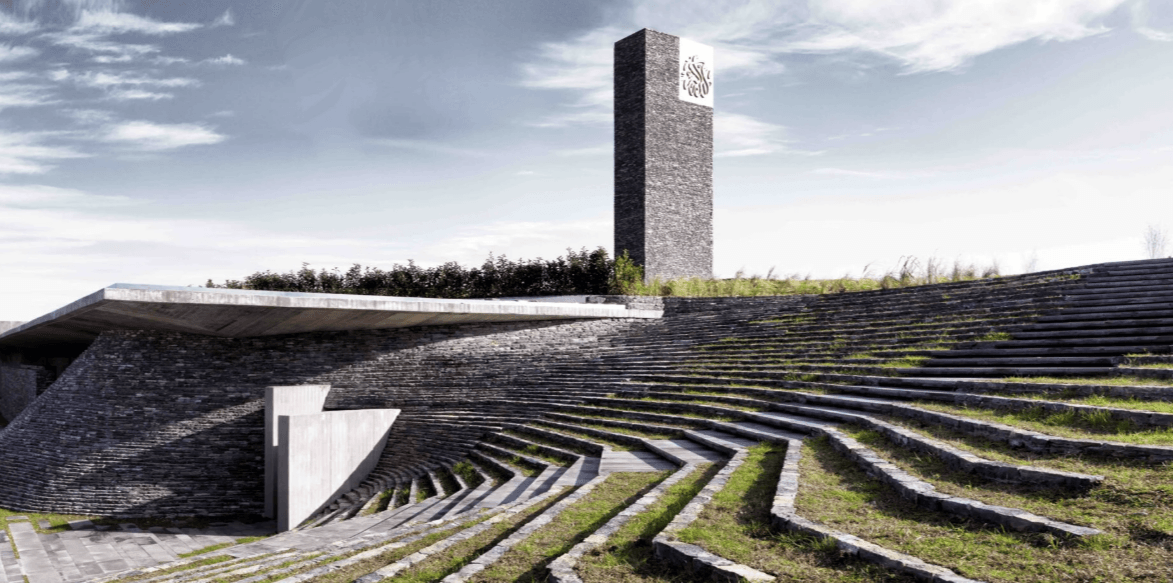
Sancaklar Camii, designed by Emre Arolat in 2013 in Istanbul’s Büyükçekmece district, has emerged as a striking example of Islamic architecture modern. This design, which embraces a distinctive understanding different from traditional mosque architecture, aims to offer a minimalist and spiritual space experience by focusing on the essence of a place of worship.

Sancaklar Cami (Source: Emre Arolat)
Sancaklar Camii has been conceived as a simple, unadorned structure that centers on the essence of Islam. Inspired by the Hira Cave where the first revelation was received by Hz. Muhammad, the mosque is integrated into the sloping terrain. This subterranean building appears from the outside as a prismatic only minaret. The entrance route is defined by stepped terraces that follow the natural topography, guiding visitors toward the prayer space through a deliberate experience.
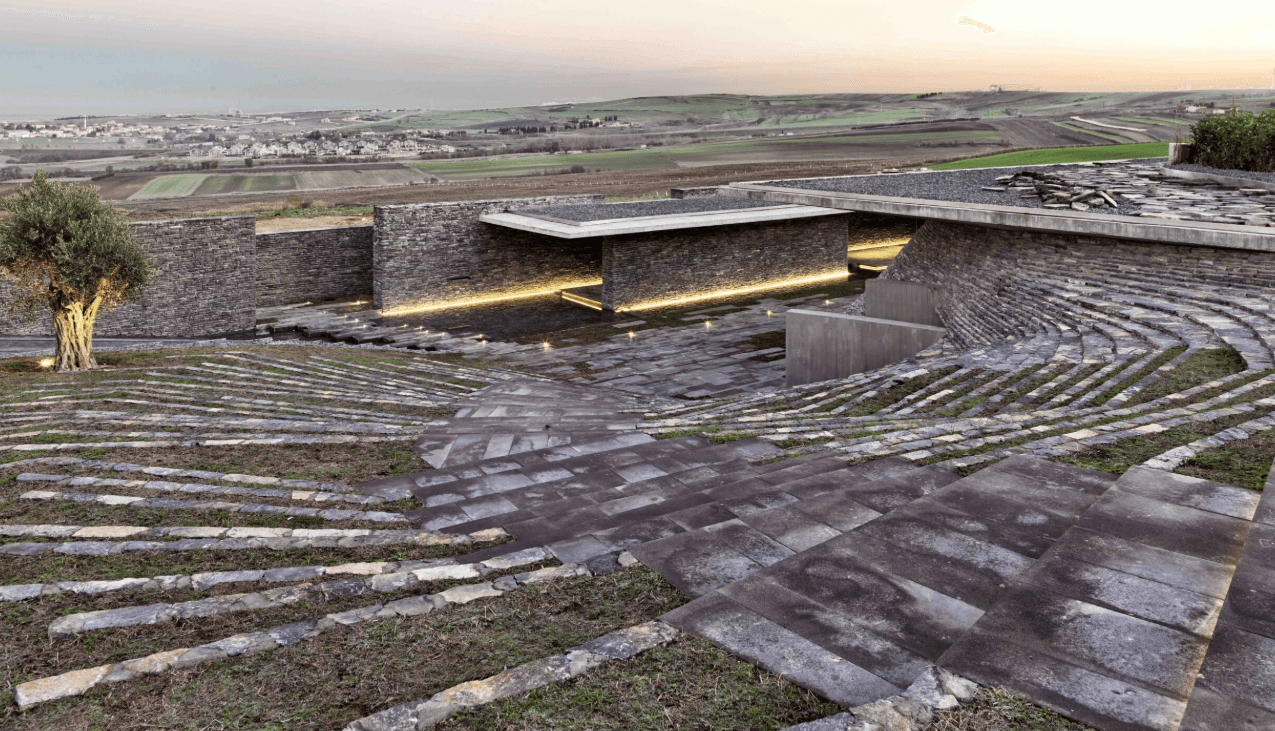
Sancaklar Cami (Source: Emre Arolat)
The interior of the mosque emphasizes simplicity, avoiding excess and ornamentation. Raw concrete walls and stepped flooring, combined with natural light patterns, create a serene atmosphere within the space. Slits in the mihrab wall filter daylight into the prayer area, reinforcing orientation. The structure, built using basalt and travertine stone, avoids chemical paints. A layout that allows men and women to pray on the same level introduces an innovation to traditional mosque concepts.

Sancaklar Cami (Source: Emre Arolat)
Sancaklar Camii has a total enclosed area of 1300 square meters and can accommodate up to 650 worshippers. The mosque’s buried design beneath the ground represents a distinctive approach in contemporary architecture. The minaret draws attention with its clean lines and textured cladding, while specialized LED lighting and the light slits in the mihrab wall add depth to the interior. High walls surrounding the courtyard clearly delineate the boundary between the complex external environment and the tranquil atmosphere within.
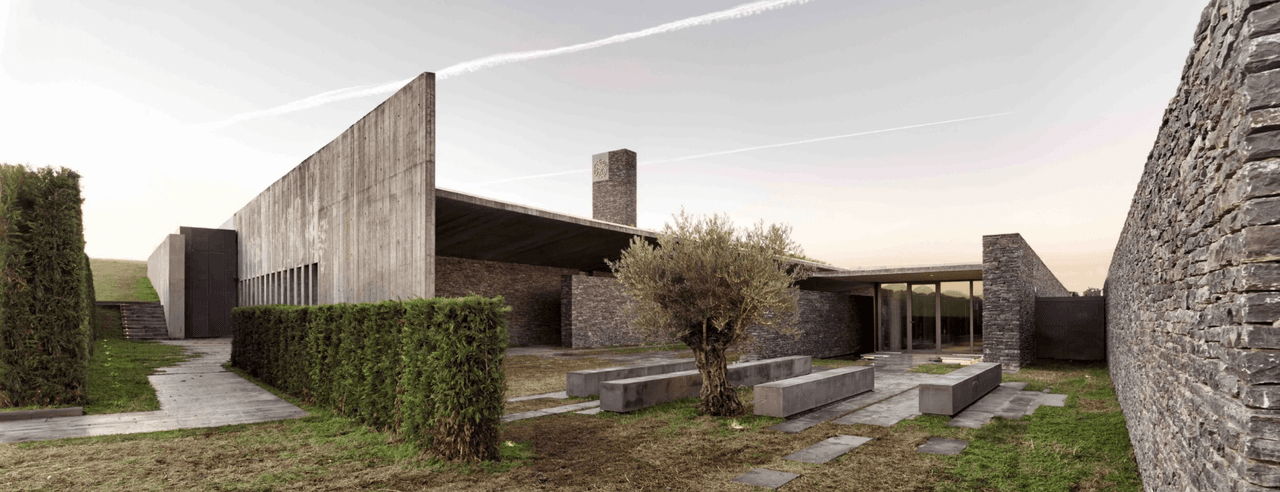
Sancaklar Cami (Source: Emre Arolat)
The mosque is not merely a place of worship but has also been designed as a social space where the public can read, learn, and idea. Its rich library and meeting areas support this function.
Sancaklar Camii has won numerous international awards for its original design. In 2011, it was awarded the “Project of the Future” prize at the World Architecture Festival in Barcelona, and in 2013, it was named the world’s best religious building in the same festival’s Religious Buildings category. It also received the Turkish Chamber of Architects Architecture Award in 2014 and was shortlisted for “Design of the Year” at the Design Museum in London in 2015. The mosque was selected as one of the top 40 buildings worldwide in the Mies Van van der Rohe Europe Awards and won the RIBA International Excellence Award, recognizing it as one of the top 20 buildings globally.

Design and Architectural Approach
Minimalism in Architecture and Interior Space
Physical and Functional Characteristics
Social and Cultural Functions
Awards and International Recognition