

This article was automatically translated from the original Turkish version.
Impulse System | 2 x Diesel Engine, 2 x Water Jet | ||||||||
|---|---|---|---|---|---|---|---|---|---|
Displacement | 9 tons | ||||||||
Maximum Speed | > 40 knots | ||||||||
Size(s) | 12.7 m x 3.3 m (LxW) | ||||||||
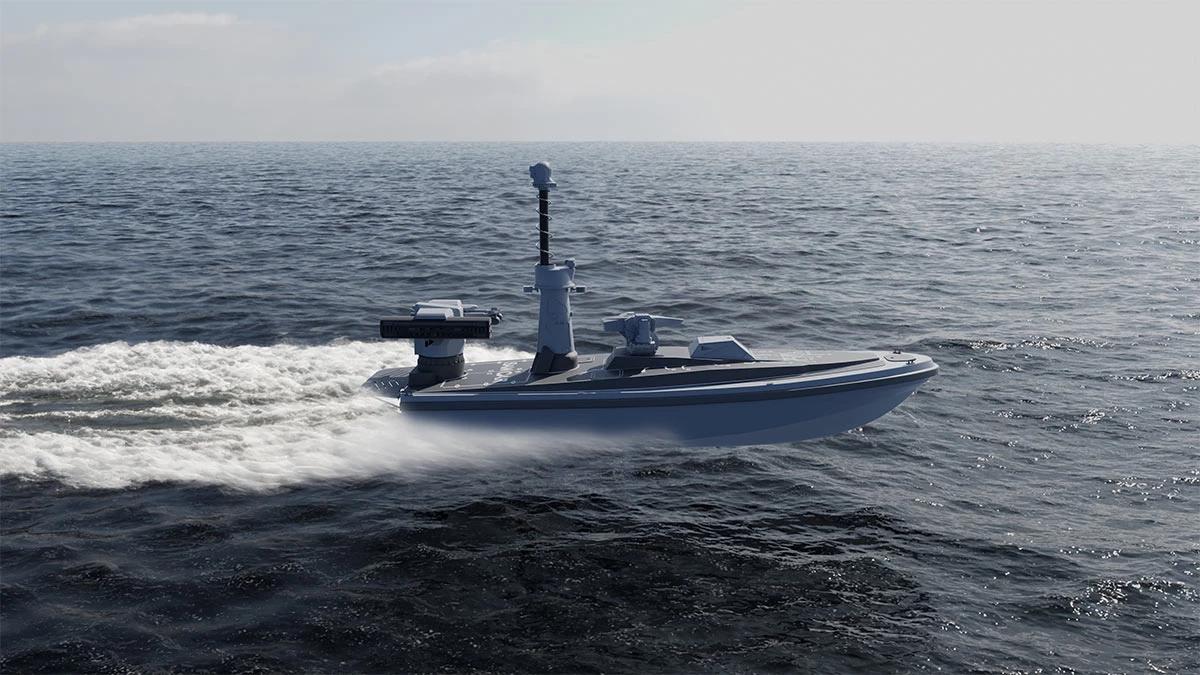
Sancar is a weaponized unmanned surface vehicle developed by HAVELSAN. The platform is designed to perform maritime surveillance, border patrol, reconnaissance, and armed intervention missions autonomously or via remote control. Modularity, local software integration, and artificial intelligence-assisted automation in mission software are central to its design; these features render Sancar both operationally flexible and tactically multi-role.
Sancar is a platform developed within HAVELSAN’s portfolio of autonomous systems. Brochures and product presentations emphasize its modular architecture and the integration of sensor and mission management software. The platform is configured to operate in conjunction with electro-optical sensors, potential radar integrations, and communication and data links. Thanks to this hardware configuration, Sancar performs target detection, tracking, data collection, and data transmission to command-and-control networks.
Its autonomous navigation capabilities include route planning, mission monitoring, collision avoidance, and return-to-base functions. Mission management software processes sensor data to generate decision-support outputs and, when necessary, manages armed intervention procedures with human operator approval. The remotely controlled weapon system integrated into the hardware enables Sancar to deliver deterrent or offensive firepower as required.
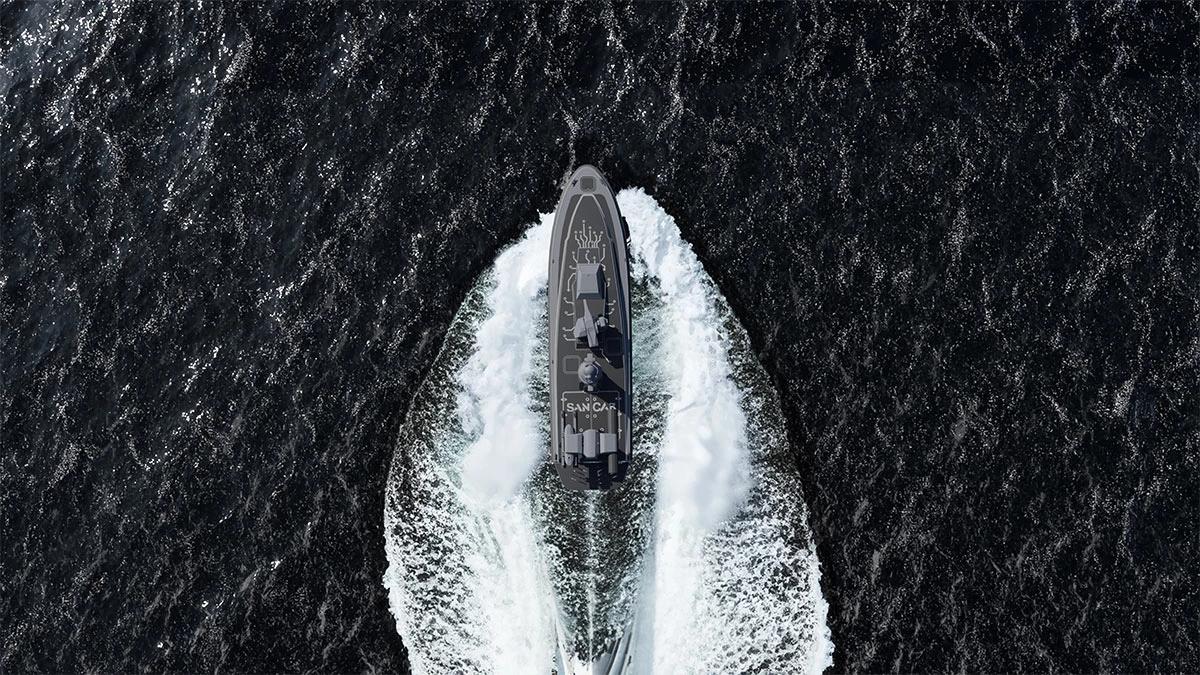
Sancar SİDA (Havelsan)
According to HAVELSAN sources, Sancar is a natural extension of the company’s autonomous systems development efforts. The project leverages domestic expertise in software, mission management, and sensor fusion. Field tests conducted during the product’s development and demonstration phases confirm its alignment with design objectives.
As reported by Anadolu Agency, Sancar demonstrated its armed capability by achieving direct hits on targets during firing trials. Successful firing tests have validated the system’s weapon integration and targeting accuracy for operational use. Reports also confirm that Sancar has been incorporated into the Turkish Naval Forces inventory; this development has elevated Sancar to an active operational platform.
Sancar SİDA Firing Test (YouTube)
Sancar’s primary operational roles are grouped under the following categories:
Beyond these roles, Sancar’s modular design allows rapid adaptation to diverse mission profiles based on operational requirements.
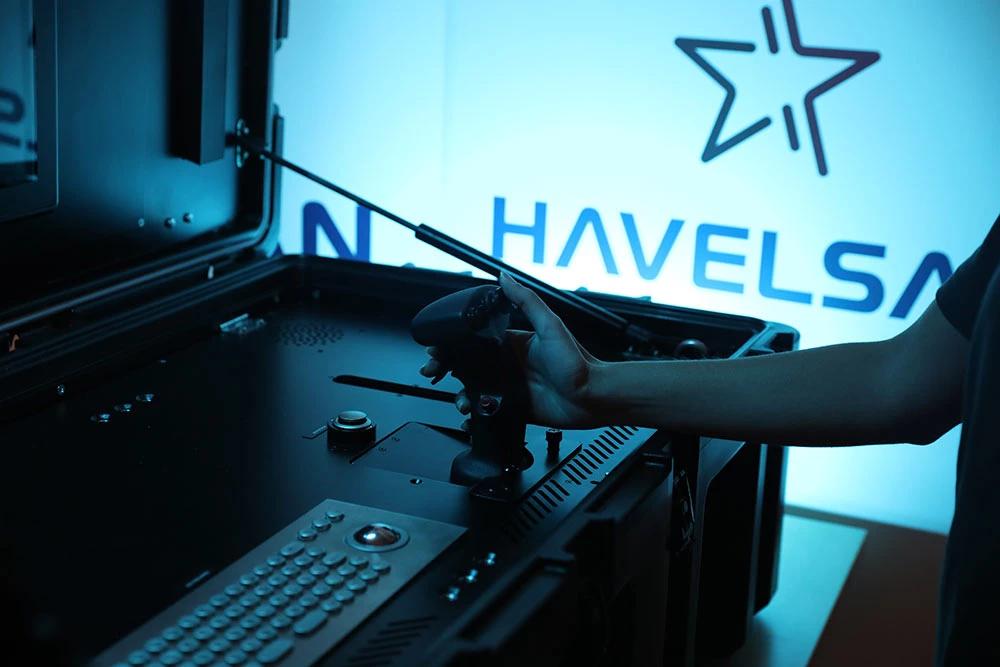
Sancar SİDA (Havelsan)
HAVELSAN’s promotional materials highlight Sancar’s software and network integration capabilities. Mission management software fuses and interprets sensor data to deliver actionable intelligence to command, thereby shortening the decision cycle and enhancing operational effectiveness. Reports and brochures indicate that the platform can integrate with secure communication channels and data links to command-and-control systems. This integration enables centralized coordination of missions from command stations.
Statements regarding the firing tests demonstrate that both the mechanical and software aspects of weapon system integration have been successfully accomplished. Test results provide practical validation of targeting accuracy and the reliability of the fire control system.
Following its development, Sancar is being evaluated for international markets; Anadolu Agency reports mention its potential for entry into the European market. This potential is described as a strengthening factor for Türkiye’s indigenous capability in unmanned maritime systems. Technologically and commercially, Sancar represents the creation of a new product category within the domestic defense industry.
Strategically, Sancar’s entry into service enhances Türkiye’s maritime security capacity and provides new, flexible solutions for the protection of maritime jurisdiction areas. Autonomous, weaponized unmanned surface platforms add tactical flexibility to conventional forces and serve as a deterrent capability.
Anadolu Ajansı. “Sancar SİDA Atış Testini Tam İsabetle Geçti.” AA, Accessed October 12, 2025. https://www.aa.com.tr/tr/savunma-sanayisi/sancar-sida-atis-testini-tam-isabetle-gecti/3686996
Anadolu Ajansı. “Sancar SİDA Mavi Vatanı Koruma Görevi İçin Envantere Girdi.” *AA*, Accessed October 12, 2025. https://www.aa.com.tr/tr/savunma-sanayisi/sancar-sida-mavi-vatani-koruma-gorevi-icin-envantere-girdi/3694153
Anadolu Ajansı. “İnsansız Deniz Araçlarına Avrupa Kapısı Açılıyor.” AA, Accessed October 12, 2025. https://www.aa.com.tr/tr/savunma-sanayisi/insansiz-deniz-araclarina-avrupa-kapisi-aciliyor/3710972
HAVELSAN. "Sancar Broşürü." Havelsan Yayınları, Accessed October 12, 2025. https://www.havelsan.com/uploads/docs/urunler/otonom-sistemler/1721304811_sancar-brosur.pdf
HAVELSAN. "Sancar Silahlı İnsansız Deniz Aracı." Havelsan Ürünler, Accessed October 12, 2025. https://www.havelsan.com/tr/urunler/sancar-silahli-insansiz-deniz-araci
HAVELSAN. "Sancar SİDA: Mavi Vatanı Korumaya Hazır." *Havelsan Haberler*, Accessed October 12, 2025. https://www.havelsan.com/tr/haberler/sancar-sida-mavi-vatani-korumaya-hazir

Impulse System | 2 x Diesel Engine, 2 x Water Jet | ||||||||
|---|---|---|---|---|---|---|---|---|---|
Displacement | 9 tons | ||||||||
Maximum Speed | > 40 knots | ||||||||
Size(s) | 12.7 m x 3.3 m (LxW) | ||||||||
Design and Core Capabilities
Development, Testing, and Entry into Service
Operational Role and Mission Profile
Technical Integration and Software Infrastructure
Export Potential and Strategic Position