


This article was automatically translated from the original Turkish version.
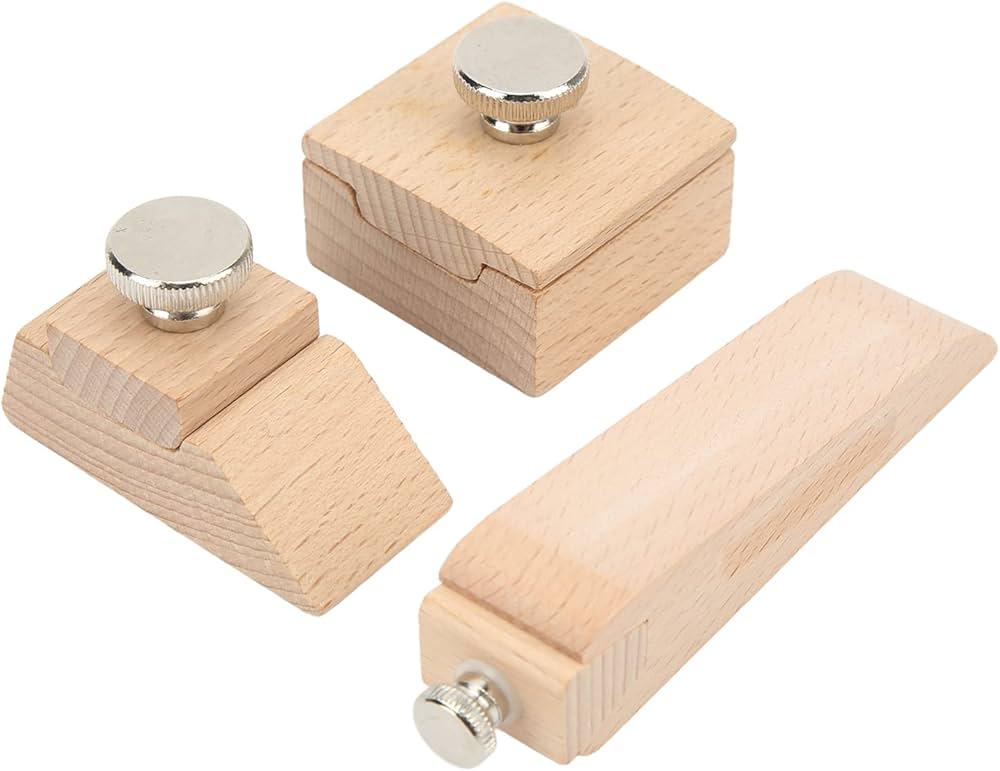
Sandpaper Block
Definition(s) | Balanced and controlled sanding aid carrier block for sandpaper | ||||||||
|---|---|---|---|---|---|---|---|---|---|
Application Area(s) | Wood Interior decoration repairs Automotive surface finishing Plastic Metal | ||||||||
A sanding block is a hand tool designed to facilitate more controlled application of sandpaper for smoothing surfaces and removing imperfections. Typically made from sponge, rubber, or rigid plastic, these blocks enhance contact between the hand and the sandpaper while ensuring more even pressure distribution across the surface. They are widely used in hand-sanding operations on wood, metal, plaster, and plastic surfaces.
Sanding blocks are preferred in situations where machine use is impractical, particularly for small areas or detailed surface work. Rigid or flexible sponge bases improve ergonomics during manual sanding. Some models feature hook-and-loop (Velcro) surfaces, allowing sandpaper to be easily attached and replaced. Wrap-around models involve manually wrapping the sandpaper around the block.
Sanding blocks are commonly manufactured in dimensions such as 70×125 mm and 70×198 mm, designed for comfortable hand grip. Materials typically include sponge, rubber, or polymer-based plastics. They help distribute pressure evenly during sanding, minimizing surface irregularities.
The sanding block provides users with greater control over the sanding process. It reduces hand fatigue, improves surface smoothness, and extends the usable life of the sandpaper. Additionally, it minimizes the risk of over-sanding in sensitive areas such as corners and edges.
MEGEP (MEB). *Motorlu Araçlar Teknolojisi – Yüzey Hazırlama*. Ankara: Milli Eğitim Bakanlığı, 2006. Accessed June 17, 2025. https://www.scribd.com/document/680229812/yuzey-hazirlama

Sandpaper Block
Definition(s) | Balanced and controlled sanding aid carrier block for sandpaper | ||||||||
|---|---|---|---|---|---|---|---|---|---|
Application Area(s) | Wood Interior decoration repairs Automotive surface finishing Plastic Metal | ||||||||
Applications and Construction
Technical Specifications
Advantages