

This article was automatically translated from the original Turkish version.
Name | (Eng. September 11 Attacks - 9/11) 11 Eylül Saldırıları | ||||||||
|---|---|---|---|---|---|---|---|---|---|
Date | 11 Eylül 2001 | ||||||||
Locations | Shanksville Washington D.C. (Pentagon) New York (World Trade Center - North and South Towers) | ||||||||
Perpetrator Organization | El-Kaide | ||||||||
Attack Leader | Usame bin Ladin | ||||||||
Planner | Khalid Şeyh Muhammed | ||||||||
Executing Cadre | 19 hijackers (15 Saudi-2 UAE-1 Egyptian-1 Lebanese origin) | ||||||||
Hijacked Aircraft | American Airlines 11 United Airlines 175 American Airlines 77 United Airlines 93 | ||||||||
Fatalities | 23 NYPD personnel 37 Port Authority Police First responders fatalities: 343 FDNY firefighters United 93: 40 civilians Aircraft passengers and crew: 246 Pentagon: 125 New York World Trade Center: 2,749 Total: 2,973 people (excluding hijackers) | ||||||||
Injured | 10,000+ | ||||||||
Outcomes | Adoption of the USA PATRIOT Act (2001) War on Terror doctrine Rise of Islamophobia Guantanamo detention camp and extraordinary interrogation techniques Establishment of the Department of Homeland Security (2002) Intelligence Reform and Terrorism Prevention Act (2004) | ||||||||
The attacks carried out in the United States on September 11, 2001, are regarded as a pivotal turning point in international relations and security policy. In the attacks, four passenger aircraft were hijacked by members of Al-Qaeda; two were flown into the North and South Towers of the World Trade Center in New York, one into the Pentagon building in Washington, and the fourth crashed in Pennsylvania after passengers intervened. As a result of these attacks, approximately three thousand people lost their lives, thousands were injured, and extensive destruction occurred in various regions, especially in New York.

President Bush’s Historic Speech Using a Megaphone on September 14 (National Archives)
The impact of the attacks extended beyond the United States, triggering profound changes in the global perception of security. The U.S. military interventions in Afghanistan and Iraq under its “War on Terror” policy produced wide-ranging consequences for international law, alliance relations, and regional balances. Moreover, the effects of the attacks on health, the environment, social perception, and cultural production have made it necessary to view September 11 as a multidimensional phenomenon.
The aircraft took off at 07:59 and made its last routine radio contact at 08:14. Shortly thereafter, the cockpit was breached. At 08:19, a flight attendant called United Airlines headquarters to report the hijacking. At 08:21, the transponder was turned off, causing secondary radar tracking to be lost. Around 08:25, Boston Air Traffic Control confirmed the unusual situation, and at 08:38, the Northeast Air Defense Sector (NEADS) was notified.
At 08:46:40, AA 11 struck the North Tower of the World Trade Center; within the same minute, orders were issued for F-15s from Otis Air Base to take off. The fighters launched at 08:53 but were held in holding patterns due to the lack of a specific target vector. Throughout AA 11’s flight, the transponder being off meant that tracking relied solely on primary radar returns; communication between air traffic units and airline operations centers was fragmented and intermittent.
The aircraft departed close to its scheduled time, took off at 08:14, and reached cruising altitude at 08:33. Between 08:42 and 08:46, the cockpit was breached; statements regarding knife use and bomb threats were reported during passenger and crew communications. From 08:47 onward, the transponder code was changed at short intervals. At 08:51, the aircraft deviated from its assigned altitude and did not respond to New York air traffic control calls. At 08:52, a flight attendant informed United’s ground unit that both pilots had been incapacitated and the aircraft was being flown by the hijackers; at the same time, passenger phone calls reported the situation aboard and that the aircraft was heading toward New York.
By 08:58, the turn was completed and the aircraft entered Manhattan; at 09:03:11, it struck the South Tower. During its final approach, rapid changes in altitude and speed were recorded, and a wide-radius turn ensured precise alignment with the target. Despite the fire and smoke affecting visibility around the tower, the flight path remained steady.
AA 77 took off at 08:20 and reached cruising altitude of approximately 35,000 feet by 08:46. Its last routine radio contact occurred at 08:51. Between 08:51 and 08:54, the cockpit was breached; at 08:54, an unauthorized southward turn occurred, and at 08:56, the transponder was turned off. From that moment, the aircraft became temporarily undetectable even on primary radar, and different control centers recorded its status as “lost contact” or “missing.” At 09:25, the U.S. air traffic system implemented a nationwide ground stop. At 09:32, a rapidly approaching primary radar target was detected on Dulles radar.
Around 09:34, it became clear that the target had changed direction over Washington in a wide arc, then descended to low altitude while increasing engine power. At 09:37:46, AA 77 struck the Pentagon. The aircraft’s large semicircular maneuver over the capital was designed to adjust its final approach path and to strike the target at low altitude with high speed. The transponder being off delayed identification and narrowed options for warning and interception.
UA 93 was scheduled to depart at 08:00 but took off at 08:42 due to air traffic congestion. Warnings increased across the sector due to concurrent events; at 09:24, United Airlines’ ground unit issued a warning to the cockpit about a possible cockpit intrusion. The last routine radio contact occurred at 09:27. The hijacking began at 09:28, and physical intervention occurred in the cabin. At 09:41, the transponder was turned off, and the aircraft became visible only on primary radar. Passengers and crew communicated the situation via phone calls to the ground; an organized decision to retake the cockpit was initiated at 09:57.
During this time, irregular fluctuations in altitude and speed were recorded, and sudden movements occurred on the control surfaces. UA 93 crashed at 10:03:11 in a rural area near Shanksville, Pennsylvania. The delayed departure allowed those aboard and the airline’s ground unit to partially learn about the other attacks, influencing the timing of the passenger initiative. Post-event analyses suggested that the aircraft’s intended target may have been one of Washington’s symbolic federal buildings.
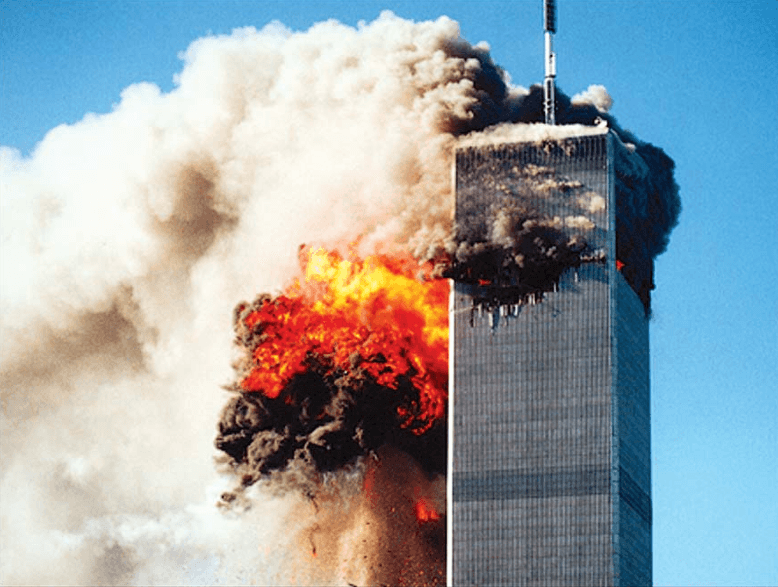
American Airlines Flight 11 struck the North Tower at 08:46:40. The impact occurred on the north face of the tower, between the 93rd and 99th floors. The presence of many people beginning their morning workday in the building intensified the scale of the disaster. The penetration of the fuselage and wings into the steel load-bearing columns caused fractures in the load paths; most of the fuel stored in the wings and fuselage ignited instantly.
The intense heat generated facilitated the ignition of office equipment and interior finishes; fire and smoke spread vertically along elevator shafts and service conduits. In the initial minutes, the nature of the event was not fully understood; however, the speed of the fire spread and the geometry of the impact quickly revealed it to be an attack by an aircraft. Immediate fatalities occurred in the impacted floors, and escape routes for the upper floors were largely blocked.
United Airlines Flight 175 struck the South Tower at 09:03:11. The aircraft approached at a steeper and more oblique angle than the North Tower; the impact occurred between the 77th and 85th floors. While television channels were broadcasting live footage of the first attack, the second aircraft hitting the tower clearly demonstrated that the event was a coordinated operation. The sudden combustion of fuel created a massive fireball on the exterior facade; glass and facade elements were scattered outward.
A significant portion of those on the impact floors died immediately from the impact and its aftermath; escape options for the floors above were severely limited. The oblique impact on the South Tower caused asymmetric damage to some load-bearing elements and uneven fire spread across the floor plan. Wind-driven smoke altered visibility and breathing conditions differently on various facades.
American Airlines Flight 77 struck the west face of the Pentagon at 09:37:46. The aircraft approached at low altitude and high speed, following a profile very close to ground level, and impacted the outer ring. Structural elements at the point of impact suffered severe damage; the ignition of fuel caused a rapid fire spread and intense heat buildup in the first minutes.

Firefighting Operations at the Pentagon After the Impact (National Archives)
The impact created partial collapse and extensive damage in the Pentagon’s outer ring. Although the site was documented with fewer camera recordings than New York, physical damage and debris distribution clearly indicated a direct aircraft impact. Personnel working in the impacted wing suffered fatalities; evacuation and firefighting efforts were conducted simultaneously in other sections of the building.
After the hijackings began, the first reflex in the cabin was to use available phones to inform the outside world. Crew members contacted airline operations centers, reporting details such as the use of cutting tools, injuries, loss of contact with the cockpit, and passengers being moved to the rear of the aircraft. With the transponders turned off, air traffic control lost technical data; this gap was partially filled by cabin reports. Thus, ground coordination centers were able to obtain the first picture of what was happening outside the cockpit on each aircraft.
Communication flow on AA 11 and UA 175 followed similar patterns. On AA 11, flight attendants immediately called the airline after the hijacking began; reports included the use of irritant spray, injuries, and the presence of threatening individuals seated in the front. On UA 175, both flight attendants and passengers informed United’s ground unit that the pilots had been incapacitated, the cockpit had been taken over by the hijackers, and the aircraft was performing unusual maneuvers. Some calls mentioned bomb threats, worsening cabin air quality, and passengers gathering toward the rear. These calls indicated that the cockpit door had been forcibly breached and systematic direction was occurring within the cabin.
On AA 77, external communication was more limited but decisive. According to several cabin reports, cutting tools were used, passengers were moved to the rear, and access to the cockpit was blocked. Immediately after the transponder was turned off, the aircraft’s primary radar trace also intermittently disappeared, delaying confirmation processes for both air traffic units and the airline’s operations center. Nevertheless, the few messages received confirmed that the flight path had been diverted and the cockpit door had been forcibly taken over.
On UA 93, the situation took a different direction. The delayed departure allowed news of the other attacks to reach the cabin; passengers and crew learned of the impacts in New York and Washington through calls with family members and United’s ground unit. This information strengthened the assessment that their situation was part of a coordinated plan targeting ground locations. After the hijacking began, details about the number, location, and methods of the hijackers were compiled; within a short time, consensus emerged on what action to take. At 09:57, passengers began a coordinated effort to retake the cockpit using available means such as service carts and other cabin equipment.
Cockpit audio recordings captured intense movement toward the door, shouting, and sudden control inputs. During this time, it became clear that the hijackers were attempting to prevent the cockpit door from being breached by performing violent maneuvers and abrupt pitch changes. Altitude and speed fluctuated rapidly, and control inputs became erratic. As the struggle continued, UA 93 crashed at 10:03:11 in a rural area near Shanksville, Pennsylvania. Site findings and analysis of flight and cockpit recordings suggest that the passenger initiative prevented the aircraft from reaching its intended target and that the violent maneuvers in the final moments may have caused the aircraft to lose control.
A common thread among all four flights was the decisive role of professional cabin crew reflexes and calm communication. Crew members and passengers transmitted the situation as clearly and concretely as possible through available communication lines, enabling ground units to interpret the unfolding events despite the insufficiency of radar and radio data. Particularly on UA 93, the effort to gather information and conduct a brief assessment enabled a timely and coordinated resistance.
The two towers of the World Trade Center (WTC 1 and WTC 2) were designed to function on the simple principle of “two rings and connecting bridges.” The outer ring behaved like a continuous shell composed of closely spaced steel columns along the facade, carrying most of the wind load. The inner ring formed the “core” containing elevators and stairwells, bearing a significant portion of the vertical loads. Floor slabs extended between the core and the outer shell, acting as “bridges” that linked the two systems, enabling the entire structure to function as a unified whole.
This design assumed that even if some components were lost, loads could be redistributed through alternative paths. This engineering concept of “redundancy” aimed to ensure that if a single column failed, the load could be transferred to neighboring elements. Additional roof-level tie beams strengthened the coordinated behavior of the outer shell and the core. Ultimately, the outer shell acted like a cylindrical structure against wind, the core carried vertical loads, and the floor slabs locked the two systems together.
Flexible interior space use was intended, with wide and easily divisible office areas designed. Lightweight steel beams were used in the floor slabs, topped with concrete slabs to increase rigidity and fire resistance. Vertical circulation was solved using a “sky lobby” system: express elevators carried passengers from main entrances to intermediate sky lobbies, where local elevators provided access to upper floors. Each tower contained multiple stairwell shafts within the core, with fire doors and pressurization measures ensuring continuous escape routes.
Fire safety was addressed through both passive and active measures in accordance with contemporary standards.

Smoke Rising from the World Trade Center (National Archives)
Steel structural members were covered with spray-applied fireproofing (commonly referred to as “fireproofing plaster”) to maintain their strength longer under high heat. Automatic sprinklers, detection and alarm systems, and fire hoses were installed throughout the buildings. This layered approach aimed to protect structural components from heat and support occupant evacuation in the event of a fire.
The possibility of an aircraft striking the building was considered under specific assumptions during the design process. These assessments assumed a collision at low altitude, near landing speed, and with limited fuel load; the anticipated damage was expected to be localized, with firefighting remaining feasible. The goal was to ensure that even if some elements in the impact zone were damaged, the overall structure would remain standing and allow sufficient time for evacuation.
Manufacturing and assembly methods were also considered part of the system. Facade panels were produced in workshops and could be rapidly assembled modularly on-site. Floor beams and connection components were standardized. This approach shortened construction time and facilitated replacement of components during maintenance or repairs.
When the aircraft struck the towers, jet fuel stored in the wing tanks and fuselage was instantly dispersed, creating widespread fire fronts on the impact floors and adjacent levels. This initial ignition phase was extremely violent due to the high volatility of the fuel; thereafter, the fire’s continuity was primarily sustained by office furnishings, furniture, carpets, paper, and plastics.
In areas exposed to high heat, smoke rose rapidly, and elevator shafts and service voids created a “chimney effect,” drawing hot gases upward. Large openings in the outer shell and broken glass increased oxygen inflow due to wind, altering the direction, speed, and temperature of the fire in some sections.
The mechanical impact of the collision also damaged fire safety layers. Spray-applied fireproofing on steel structural members was dislodged in places by the impact and vibrations, leaving bare steel elements that absorbed heat more rapidly. Steel lost a significant portion of its strength and rigidity between 400–600 °C. This loss manifested not as the melting of individual columns but as a gradual reduction in capacity across multiple elements and weakening of interdependent load paths over time.
Floor slabs initially expanded under heat, increasing stress at connection points. As heat exposure continued, metal fatigue and permanent deformation known as “sagging” became prominent; sagging slabs pulled outer shell columns inward. This inward pull distorted the vertical alignment of some facade columns, making them visibly curved inward from the outside. This inward buckling of the tower shell reduced horizontal rigidity and weakened vertical load-bearing capacity.
The situation in the core region became critically different. Some core columns were severed or severely damaged during impact; the remaining columns bore loads exceeding normal design limits. Fire heat also reduced the strength of core elements; additionally, the surrounding floor slabs, due to sagging, disrupted the lateral restraint they exerted on the core. This undermined the “composite action” between the outer shell and the core. Loads could be redistributed through the design’s redundant paths for a time; however, as the fire persisted, this redundancy gradually diminished.
Regarding evacuation and rescue, some stairwell shafts on the impact floors and above were damaged or filled with smoke. Even in open stairwells, heat and smoke made progress difficult; fire doors, pressurization systems, and alarms functioned in some routes but were limited in others due to impact damage. Consequently, evacuation flows continued for lower floors for a long time, while conditions deteriorated rapidly on floors above the impact zone.
An important factor influencing fire development was irregular fuel and oxygen supply. Broken facade panels accelerated fire in some floors depending on wind direction, while in others they caused smoke to pool within the floors. This variability produced situations where one section of a floor heated rapidly enough to collapse, while adjacent sections remained relatively cooler. Thus, damage was patchy rather than uniform; from an engineering perspective, this caused loads to flow in unexpected directions and some connection elements to be overstressed prematurely.
American Airlines Flight 77 struck the west face of the Pentagon at low altitude and high speed. The aircraft, impacting the outer ring of the five-sided building, dislodged portions of steel and reinforced concrete structural elements; the fuselage and fuel advanced inward, igniting fires that extended into adjacent rings. The sudden impact created a wide breach line in the facade; immediately afterward, the ignition of fuel caused rapid temperature increases. The initial heavy heat load and smoke resulted in partial collapse in the impact area.

Structural Damage at the Pentagon (National Archives)
The Pentagon’s concentric ring structure and corridor voids limited the immediate spread of damage throughout the entire building. However, severe fractures occurred in columns and beams along the impact line; some floor slabs lost their load-bearing capacity. The fire was fueled by office furnishings and interior finishes; however, in areas where sprinklers and fire hoses remained functional, the fire’s advance was slowed.
Evacuation and firefighting were conducted simultaneously; personnel working in the impacted wing suffered fatalities. Site investigations showed that the damage resulted from the combined effect of impact and fire; in sections where structural continuity was maintained, progressive collapse was prevented.
United Airlines Flight 93 crashed in a rural area near Shanksville, Pennsylvania, while passengers and crew were executing a coordinated effort to retake the aircraft. After the crash, a deep crater formed in the terrain; debris and personal belongings scattered over a wide area were contained within a security perimeter. Local emergency responders reached the site quickly; the fire was brought under control, and civilian casualties in the surrounding area were prevented. The rural topography and low population density prevented additional ground casualties.
Site investigations were conducted alongside analysis of the flight and cockpit voice recorders (black boxes), phone recordings, and radar data. These findings revealed that information was collected and shared in the cabin after the hijacking; the possibility of targeting symbolic sites in Washington was evaluated on board; and a coordinated passenger initiative was organized in response.
It was determined that shortly before the crash, the aircraft performed violent maneuvers and pitch changes; these maneuvers were assessed as attempts to prevent the cockpit door from being breached. Ultimately, the aircraft disintegrated upon impact in an uninhabited area; identification and evidence collection at the site were conducted meticulously. Assessments indicated that the passenger initiative likely prevented the aircraft from reaching its intended target.
Immediately after the first impact, New York’s emergency response chain activated rapidly; fire, police, and medical units were dispatched in increasing numbers to Lower Manhattan. The area quickly became a multi-agency response site; vehicle and personnel flows were directed through control points on access routes. FDNY units established temporary command posts at the towers’ entrances and ground levels; interior progress was planned floor by floor via stairwells and service corridors. Elevators were largely out of service, slowing vertical access; progress in stairwells affected by impact and fire was partially interrupted.
Scene organization prioritized preventing conflict between incoming responders and outgoing evacuees. NYPD assumed responsibility for perimeter security and separating pedestrian and vehicle traffic; Port Authority personnel supported interior direction and announcement systems as much as possible. Heat and smoke conditions changed rapidly between floors; even in open stairwells, visibility and breathing were sometimes difficult. Nevertheless, controlled evacuation corridors were established in lower and middle floors; triage areas and dispatch points were created in the external environment.

President Bush Watching News of the Attacks with White House Staff (National Archives)
Communication and command and control were among the primary challenges on the scene. Multiple units using the same radio frequencies, combined with partial damage to building repeater infrastructure, created congestion and dropouts in radio traffic. As a result, backup methods such as “floor-by-floor reporting” and messenger-based confirmation were implemented between interior progress teams and external command elements. Teams established rest and regrouping points based on floor heights; oxygen and water resupply and shift changes occurred at these intermediate points.
Firefighting initially focused on controlling localized fire zones and monitoring smoke movement. Large openings in the tower facades increased oxygen inflow due to wind, accelerating fire spread in some floors. Progress was slowed in areas where sprinklers and wet systems functioned; however, near the impact zones, damage to piping and valves caused localized drops in water pressure. This situation required continuous reassessment of personnel positions and withdrawal thresholds.

U.S. Navy Personnel Learning of the Attacks (National Archives)
The collapse of the South Tower at 09:59 and the North Tower at 10:28 fundamentally changed scene priorities. Numerous personnel and civilians inside the towers were directly affected; the external environment became threatened by dense dust clouds and falling debris. After the collapses, the response shifted from a focus on “interior firefighting” to “debris search and rescue and site security.” Heavy machinery, search dogs, and manual probing methods were used together; incremental progress through debris was preferred, with attention to new collapse or shifting risks. The heat and smoke from the debris determined the duration and intensity of work shifts; teams were rotated on a shift basis.
Logistics and support lines ensured sustainability on the scene. Temporary storage points were established for water, medical supplies, personal protective equipment, and heavy rescue gear; volunteer flows were registered, directed, and screened before assignment. Nearby hospitals gradually increased capacity; blood donation and psychosocial support lines were activated. Bridges and tunnels were subject to controlled access for critical periods; the incident command post was relocated to a larger, safer area over subsequent hours to strengthen inter-agency coordination.
Secondary hazards were continuously monitored for scene safety. Structural instability, suspended heavy elements, hot spots, sharp metal and glass fragments, and air quality forced responders to use personal protective equipment. Masks and eye protection became standard practice to reduce health effects from dust and smoke. By the end of the first day, a multi-agency, multi-layered crisis management system was established on the New York scene; search and rescue, firefighting, medical logistics, and security functions were restructured to complement each other.
Immediately after the impact, Arlington County Fire Department and neighboring district units arrived at the scene and quickly established a unified command structure. Priority was clearly defined: evacuation of personnel inside the building, fire control, and structural stabilization of the impact zone were conducted simultaneously. The Pentagon’s concentric ring structure and corridor voids prevented heat and smoke loads from spreading instantly throughout the entire mass; however, intense heat, fuel-fed fires, and structural damage along the impact line complicated the response.
In scene organization, security perimeters were established around the impact area due to collapse risks; access was restricted to structural engineers and search and rescue teams after risk assessments through controlled corridors. Foam units and water lines were used together; fuel pools were smothered with foam while internal heat buildup was monitored using thermal cameras. Sprinklers and fire systems that remained functional slowed the fire’s advance; however, pressure losses occurred locally in damaged lines. Evacuation areas were supported by triage stations established near the helipad and parking areas; injured individuals were prioritized for transport to nearby hospitals.

Rescue Operations and President Bush (National Archives)
Command and control and security formed the core of the response. Military units worked within the unified command structure alongside fire and medical teams; measures were implemented against secondary device threats, including bomb disposal and CBRN (chemical, biological, radiological, nuclear) monitoring. In the initial hours, internal progress was intermittent due to partial collapse and high heat in the impact zone; while fire was controlled, structural stabilization measures such as shoring and damage monitoring continued. Field data enabled the incident management to coordinate search and rescue, firefighting, and evidence preservation under a single umbrella within a short time.
Upon United 93’s crash in a rural area, local volunteer fire departments and emergency medical teams reached the site within minutes. The impact created a deep crater in the rural topography and limited-scale fires in the surrounding area; low population density prevented additional ground casualties. Initial response focused on fire containment, securing the site within a security perimeter, and restricting civilian access. Within a short time, the incident site was transferred to federal investigative units; flight recorder recovery, grid-based debris scanning, and evidence preservation procedures were standardized.
Regarding environmental risks, containment barriers and collection ditches were implemented against fuel residues and surface runoff; air and water quality measurements were initiated. The fire was brought under control with initial response efforts; localized water and foam applications were sufficient. Movement around the site followed a one-way entry-exit principle; the location and assignment of every team entering the site were recorded. Thus, evidence integrity was preserved, and a smooth information channel was established between local and federal authorities.
In both locations, the common feature of the first hours was the balance between life safety, fire control, and evidence preservation. At the Pentagon, structural safety measures to reduce internal risks were prioritized; at Shanksville, the systematic and layered collection of debris scattered over a wide area was emphasized. This approach enabled uninterrupted progress in subsequent rescue/recovery and official investigations.
In the September 11, 2001 attacks, 2,973 people lost their lives in the United States, excluding the hijackers. In New York, 343 members of the New York Fire Department (FDNY), 37 members of the Port Authority Police Department (PAPD), and 23 members of the New York Police Department (NYPD) were killed. This toll remains the highest loss of life in a single hostile act on U.S. soil.
The New York authorities officially recorded 2,749 civilian deaths at the World Trade Center (WTC) complex; this figure includes building occupants, passengers and crew on the aircraft, and civilians in the surrounding area. The same study projected an estimated total of 17,560 people in the two towers at the time of impact; 15,410 of them evacuated, and WTC “building occupant” fatalities were estimated between 2,146 and 2,163. This discrepancy arises from the inclusion of aircraft passengers and crew, first responders, and civilians in the WTC total who were not counted in the building’s occupancy figures.

Firefighters During Rescue Operations (National Archives)
Evacuation dynamics determined the pattern of casualties. According to NIST data, as of 08:46, there were 8,900 ± 750 people in WTC 1 and 8,540 ± 920 in WTC 2. In WTC 1, 7,470 people (approximately 84%) were rescued, and 1,462–1,533 died. In WTC 2, 7,940 people (approximately 93%) were rescued, and 630–701 died. In both buildings, over 99% of those below the impact floors were evacuated. The 16-minute interval between the two impacts allowed approximately 3,000 lives to be saved in WTC 2 through controlled elevator use and self-initiated evacuations.
Survivors above critical thresholds were limited. In WTC 1, stair and elevator routes above the 91st floor were severed; helicopter evacuation was impossible. In WTC 2, approximately 75% of those above the 78th floor at the time of impact had descended below the 78th floor before the impact; after the impact, at least 18 people on or above the 78th floor were able to descend using the heavily damaged “Stairwell A” (one of these 18 later died from injuries). A group of 12 firefighters, one PAPD officer, and three civilians trapped in “Stairwell B” survived the collapse of the North Tower.
At the Pentagon, 125 people lost their lives due to American Airlines Flight 77’s impact; additionally, all 64 people on the aircraft (including the hijackers) died. 106 injured individuals were transported to hospitals. In the overall September 11 toll, the 184 people killed at the Pentagon represent the total of civilian and military personnel, including those on the aircraft.
On United Airlines Flight 93, which crashed in Pennsylvania/Shanksville, there were 44 people: 37 passengers (including 4 hijackers) and 7 crew members. A total of 40 civilians (passengers and crew) lost their lives.

Civilians Observing the Rescue Operations (National Archives)
Overall, nearly all those below the impact floors in the WTC were able to evacuate; however, the collapse of access routes and fire/heat conditions in the impact zones and above determined the areas of concentrated fatalities. The time interval between the impacts allowed tens of thousands in WTC 2 to move and evacuation to accelerate; limited elevator use and self-initiated evacuations increased the number of survivors. However, in the North Tower, no life corridor was opened for those above the 91st floor; in the South Tower, only a small number of people above the 78th floor were able to descend using the single damaged stairwell.
As it became clear within minutes that the attacks were multi-point and simultaneous, federal-level crisis communication was centralized, and operational decisions were implemented in coordination. The White House, in its initial assessments during the day, defined the event as a terrorist attack and urged the public to follow official announcements and security unit instructions.
Top officials of defense and homeland security agencies maintained continuous contact with civil aviation and judicial units to sustain information flow; the president’s daily schedule was shaped according to the needs of this crisis management. The communication channel was structured to provide a unified information line supporting operations at the New York, Pentagon, and Shanksville scenes.

Mailbox with Names of the Missing from September 11 (Library of Congress)
Airspace management became the defining issue of the first hours. The FAA’s Command Center in Herndon implemented a nationwide ground stop order at 09:25; processes were initiated to fully clear the airspace. Civil aviation activity was suspended later that day, and the national airspace remained closed until new security requirements were established.
The Department of Transportation initiated a phased reopening process for airports on September 13, 2001, after completing security measures. During this period, interaction between NORAD and civil aviation units operated under extraordinary pressure; some fighter jets were placed on standby, air patrols were conducted over critical areas, and uncertainties created by multiple hijacking scenarios increased risks of delays and false alarms in civil-military communications.
Official statements during the day emphasized that the investigation would proceed as a terrorist crime and that the sites were secured with evidence integrity maintained. Security levels were raised in the capital and key federal facilities; additional measures were implemented at airports and transportation hubs nationwide. Public information campaigns provided clear and updated guidance on health services, blood donation, volunteer coordination, and supply chains; regular briefings were held to limit the spread of misinformation.
In the evening address to the nation, the scope and nature of the attacks were summarized, and the course of the investigation and security priorities were shared with the public. In subsequent days, speeches emphasized that a long-term and determined struggle would be waged against the threat, not only against the perpetrators but also against any structures harboring or supporting them.
By the end of the day, the federal decision chain had solidified around rapid airspace clearance, maintaining airspace closure until new security measures were in place, ensuring uninterrupted communication between defense, civil aviation, and judicial units, and adopting a clear, unified public information strategy by the president and senior officials. This framework was later expanded through political and legal steps; operations on the ground, investigations, and public communication became an integrated crisis management system.
In the first weeks after the attacks, the most commonly reported symptom among emergency responders in New York was a new and persistent cough; this condition later became known as “WTC cough.” The syndrome is defined by persistent cough developing after exposure at the site, accompanied by respiratory symptoms requiring at least four weeks of absence from work. In the early phase, obstructive airway disease, airway hyperreactivity, air trapping on imaging, bronchial wall thickening, as well as reflux, chronic rhinosinusitis, and post-traumatic stress symptoms accompanied this condition.
The majority of those developing WTC cough were part of the high-exposure group who were directly exposed to the dust cloud on the morning of September 11 and present at the site within the first 48 hours. These findings were rapidly documented thanks to FDNY’s (New York Fire Department) ongoing occupational health monitoring since before September 11; regular surveys, laboratory tests, spirometry, and lung imaging were initiated for approximately 16,000 rescue and recovery workers. These studies more robustly demonstrated the statistical link between the post-September 11 conditions and exposure.
The dose-response relationship of exposure was reflected in respiratory tests. Measurements conducted in the months following September 11 showed pronounced airway hyperreactivity in the high-exposure group, particularly those who arrived at the site in the morning; according to methacholine provocation tests, this group had a higher likelihood of airway hyperreactivity even six months later, and this condition persisted for up to 12 months. More importantly, FDNY workers showed that airway hyperreactivity could be permanent even 10–12 years later. This persistent airway sensitivity manifested clinically with symptoms such as cough, chest tightness, and exertional dyspnea.

The Moment the Twin Towers Collapsed in a Single Photograph (Library of Congress)
In lung function measurements (spirometry: FEV₁: forced expiratory volume in one second), significant declines were recorded in the first year after September 11: among non-smoking FDNY personnel, firefighters experienced an average decline of −439 mL, and emergency medical services (EMS) personnel experienced −267 mL. No significant recovery was observed over the following 6–7 years; cumulative loss during 2001–2008 reached approximately 592 mL for firefighters and 504 mL for EMS workers. Annual loss rates during 2002–2008 were approximately 26 mL/year for firefighters and 40 mL/year for EMS workers.
This pattern showed that, unlike the typical recovery seen after conventional fire-smoke exposure over days or weeks, intense exposure to WTC dust could cause long-term functional loss. Additionally, while some workers showed partial recovery over monitoring years, a subgroup experienced accelerated FEV₁ decline sustained over years; this condition was defined as a phenotype called “WTC lung injury (WTC-LI),” characterized by FEV₁ falling below the lower limit of normal.
The nature of exposure and dust composition explained the basis of this persistent effect. WTC dust was a mixture with high alkalinity, dominated by coarse particulate fractions and inorganic components, metals, asbestos, hydrocarbons, and other substances. Normally retained in the upper airways, coarse particles, under conditions of intense and sudden exposure and increased respiratory effort, penetrated both upper and lower airways, resulting in combined upper airway (rhinosinusitis, voice hoarseness) and lower airway (obstructive pattern, hyperreactivity) manifestations.
In scope, the James Zadroga 9/11 Health and Compensation Act, enacted in 2011, established the World Trade Center Health Program (WTCHP); health monitoring and treatment were consolidated under one umbrella to include rescue workers beyond FDNY, neighborhood residents, and local employees. Today, tens of thousands of people are monitored and treated under this program due to WTC-related health conditions.
Among the first responders and the broad group of volunteers involved in cleanup and debris removal, health problems associated with exposure showed a marked clustering. Thanks to FDNY’s pre-September 11 occupational health monitoring infrastructure, regular examinations, laboratory tests, spirometry, and lung imaging were immediately initiated for a cohort of approximately 16,000 individuals, enabling comparison of new diagnoses with pre-9/11 conditions. The Zadroga Act, enacted in 2011, established the World Trade Center Health Program (WTCHP); it expanded the FDNY program to include non-FDNY responders, local residents/employees, and personnel from the Pentagon and Shanksville sites. Today, tens of thousands of people are monitored under this program for 9/11-related diagnoses.
Occupational illnesses focused on the respiratory and “aerodigestive” systems: chronic rhinosinusitis, gastroesophageal reflux disease (GERD), obstructive and interstitial lung diseases, and sleep apnea were identified from the early years. The condition known as “WTC cough” was defined as a syndrome requiring at least four weeks of work absence due to persistent cough and associated symptoms developing after exposure; nearly all cases involved individuals who arrived at the site within the first 48 hours and were directly exposed to the dust cloud. This syndrome was accompanied by obstructive airway disease, airway hyperreactivity, air trapping and bronchial wall thickening on CT, GERD, chronic rhinosinusitis, and PTSD.
Airway hyperreactivity and FEV₁ loss were the clearest indicators of the exposure-response relationship. Tests immediately after the event detected obstruction and hyperreactivity; particularly among those present at the site that morning, the risk of hyperreactivity according to methacholine provocation tests increased more than sixfold within the first six months. This condition persisted for 12 months and even became permanent in a subgroup 10–12 years later. In the first year, FEV₁ declined by an average of −439 mL for firefighters and −267 mL for EMS personnel; despite pre-9/11 normal values, recovery was limited in subsequent years, and a phenotype called “WTC lung injury (WTC-LI)” was defined.
Early clinical studies showed that firefighters with WTC cough had prominent air trapping and bronchial wall thickening on chest CT, with physiological findings consistent with obstruction dominating. The same study reported that the syndrome occurred in approximately 3% of the general workforce and approximately 8% among those present at the site during the collapse; in most cases, it was accompanied by dyspnea, chest discomfort, GERD, and upper airway symptoms.
Sleep disorders also became part of the occupational spectrum. Among the 11,701 FDNY workers exposed in the first two weeks after September 11, 44% were found to be at high risk for obstructive sleep apnea (OSA) according to screening scales; among those who underwent polysomnography, 81% received an OSA diagnosis. As exposure levels increased, the likelihood of severe OSA also increased; in the highest exposure group, the odds ratio for severe OSA was calculated at 1.91. OSA was found to coexist with other WTC-related syndromes such as GERD, chronic rhinosinusitis, and PTSD.

Firefighters Attempting to Fight the Fire (Library of Congress)
In the realm of inflammatory and systemic diseases, an increase in sarcoidosis incidence was reported; extrapulmonary involvement with cardiac and bone/joint effects defined “unusual phenotypes.” These findings suggested that inflammation related to WTC exposure was not limited to the lungs. Cancers and cardiovascular outcomes were also part of long-term monitoring. In the nearly 20-year period, lung cancer incidence appeared initially lower than in the general population, possibly due to lower smoking rates and the long latent period of solid tumors.
Conversely, it was shown that lung cancer screening in 9/11-exposed groups could be inadequate under classical risk rules, and model-based screening approaches could identify additional cases. Regarding cardiovascular diseases, those with the highest exposure experienced more frequent outcomes such as myocardial infarction, stroke, and revascularization.
Psychiatric effects became an inseparable dimension of the occupational illness spectrum. PTSD, anxiety, and depression were identified among rescue workers and volunteers; these conditions were shown to coexist with respiratory syndromes. Particularly among those diagnosed with WTC cough, concurrent PTSD was reported. This pattern demonstrated that exposure created a professional risk profile with both physical and psychological layers.
The unique nature of exposure—highly alkaline dust dominated by coarse particles, inhaled intensely and rapidly—affected both upper and lower airways simultaneously. The intense physical exertion at the site increased respiratory demand; particles normally expected to be trapped in the nasopharynx easily reached distal airways. This physical-chemical reality provided a fundamental framework explaining why workers faced “multiple syndromes.”
The dust-smoke mixture that emerged after the attacks in Lower Manhattan entered homes, schools, and indoor spaces, showing a density gradient dependent on wind direction and distance. Short-term “peak” values were even observed during nighttime hours in the early days. This environment heightened sensitivity among children, the elderly, those with respiratory or heart conditions, and pregnant women. The contribution of resuspended dust in indoor environments to total exposure was assessed. During the same period, the dense diesel exhaust from debris removal vehicles increased the pollutant load; fires at the site continued until December 20, 2001.
Comparative field studies among residents of the area found that 2,166 individuals living within a 1.6 km radius of the World Trade Center were evaluated against a comparison group living farther away. Among previously healthy nearby residents, newly developed respiratory symptoms such as cough, wheezing, and dyspnea were more common. These symptoms did not reflect in lung function tests among a small subgroup that underwent spirometry; in other words, a symptom-test discrepancy was observed. Among those with pre-existing asthma, symptoms increased and medication use rose. This pattern was consistent with general environmental measurements showing that exposure decreased with distance and time.
Regarding the child population, it was recorded that approximately 3,000 children lived within 1 km of the towers at the time of the attacks and that 5,500 students attended schools in the area. The presence of pollutants in indoor environments such as schools and homes created an exposure pattern that could affect children’s lungs and upper airways. Medical and psychosocial monitoring revealed PTSD responses in New York children; psychological counseling services for Manhattan children were further analyzed. These studies demonstrated that mental health, as much as physical health, required monitoring.
For pregnant women, two complementary prospective cohort studies were conducted. In the Mount Sinai cohort (n=187), pregnant women who were inside the towers or within 10 blocks on September 11 were followed; a comparison group of 2,367 women who gave birth in the hospital during the same period without exposure was included. No significant differences were found in average gestational age or average birth weight; frequencies of preterm birth and low birth weight were also not different between groups.
However, the frequency of small-for-gestational-age (SGA) babies (an IUGG indicator) was twice as high among the exposed group (approximately 8.2% compared to 3.8%). This increase persisted even after controlling for maternal age, parity, ethnic origin, baby’s sex, and smoking history. In the Columbia University sample, birth weight, height, head circumference, and Apgar scores were similar; however, gestational age was on average approximately 1.6 days shorter among the exposed. The most likely biological mechanisms for the SGA increase were maternal exposure to fine particulate matter (PM) and polycyclic aromatic hydrocarbons (PAHs); no association was found between reported stress levels and SGA.

A Poster After September 11 (Library of Congress)
In the follow-up of these mother-child cohorts, infants’ growth indicators and early cognitive development were tracked using standardized assessments (e.g., Fagan and Bayley scales). At the end of the first year, mothers were re-interviewed by phone; changes in feeding, breastfeeding, hospitalizations, and environmental factors were recorded. Cognitive assessments were completed for 159 infants at nine months; Bayley tests were administered at one year. Follow-up was planned to continue until at least age three. In this way, the effects of exposure during pregnancy were extended beyond birth to early childhood.
Overall, the health effects on the local population exhibited a gradient along the exposure intensity-distance-time axis. Community exposures were lower than those of first responders, but newly developed respiratory symptoms increased in the immediate vicinity; individuals with pre-existing respiratory conditions experienced increased consultations and medication use. The detection of increased SGA risk in pregnant women confirmed the sensitivity of the mother-fetus pair to environmental pollutants. Therefore, community health monitoring, indoor cleaning, and risk communication were integrated into long-term institutional programs; tens of thousands of people were enrolled in the World Trade Center Health Program.
The collapse of the towers produced a unique contaminant mixture in Lower Manhattan. The inorganic component of the settled dust contained metals, ionic species, radionuclides, and asbestos; the organic component included PAHs, PCBs, dioxins and furans, pesticide residues, phthalate esters, brominated diphenyl ethers, and various hydrocarbons. All samples were distinctly alkaline, with pH measurements ranging from 9.0 to 11.0. Asbestos content by mass ranged from 0.8% to 3.0%; lead levels were reported between 101 and 625 ppm. Morphologically, fibrous structures (mineral wool, glass fibers, asbestos, wood-paper-cotton fibers) and coarse cement particles dominated.
Size distribution favored the “coarse fraction”: >95% of the mass consisted of particles with an aerodynamic diameter greater than 10 µm; the PM2.5 fraction constituted only 0.88–1.98% of the total mass. As particle size decreased, alkalinity decreased, and the smallest fraction approached a more neutral character. In elemental distribution, chlorine was more concentrated in PM2.5 (indicative of high-temperature plastic combustion), Sb/Al/Ti/Mg in the PM10–53 range, and Fe/Zn/Ca in both PM2.5–10 and PM10–53 fractions. This pattern showed the combined effect of building-material-derived coarse particles and combustion-derived fine fractions.
Over time, the environmental pattern followed several phases. In the first days, PM2.5 levels exceeded urban background levels significantly; during stagnant wind and temperature inversion conditions, peaks occurred at night and decreased during rainy days. As fires subsided, levels approached background levels by mid-October; however, demolition and debris removal activities continued to sustain coarse dust in the air until December. The entry of numerous cranes, trucks, and heavy equipment into the site made diesel exhaust an additional pollution source; the acrid smoke-dust mixture persisted until the fires were fully extinguished on December 20, 2001.
Dioxins and similar chlorinated compounds reached unusual levels due to PVC use in the WTC. Measurements near Ground Zero between September 23 and late November reported levels of 10–>150 pg TEQ/m³; a few blocks away, levels were 1–10 pg TEQ/m³; by December 2001, levels had declined to urban background levels. Initial risk assessments predicted that these increases would not result in a significant rise in cancer or non-cancer risks; however, the necessity of long-term monitoring was emphasized.

Smoke Rising from the City After the Attack (NASA)
Asbestos became the focus of public concern. Chrysotile asbestos was used as fire insulation up to the 40th floor of the North Tower; hundreds of tons were released on September 11. In screening studies examining over 10,000 ambient air samples using TEM/PCM, some early measurements exceeded the TEM clean threshold (70 fibers/mm²); subsequent days saw values fall within EPA standards. No worker exposure exceeding OSHA’s 8-hour TWA standard was detected, but short-term peak exposures at the debris site were suspected. Asbestos content in settled dust ranged from 0.8% to 3.0%; indoor dust in nearby apartments sometimes showed higher values than outdoor levels. This suggested that cumulative exposure from delayed indoor cleaning in residences could be a significant component.
Regarding metals, intermittent elevations of lead and chlorine as trace elements were observed near the collapse site until mid-October; calcium, however, became prominent especially during October–November. Atmospheric lead levels rose initially but did not reach levels posing a sustained high risk. In settled dust, lead content was recorded between 101 and 625 ppm.
Effects on residential areas in Lower Manhattan were multilayered. The dust-smoke mixture entered homes and schools; particularly, resuspension of settled dust prolonged indoor exposure. Indoor dust sometimes showed higher asbestos concentrations than outdoor levels. Nearby residents reported increased new-onset respiratory symptoms such as cough, wheezing, and dyspnea; however, spirometry abnormalities were not detected in small sampled subgroups. Residents with pre-existing asthma experienced increased symptoms and medication use. Outdoor EPA cleanup efforts and rainfall gradually reduced the burden; however, diesel exhaust from the site and demolition activities negatively affected air quality intermittently until December 2001.
Long-term monitoring was institutionalized. Supported by NIEHS, a multi-institutional research network conducted a comprehensive monitoring program through ambient air measurements, indoor/outdoor settled dust analyses, high-altitude imaging and modeling, experimental inhalation studies, and community/workforce cohorts. Findings clarified the exposure-time-distance gradient and strengthened the link between the “high alkalinity-coarse fraction-combustion-derived fine fraction” triad and health effects.
In summary, the post-attack environmental profile consisted of a mixture of highly alkaline, coarse-grained, building-material-dominated dust, combined with combustion-derived fine particles and organic contaminants, gradually declining over time. Despite the rapid decline, indoor accumulation and resuspension prolonged exposure in some homes and workplaces.
The perpetrators of the attacks were members of Al-Qaeda operating within a hierarchical structure. The organization’s leader, Osama bin Laden, made the decision to carry out the attacks and outlined the political-strategic framework. Khalid Sheikh Mohammed (KSM) led the operational design and execution; due to his prior work on projects targeting civil aviation, he transformed the idea of using aircraft as weapons into a systematic operational plan.
Within the organization’s military wing, Muhammad Atif (Abu Hafs al-Masri) oversaw security and operational preparations; figures such as Mustafa al-Hawsawi and Ali Abdulaziz Ali (Ammar al-Baluchi) managed financial and logistical channels for funding and supply flows from Europe and the Gulf. Ramzi bin al-Shibh served as the communication link between the Hamburg cell and the Afghanistan core; although he was unable to join the pilot team due to visa denial, he played a key role in coordinating money transfers, travel, and communications. The early 2000 Kuala Lumpur meeting and discussions in Afghan camps were turning points in the maturation of the team and the assignment of roles.
The operational team consisted of 19 individuals: four were pilot-hijackers, and fifteen were designated as “muscle” support members. The pilot team comprised Mohamed Atta (AA 11, Egyptian), Marwan al-Shehhi (UA 175, of UAE origin), Hani Hanjour (AA 77, Saudi Arabian), and Ziad Jarrah (UA 93, Lebanese). These four individuals joined camps in Afghanistan between 1999 and 2000, directly consulted with senior leadership regarding the scope and targets of the plan, and were assigned to receive civil aviation training in the United States.
Atta, al-Shehhi, and Jarrah met in Hamburg, Germany, and progressed through the process together; Hani Hanjour was integrated into the plan due to his prior experience beginning flight training in the U.S. The “muscle” team was primarily composed of Saudi Arabian nationals, entering the U.S. in waves during the spring and summer of 2001, undergoing basic training in close combat and knife use, and being familiarized with the site through short domestic trips before being assigned to target flights.
The planning and logistics funding were conducted with low visibility. Funds totaling several hundred thousand dollars were mobilized through channels extending from Afghanistan-Pakistan to the Gulf; money was primarily transferred to U.S.-opened student/personal accounts via bank wire transfers, travel checks, and cash transport methods through the United Arab Emirates.
Hotel, vehicle, flight school, and ticket expenses were covered by these accounts. Remaining balances were repatriated to the Gulf at the beginning of September. This financial flow was conducted with limited personnel and transactions; money movements were distributed across small amounts and different city banking activities to avoid attention. Communication relied on internet cafes, prepaid phone cards, and brief face-to-face meetings; correspondence used calendar codes and “daily” keywords.
Flight training and operational preparation proceeded in two sequential phases. The pilot team enrolled in various flight schools, primarily in Florida, progressing from single-engine piston aircraft to twin-engine and simulator training, focusing in 2001 on the cockpit layout and cruise/autopilot logic of large passenger aircraft. Hani Hanjour, who had attended civilian flight schools in Arizona since the mid-1990s, refreshed his familiarity with the 757/767 cockpit layout and flight management systems during the planning phase.
The “muscle” team was directed toward several days of close combat training, instruction on knife and cutting tool use, techniques for rapidly controlling passengers and crew in the cabin, and methods for forcibly taking over the cockpit door. Seat selections prioritized the front rows near the cockpit; groups were distributed across flights in five- or four-member teams.

Flag Hung at the Pentagon in Memory of September 11 (Pentagon)
The visa and travel network was one of the plan’s vulnerable links. A significant portion of the team entered the U.S. on B-1/B-2 tourist/business visas; entries and exits were often via the UAE. The pilot team’s settlement in the U.S. was completed by the mid-2000s; the majority of the “muscle” team arrived between March and August 2001. Within the U.S., a “daily life” appearance was maintained through addresses and bank accounts in Florida, New Jersey, Virginia, and Arizona; rental vehicles, short-term hotel stays, and flight practice sessions were used for final preparations. Atta and al-Shehhi attended simulator and ground classes in shifts at flight schools in Florida; Jarrah reinforced his “navigation-radio” skills with additional flight hours; Hanjour focused on large aircraft systems.
Targets and role assignments were finalized no later than the summer of 2001. The two New York targets were chosen as 767-type aircraft due to their flight range, fuel capacity, and visual reference ease. The Washington target was assigned to 757 aircraft due to their cabin layout and schedule advantages; the fourth aircraft’s mission was designated to target another symbolic site in the capital.
Seat plans anticipated congregating near the cockpit shortly after takeoff, with two or three individuals controlling the rear cabin and one person managing the crowd. Cutting tools and sprays were smuggled into the cabin by exploiting security screening gaps. In the final week, short domestic flights were conducted as “final rehearsals”; on the night of September 10–11, teams stayed separately in their respective cities.
The perpetrators’ national composition was predominantly Gulf-based. Fifteen of the nineteen perpetrators were Saudi Arabian citizens; two were from the United Arab Emirates, one from Egypt, and one from Lebanon. The pilot team was selected from profiles with training and relatively long-term international exposure; the “muscle” team was formed from individuals who could be trained briefly to carry out violence and control duties in the cabin.
Three members of the Hamburg cell (Atta, al-Shehhi, Jarrah) radicalized in European university and professional circles; they established direct contact with the organization’s leadership in Afghan camps and were included in the “aircraft plan.” Early arrivals in San Diego and Virginia, such as Nawaf al-Hazmi and Khalid al-Mihdhar, handled daily tasks like establishing residence and obtaining driver’s licenses in the plan’s preliminary phase; they later joined the Washington team.
Secrecy was maintained until the day of the attack. Ticket purchases were mostly completed at the end of August and beginning of September; the rule of boarding multiple flights on the same day was not adopted, and each team focused on its own target route. On the morning of the attacks, teams traveled separately to the airports, passed through individual security checkpoints, arrived early at the gates, and gathered near the cockpit seats shortly before departure. Shortly after takeoff, forced entry into the cockpit was initiated; threats and cutting tools were used to break cabin resistance; after the pilots were incapacitated, the aircraft were directed by the hijacker-pilots toward their targets.
The organizational traces of the attacks were confirmed in subsequent years through testimonies, documents, and financial transactions. Meetings with senior leadership in Afghanistan, the distribution of funds via the Gulf, travel cycles along the Hamburg–Karachi–Dubai–U.S. route, flight school enrollments and simulator sessions, hotel–vehicle–phone records, and electronic correspondence formed a coherent whole.
A significant portion of the perpetrators died on the day of the attack; among senior planners, KSM was captured in 2003, Ramzi bin al-Shibh and Mustafa al-Hawsawi were taken into custody, and Osama bin Laden was neutralized in 2011. Thus, the perpetrators’ organizational hierarchy, along with the operational cadre–planning core–finance–logistics lines, was concretely established through both site evidence and subsequent investigation processes.
Immediately after the attacks, the U.S. administration adopted a broad strategic narrative that viewed the threat as extending beyond specific organizations and framed it within the “War on Terror.” This approach, articulated in the 2002 National Security Strategy and subsequent documents, emphasized the principle of “preemptive intervention”; based on the assumption that Cold War deterrence and containment doctrines were inadequate against new threat types, proactive action against states perceived as linked to terrorist organizations was legitimized. During this period, the NATO Council adopted a decision to invoke Article 5 of the Washington Treaty; initiatives such as “Operation Eagle Assist” were implemented under alliance support. Thus, the U.S. response was embedded in a multi-layered framework extending from domestic security to foreign policy and alliance mechanisms.
In domestic security, the most visible transformation was the establishment of the Department of Homeland Security (DHS) in 2002 and the reorganization of transportation security. The Aviation and Transportation Security Act, adopted in November 2001, established the Transportation Security Administration (TSA); this was followed in 2002 by the Maritime Transportation Security Act and the Homeland Security Act. The 9/11 Commission report emphasized that this rapid expansion required resources to be allocated based on risk, integrated planning across sectors, and long-term technological investments (e.g., container scanning). In this context, DHS was expected to establish a “prioritization and accountability” regime integrating its scattered responsibilities in critical infrastructure protection, border security, and emergency preparedness.

Coast Guard Documenting the Twin Towers Attack (United States Coast Guard)
Legally, Congress’s initial response to the attacks was the USA PATRIOT Act. The Commission noted that some controversial provisions of this law were subject to “sunset” clauses, while many other provisions contained updates that adapted to the surveillance conditions of the digital age and facilitated inter-agency information sharing. The same report emphasized that the executive’s extraordinary powers must be justified by concrete security benefits and appropriate oversight to preserve the security-freedom balance; it also recommended establishing a specific oversight body within the executive to monitor applications. In border security and identification, regulations under the Patriot Act and subsequent laws institutionalized the strengthening of entry-exit systems with biometric data and tamper-resistant document standards.
In intelligence restructuring, the Intelligence Reform and Terrorism Prevention Act of 2004 was a critical turning point. This law established the Director of National Intelligence (DNI) to coordinate 15 agencies under a single umbrella and the National Counterterrorism Center (NCTC) to collect, analyze, and conduct strategic and operational planning related to terrorism nationwide. The law also envisioned the Privacy and Civil Liberties Oversight Board to monitor the impact of measures on civil liberties. These reforms centralized information sharing, budget and personnel transfers, and cooperation between foreign intelligence services within a unified planning axis.
In defense, NORAD’s doctrine and mission, previously focused on external aerial threats, were redefined; the U.S. Northern Command (USNORTHCOM) was established to be responsible for continental defense. The 9/11 Commission recommended that this transformation be regularly reviewed and that plans’ adequacy and preparedness levels be assessed against threat scenarios. These military adjustments proceeded in parallel with DHS and TSA’s civil security measures in transportation and critical infrastructure.
The implementation’s impact on the ground was evident in the FBI’s transformation toward national security and the strengthening of inter-agency coordination mechanisms. Joint Terrorism Task Forces (JTTF) expanded their training and standards; the FBI-DHS relationship became institutionalized at the “field level,” primarily in intelligence sharing and coordination with local law enforcement. The NCTC’s strategic-operational planning function created a permanent workflow integrated with DHS’s intelligence/offices and the FBI’s national security structure.
In border security and identity policies, the adoption of federal standards for driver’s licenses and population registries and the widespread implementation of biometric entry-exit systems were advocated. The 9/11 Commission noted that the attackers had exploited forged or incomplete documents to bypass various processes; it prioritized developing a risk-based, layered security architecture (in air, sea, and land modes), monitoring high-risk carriers/facilities, and ensuring timely threat information sharing. TSA’s “layered security system” approach was shaped within this framework.

Smoke Rising from the World Trade Center (United States Coast Guard)
Foreign operations and detention-interrogation practices became one of the most controversial issues globally. Indefinite detentions at Guantanamo Bay and the extraordinary rendition program, along with allegations of secret detention centers and CIA “black sites,” were heavily criticized; the administration acknowledged the existence of certain secret facilities, and international law and human rights debates intensified. In subsequent years, steps were taken to reframe the interrogation architecture, establish a High-Value Detainee Interrogation Group (HIG) for high-level interrogations, and limit some practices through executive orders.
All these processes initiated a period in which the scale and authority of the U.S. security apparatus rapidly expanded; correspondingly, accountability, protection of freedoms, and legal oversight became central to the agenda. The 9/11 Commission emphasized that the security-freedom balance should not be viewed as a “zero-sum” relationship; effective security supports freedoms, and freedoms support security. The U.S. response took shape as a multidimensional policy set through institutional restructuring, laws, and regulations domestically; alliances, military doctrine, and operations internationally; and integration of intelligence-law enforcement-transportation-border security in practice.
After September 11, U.S. foreign policy was shaped around the “War on Terror” narrative and the Bush Doctrine, which legitimized preventive/preemptive intervention. The doctrine adopted a strategic approach targeting threats linked to weapons of mass destruction and states harboring such threats, challenging the classical understanding of legitimate defense under the United Nations Charter.
In his January 29, 2002 speech, the “axis of evil” label was applied to Iraq, Iran, and North Korea as a distinct threat category; this framework became decisive in justifying the intervention in Iraq. It was noted that this approach, which anticipated the use of force against potential threats, generated strong debates in international law.
In the context of Afghanistan, UN Security Council Resolutions 1368 and 1373 characterized September 11 as a threat to international peace and security and referenced Article 51 of the UN Charter on individual and collective self-defense. However, these resolutions did not explicitly authorize the use of force against Afghanistan. Resolution 1377, dated November 12, 2001, defined terrorism as the principal threat of the century; Resolution 1378, dated November 14, 2001, explicitly condemned the Taliban for providing safe haven to Al-Qaeda.
The U.S. justified its Operation Enduring Freedom, launched on October 7, 2001, on the grounds of legitimate self-defense and notified the Council in writing on the same day. The legal nature of the intervention was debated at the academic level, focusing on the scope of legitimate defense against a non-state actor (Al-Qaeda) and the “indirect responsibility” of the Taliban regime.
NATO announced on September 12 that Article 5 was applicable; the U.S. evidence was deemed sufficient, and Article 5 was formally invoked on October 4, 2001. This was followed by collective measures such as “Eagle Assist,” deploying AWACS aircraft to protect U.S. airspace, and “Active Endeavour,” controlling Mediterranean maritime traffic. The U.S. utilized bases in Central Asia and provided military support to the Northern Alliance. Contributions from European allies and regional countries enabled rapid progress in air operations and special forces-local ally coordination; the fall of Mazar-i-Sharif on November 9, 2001, led to the collapse of Taliban defenses.
Political reconstruction was institutionalized through the Bonn process and ISAF. Resolution 1386, adopted on December 19, 2001, established the International Security Assistance Force (ISAF), whose mission was defined as supporting security in Kabul and throughout the country, assisting the transitional government, and contributing to reconstruction and humanitarian activities.
With participation from many countries including Türkiye, ISAF quickly gained full operational capability; over subsequent years, under NATO command, troop levels reached 130,000 personnel. The transition architecture was shaped by the Loya Jirga under Hamid Karzai’s presidency; hopes for economic revival were linked to pipeline and infrastructure projects. However, it was assessed that the large-scale stability mission conducted in a distant geography created new challenges in force generation and civil-military coordination.
The Iraq front was brought to the center of the strategic agenda immediately after Afghanistan. The U.S. administration presented UN Security Council Resolution 1441, adopted on November 8, 2002, as a “final opportunity”; despite Iraq’s 11,807-page declaration denying possession of weapons of mass destruction (WMD), it maintained claims of secret programs. The failure of weapons inspectors to find concrete evidence on the ground and the lack of support in the Council for a new resolution authorizing force led the U.S., the United Kingdom, and a limited number of allies to launch operations on March 20, 2003, without UN authorization.
The justifications for the intervention were the elimination of WMD capabilities, severing possible terrorist links, and overthrowing the authoritarian regime to establish democracy. Baghdad fell on April 9, 2003; the regime quickly collapsed, and in the initial phase, the U.S. lost 139 soldiers; civilian casualties were reported in the tens of thousands. WMDs were not found in the short term; this deepened debates over the legitimacy of the intervention.
At the policy level, the Iraq intervention was grounded in the Bush Doctrine’s “preventive war” principle. Saddam Hussein’s alleged links to Al-Qaeda and WMD claims were not confirmed by inspection reports or the Council majority. Consequently, international support was far more limited than in Afghanistan; objections and veto warnings from major actors such as France, Russia, and China gained prominence. Academic and legal assessments emphasized that the Iraq intervention did not meet the conditions of legitimate defense and served as an example of unilateral use of force outside the UN system.
Overall, the Afghanistan intervention was conducted with broad coalition support and institutional reconstruction tools because it targeted a direct terrorist sanctuary linked to September 11 and invoked NATO’s Article 5. The Iraq intervention, however, entered an international legitimacy crisis due to the failure to confirm WMD and terrorist links and the absence of Council authorization.
Both cases transformed U.S. security priorities; they generated new and lasting debates on NATO’s operations outside crisis zones, the testing of UN monitoring mechanisms, and the interpretation of legitimate defense against non-state actors.
After September 11, Türkiye’s security and foreign policy agenda was shaped along two axes. On one hand, as a NATO ally, Türkiye maintained solidarity with the U.S.; on the other, it adopted a cautious line to protect its national interests against the U.S.’s new interventionist approach in the Middle East. NATO, on September 12, 2001, made the historic decision to invoke Article 5 of the Washington Treaty for the first time; on October 2, when the attacks were recognized as externally sourced, the collective defense clause came into effect, followed by “Eagle Assist” operations to protect U.S. airspace and “Active Endeavour” to secure Mediterranean maritime traffic. Türkiye acted in alignment with these decisions and contributed to alliance solidarity.
In the context of Afghanistan, Türkiye contributed 1,150 personnel to NATO’s Peacekeeping Force (ISAF) and assumed command of this force twice. During this period, Türkiye maintained close coordination with the U.S., and the inclusion of the PKK on the U.S. terrorist list and IMF financial support occurred within this cooperation climate. Thus, Türkiye demonstrated alliance solidarity in combating terrorism both on the ground and institutionally.
In the Iraq dossier, the situation differed. Ankara consistently emphasized the preservation of Iraq’s territorial integrity, the unacceptable consequences for Türkiye of a potential state formation in the north, and the serious risk of PKK strengthening. In intensive negotiations at the beginning of 2003, U.S. requests for freedom of movement on land, air, and sea were evaluated; the first memorandum, permitting base modernization, was accepted on February 6. However, the second memorandum, authorizing the deployment of Turkish Armed Forces to Iraq and opening a northern front through Türkiye, was not approved by the Turkish Parliament on March 1, 2003, due to failure to secure a simple majority.
After the memorandum rejection, disappointment arose in the U.S.; the inability to use Turkish territory, including Incirlik, during the initial phase of the operation created operational difficulties for Washington. Türkiye returned to a limited contribution policy on March 20 through a third memorandum allowing the use of airspace and, if necessary, troop deployment. This process created a trust crisis in Turkish-American relations and temporarily weakened the “strategic partnership” rhetoric.
The occupation of Iraq focused Ankara’s security priorities on risks linked to northern Iraq. The claim that the PKK had approximately 5,000 militants in the region, along with concerns over Kirkuk’s status and the security of Turkmen communities, became key issues for Türkiye. These concerns were openly expressed by the then Foreign Minister at NATO meetings. Türkiye attempted to manage these risks through memoranda extending its authority to combat cross-border terrorism (e.g., 2008). The “sack” incident on July 4, 2003, in Sulaymaniyah, targeting Turkish Special Forces personnel, created a new rupture in relations and deepened mutual trust debates.
On the regional level, the U.S.’s interventionist security approach generated new tensions in the Middle East’s political architecture. Under the banner of the “Greater Middle East Project,” democratization, free trade zones, and institutional reform rhetoric were promoted; however, this framework faced criticism as “democracy export from abroad.” In energy geopolitics, the region’s weight in global oil and natural gas reserves determined the strategic context of U.S. regional engagement. During this period, talks with Iran followed a trajectory of implicit cooperation in Afghanistan, then hardened around the nuclear crisis.
Türkiye’s response to this situation was a multi-layered balancing effort. On one hand, it continued its contribution to Afghanistan under the NATO line and decided to send troops to Lebanon to support crisis management roles; on the other, it preserved territorial integrity, northern statehood risks, and the PKK threat as fundamental parameters in Iraq. After the rejection of the March 1 memorandum, statements from the Turkish Parliament and government emphasized the legitimacy of the decision and the supremacy of parliamentary will. This line created temporary cooling in Turkish-American relations; however, Türkiye’s geopolitical position and the bilateral nature of the two countries’ agendas ensured the strategic importance of relations was maintained in the medium term.
At the social and political level, the process and aftermath of the Iraq occupation were reflected in various field studies showing a marked rise in anti-American sentiment in Turkish public opinion. Criticisms of the U.S.’s unilateral policy and the chaos following the occupation created a long-term climate of insecurity in regional public opinion, including Türkiye. This climate led Ankara to maintain a high degree of caution in bilateral relations with Washington and to use both hard/ military and soft/institutional tools to address security risks in neighboring regions.
Overall, Türkiye sought to balance its NATO obligations with fragile regional dynamics in the post-September 11 period. In Afghanistan, it maintained cooperation with the alliance; in the Iraq dossier, it adopted a restrictive stance aligned with national security priorities such as territorial integrity, northern statehood risks, and the PKK threat. Energy-geopolitical dimensions and erosion of regional humanitarian standards strengthened Türkiye’s multilateral diplomacy and selective engagement policy; this framework continued to form the main axis of Türkiye-U.S. relations and Ankara’s regional security approach in subsequent years.
It must be noted that after September 11, 2001, the concept of Islamophobia—or more commonly used in literature, anti-Muslim sentiment—became central to public, media, and political debates. The European Court of Human Rights’ jurisprudence on balancing hate speech and freedom of expression emphasized the responsibility of politicians to avoid language that incites intolerance, based on context and intent.
The European Commission against Racism and Intolerance (ECRI) within the Council of Europe provided recommendations to include incitements to hatred based on religion or ethnicity within the scope of criminal offenses. The OSCE’s guidelines on hate crimes defined such crimes as “bias crimes,” identifying identity-based targeting as the distinguishing factor. This framework established essential reference points for monitoring threats, attacks, and discrimination against Muslims after September 11.
Immediately after the attacks, Muslims, Arabs, and South Asians in the U.S. faced a sudden increase in hate crimes. Hundreds of incidents were recorded within a short time; mosques and businesses were targeted, and two people were killed; public opinion polls indicated broad support for applying special identification or stricter security controls on Arabs and Muslims. This climate, combined with government rhetoric and media framing, strengthened the “Muslim=terrorist” stereotype.
The expansion of security policies also increased the public’s sense of surveillance. The rapid adoption of the Patriot Act expanded surveillance, search-seizure, and indefinite detention powers; the National Security Entry-Exit Registration System (NSEERS) specifically targeted men of Middle Eastern and South Asian origin with fingerprinting and registration obligations. In Los Angeles, plastic handcuffs ran out during fingerprinting applications; nearly a thousand men were detained without knowing the charges against them; “voluntary interviews” became effectively coercive. These practices triggered fear and withdrawal among Muslim communities; some individuals resorted to personal defense strategies such as leaving the country or changing their names.
Framing by political actors, some religious leaders, and media outlets reinforced the identification of Islam with terrorism. Politically “uncareful, biased rhetoric” and media-generated hostile narratives mutually reinforced each other; academic observations noted that Islam was being placed within narratives of violence and threat for ideological purposes. These narratives created an perception that Islamophobia was “normalized,” providing a foundation for legitimizing human rights violations and discriminatory treatment against Muslims.
Across Europe, restrictive practices targeting religious freedom, widespread discrimination, and anti-Islamic rhetoric in mainstream media combined to produce alarming increases in hate crimes after September 11. In Austria, anti-Islamic crimes began to be reported under the far-right monitoring umbrella; in France, 321 racist-foreigner-hating crimes were recorded in 2007 and 467 in 2008, with a significant portion targeting Muslims; in Sweden, the number of anti-Islamic crimes increased from 2007 to 2008; similar trends were observed in the United Kingdom. The EU Fundamental Rights Agency data showed that “one in three Muslims in Europe had experienced discrimination,” with women and youth disproportionately affected. However, very few European countries systematically monitor and publicly report these attacks.
In daily life, the concrete manifestations of Islamophobia became evident in employment, education, and public visibility. In Europe, job applications were rejected due to headscarves, students were denied entry to classes, and men were fired for having beards. In a French experiment, a résumé with a “Muslim-sounding” name was systematically rejected. Such cases, discussed alongside human rights reports highlighting that bans on “religious symbols” could violate religious freedom when based on speculation and assumptions, became points of contention.
In the U.S., institutional practices such as “special registration” (NSEERS), fingerprinting, tightened visa processes, job dismissals, and deportations reinforced the perception that Muslims faced differential treatment in official institutions. Long and intense searches at airports, removal from flights, and stories related to “SSSS” secondary screenings were widely publicized. Annual reports by civil society organizations documented that Muslim-targeted harassment, discrimination, and violence complaints increased by approximately one-third between 2004 and 2005 compared to the previous year.
In the diaspora, Turkish-origin communities were also affected by this climate. Literature reports that tens of thousands of Arab and Muslim American citizens were subjected to registration, fingerprinting, and detention procedures; Turks lost their jobs, had their visas denied, or were forced to return to their home countries; examples were cited of individual success and entrepreneurial stories being halted by bureaucratic obstacles. This process strengthened feelings of insecurity, withdrawal, and “being profiled” within Turkish communities.
However, examples exist where local-level close contact and coexistence practices partially mitigated tensions. In particular, mosques in European cities, serving not only as places of worship but also as social and cultural meeting spaces, hosted iftars and joint events attended by local officials, facilitating everyday encounters. Such initiatives created “trust-building” spaces that countered negative media stereotypes and helped reduce prejudice.
In conclusion, after September 11, Islamophobia became prominent in both the U.S. and Europe through increases in hate crimes, institutional and daily manifestations of discrimination, the impact of security policies on individual freedoms, and the reinforcing role of media and political rhetoric. It was emphasized that monitoring and reporting mechanisms were inadequate, with only a few countries producing regular data.
September 11 was not merely a historical turning point shaping security and political agendas; it also triggered new forms of expression and debates in culture and the arts. Across a broad spectrum—from theater to cinema, visual arts to popular music—the tone of narratives changed and representation techniques diversified. This transformation was particularly evident in the prominence of testimony and documentary-based narratives, the questioning of “neutrality” claims, and the proliferation of anti-Islamic representations.
Documentary theater became a widespread reference point after September 11. The framework established by its founding figure, Erwin Piscator, placed historicity and documentary use at the center. When staging a past event, reliance on documents, selection of real individuals as main characters, incorporation of projection, film, and music as informative and interpretive layers, and integration of all these elements through a specific political perspective were emphasized. This approach reminded audiences that documentary theater was not a “neutral record” but a political representation constructed through selected documents.
In some plays written after September 11, a claim of “neutrality” emerged when addressing terrorism, Afghanistan, or the Iraq war, based on the “verbatim” transcription provided by interview techniques. However, this method strengthened the illusion that the text was non-fictional; it obscured the fact that selection, contextualization, and construction were themselves political acts. This contradiction both popularized documentary theater’s tools and sharpened debates about the ideological nature of knowledge produced on stage.
In the United Kingdom and the United States during the 2000s, “verbatim” theater, which relied on direct transcription of interviews, became widespread. Techniques where actors listened to real interviews through earpieces on stage and matched diction, breath, and emphasis increased the illusion of “direct testimony” on stage. These formal innovations aimed to bring together perpetrator, victim, and witness voices in a pluralistic framework. However, this plurality did not always mean political balance; some productions were criticized for reproducing absolute oppositions between “the West” and “the Islamic world.”
The documentary theater of the post-September 11 era diversified in content and style. Themes such as the soldier’s transformation on the battlefield, Guantanamo detention practices, radicalization, and negotiations with terrorism were addressed using a language blending investigative journalism with theater. The common denominator of plays focusing on these topics (e.g., those discussing military operations, detention regimes, and political violence) was the dramaturgical structuring of documents and testimony. In constructing this framework, the selective nature of interviews and archival material as a lens, rather than a “neutral mirror,” was emphasized.
In cinema, music, and popular culture, the impact of September 11 spread rapidly through global distribution networks. Hollywood and the American music industry played a decisive role in the global dissemination of mass entertainment; through television and the internet, new narratives of security, threat, and identity reached wide audiences. This process brought with it a cultural terrain where social values and daily habits were transformed, local identities eroded, or new tension lines emerged.
In visual arts and media, one of the prominent debates after September 11 was the boundary between freedom of expression and hate speech. Cartoons published in Denmark and certain short films circulated on the internet triggered international tensions due to derogatory representations of Islam and Muslims. Indeed, a 2007 short film and a 2012 production titled “The Innocence of Muslims” sparked widespread protests; attacks on diplomatic missions and loss of life occurred. These examples demonstrated that cultural production could have political consequences and that debates on artistic expression and social responsibility intensified after September 11.
In terms of collective memory and commemoration, “Ground Zero” became not only a spatial name for the destruction but also a permanent space of remembrance and debate. The months-long fires and debris removal activities after the attacks reshaped the physical and symbolic character of the area; combined with environmental measurements and monitoring, a new “memory geography” emerged in the city’s collective memory. Ongoing air and dust measurements at different points in Lower Manhattan demonstrated that the effects of fires and debris lasted for weeks and months; this continuity reinforced the sense of “post-disaster permanence” in the spatial perception. In this context, Ground Zero became a memory node where environmental data, urban planning, and commemorative practices intertwined.
The uncertainty immediately following the attacks further weakened the already fragile global economy. Capital movements became cautious, consumer behavior retreated, and travel trends declined. Consequently, service sectors such as tourism, transportation, and accommodation experienced contraction in both demand and employment. According to World Tourism Organization data, global tourism growth in 2001 approached zero; the shock’s effects simultaneously impacted capital markets, tourism, and consumer confidence. This wave was felt as a synchronized contraction across international markets and all sub-sectors of the tourism industry.
In financial markets, the initial response was the suspension of trading and a shift toward safe assets. Trading in New York’s financial and capital markets was halted; the dollar depreciated against the euro; oil prices rose by $3.6 per barrel in one day to $31.3 per barrel; gold prices in London rose from $271.40 to $287 per troy ounce. European stock markets experienced sharp declines, and some exchanges were temporarily closed. This pattern showed that security risks were being priced and risk aversion was accelerating.
The aviation sector felt the deepest impact of the shock. The use of passenger aircraft as weapons rapidly depressed flight demand, fundamentally affecting airlines’ capacity, personnel, and route planning. According to the International Air Transport Association (IATA), global losses in flights, passengers, and personnel reached one-third.
Revenues fell from $329 billion in 2000 to $307 billion in 2001 and $306 billion in 2002; the sector reported losses of $13 billion in 2001 and $11.3 billion in 2002. Passenger traffic decreased by 2.7% in 2001 and did not return to 2000 levels until 2003. Recovery became evident from 2003 onward; revenues rose to $379 billion in 2004. These figures showed that the demand shock lasted two years and recovery occurred gradually.
The U.S. policy response also quickly took shape. The Air Transportation Safety and System Stabilization Act, enacted on September 22, 2001, aimed to reestablish public confidence and keep the sector afloat. The law provided $3 billion in direct grants to air carriers and allowed up to $10 billion in federal credit support. Additionally, the “September 11 Victim Compensation Fund” was established for those physically harmed and their families. These measures served not only to rebuild the security architecture but also to preserve the financial viability of carriers affected by demand and cash flow shocks.
In the tourism industry, effects appeared simultaneously and in a chain reaction. In the first three months after the attacks, there were massive cancellations of group tours and vacation programs; conferences, meetings, and trade fairs were postponed or canceled. Accommodation businesses faced idle capacity; changes in travel psychology strengthened the “wait-and-see” trend. Worldwide, tourism businesses faced reservation cancellations; security concerns lowered both destination preferences and travel frequency. The World Travel and Tourism Council noted that 8.8 million tourist movements were lost across the broad ecosystem encompassing airports, hotels, car rentals, and tour operators. These losses demonstrated the depth and duration of the demand contraction.
Regional impacts were also evident. Visitor numbers to Mediterranean destinations such as Israel, Egypt, Tunisia, and Morocco declined; Canada’s tourism industry was negatively affected. The interdependent structure of the tourism supply chain (transportation–accommodation–intermediary agencies) caused a disruption in one link to quickly spread across the entire sector. During this period, industry managers rapidly updated communication and pricing strategies to rebuild customer confidence; flexible refund/cancellation policies and security-focused information campaigns became prominent.
In Türkiye, demand weakened by the February 2001 crisis was reinforced by the post-attack decline in foreign demand. Cancellations increased in flight and hotel reservations; the highest cancellation rate was observed in the German market, with significant cancellations also coming from Japan, Italy, and the U.S. Airlines and accommodation businesses sought recovery through price discounts and flexible policies. This process caused short-term reductions in tourist numbers and tourism revenues; medium-term needs emerged for intensive marketing and security communication to repair the destination image.
In conclusion, the attacks triggered a synchronized demand and confidence crisis across a wide range from financial markets to aviation and tourism. U.S. financial support and security regulations aimed to stabilize aviation; globally, sector revenues gradually recovered between 2003 and 2004. Recovery of tourism losses was possible through improved security perceptions, flexible commercial practices, and effective communication strategies. In this context, the economic legacy of September 11 was not limited to short-term fluctuations; it laid the groundwork for lasting restructuring in areas such as security, insurance, cost structures, and demand elasticity.
After September 11, Al-Qaeda shifted from a centralized, camp-based organizational model to a flexible, geographically dispersed “network” model. In this transformation, the 1998 fatwa, which legitimized global violence against the U.S. and its allies, served as an ideological framework that extended the organization’s operational horizon beyond national borders. The fatwa, calling for the killing of “Americans and their allies wherever possible,” promoted a low-cost, high-impact attack style independent of location and time.
Ayman al-Zawahiri’s influence increased within the organization’s ideological and strategic orientation; Zawahiri’s emphasis on “global jihad” pushed Al-Qaeda from a permanent front to a multi-centered structure advancing through cells and local extensions. During this process, the role-sharing between Osama bin Laden and Zawahiri—one as founding leader, the other as ideological and organizational mind—sustained the organization’s claim to continuity.
In the expansion of the Al-Qaeda network, “franchising”-like loose ties were decisive. From the mid-2000s, organizations such as Al-Qaeda in Iraq (AQI), Al-Qaeda in the Arabian Peninsula (AQAP), Al-Qaeda in the Islamic Maghreb (AQIM), Al-Shabaab in East Africa, and Jabhat al-Nusra in Syria operated in different geographical areas, maintaining ideological links to the center while increasing operational autonomy. This diversification enabled the organization to sustain its presence in different areas even during periods of intense pressure.
In financing and logistics, the organization shifted away from formal banking channels toward easily transportable values such as cash, gold, and diamonds and informal transfer networks. These methods complicated state efforts to cut off terrorist financing and provided sufficient resource flows for low-cost operations conducted by small cells. Although the U.S. and its partners targeted financial networks, the maneuvering space of the leadership and the self-sustaining nature of dispersed local networks limited the effectiveness of these efforts.
Al-Qaeda’s post-September 11 attack pattern, despite failing to carry out another major attack on U.S. soil, gained continuity through bombings and suicide attacks targeting civilian targets in allied countries. In the 2003 Istanbul attacks, synagogues, the British Consulate, and a bank were targeted; the 2004 Madrid train bombings and the 2005 London public transport attacks demonstrated the organization’s ability to coordinate high-impact attacks with small numbers of operatives in European metropolises. These attacks revealed that Al-Qaeda had become a network relying on local contacts and flexible planning rather than remote command.
In the Horn of Africa and East Africa, Al-Qaeda-linked Al-Shabaab’s 2013 raid on the Westgate Shopping Mall in Nairobi served as an example of the organization’s hybrid attack style: targeting urban “soft targets” with prolonged hostage-taking and raids, generating media impact. This style challenged security forces’ preparedness for urban warfare and, combined with selective release or propaganda messaging after the attack, extended the impact of the operation over time.
In terms of leadership, the symbolic weight of bin Laden and Zawahiri, due to the difficulty of capturing or neutralizing them, sustained the network’s morale and mobilization capacity for a long time. The inability to capture leadership suggested a redundant hierarchy and localized cell structure that allowed the organization to “live even if the center weakens.” This situation caused classical “beheading” strategies to fail to produce expected results quickly.
In the mid-2010s, the rise of ISIS in the Iraq-Syria region created a clear fissure in the global jihadist ecosystem. ISIS’s media-saturated violence repertoire and claims of territorial control demonstrated its ability to maximize visibility in propaganda-violence components. In contrast, the Al-Qaeda network continued its existence through regional extensions and local partnerships, maintaining continuity with relatively low visibility and sustained operational activity.
By the 2020s, the landscape indicated an ecosystem of terrorism characterized by multiple regional networks operating with different intensities and priorities. Al-Qaeda-aligned structures, stretching from the Arabian Peninsula to the Maghreb and East Africa, became embedded in local conflict dynamics and updated their financing and human resources through these local channels.
This fragmented structure made it difficult to consume the organization in a single front; conversely, local vulnerabilities sometimes led to capacity fluctuations. As international pressure and cooperation increased after September 11, Al-Qaeda appeared to have shifted its emphasis from high-profile “external attacks” to sustaining regional networks and building long-term resilience.
In conclusion, since September 11, Al-Qaeda has evolved along the axis of “central core + regional extensions”; it has attempted to reduce its vulnerability by dispersing its financing, logistics, and propaganda channels. ISIS’s sharp rise further fragmented the global terrorism landscape; however, the Al-Qaeda network has sustained continuity through local partnerships and low-visibility operational activity. This profile has created a long-term, multi-spatial security challenge rather than isolated “big attacks.”
9/11 Review Commission. *The FBI: Protecting the Homeland in the 21st Century: Report of the Congressionally-Directed 9/11 Review Commission.* Washington, DC: Federal Bureau of Investigation, March 2015. Accessed September 11, 2025.https://www.fbi.gov/file-repository/reports-and-publications/final-9-11-review-commission-report-unclassified.pdf/view
Aldrich, Thomas K., Jackson Gustave, Charles B. Hall, Hillel W. Cohen, Mayris P. Webber, Rachel Zeig-Owens, Kaitlyn Cosenza, Vasilios Christodoulou, Lara Glass, Fairouz Al-Othman, Michael D. Weiden, Kerry J. Kelly, and David J. Prezant. “Lung Function in Rescue Workers at the World Trade Center after 7 Years.” *New England Journal of Medicine* 362, no. 14 (April 8, 2010): 1263–72. Accessed September 11, 2025.https://pmc.ncbi.nlm.nih.gov/articles/PMC4940972/.
Audiovisual Sources
Baş, Elif. *11 Eylül ve Irak Savaşı Sonrası Belgesel Tiyatro.* PhD thesis,İstanbul Üniversitesi, Institute of Social Sciences, Department of Theatre Criticism and Dramaturgy, İstanbul, 2012. Accessed September 11, 2025.https://tez.yok.gov.tr/UlusalTezMerkezi/tezDetay.jsp?id=cjps6I9wj7Va4UYKEfg6Rw&no=uLGwnp_EINdTg0_R5-MSow
Bažant, Zdeněk P., Jia-Liang Le, Frank R. Greening, and David B. Benson. *Collapse of World Trade Center Towers: What Did and Did Not Cause It?* Structural Engineering Report No. 07-05/C605c. Department of Civil and Environmental Engineering, Northwestern University, Evanston, IL, May 27, 2007. Revised June 22 and December 15, 2007. Accessed September 11, 2025.https://www.researchgate.net/publication/228929194_Collapse_of_world_trade_center_towers_what_did_and_did_not_cause_it
Bažant, Zdeněk P., and Yong Zhou. *Why Did the World Trade Center Collapse?—Simple Analysis.* Journal of Engineering Mechanics (ASCE), in press September 13, 2001; expanded September 22, 2001; supplements September 28, 2001. Accessed September 11, 2025.https://math.mit.edu/~bazant/WTC/WTC-asce.pdf
Clarke, Colin P., and Clara Broekaert. “The Global State of al-Qa`ida 24 Years After 9/11.” *CTC Sentinel* (September 2025): 1. Accessed September 11, 2025.https://ctc.westpoint.edu/wp-content/uploads/2025/09/CTC-SENTINEL-092025_article-2.pdf.
Cleven, Krystal L., Carla Rosenzvit, Anna Nolan, Rachel Zeig-Owens, Sophia Kwon, Michael D. Weiden, Molly Skerker, Allison Halpren, and David J. Prezant. “Twenty-Year Reflection on the Impact of World Trade Center Exposure on Pulmonary Outcomes in Fire Department of the City of New York (FDNY) Rescue and Recovery Workers.” *Lung* 199 (2021): 569–78. Received September 8, 2021 / Accepted October 29, 2021 / Published online November 11, 2021. Accessed September 11, 2025.https://pmc.ncbi.nlm.nih.gov/articles/PMC8583580/
Erdin, Murat. *11 Eylül Saldırıları ve İslamofobi: ABD ve Avrupa’da Görülen İslam Karşıtı Eylem ve Hareketlerin Nedenleri ve Sonuçları.* Master's thesis,İstanbul Üniversitesi, Institute of Social Sciences, Department of Political Science and International Relations, İstanbul, 2014. Accessed September 11, 2025.https://tez.yok.gov.tr/UlusalTezMerkezi/tezDetay.jsp?id=yrO0ScoFOcRCnep9NpMIAw&no=iXb5DJ6XVT0zG4ujX4gtRQ
Federal Emergency Management Agency (FEMA). *World Trade Center Building Performance Study: Data Collection, Preliminary Observations, and Recommendations* (FEMA 403). Washington, D.C.: Federal Emergency Management Agency, 2002. Accessed September 11, 2025.https://www.fema.gov/pdf/library/fema403_ch2.pdf
Ilardi, Gaetano Joe. “The 9/11 Attacks—A Study of Al Qaeda's Use of Intelligence and Counterintelligence.” *Studies in Conflict & Terrorism* 32, no. 3 (2009): 171–87. Accessed September 11, 2025.https://www.researchgate.net/publication/249035511_The_911_Attacks-A_Study_of_Al_Qaeda's_Use_of_Intelligence_and_Counterintelligence
Kapaklı, Cüneyt. *11 Eylül Saldırılarının Ardından İslamofobinin Yükselişi ve ABD’deki Türk Göçmenler Üzerindeki Etkileri.* Master's thesis, Bahçeşehir Üniversitesi, Sosyal Bilimler Enstitüsü, Küresel Siyaset ve Uluslararası İlişkiler Anabilim Dalı, Bursa, 2016. Accessed September 11, 2025.https://tez.yok.gov.tr/UlusalTezMerkezi/tezDetay.jsp?id=sBJU-kQ3N6HN0SKoBJJuZA&no=aLqO4xKL4Umkz-6N60gjyg
Lalkovski, Nikolay, and Uwe Starossek. *The Total Collapse of the Twin Towers: What It Would Have Taken to Prevent It Once Collapse Was Initiated.* Journal of Structural Engineering 148, no. 2 (2022): 04021276. Accessed September 11, 2025.https://www.researchgate.net/publication/358267183_The_Total_Collapse_of_the_Twin_Towers_What_It_Would_Have_Taken_to_Prevent_It_Once_Collapse_Was_Initiated
Landrigan, Philip J., Paul J. Lioy, George Thurston, Gertrud Berkowitz, L.C. Chen, Steven N. Chillrud, Stephen H. Gavett, Panos G. Georgopoulos, Alison S. Geyh, Stephen Levin, Frederica Perera, Stephen M. Rappaport, Christopher Small, and the NIEHS World Trade Center Working Group. “Health and Environmental Consequences of the World Trade Center Disaster.” *Environmental Health Perspectives* 112, no. 6 (May 2004): 731–39. Accessed September 11, 2025.https://pmc.ncbi.nlm.nih.gov/articles/PMC1241968/.
Library of Congress, Prints and Photographs Division. “Dream State, 10:05 a.m., 9/11/01,” LC-DIG-ppmsca-01691. Photograph, 2001. Accessed September 11, 2025.https://www.loc.gov/pictures/resource/ppmsca.01691/
Library of Congress, Prints and Photographs Division. “Firefighting after 9/11,” LC-DIG-ppmsca-33671. Photograph, no date. Accessed September 11, 2025.https://www.loc.gov/pictures/resource/ppmsca.33671/
Library of Congress, Prints and Photographs Division. “Notices and Pictures of Missing Persons Posted on a City Mailbox Following the September 11th Terrorist Attack on the World Trade Center, New York City,” LC-DIG-ppmsca-01934. Photograph, 2001. Accessed September 11, 2025.https://www.loc.gov/pictures/resource/ppmsca.01934/
Library of Congress, Prints and Photographs Division. “Stop Hate (Exit Art series),” LC-DIG-ppmsca-01682. Photograph, no date. Accessed September 11, 2025.
Mutlu, Çiğdem, and Zafer Akbaş. “11 Eylül Saldırıları Üzerinden Uluslararası Terörün Turizme Etkisi: Türkiye Örneği.” *Düzce Üniversitesi Sosyal Bilimler Enstitüsü Dergisi (DÜSOBED)* 6, no. 2 (2016). Accessed September 11, 2025.https://dergipark.org.tr/tr/download/article-file/317384
NASA Earth Observatory. “Aftermath of World Trade Center Attack.” Image, September 12, 2001. Accessed September 11, 2025.https://www.earthobservatory.nasa.gov/images/1755/aftermath-of-world-trade-center-attack
National Archives and Records Administration (NARA). "Remembering 9-11 Anniversary." Collection Homepage. No date. Accessed September 11, 2025.https://www.archives.gov/news/topics/9-11-anniversary
National Commission on Terrorist Attacks upon the United States. *The 9/11 Commission Report: Final Report of the National Commission on Terrorist Attacks upon the United States.* Official government edition. Washington, DC: U.S. Government Printing Office, 2004. Accessed September 11, 2025.https://www.nycourts.gov/reporter/webdocs/fullreport.pdf
National Institute of Standards and Technology. *Federal Building and Fire Safety Investigation of the World Trade Center Disaster: Final Report on the Collapse of World Trade Center Building 7 (NIST NCSTAR 1A).* Gaithersburg, MD: U.S. Department of Commerce, August 2008. Accessed September 11, 2025.https://nvlpubs.nist.gov/nistpubs/Legacy/NCSTAR/ncstar1a.pdf
National Institute of Standards and Technology. *Federal Building and Fire Safety Investigation of the World Trade Center Disaster: Final Report on the Collapse of the World Trade Center Towers (NIST NCSTAR 1).* Washington, DC: U.S. Department of Commerce, 2005. Accessed September 11, 2025.https://nvlpubs.nist.gov/nistpubs/Legacy/NCSTAR/ncstar1.pdf
National Institute of Standards and Technology. *Federal Building and Fire Safety Investigation of the World Trade Center Disaster: Occupant Behavior, Egress, and Emergency Communications (NIST NCSTAR 1-7).* Washington, DC: U.S. Department of Commerce, September 2005. Accessed September 11, 2025.https://nvlpubs.nist.gov/nistpubs/Legacy/NCSTAR/ncstar1-7.pdf
Polat, İrfan. *11 Eylül Terör Saldırıları ve Amerika Birleşik Devletlerinin Afganistan Müdahalesi.* Master's thesis, Süleyman Demirel University, Institute of Social Sciences, Department of International Relations, Isparta, 2006. Accessed September 11, 2025.https://tez.yok.gov.tr/UlusalTezMerkezi/tezDetay.jsp?id=3Rdx1OsVjumnNoQVHeHUCw&no=TnXXjEeIlJBSu8o9UWJTYQ
Prezant, David J., Michael Weiden, Gisela I. Banauch, Georgeann McGuinness, William N. Rom, Thomas K. Aldrich, and Kerry J. Kelly. “Cough and Bronchial Responsiveness in Firefighters at the World Trade Center Site.” *New England Journal of Medicine* 347, no. 11 (September 12, 2002): 806–15. Accessed September 11, 2025.https://www.nejm.org/doi/10.1056/NEJMoa021300?url_ver=Z39.88-2003&rfr_id=ori:rid:crossref.org&rfr_dat=cr_pub%20%200www.ncbi.nlm.nih.gov.
Research Works
Taşkın, Tayfun. *11 Eylül Saldırıları Sonrası ABD Dış Politikasında Ortadoğu ve Türkiye-ABD İlişkileri.* Master's thesis,Trakya Üniversitesi, Institute of Social Sciences, Department of International Relations, Edirne, 2010. Accessed September 11, 2025.https://tez.yok.gov.tr/UlusalTezMerkezi/tezDetay.jsp?id=ICo-j0_Evm9BGyceQ0YF_A&no=dtNApsJz5M66FfG_31s1uA
Turanlı, Ebru. *11 Eylül 2001 Terör Saldırısına İlişkin Gazete Yazı Türlerinin İçerik Analizi.* Master's thesis,Kocaeli Üniversitesi, Institute of Social Sciences, General Journalism Program, Kocaeli, 2008. Accessed September 11, 2025.https://tez.yok.gov.tr/UlusalTezMerkezi/TezGoster?key=UPP_Zu9isEmWGFXFCBYasfqdT63hdQhYyOJ3kroWa5GeGI-W-aNPQqVQwR-IvBUm
U.S. Coast Guard. “US Coast Guard Boarding Team – Background Smoke from WTC.” Photograph, 2001. Accessed September 11, 2025.https://www.history.uscg.mil/US-Coast-Guard-Photo-Gallery/igphoto/2002809862/
U.S. Coast Guard. “USCG Cutter Tahoma – Hudson on 17 September 2001.” Photograph, 2001. Accessed September 11, 2025.https://www.history.uscg.mil/Browse-by-Topic/Conflicts/War-On-Terror/igphoto/2002809883/
U.S. Department of Defense. “Pentagon Honors – Flag and First Responders (2018).” Photograph, 2018. Accessed September 11, 2025.https://www.defense.gov/Multimedia/Photos/igphoto/2002040844/
Çevik, Tolga. *11 Eylül Saldırıları Sonrasında ABD’nin Uluslararası Terörizmle Mücadeleye İlişkin Güvenlik Politikası.* Master's thesis, Çanakkale Onsekiz Mart Üniversitesi, Sosyal Bilimler Enstitüsü, Uluslararası İlişkiler Anabilim Dalı, Çanakkale, 2008. Accessed September 11, 2025.https://tez.yok.gov.tr/UlusalTezMerkezi/tezDetay.jsp?id=SbilCpcBpMWbQ15vxy9f6Q&no=FjDr01v1sHABRe-qK99u_w
Öztürk, Sabahattin. *11 Eylül Saldırıları ve Afganistan Müdahalesi.* Master's thesis,Selçuk Üniversitesi, Institute of Social Sciences, Department of International Relations, Konya, 2015. Accessed September 11, 2025.https://tez.yok.gov.tr/UlusalTezMerkezi/tezDetay.jsp?id=l6xLtQ7PHBwB0WPFLSiEaA&no=RFD91MhsOOk15l1aN04Idg


Name | (Eng. September 11 Attacks - 9/11) 11 Eylül Saldırıları | ||||||||
|---|---|---|---|---|---|---|---|---|---|
Date | 11 Eylül 2001 | ||||||||
Locations | Shanksville Washington D.C. (Pentagon) New York (World Trade Center - North and South Towers) | ||||||||
Perpetrator Organization | El-Kaide | ||||||||
Attack Leader | Usame bin Ladin | ||||||||
Planner | Khalid Şeyh Muhammed | ||||||||
Executing Cadre | 19 hijackers (15 Saudi-2 UAE-1 Egyptian-1 Lebanese origin) | ||||||||
Hijacked Aircraft | American Airlines 11 United Airlines 175 American Airlines 77 United Airlines 93 | ||||||||
Fatalities | 23 NYPD personnel 37 Port Authority Police First responders fatalities: 343 FDNY firefighters United 93: 40 civilians Aircraft passengers and crew: 246 Pentagon: 125 New York World Trade Center: 2,749 Total: 2,973 people (excluding hijackers) | ||||||||
Injured | 10,000+ | ||||||||
Outcomes | Adoption of the USA PATRIOT Act (2001) War on Terror doctrine Rise of Islamophobia Guantanamo detention camp and extraordinary interrogation techniques Establishment of the Department of Homeland Security (2002) Intelligence Reform and Terrorism Prevention Act (2004) | ||||||||
No Discussion Added Yet
Start discussion for "September 11 Attacks" article
Chronology of the Attacks
Detailed Flight Paths of the Hijacked Aircraft
American Airlines 11 (AA 11) — Boston (Logan) → Los Angeles
United Airlines 175 (UA 175) — Boston (Logan) → Los Angeles
American Airlines 77 (AA 77) — Washington Dulles → Los Angeles
United Airlines 93 (UA 93) — Newark → San Francisco
Impact Moments on the World Trade Center and the Pentagon
North Tower (WTC 1)
South Tower (WTC 2)
Pentagon
Reactions of Passengers and Crew, and the Downfall of United 93
The Twin Towers and the Pentagon: Collapse and Damage Process
Architecture and Structural Resilience of the Towers
Post-Impact Fires and Structural Vulnerabilities
Attack on the Pentagon and Structural Damage
United 93 Crash Site and Consequences
Rescue Operations and Initial Responses
Emergency Response and Scene Organization in New York
Initial Responses at the Pentagon and Shanksville
Pentagon
Shanksville (Pennsylvania)
Casualties and Survivors
Initial Statements by the U.S. President and Government Institutions
Health Effects
WTC Cough and Respiratory Illnesses
Occupational Illnesses Among Rescue Workers and Volunteers
Effects on Children, Pregnant Women, and the Local Population
Environmental Consequences
Perpetrators and Planning Process
U.S. Response and Security Policies
Interventions in Afghanistan and Iraq
Implications for Türkiye and the Middle East
Rise of Islamophobia and Social Implications
Cultural and Artistic Reflections
Economic and Tourism Impacts
Al-Qaeda and Transformation in Global Terrorism