

 Recently Added:

This article was automatically translated from the original Turkish version.
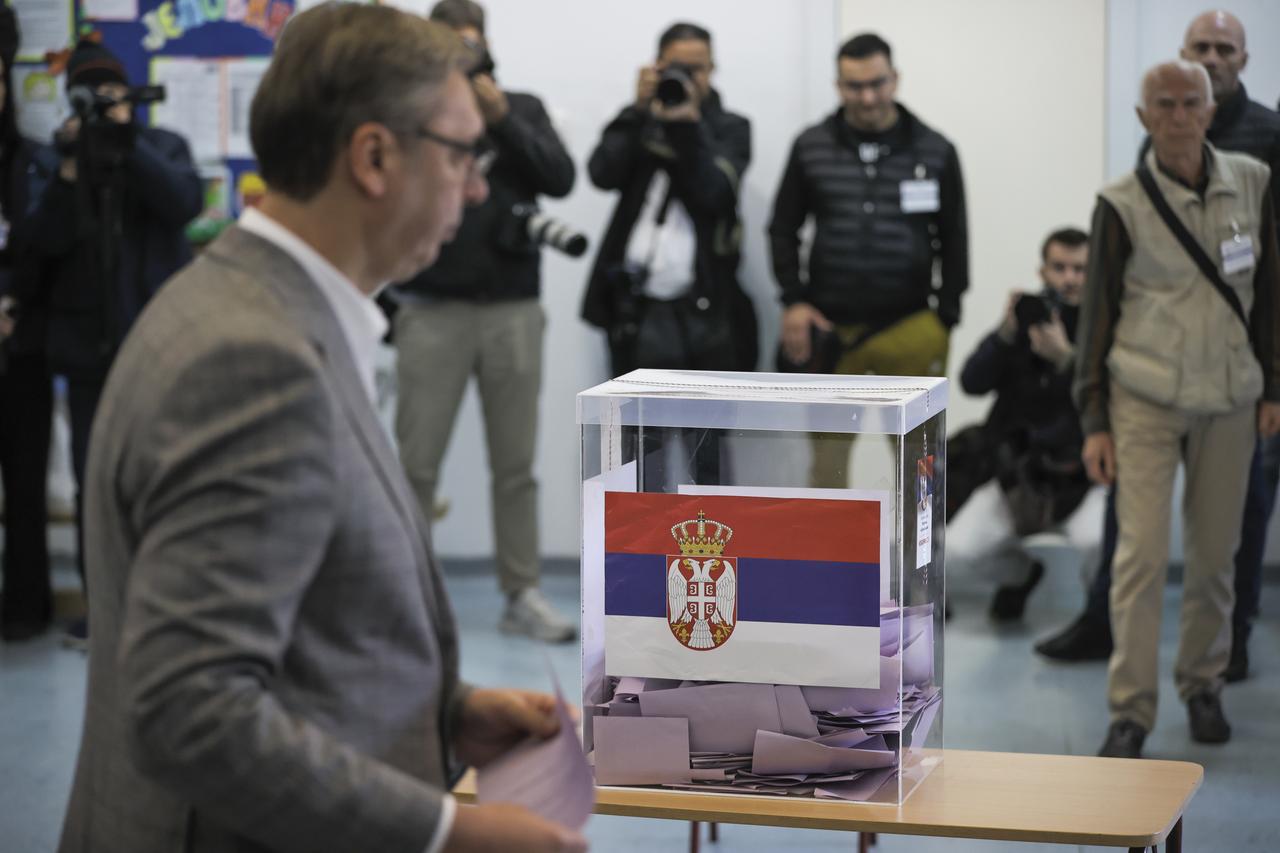
The Serbian parliamentary elections were early general elections held in Serbia on 25 October 2026. They were called following anti-government protests that began after a roof collapse at the train station in Novi Sad in 2024, which resulted in the deaths of 16 people. The protest movement, initially led by students, evolved into a political formation known as the Student List during the electoral process.
In the elections, competition arose between the Serbian Progressive Party (SNS), led by Aleksandar Vučić, who has been a dominant figure in Serbian politics since 2012, and the Student List. Corruption allegations, the independence of public institutions, press freedom, democratic reforms, and the country’s relations with the European Union (EU) formed the main issues of the campaign.
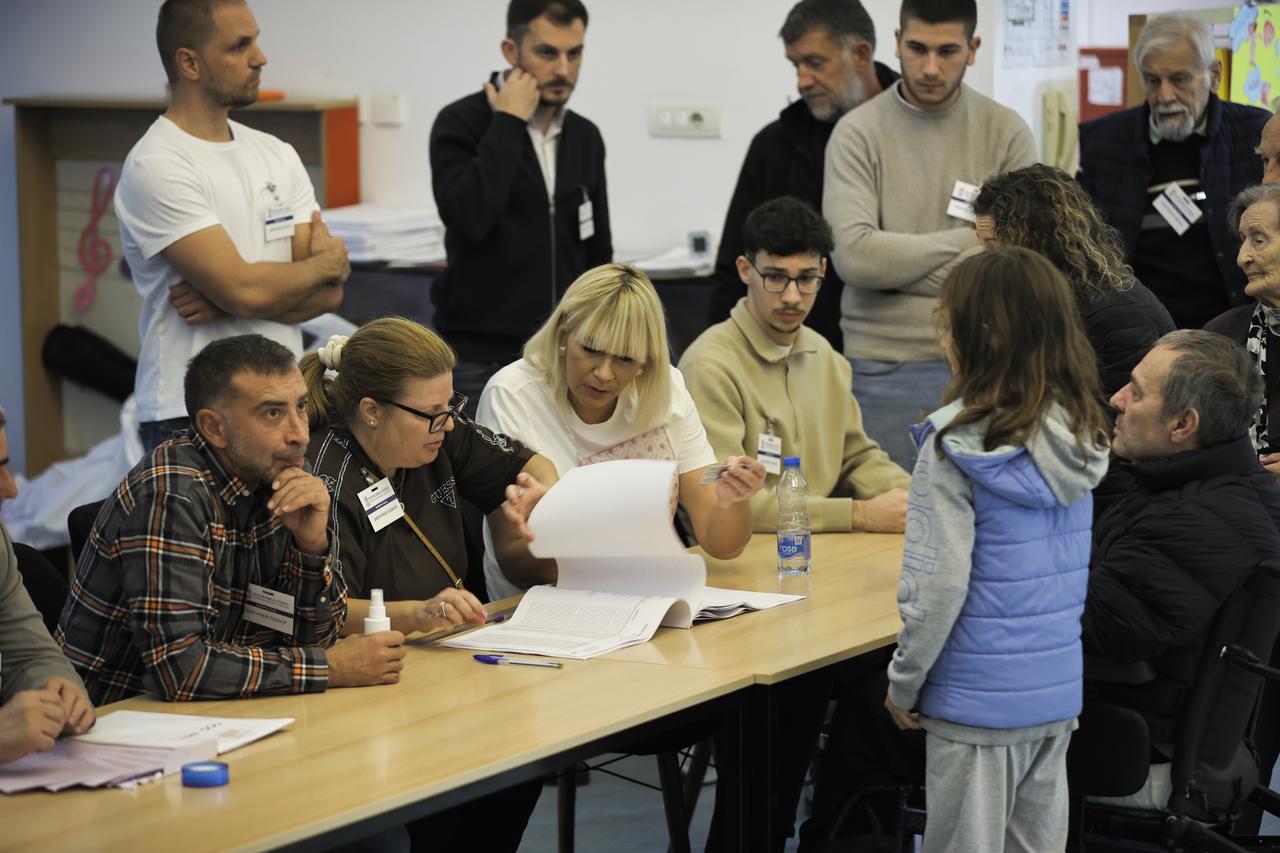
Sırbistan Seçimleri (25 Ekim, 2026) (Anadolu Ajansı)
According to the announced results, the Student List secured a majority in parliament in the elections held on 25 October. The SNS lost its parliamentary majority for the first time since 2012. Aleksandar Vučić acknowledged the defeat in a statement made on election night.

Aleksandar Vucic Seçim Açıklaması (26 Ekim, 2026) (Anadolu Ajansı)
The Serbian Progressive Party, which came to power in Serbia in 2012, has played a decisive role in the country’s political governance for many years. Aleksandar Vučić has become one of the central figures in Serbian politics through his roles as prime minister and president.
During Vučić’s tenure, democratic institutions, the use of public resources, and electoral conditions have been criticized by opposition parties, media outlets, and civil society organizations. The government has denied allegations of corruption and political pressure on the media.
The 2024 train station disaster in Novi Sad marked a turning point in the escalation of political and social tensions in the country. The protests that followed evolved into broader demands regarding government accountability and the functioning of public institutions.
As the protests spread nationwide and the anti-government movement gained strength, early parliamentary elections were called.
On 1 November 2024, the collapse of the concrete canopy at the train station in Novi Sad, Serbia, resulted in the deaths of 16 people. The incident sparked debates about the safety of renovation works and the oversight mechanisms in public procurement.
In the aftermath of the disaster, university students launched protests demanding accountability for those responsible and the holding of public officials to account. Initial demonstrations held on university campuses soon spread to many cities, including Belgrade, Novi Sad, and Niš.
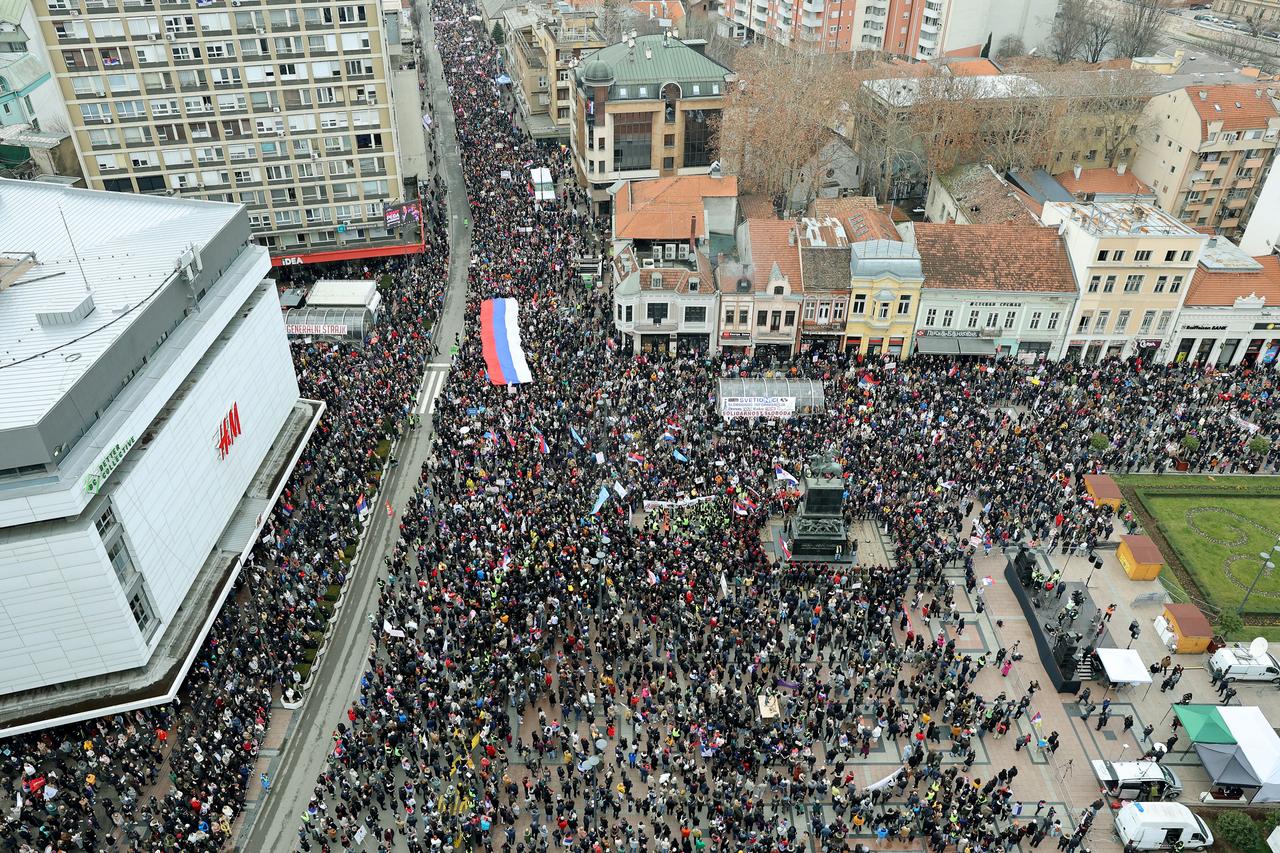
Novi Sad Tren İstasyonu Faciası Protestoları (1 Mart 2025) (Anadolu Ajansı)
As the student movement progressed, it received support from farmers, academics, artists, lawyers, and various professional groups. Demands for combating corruption, upholding the rule of law, ensuring the independence of public institutions, and protecting press freedom became central to the protests.
Mass protests held in Belgrade in March 2025 were among the demonstrations that showed the anti-government movement had gained broad public support.
During the protest period, students made decisions through student councils and general assemblies, deliberately avoiding the creation of a centralized leadership structure.
The political movement born out of the student protests participated in the 2026 parliamentary elections under the name “Student List – Students Win.”
Unlike traditional political parties, the movement did not compile a candidate list composed solely of students. Instead, it nominated individuals from academia, medicine, the arts, sports, and various professional fields as parliamentary candidates.
The Student List’s candidates included cardiologist Professor Ilija Srdanović, former Governor of the National Bank of Serbia Dejan Šoškić, former basketball player Dejan Bodiroga, actor Tihomir Stanić, and opera singer Nikola Mikić.
The movement’s electoral platform emphasized combating corruption, merit-based public administration, depoliticizing state institutions, and media reform.
The Student List aimed to reach not only university students but also other segments of society dissatisfied with government policies. To this end, marches and campaign events were organized in rural areas across the country.
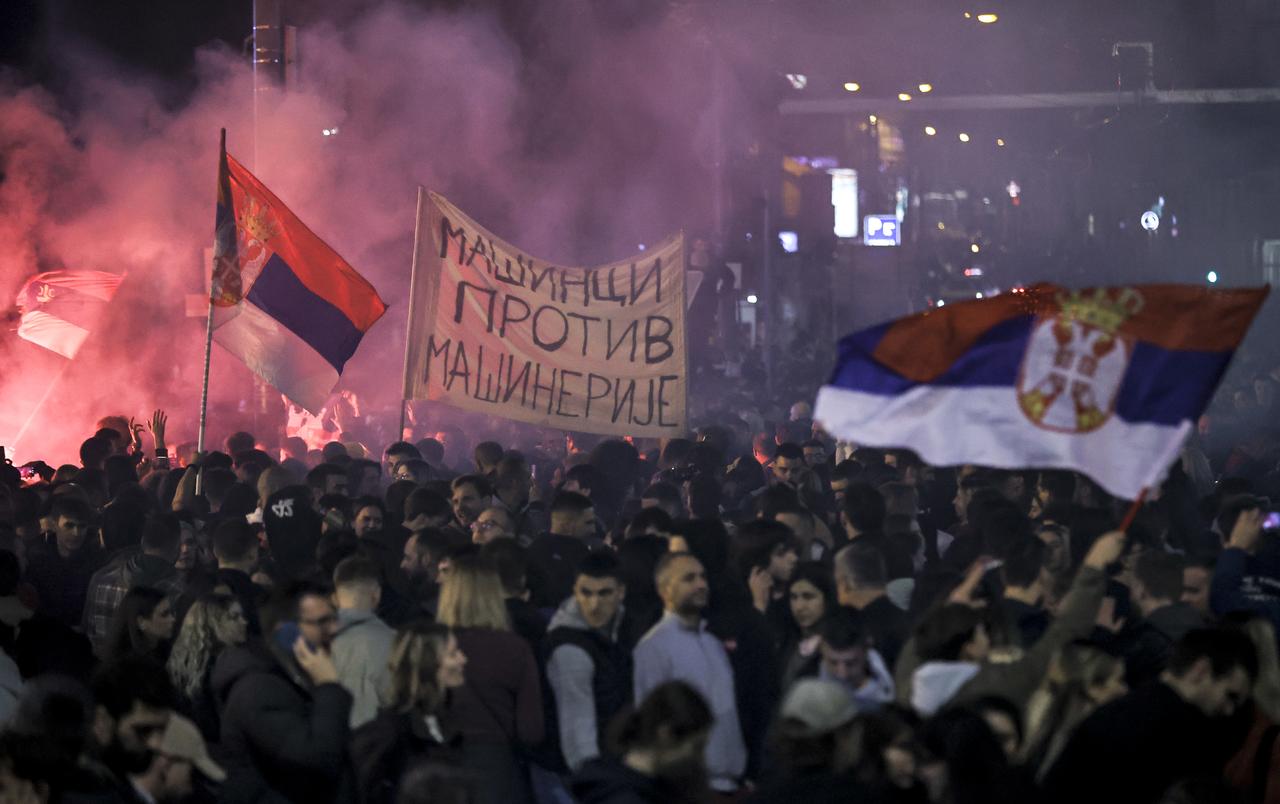
"Öğrenci Listesi" Destekçilerinin Kutlamaları (26 Ekim, 2026) (Anadolu Ajansı)
On 25 October 2026, approximately 6.4 million voters were called to the polls to elect the 250 members of the National Assembly of Serbia.
Initial projections by independent election monitoring organizations indicated that the Student List received between 52 and 52.9 percent of the vote, while the Serbian Progressive Party received 39.3 percent.
According to the seat distribution announced on 26 October, the election results were as follows:
Political formation - Number of MPs
Student List: 140
Serbian Progressive Party (SNS): 104
Minority lists: 6
Total: 250
Among the seats allocated to minority parties, the Vojvodina Hungarians Coalition secured three parliamentary seats. Bosniak and Albanian political formations also gained representation in parliament.
Independent research organization CeSID estimated voter turnout at 69.34 percent. The failure of smaller parties to surpass the 3 percent national electoral threshold resulted in parliamentary representation being largely concentrated between the Student List and the SNS.
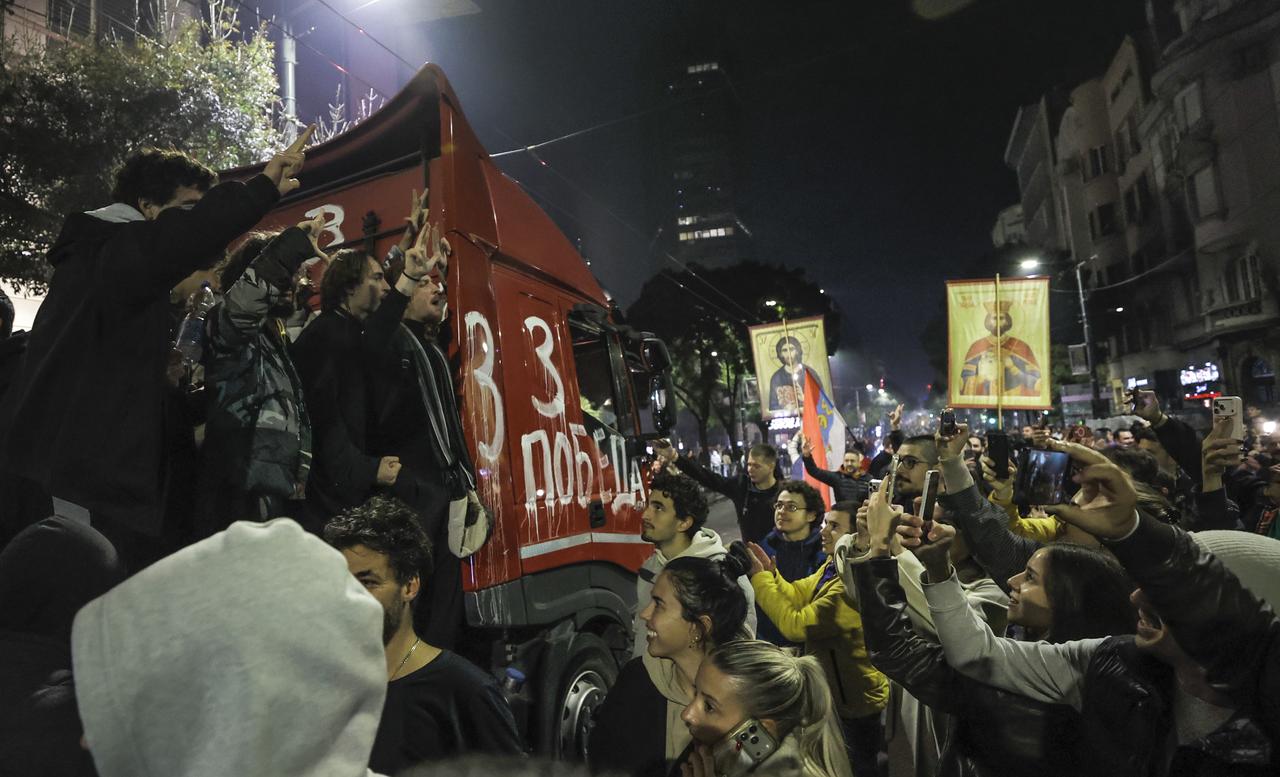
"Öğrenci Listesi" Destekçilerinin Kutlamaları (26 Ekim, 2026) (Anadolu Ajansı)
Aleksandar Vučić, who had served as president of Serbia for many years, stepped down from his position before the 2026 parliamentary elections to lead the Serbian Progressive Party’s campaign.
On the evening of 25 October, following the closure of polling stations, Vučić addressed supporters at the party headquarters and acknowledged that the results constituted a defeat for the SNS.
Vučić stated that his party received approximately 1.72 million votes, while the Student List received 2.2 million. He noted that initial projections indicated the Student List would win between 135 and 140 seats, while the SNS would win approximately 105.
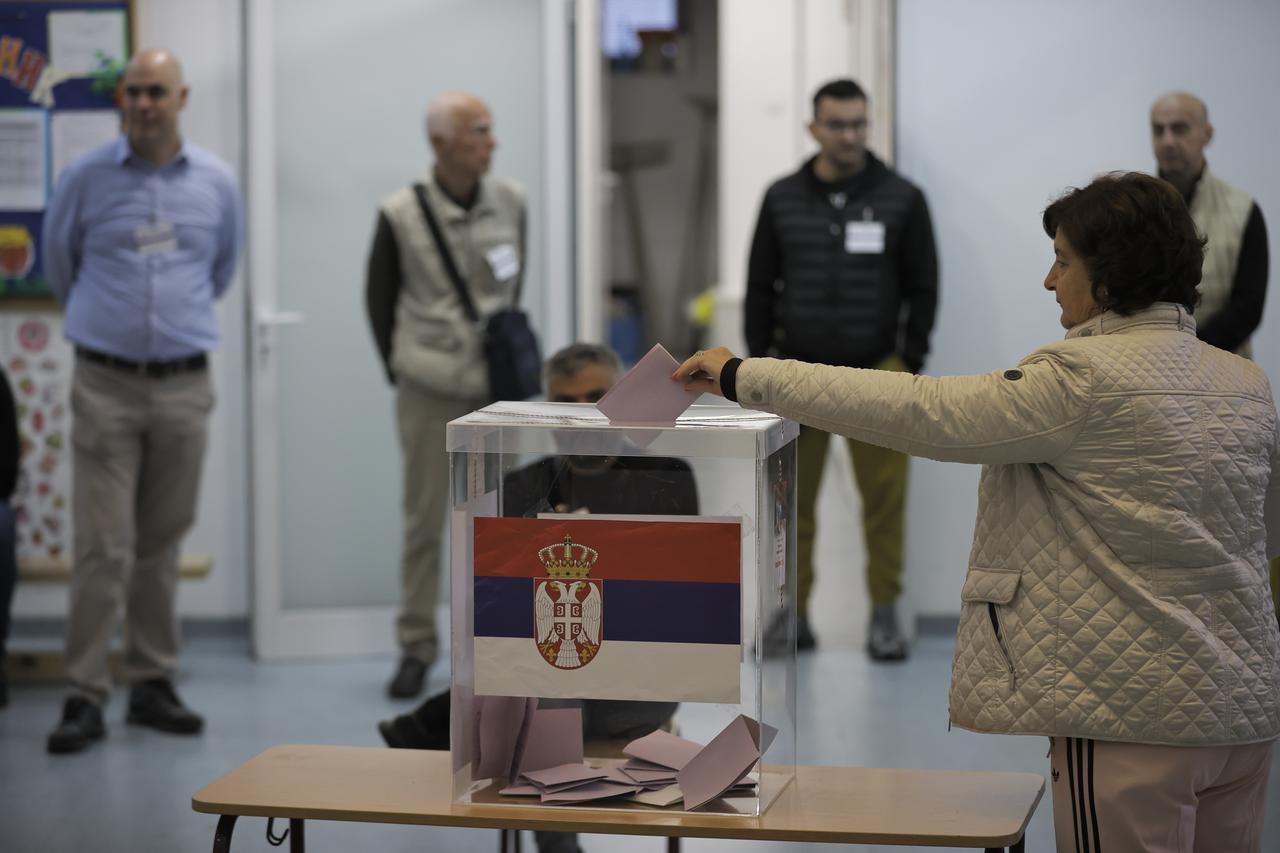
Sırbistan Seçimleri (25 Ekim, 2026) (Anadolu Ajansı)
Following the electoral defeat, Vučić suggested that the new government might impose sanctions on Russia and warned that political change could create uncertainty for foreign investors. Vučić also raised allegations of foreign interference during the campaign. However, no verified evidence has been presented to substantiate these claims.
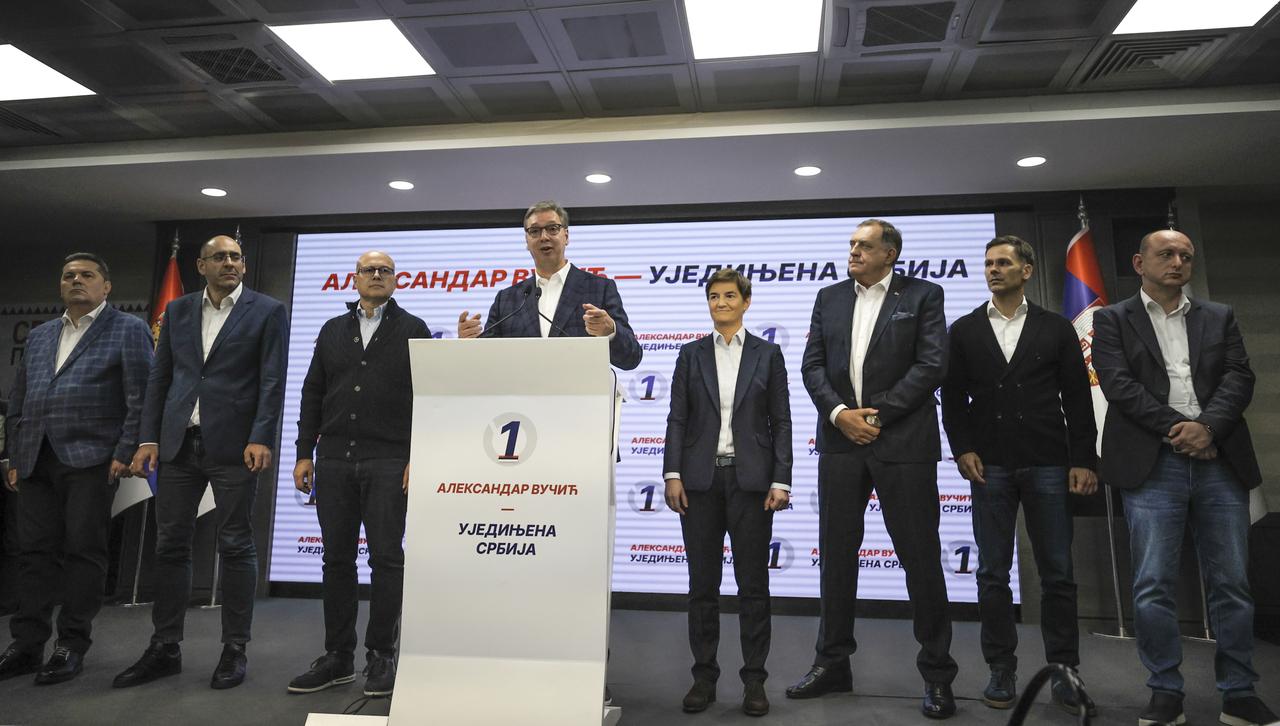
Aleksandar Vucic Seçim Sonrası Açıklaması (26 Ekim, 2026) (Anadolu Ajansı)
Following the Student List’s electoral victory, celebrations were held in the capital Belgrade as well as in Novi Sad and Niš.
Thousands gathered in city centers to celebrate the election results, chanting slogans and setting off fireworks. Slavija Square in Belgrade became one of the focal points of the celebrations. Supporters of the student movement viewed the election outcome as the political culmination of protests that had lasted nearly two years.
Student Celebrations (26 October 2026) (Anadolu Agency)
Radomir Saičić, a leading figure of the Student List, said in a statement after the victory that the people had expressed their will for change and that efforts would begin to build a new Serbia.
The Student List’s attainment of a parliamentary majority marked a significant development, ending the SNS’s rule in Serbia since 2012.
The election results drew attention because they demonstrated that a social movement distinct from traditional opposition parties had secured a parliamentary majority.
The Student List’s ability to form a government on its own, without coalition partners, highlighted its transition from protest movement to governing entity.
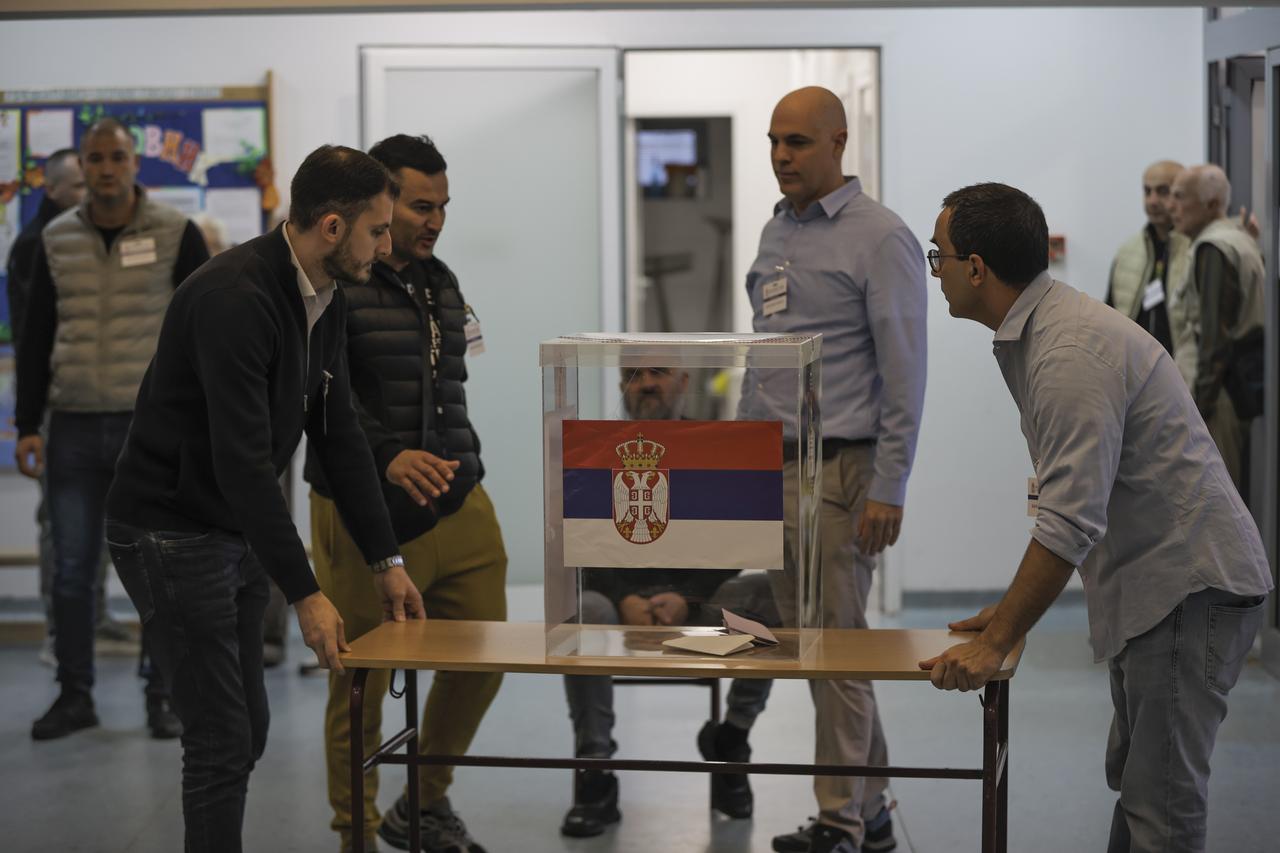
Sırbistan Seçimleri (25 Ekim, 2026) (Anadolu Ajansı)
In the new period, forming a government, restructuring public institutions, combating corruption, and determining economic policies became key political priorities. For the SNS, the election results were seen as the beginning of a new era in which the party would operate in opposition for the first time in many years.
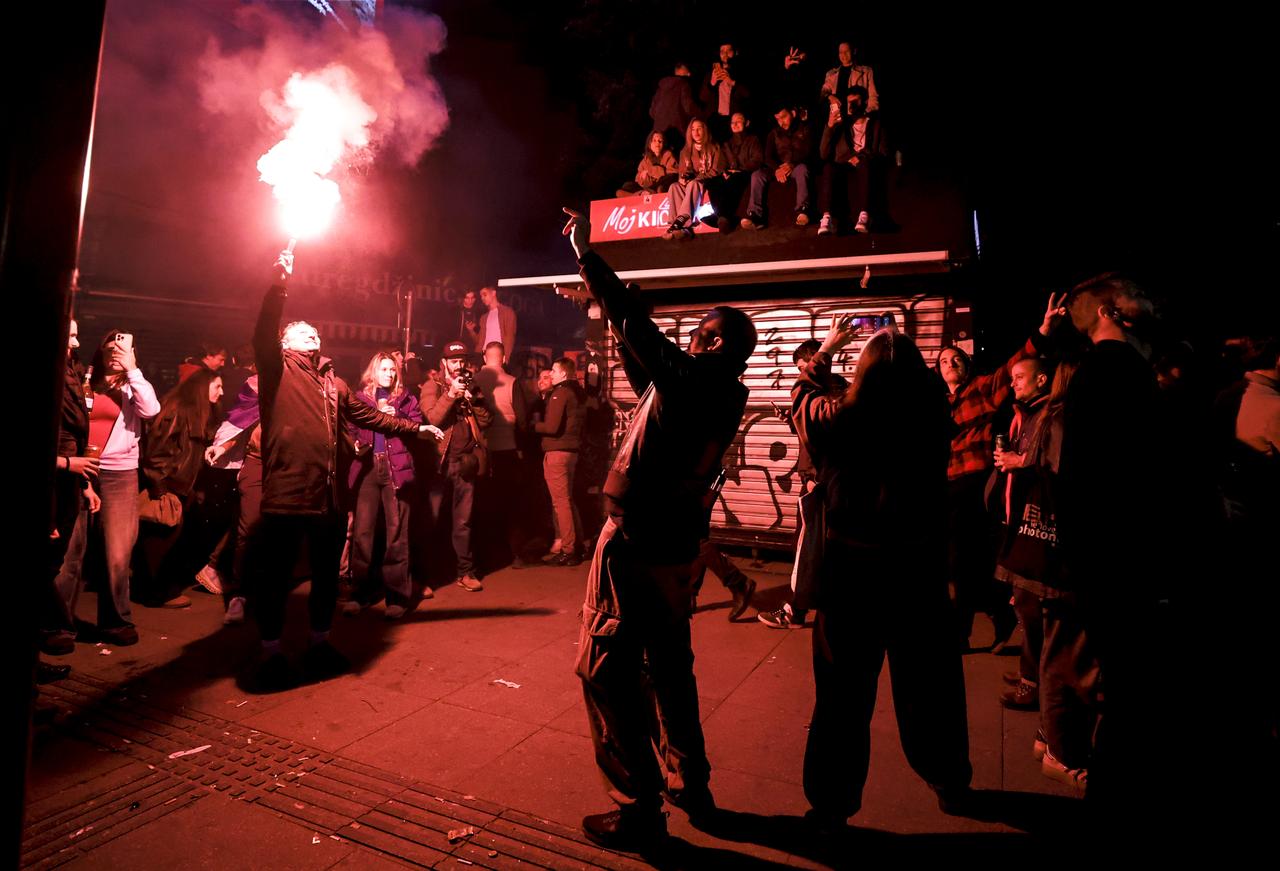
"Öğrenci Listesi" Destekçilerinin Kutlamaları (26 Ekim, 2026) (Anadolu Ajansı)
The outcome of the elections in Serbia was closely watched by the international community in terms of the country’s relations with the European Union and its foreign policy orientation.
As a candidate country for EU membership, Serbia under Vučić maintained its goal of integration with the European Union while preserving economic and diplomatic ties with Russia and China.
Following the Student List’s electoral victory, European officials including European Council President António Costa, European Commission President Ursula von der Leyen, and EU Commissioner for Enlargement Marta Kos issued congratulatory messages. Marta Kos stated that the election results could mark the beginning of a new chapter in Serbia’s relations with the European Union.
After the elections, the new government’s stance on sanctions against Russia, relations with Kosovo, EU accession negotiations, and economic cooperation with China became key items on its foreign policy agenda.
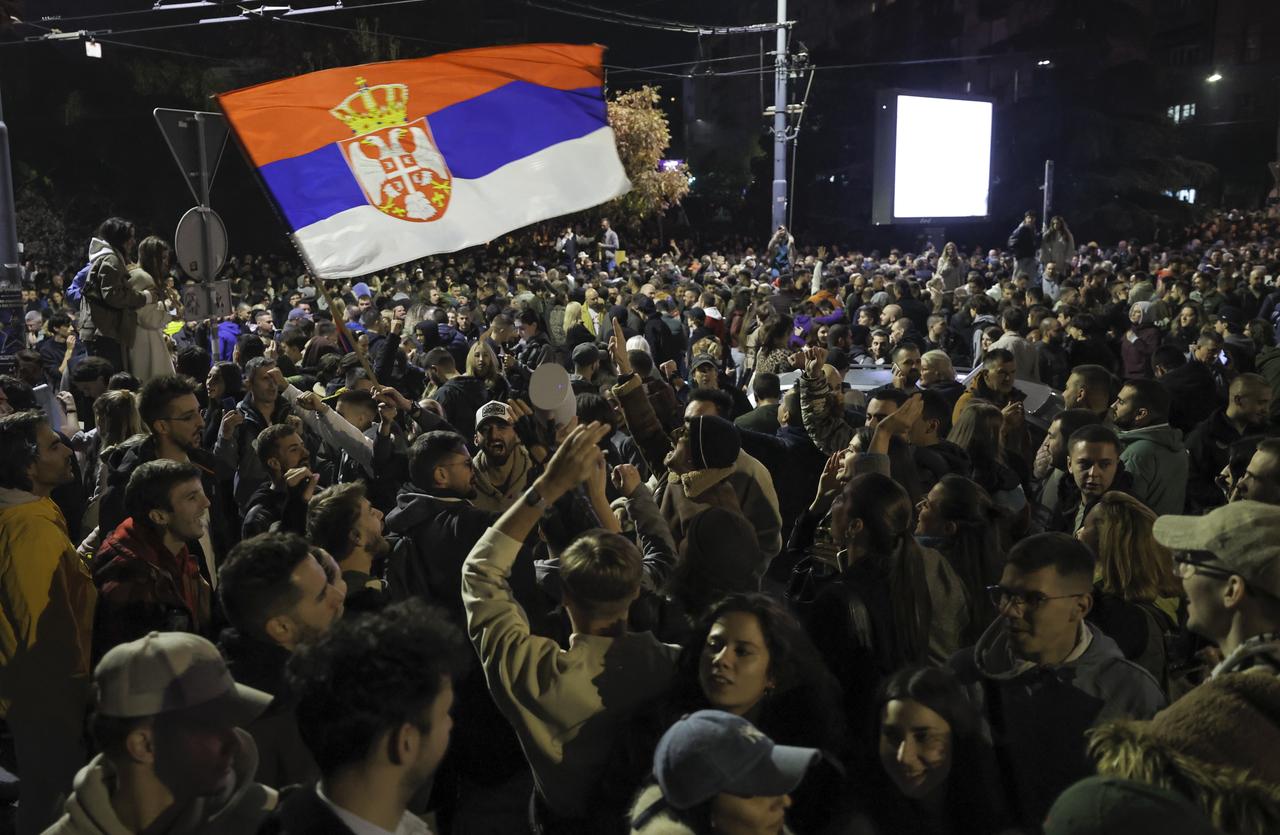
"Öğrenci Listesi" Destekçilerinin Kutlamaları (26 Ekim, 2026) (Anadolu Ajansı)
During the election campaign, the Student List identified strengthening the independence of public institutions and combating corruption as its primary priorities.
The movement’s 11-point program included establishing a specialized police unit to combat corruption, removing public officials found to have illegally intervened against protesters, and appointing administrators to state enterprises based on merit rather than political loyalty.
The program also foresaw the depoliticization of public broadcasting, reforms in the media sector, and increased accountability within public institutions.
After the elections, the process of forming a government and selecting a prime minister became a pressing issue. Although the Student List’s candidates included numerous academics and experts, no definitive name for prime minister has been announced. With the election results, the Student List became the political formation that secured a parliamentary majority in Serbia after nearly two years of protest activity.
Al Jazeera. "Aleksandar Vučić: The Serbian leader brought down by students." Accessed October 26, 2026.
BBC News, "Celebrations in Serbia after veteran ruler Vučić loses election to student-led protest movement", Accessed October 26, 2026,
BBC News, "How a movement of students brought down Serbia's Vučić", Accessed October 26, 2026,https://www.bbc.com/news/articles/c574pvy82k0mo
CNN. "Serbia’s leader concedes defeat to student-led movement in seismic political shift." Accessed October 26, 2026.
Euronews Türkçe, "Sırbistan'da siyasi deprem: Vucic dönemi bitti, öğrenci listesi iktidarda", Accessed October 26, 2026,
Euronews Türkçe. "Sırbistan'da Öğrenci Listesi seçimleri kazandı: Vucic yenilgiyi kabul etti." Accessed October 26, 2026.
The Guardian, "Serbia wakes up to new reality after student-led movement ousts Vučić – Europe live". Accessed October 26, 2026.
The Guardian, "Serbian leader Aleksandar Vučić ousted by student movement in seismic election." Accessed October 26, 2026.

The "Student List," which emerged from anti-government protests that began in 2024, won the early parliamentary elections held in Serbia on October 25. It was reported that the movement secured 140 seats in the 250-member parliament, while the Serbian Progressive Party led by Aleksandar Vučić retained only 104 seats. Vučić accepted the electoral defeat, and celebrations were held in many cities including Belgrade and Novi Sad.
No Discussion Added Yet
Start discussion for "Serbia Parliamentary Elections (October 2026)" article
October 26, 2026
Background to the Elections
October 26, 2026
Novi Sad Train Station Disaster and Student Protests
October 26, 2026
Formation of the Student List and Participation in the Elections
October 26, 2026
Election Results
October 26, 2026
Aleksandar Vučić Acknowledges Electoral Defeat
October 26, 2026
Post-Election Celebrations
October 26, 2026
Change of Political Leadership in Serbia
October 26, 2026
Significance of the Elections for the European Union and Foreign Policy
October 26, 2026
The Student List’s Governance Program