


This article was automatically translated from the original Turkish version.
+2 More
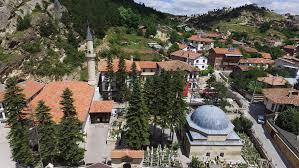
https://www.kastamonu.bel.tr/seyh-saban-i-veli-kulliyesi/
Sheikh Shabani Veli Külliyesi
Location | Kastamonu Türkiye | ||||||||
|---|---|---|---|---|---|---|---|---|---|
Affiliated Order | Halvetiyye / Şa’baniyye | ||||||||
Construction Period | From the 16th century onwards | ||||||||
Main Structures | Mosque, Tomb, Dervish cells, Madrasa, Museum, Sebil | ||||||||
Function(s) | Religious worship Cultural promotion Education | ||||||||
Current Use | Museum, Mosque, Visit area | ||||||||
Conservation Status | Renovated through restorations open to tourism | ||||||||
Tourism Type | Faith and cultural tourism | ||||||||
The Şeyh Şaban-ı Veli Külliyesi is a multifunctional architectural complex located in the city center of Kastamonu, built in honor of Şeyh Şaban-ı Veli, one of the prominent representatives of Ottoman-era Sufi heritage. The complex encompasses a mosque, tomb, medrese, dervish cells, and a space later converted into a museum, collectively fulfilling religious, cultural, and educational functions. Shaped by the influence of Şeyh Şaban-ı Veli, recognized as the founder of the Şa’baniyye branch of the Halvetiyye order, this külliye stands as one of the central sites of faith and cultural tourism in Kastamonu.
Şeyh Şaban-ı Veli, who lived in the 16th century, is a significant figure in the spread of the Halvetiyye order in Anatolia. Revered as the pîr of the Şa’baniyye branch, Şaban-ı Veli continued his Sufi teachings in Kastamonu and attracted a substantial following. His influence extended beyond the religious sphere to become decisive in social and cultural life. The külliye that formed around him stands as a tangible manifestation of this impact.

Şeyh Şaban-ı Veli Külliyesi (Anadolu Agency)
The külliye consists of numerous structures reflecting Ottoman architectural style:
Şeyh Şaban-ı Veli Camii: The mosque, situated at the center of the complex, exhibits classic Ottoman mosque architectural features. It was restored in 2015 and reopened for worship.
Türbe: The tomb of Şeyh Şaban-ı Veli is located adjacent to the mosque. The türbe holds sacred significance and attracts considerable attention from visitors.

Şeyh Şaban-ı Veli Türbesi (Culture Portal)
Dervish Cells: These are small spaces used by members of the order for worship, contemplation, and education. Architecturally simple and functional, they reflect the ascetic lifestyle of the dervishes.
Medrese and Educational Spaces: The külliye originally housed a medrese where religious and scholarly knowledge was taught. Today, this area serves as a museum.

Şeyh Şaban-ı Veli Vakıf Müzesi (Culture Portal)
Şadırvan and Fountains: These are traditional elements of the külliye’s architecture, constructed to provide water for ritual ablutions before prayer.

Şeyh Şaban-ı Veli Müzesi and Vakıf Müzesi (Culture Portal)
Today, the külliye is also visited as the Şeyh Şaban-ı Veli Müzesi. Thanks to restoration and curation efforts supported by the Kastamonu Municipality and the Ministry of Culture and Tourism, the buildings have been preserved and curated to showcase Sufi culture. The museum displays personal belongings of Şeyh Şaban-ı Veli, traditional order garments, historical calligraphy samples, and religious texts. Additionally, digital information panels and multimedia presentations provide visitors with insights into the history of Sufism.
Materials prepared by the Kastamonu Provincial Directorate of Culture and Tourism emphasize the significance of the Şeyh Şaban-ı Veli Külliyesi in the context of faith tourism. The complex attracts substantial numbers of both domestic and international tourists, with visitor numbers notably increasing during religious holidays and special occasions.
Furthermore, during Kastamonu’s process of becoming the “Cultural Capital of the Turkic World,” the külliye has been identified as one of the key sites nominated for this title due to its contribution to the region’s cultural identity.
Anadolu Ajansı. “Şaban-ı Veli Külliyesi'nde Kültür Başkenti Beklentisi.” aa.com.tr. Accessed June 19, 2025. https://www.aa.com.tr/tr/turkiye/saban-i-veli-kulliyesinde-kultur-baskenti-beklentisi/1036353.
Kastamonu Belediyesi. "Şeyh Şaban-ı Veli Külliyesi." *kastamonu.bel.tr*. Accessed June 19, 2025. https://www.kastamonu.bel.tr/seyh-saban-i-veli-kulliyesi/.
Kastamonu Valiliği. “İnanç ve Kültür Turizminin Yıldızı Şeyh Şaban-ı Veli Camii İbadete Açıldı.” kastamonu.gov.tr. Accessed June 19, 2025. http://www.kastamonu.gov.tr/inanc-ve-kultur-turizminin-yildizi-seyh-saban-i-veli-camii-ibadete-acildi.
Ministry of Culture and Tourism of the Republic of Türkiye. "Hz. Pîr Şeyh Şaban-ı Veli Külliyesi." *kulturportali.gov.tr*. Accessed June 19, 2025. https://www.kulturportali.gov.tr/turkiye/kastamonu/gezilecekyer/hz-pr-seyh-saban-i-vel-kullyes.
T.C.Kastamonu İl Directorate of Culture and Tourism. "İnanç Turizmi." kastamonu.ktb.gov.tr. Accessed June 19, 2025. https://kastamonu.ktb.gov.tr/TR-63872/inanc-turizmi.html.

https://www.kastamonu.bel.tr/seyh-saban-i-veli-kulliyesi/
Sheikh Shabani Veli Külliyesi
Location | Kastamonu Türkiye | ||||||||
|---|---|---|---|---|---|---|---|---|---|
Affiliated Order | Halvetiyye / Şa’baniyye | ||||||||
Construction Period | From the 16th century onwards | ||||||||
Main Structures | Mosque, Tomb, Dervish cells, Madrasa, Museum, Sebil | ||||||||
Function(s) | Religious worship Cultural promotion Education | ||||||||
Current Use | Museum, Mosque, Visit area | ||||||||
Conservation Status | Renovated through restorations open to tourism | ||||||||
Tourism Type | Faith and cultural tourism | ||||||||
No Discussion Added Yet
Start discussion for "Şeyh Şabanı Veli Külliyesi" article
Historical Background and Şeyh Şaban-ı Veli
Components of the Külliye
Museum and Conservation Efforts
Faith Tourism and Cultural Impact