

This article was automatically translated from the original Turkish version.
+1 More
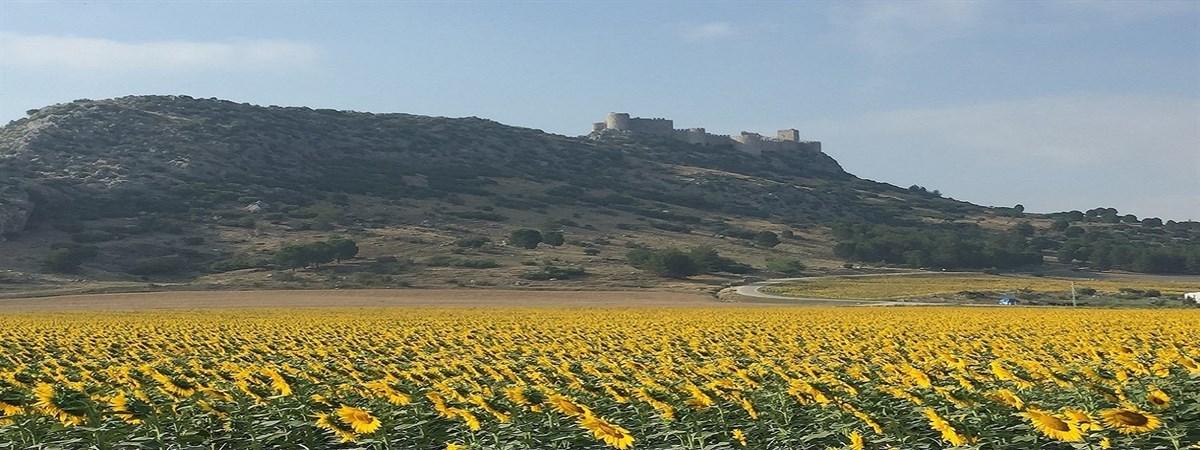
Yılan Kale (in some sources Yılankale) is a historical fortress situated on a high hill dominating the Ceyhan Plain in the Ceyhan district of Adana Province, Türkiye. The structure was built during the Middle Ages as a strategic settlement serving the defense of the Çukurova region and is considered part of the region’s historical defense system alongside other significant fortifications.【1】
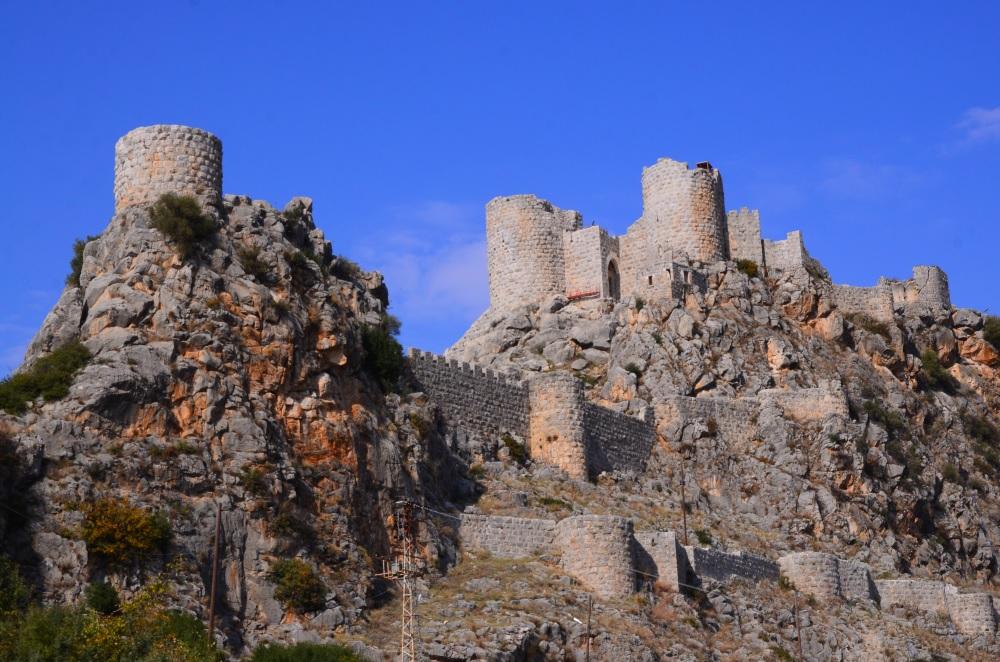
Yılan Kale(Adana Provincial Directorate of Culture and Tourism)
Although sources offer varying interpretations regarding the exact construction date and founder of Yılan Kale, it is generally accepted that the structure served a defensive purpose during the Middle Ages. Located on the historic Silk Road route crossing the Taurus Mountains, the fortress was constructed by the Byzantines as an important defensive point during the Crusades.【2】 Architectural remains and wall repairs from the Byzantine, Crusader, and Armenian periods have been observed at the site; inscriptions from the Armenian restoration phase have been documented within the structure.【3】
Yılan Kale is built on a steep hill overlooking the plain and features eight circular towers. The main entrance, known as the nizamiye gate, is located on the southern side; stone staircases from this gate lead to terraces. Within the fortress, structures such as a church and a cistern have been identified, and the garrison was positioned in the uppermost section.【4】 Its strategic location allowed control over the surrounding plain and key routes.【5】
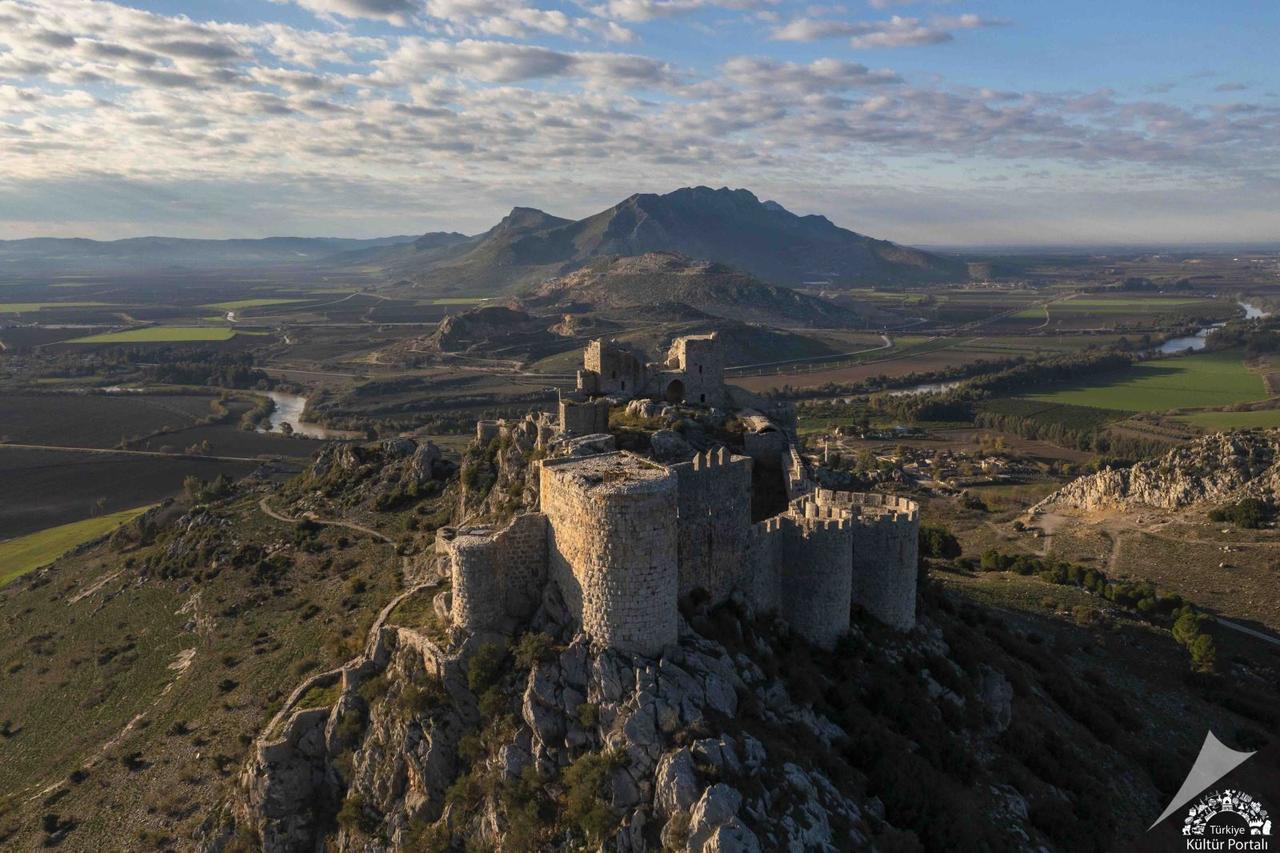
Yılan Kale(Culture Portal)
Various folk beliefs and legends are associated with Yılan Kale in historical sources. Among the local population, the fortress is also known as “Şahmeran Castle”; according to this tradition, the mythical creature Şahmeran lived within the fortress. Some accounts claim that numerous snakes inhabited the castle, were fed with milk, and later spread throughout the region.【6】【7】
Yılan Kale lies within the boundaries of the Ceyhan district, east of the city center of Adana, and northeast of Misis on the banks of the Ceyhan River. Access to the fortress is possible via transportation services heading to Ceyhan district.【8】
[1]
T.C. Kültür ve Turizm Bakanlığı. Yılan Kalesi – Adana. Kültür Portalı. Erişim tarihi: 25 Aralık 2025. https://www.kulturportali.gov.tr/turkiye/adana/gezilecekyer/yilan-kale
[2]
T.C. Kültür ve Turizm Bakanlığı. Yılan Kalesi – Adana. Kültür Portalı. Erişim tarihi: 25 Aralık 2025. https://www.kulturportali.gov.tr/turkiye/adana/gezilecekyer/yilan-kale
[3]
T.C. Kültür ve Turizm Bakanlığı. Yılan Kalesi – Adana. Kültür Portalı. Erişim tarihi: 25 Aralık 2025. https://www.kulturportali.gov.tr/turkiye/adana/gezilecekyer/yilan-kale
[4]
T.C. Kültür ve Turizm Bakanlığı. Yılan Kalesi – Adana. Kültür Portalı. Erişim tarihi: 25 Aralık 2025. https://www.kulturportali.gov.tr/turkiye/adana/gezilecekyer/yilan-kale
[5]
T.C. Kültür ve Turizm Bakanlığı. Yılan Kalesi – Adana. Kültür Portalı. Erişim tarihi: 25 Aralık 2025. https://www.kulturportali.gov.tr/turkiye/adana/gezilecekyer/yilan-kale
[6]
T.C. Kültür ve Turizm Bakanlığı. Yılan Kalesi – Adana. Kültür Portalı. Erişim tarihi: 25 Aralık 2025. https://www.kulturportali.gov.tr/turkiye/adana/gezilecekyer/yilan-kale
[7]
Şimşek, Esma. “Türk Halk Kültüründe Yılan ve ‘Yılan Kale’ (Ceyhan/Adana) Anlatıları Üzerine Değerlendirmeler.” Akra Kültür Sanat ve Edebiyat Dergisi (2019).
[8]
T.C. Kültür ve Turizm Bakanlığı. Yılan Kalesi – Adana. Kültür Portalı. Erişim tarihi: 25 Aralık 2025. https://www.kulturportali.gov.tr/turkiye/adana/gezilecekyer/yilan-kale

History
Architectural Features
Folk Culture and Legends
Location and Access