


This article was automatically translated from the original Turkish version.
+1 More
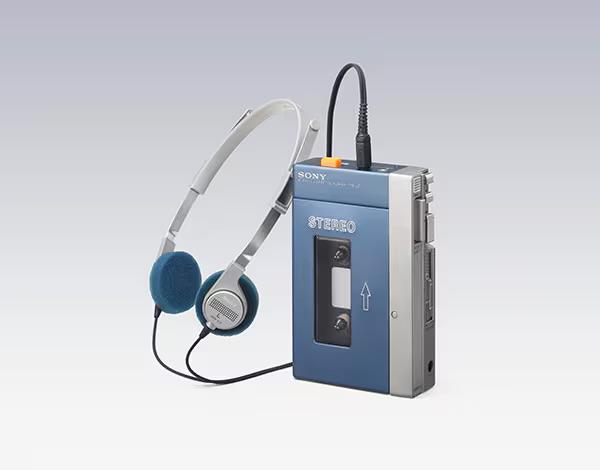
(Sony)
Sony Walkman
First Model | Sony TPS-L2 | ||||||||
|---|---|---|---|---|---|---|---|---|---|
Year of Production | 1979 | ||||||||
Media Type | Initially designed as a cassette player, it later evolved into CD, MiniDisc and digital formats. | ||||||||
Introduced in 1979 by Sony, the Walkman fundamentally changed music listening habits by popularizing portable music devices.
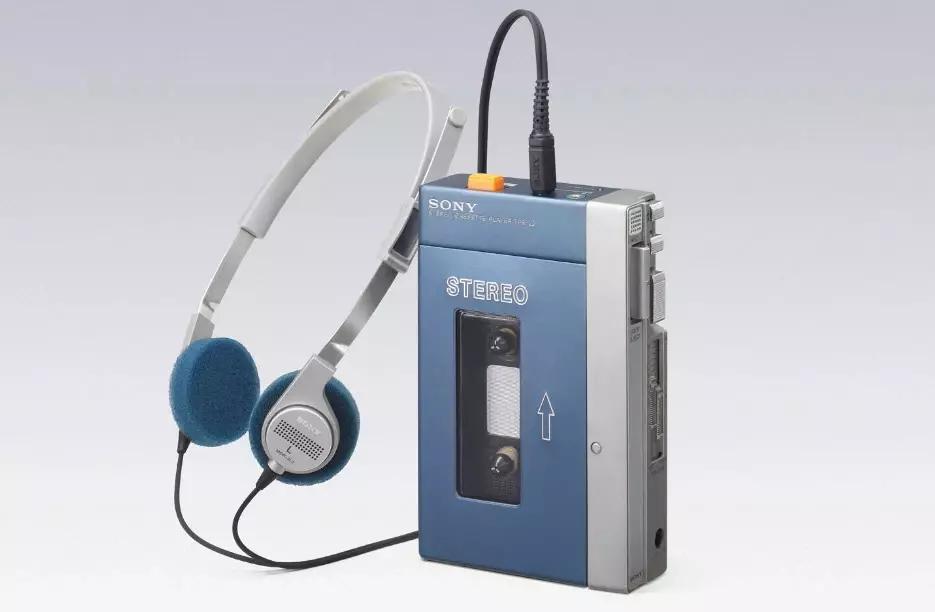
Sony Walkman – Hürriyet
The idea for the Walkman emerged from a request by Masaru Ibuka, one of Sony’s co-founders. In the late 1970s, Ibuka expressed a desire for a lightweight device to listen to music during his long airplane travels. At the time, Sony produced a portable cassette recorder called the Pressman. Under the leadership of Engineer Nobutoshi Kihara, team removed the recording function from this device and focused on stereo audio output. The first model, the TPS-L2, was launched in Japan in July 1979. Initially, Sony’s management was skeptical about the product’s success and set a sales target of 5,000 units per month.
The TPS-L2 weighed 327 grams and featured a metal and plastic casing. The device operated using a motor for playing cassette tapes, a stereo headphone output, and two AA batteries, offering approximately nine hours of battery life. The Walkman included dual headphone jacks, allowing two people to listen to music simultaneously. It had a rotary dial for volume control and a cassette playback mechanism. Later models added automatic reverse playback and Dolby noise reduction like features. The Walkman’s design offered a compact and portable alternative compared to the large portable cassette players of the era.
The Walkman exceeded Sony’s expectations by selling over 30,000 units in its first month on the market. Following its success in Japan, the device was introduced in USA and Europe markets in 1980 under the name “Walkman” (in some regions it was marketed as “Soundabout” or “Stowaway”). By the end of the 1980s, more than 50 million Walkmans had been sold worldwide. Sony launched the Walkman II in 1982; this model was lighter at 280 grams and 20 percent smaller. The WM-DD series introduced in 1984 improved audio quality using a disk driver system. By 2010, the Walkman had sold a total of 385 million units across various models.
The Walkman enabled music to become a personal and portable experience. Until then, music listening was limited to home stereo systems or car radio-cassette players. With the Walkman, users could carry their cassette tapes and listen to music in parks, on the streets, or on public transportation. This boosted cassette sales; in the United States, cassette sales surpassed vinyl records in 1983 and reached 446 million units by 1989.
The device also popularized headphone usage and reinforced the concept of personal space. However, the growing number of pedestrians wearing headphones in public spaces sparked safety concerns in some countries. While Sony dominated the portable music market with the Walkman, competitors such as Toshiba and Panasonic produced similar devices, and the Walkman brand became synonymous with the category.
EBSCO. "Sony Introduces Walkman." EBSCO Research Starters: History. https://www.ebsco.com/research-starters/history/sony-introduces-walkman. Accessed April 7, 2025.
Nippon.com. “Walkman Story: The Early Years of the Iconic Personal Cassette Player.” Nippon.com, July 1, 2019. https://www.nippon.com/en/japan-topics/g00726/walkman-story-the-early-years-of-the-iconic-personal-cassette-player.html. Accessed April 7, 2025.
Sony Corporation. “Sony History: Walkman.” Sony.com. https://www.sony.com/en/SonyInfo/CorporateInfo/History/sonyhistory-e.html. Accessed April 7, 2025.


(Sony)
Sony Walkman
First Model | Sony TPS-L2 | ||||||||
|---|---|---|---|---|---|---|---|---|---|
Year of Production | 1979 | ||||||||
Media Type | Initially designed as a cassette player, it later evolved into CD, MiniDisc and digital formats. | ||||||||
Development Process
Technical Specifications
Commercial Performance
Impact on the Music Industry