

 Recently Added:
This article was automatically translated from the original Turkish version.
2026 Spain Ceuta Protests are mass demonstrations held across Spain in September 2026, following public backlash against the Spanish government’s handling of a crisis triggered at the end of July 2026 by the unauthorized passage of tens of thousands of migrants from Morocco into Ceuta, Spain’s autonomous city in North Africa. The protests took place on 2 September in over 200 cities and settlements including Ceuta, Madrid, Barcelona, Valencia, and Sevilla; approximately 50,000 people participated in the demonstration in Madrid.
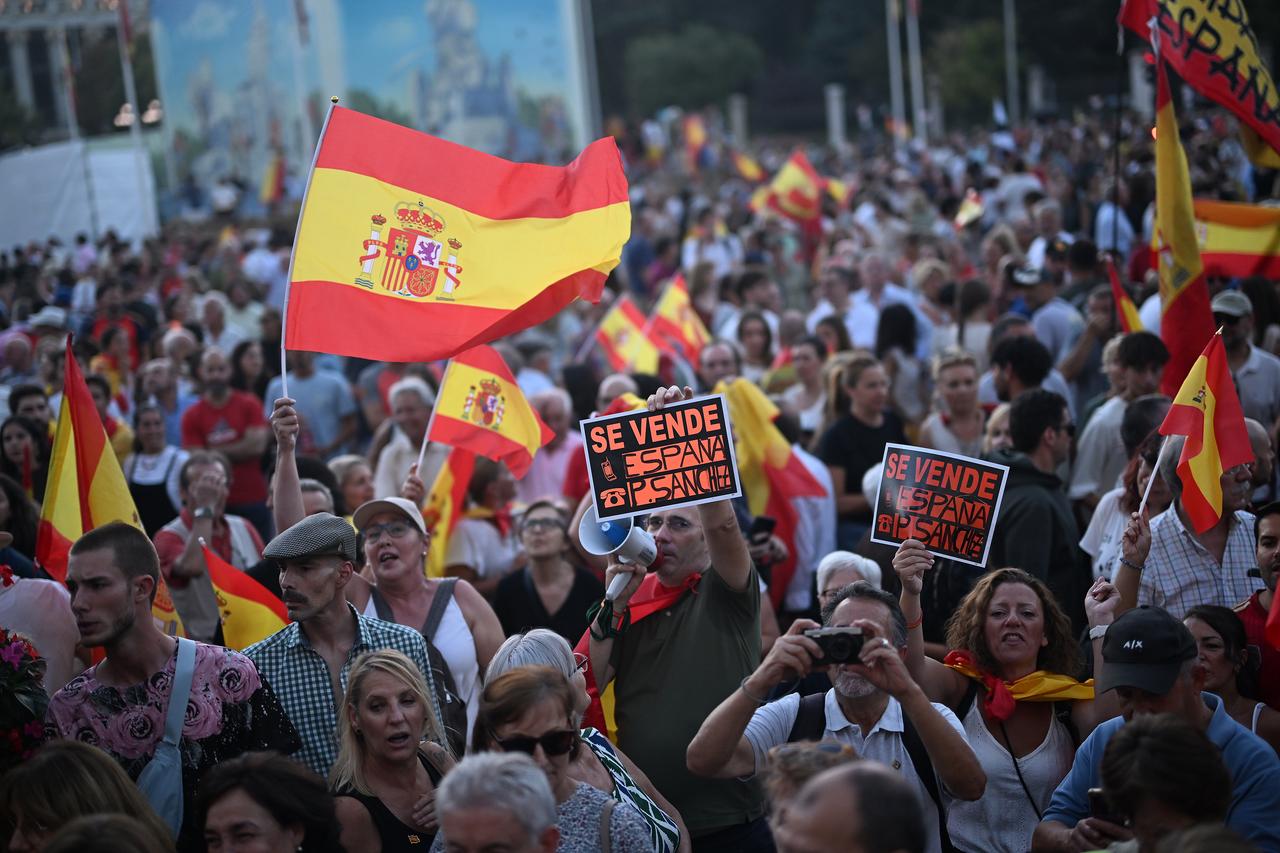
Ceuta Protests in Spain (3 September 2026) Anadolu Agency
The protests were rooted in mass border crossings from Morocco into Ceuta on 30–31 July 2026. During this two-day period, approximately 72,000 people attempted to reach Spanish territory by swimming across the sea, climbing coastal barriers, or crossing the land border. At least 90 people died during the crossings. The majority of migrants later returned to Morocco or were deported, but according to data from the Spanish central government, around 5,000 people—including 1,200 children—remained in Ceuta.
The sudden arrival of tens of thousands of people into Ceuta, which has a population of approximately 84,000, placed immense pressure on the city’s capacity for housing, security, and social services. For weeks, some migrants lived on streets and beaches, leading to various tensions between local residents and newcomers. Spanish authorities undertook efforts to house migrants, register their identities, and repatriate those who met the criteria for return to Morocco.
After the crisis persisted for more than a month, mass demonstrations in support of Ceuta were held across Spain on 2 September 2026. The protests coincided with Ceuta Day, the official local holiday of Ceuta. Under normal circumstances, this day is marked by official ceremonies and cultural events, but in 2026 it took place under the shadow of the migration crisis.
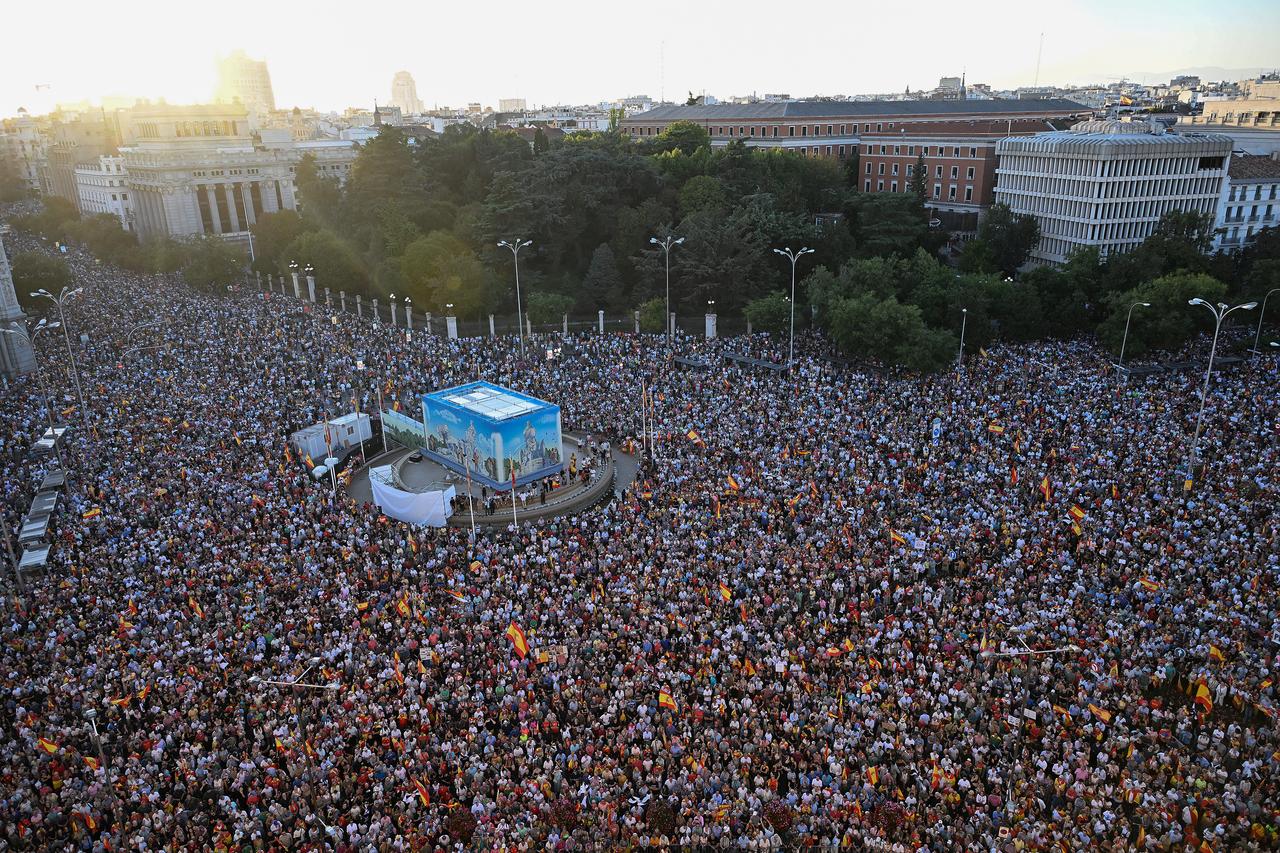
İspanya Ceuta Protestoları (3 Eylül, 2026) Anadolu Ajansı
According to official figures, approximately 50,000 people attended the demonstration in Madrid. Large-scale protests also occurred in Barcelona, Valencia, and Sevilla. The official organizer of the protests in Madrid and over 200 other cities and settlements was the Federation of Spanish Municipalities and Provinces (FEMP), a non-partisan organization.
Demonstrators carried Spanish flags and chanted slogans expressing solidarity with the people of Ceuta as well as demands directed at the Sánchez government calling for the removal of migrants from the country. In some cities, counter-demonstrations against anti-migrant rhetoric and racism were also held.
After the demonstration in Madrid ended, clashes broke out between police and some groups. An Associated Press reporter reported hearing gunshots and explosions in the area, while Spanish media reported that police used plastic bullets and tear gas to disperse the crowds.
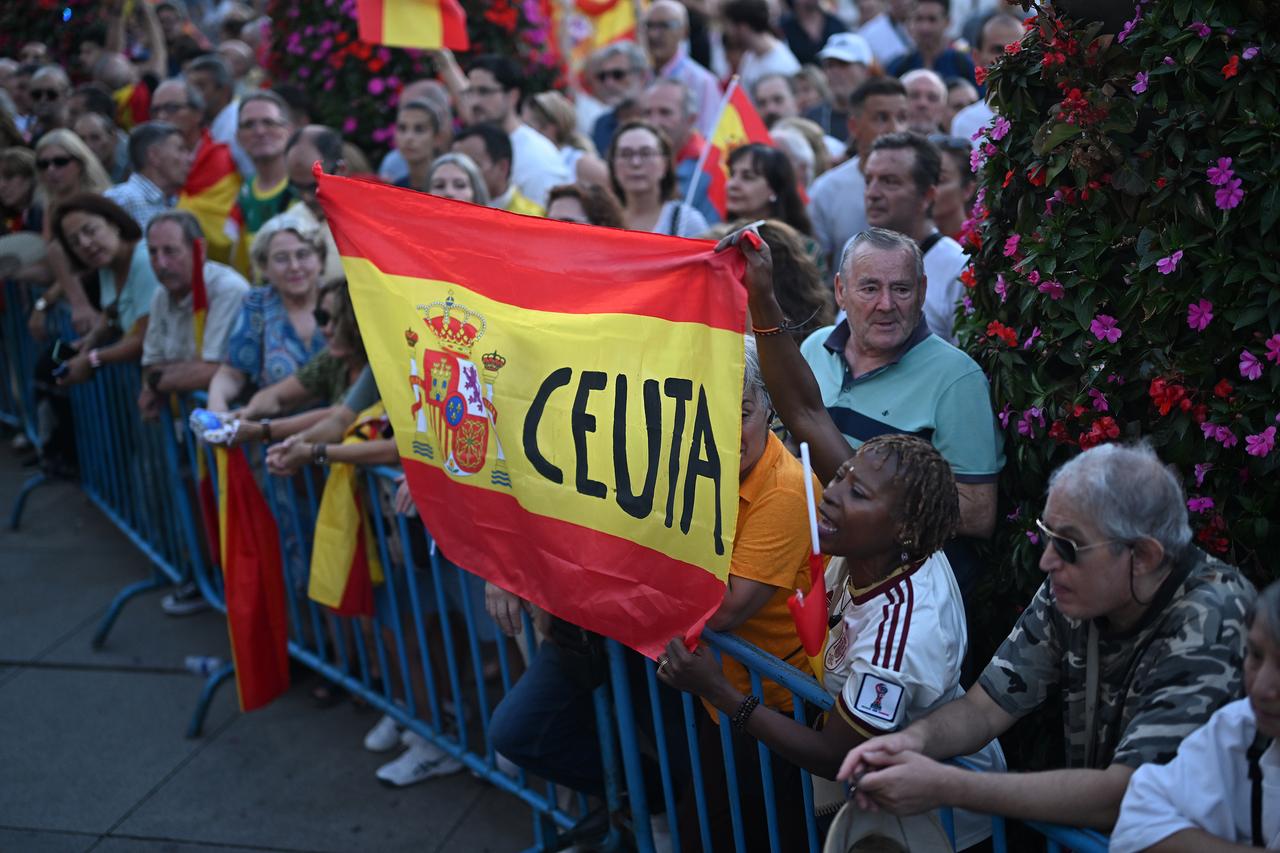
İspanya Ceuta Protestoları (3 Eylül, 2026) Anadolu Ajansı
During the protests, demands were made for a resolution to the situation in Ceuta, stronger border security, and changes to the central government’s migration policy. The demonstrations also intensified political debates between the government and the opposition over migration policy.
The conservative People’s Party (PP) and the anti-migration Vox party supported the protests and accused Prime Minister Pedro Sánchez’s government of failing to manage the Ceuta crisis. Juan Jesús Vivas, the mayor of the Autonomous City of Ceuta and a member of the PP, characterized the events not merely as a migration crisis but as an infringement of Spain’s territorial integrity.
Spain’s Minister for Regional Policy, Ángel Víctor Torres, argued that the protests were being used for political purposes against the government. Torres claimed that the demonstrations targeted the central government rather than expressing support for Ceuta or its residents. The government also rejected criticisms that Ceuta had been abandoned and allocated 309 million euros in funding for social services, housing for migrants, economic support, and security in the city.
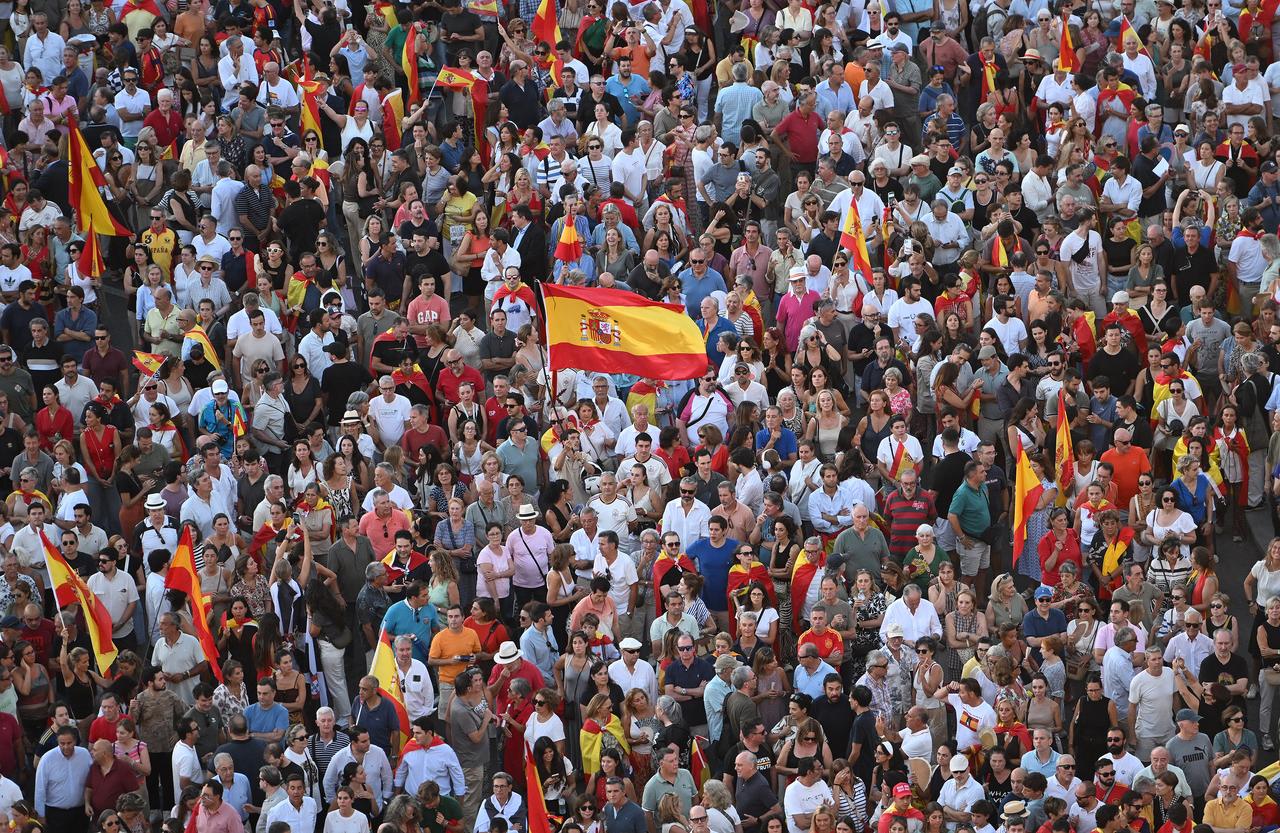
İspanya Ceuta Protestoları (3 Eylül, 2026) Anadolu Ajansı
Following the protests, Morocco’s role in the mass border crossings became one of the main topics in Spain’s political discourse. The opposition accused the Sánchez government of being too conciliatory toward Morocco, while Ceuta’s leadership called for a stronger border security policy independent of cooperation with Madrid.
Sánchez stated that Spanish intelligence services had no evidence indicating Moroccan authorities had participated in the mass crossings. The Prime Minister argued that misinformation, including misinterpretations of a Supreme Court ruling and false narratives spread on social media, had influenced people to head toward the border.
Prime Minister Pedro Sánchez stated that his government was using existing resources to restore normal life in Ceuta. The central government undertook efforts to house and register migrants in the city while also strengthening border security.
The Sánchez government also denied allegations that information about the crisis had been concealed. While the government’s stance and its cooperation with Morocco were defended, the criticisms from the PP and Vox regarding border security and migration policy contributed to the Ceuta protests becoming part of a broader political debate in Spain.
Al Jazeera. "Thousands protest in Spain as Ceuta’s migrant crisis festers a month on." Accessed September 3, 2026.
Associated Press (AP), “Tens of thousands in Spain protest Ceuta border crisis”, September 3, 2026. Accessed September 3, 2026.https://apnews.com/article/spain-migration-ceuta-protest-holiday-dcc8fcac0897320c50d3bed6f7b6ebbb
BBC News, “Protests in Spain against government's handling of Ceuta migrant crisis”, 2026. Accessed September 3, 2026.
Deutsche Welle (DW), “Spain: Tens of thousands rally over Ceuta crisis”, September 3, 2026. Accessed September 3, 2026.
Euronews Türkçe. "Ceuta krizinde Fas'ın rolüne dair iddialar İspanya hükümetini sarstı." Accessed September 3, 2026.https://tr.euronews.com/my-europe/2026/09/02/ceuta-krizinde-fasin-rolune-dair-iddialar-ispanya-hukumetini-sarsti
Euronews Türkçe. "İspanya lideri Sánchez: Hükümetin Ceuta krizinde gizleyecek bir şeyi yok." Accessed September 3, 2026.https://tr.euronews.com/my-europe/2026/09/03/ispanya-lideri-sanchez-hukumetin-ceuta-krizinde-gizleyecek-bir-seyi-yok
The Guardian, “Spain’s Sánchez defends Morocco over Ceuta crisis as opponents call for his removal – Europe live”, September 3, 2026. Accessed September 3, 2026.

The crisis that followed mass migrant crossings in Ceuta, Spain's autonomous city in North Africa, at the end of July sparked protests across the country.
No Discussion Added Yet
Start discussion for "Spain Ceuta Migration Crisis Protests (September 2026)" article
September 3, 2026
Background of the Protests
September 3, 2026
Nationwide Demonstrations
September 3, 2026
Events in Madrid
September 3, 2026
Political Reactions
September 3, 2026
Debates on Morocco’s Role
September 3, 2026
The Sánchez Government’s Position