


This article was automatically translated from the original Turkish version.
+1 More
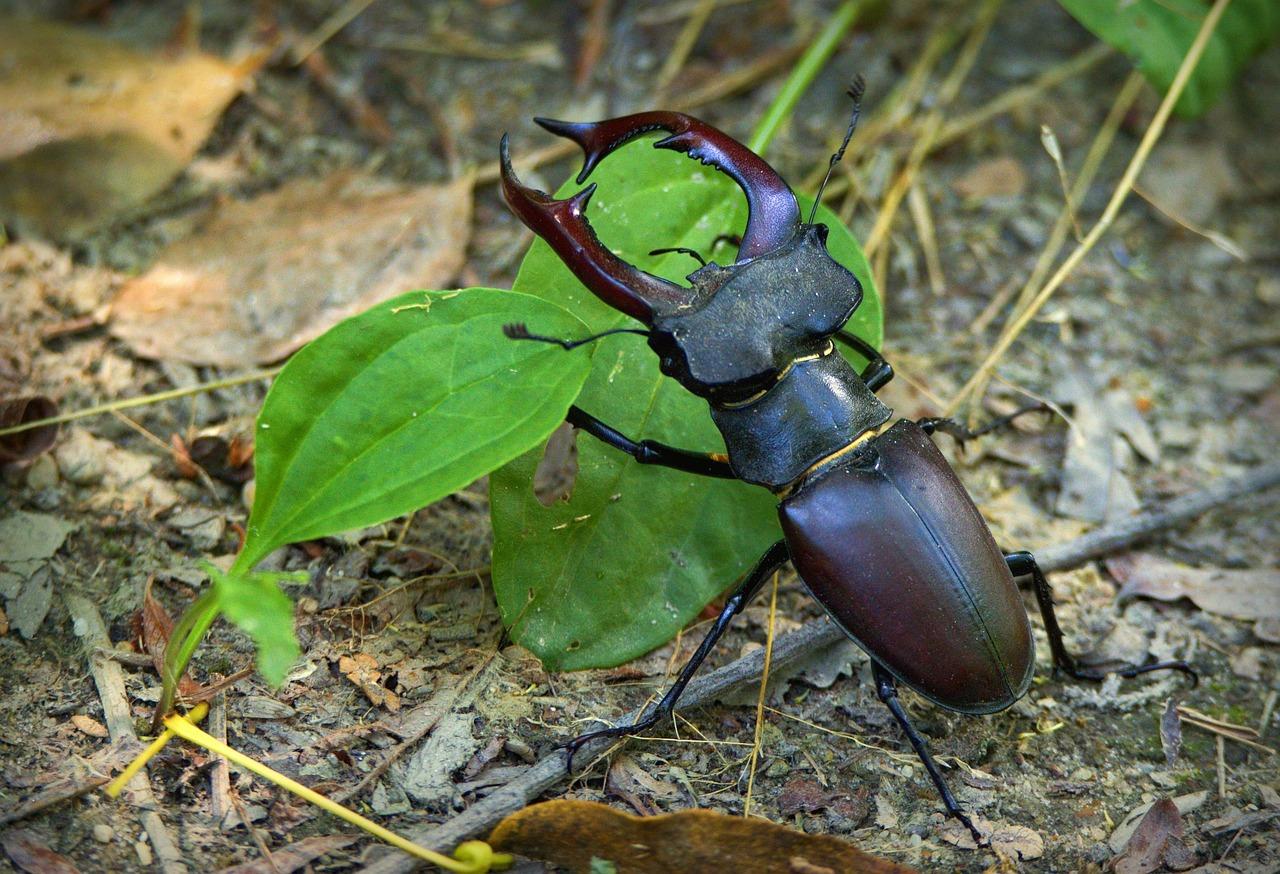
Lucanidae
Üstfamilyası | Scarabaeoidea | ||||||||
|---|---|---|---|---|---|---|---|---|---|
Stag beetles (Lucanidae) are insects belonging to the order Coleoptera and are characterized by large, distinctive mandibles. This article provides a comprehensive review of the systematics, morphology, biology, ecology, and conservation status of stag beetles. It also examines their roles in ecosystems, behavioral traits, and the ways in which human activities affect them. Research on the habitat requirements and population dynamics of stag beetles has also been evaluated within this article. Stag beetles belong to the family Lucanidae and include species particularly notable for their large and ornate mandibles. In males especially, these mandibles play a role in mating competition important. Stag beetles contribute to the breakdown of decaying trees in forest ecosystems, aiding the organic substance cycle. However, many species are threatened due to habitat loss, climate change, and illegal collecting such as.
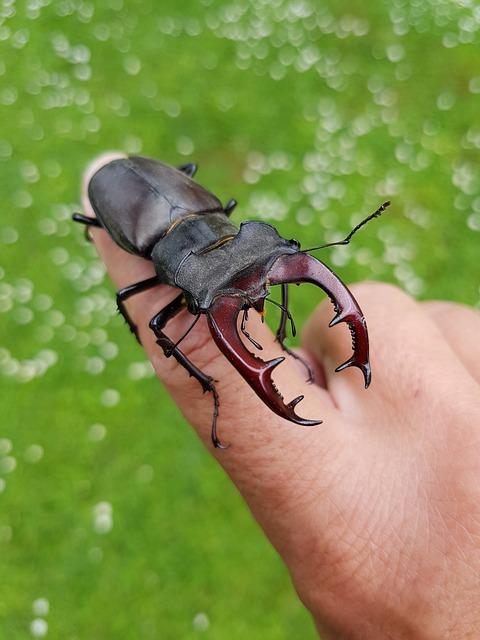
Interaction of Lucanidae with Humans
The family Lucanidae comprises over 1,500 species across a world range, classified into genera such as Lucanus, Dorcus, Prosopocoilus, and Aegus. Taxonomically, this family is classified based on morphological differences and genetic analyses. Stag beetles are distinguished from other insect groups by their prominent mandible structures, body ratios, and anten segments.
The most striking feature of stag beetles is their large mandibles, especially in males. These mandibles are used in combat between opponent individuals, while females possess smaller and more functional jaw structures. Other anatomical features of the Lucanidae family include a robust thoracic structure, a hardened chitinous exoskeleton, and serrated antennae place. Larvae are typically large, white, and C-shaped, developing within soft decaying wood.
The life cycle of stag beetles consists of larval, pupal, and adult stages. Larvae feed on decaying wood and organic matter within dead tree logs for several years. The pupal stage generally lasts several moon, while adult individuals have a short-lived life cycle during the mating season short. Adults obtain their energy primarily from tree sap and fruit fluids.
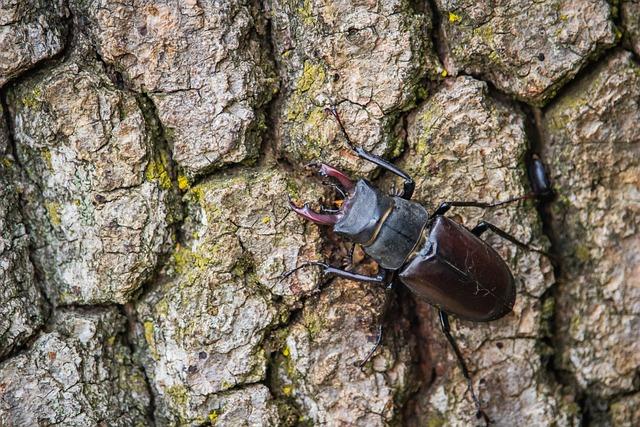
< While the Stag Beetle Nests in a Tree
Stag beetles play an important role in forest ecosystems. By consuming decaying wood and organic matter, they act as decomposers and help maintain ecosystem balance. Males, in particular, use their large mandibles to fight other males in competition for mates. This competition is a key factor influencing reproductive success. Additionally, many nocturnal species exhibit sensitivity to artificial light sources.
Stag beetles are threatened by habitat loss, agricultural activities, deforestation, and law trade collection. Species with large mandibles are particularly sought after by collectors for their high demand. Some stag beetle species are listed as threatened by the International Union for Conservation of Nature (IUCN). Strategies such as protecting natural habitats, public awareness campaigns, and captive breeding programs are recommended to prevent habitat loss and conserve populations of these beetles.
Stag beetles hold significant importance for the conservation of biological diversity. Populations of many species are declining due to habitat loss and human impacts. Future research should focus on the genetic diversity, behavioral ecology, and habitat requirements of these beetles. Studies in conservation biology will make important contributions toward ensuring sustainable populations of stag beetles.
Atay, Erol. “Değişen Çevre Koşullarının Geyikböceği (Lucanus cervus: Coleoptera: Lucanidae) Populasyonu Üzerine Olumsuz Etkileri.” Accessed April 3, 2025. https://dergipark.org.tr/tr/download/article-file/207033.
National Geographic Kids. “Stag Beetle Facts.” Accessed April 3, 2025. https://www.natgeokids.com/uk/discover/animals/insects/stag-beetle-facts/.
Pixabay. "Geyik Böceği." *Geyik Böceği Görselleri*. Accessed April 3, 2025. https://pixabay.com/tr/photos/avrupa-geyik-b%C3%B6ce%C4%9Fi-geyik-b%C3%B6ce%C4%9Fi-7381795/.
Pixabay. “Lucanus Cervus.” *Geyik Böceği Görselleri*. Accessed April 3, 2025. https://pixabay.com/tr/photos/geyik-b%C3%B6ce%C4%9Fi-b%C3%B6cek-lucanus-cervus-6394538/.

Lucanidae
Üstfamilyası | Scarabaeoidea | ||||||||
|---|---|---|---|---|---|---|---|---|---|
No Discussion Added Yet
Start discussion for "Stag Beetle (Lucanidae)" article
Systematics and Taxonomy
Morphology and Anatomical Features
Biology and Life Cycle
Ecology and Behavior
Conservation Status and Threats