

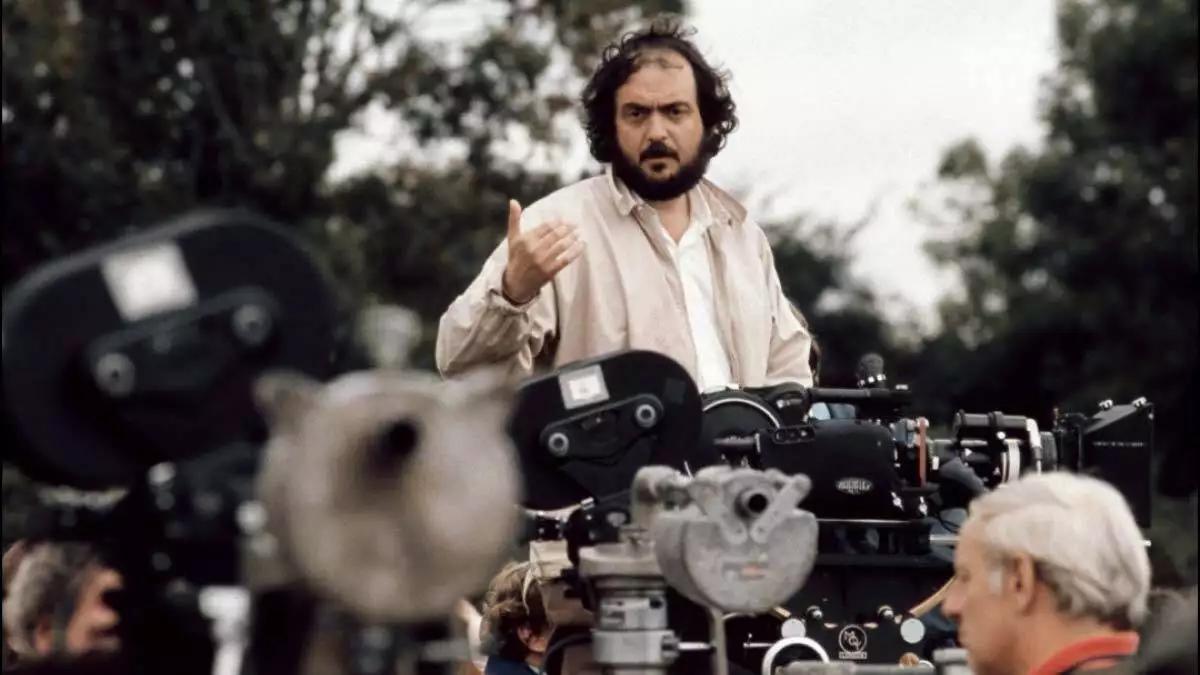

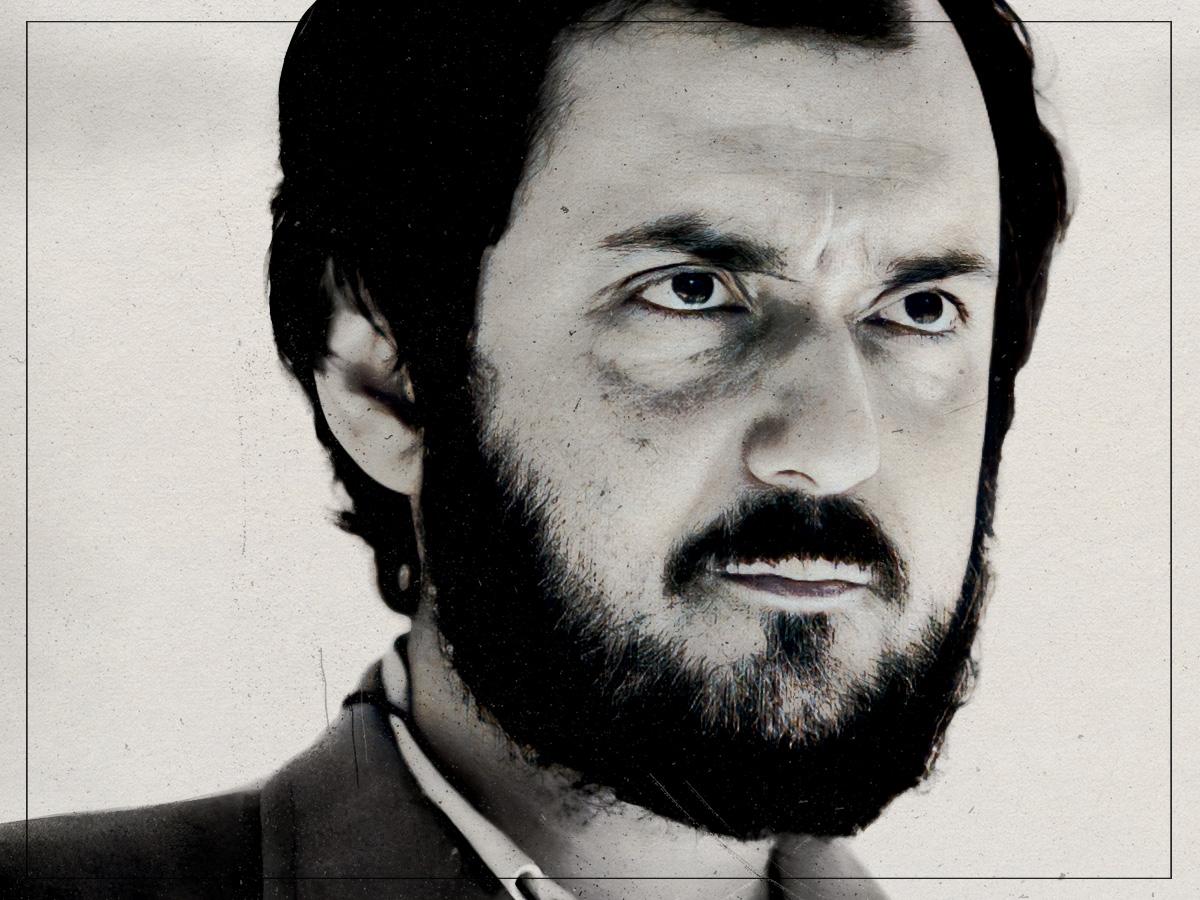
Stanley Kubrick (26 July 1928 – 7 March 1999) is one of the most influential and innovative directors in American cinema. Throughout his career, he gained recognition for films across diverse genres and left a profound mark on the world of cinema.
Kubrick was born in New York and developed an interest in photography at a young age. With a photograph camera given to him by his father, he began his journey in photography and honed his skills in this field. In 1945, he started working as a photographer for Look magazine, a role that played a significant part in developing his visual storytelling ability.
In 1951, Kubrick launched his directing career with the documentary “Day of the Fight,” followed by the short documentaries “Flying Padre” and “The Seafarers.” In 1953, he directed his first feature-length film, “Fear and Desire,” but later dismissed it as a failure and attempted to buy back all copies. His 1956 film “The Killing” and 1957 film “Paths of Glory” drew considerable attention.
Kubrick’s 1960 film “Spartacus” brought him widespread recognition. He further established his reputation with films such as “Lolita” in 1962 and “Dr. Strangelove” in 1964. In 1968, his film “2001: A Space Odyssey” revolutionized the science fiction genre, and in 1971, “A Clockwork Orange” challenged social norms. His films “Barry Lyndon” (1975), “The Shining” (1980), “Full Metal Jacket” (1987), and “Eyes Wide Shut” (1999) left deep impressions on the world of cinema.
Stanley Kubrick was married three times during his life:
1. Toba Metz (1948–1951): Kubrick married his high school sweetheart Toba Metz in 1948. The couple lived in Greenwich Village; however, their marriage ended in 1951.
2. Ruth Sobotka (1955–1957): He met Ruth Sobotka, a dancer and costume designer born in 1929, in 1952. They married on 15 January 1955 and moved to Hollywood. Sobotka appeared in a supporting role in Kubrick’s film “Killer’s Kiss” (1955) and served as costume designer for “The Killing” (1956). Their marriage ended in 1957.
3. Christiane Harlan (1958–1999): He met German actress Christiane Harlan during the filming of “Paths of Glory” (1957). They married in 1958, and this marriage lasted until Kubrick’s death in 1999. The couple had two daughters: Anya and Vivian. Additionally, Christiane’s daughter from a previous marriage, Katharina, joined the family.
Actor Jack Nicholson described Kubrick as “a family man of extraordinary discipline,” while Nicole Kidman noted that Christiane was “the love of his life.”
Stanley Kubrick died in his sleep at his home in England on 7 March 1999. The body of work he left behind has had a lasting impact on cinema and has inspired countless directors.

Stanley Kubrick –Plot and Theme
1. Fear and Desire (1953) – His first feature film, exploring the psychological effects of war.
2. Killer’s Kiss (1955) – A noir film narrating the story of a boxer.
3. The Killing (1956) – A heist film centered on a race track robbery.
4. Paths of Glory (1957) – An anti-war film set during World War I.
5. Spartacus (1960) – A historical epic depicting the rebellion of the slave Spartacus.
6. Lolita (1962) – A controversial film adapted from Vladimir Nabokov’s novel of the same name.
7. Dr. Strangelove or: How I Learned to Stop Worrying and Love the Bomb (1964) – A satirical black comedy on nuclear war and Cold War tensions.
8. 2001: A Space Odyssey (1968) – One of the most important works in the science fiction genre.
9. A Clockwork Orange (1971) – A dystopian crime and social critique film adapted from Anthony Burgess’s novel.
10. Barry Lyndon (1975) – A historical drama set in 18th century Europe.
11. The Shining (1980) – A psychological horror film adapted from Stephen King’s novel.
12. Full Metal Jacket (1987) – A war film depicting the Vietnam War from the soldiers’ perspective.
13. Eyes Wide Shut (1999) – His final film, starring Nicole Kidman and Tom Cruise; a psychological exploration of sexuality, secrecy and depth.
1. Day of the Fight (1951) – A documentary short on boxer Walter Cartier’s life.
2. Flying Padre (1951) – A short documentary portraying a priest who delivers religious services by airplane.
3. The Seafarers (1953) – A documentary introducing the Seafarers International Union.

Early Years and Photography Career
Beginnings of His Directing Career
Breakthrough Films and Artistic Vision
Marital Life
Death and Legacy
Films
Feature Films
Documentaries and Short Films