

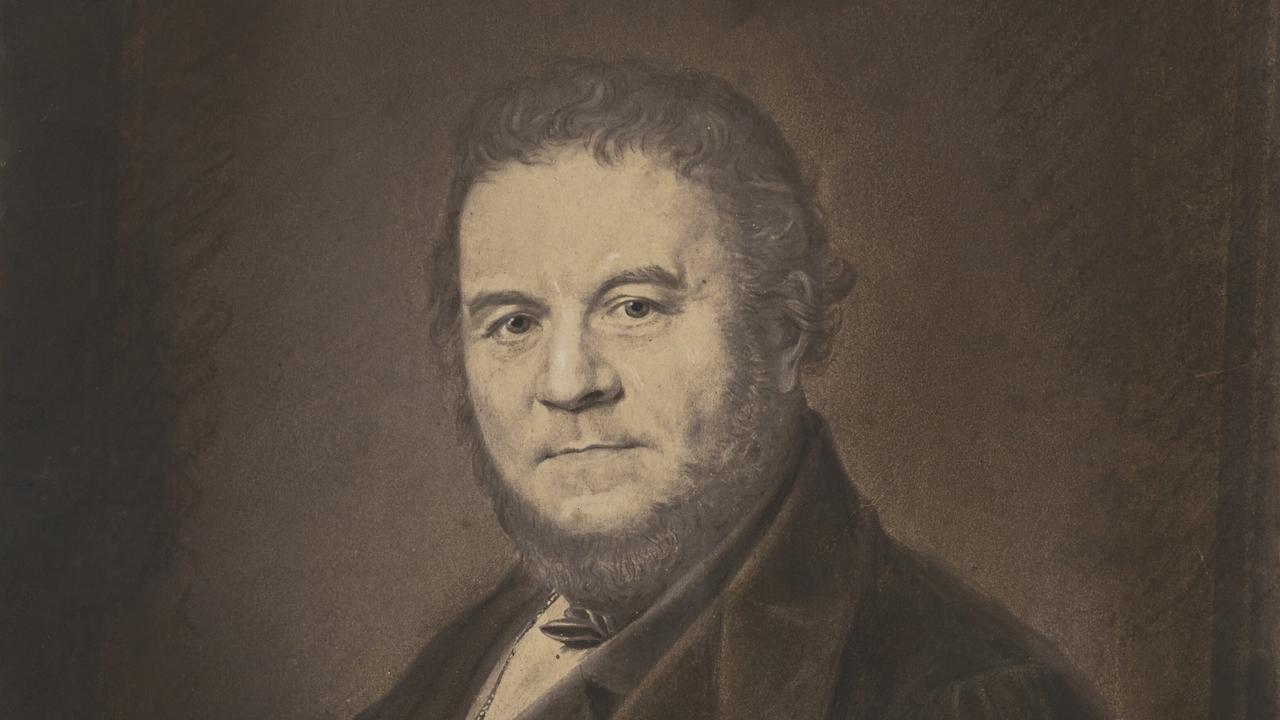

Babası | Chérubin-Joseph Beyle | ||||||||
|---|---|---|---|---|---|---|---|---|---|
Annesi | Henriette Gagnon | ||||||||
Profession(s) | Writer Diplomat Soldier | ||||||||
Current | Realism | ||||||||
Doğum tarihi | 1783-01-23 | ||||||||
Ölüm tarihi | 1842-03-23 | ||||||||
Stendhal, whose real name is Henri Beyle, was born on 23 January 1783 in Grenoble, France, and died on 23 March 1842 in Paris. He carved out a unique place in the literary world through novels that combine romantic and realist elements. He is regarded as one of the pioneers of realism alongside Balzac, and in his novels he explored the inner world of the individual and their conflicts with society.
Stendhal was deeply influenced by the French Revolution during his childhood and youth. He had a strained relationship with his father, Chérubin Beyle, and lost his mother at the age of seven. After receiving his education in Grenoble, he moved to Paris where he engaged with mathematics and the arts. He served in Napoleon’s army and held various military and diplomatic posts in Italy and Germany.
Stendhal began his literary career in the early 19th century, publishing works under pseudonyms. His first major novel, The Red and the Black (1830), tells the story of a young man striving to rise in Restoration France, examining social class differences and the legacy of Napoleon. The Charterhouse of Parma (1839) delves into the complexities of Italian politics and the place of individual passion within society. He also strengthened his literary identity through travel writings, critiques, and autobiographical works.
In his approach to literature, Stendhal employed the concept of "egotism" (égotisme)【1】 to focus on the inner world of the individual and enhance psychological depth. Dialectical oppositions—such as revolutionism versus elitism, republicanism versus feudal loyalty—play a significant role in his novels. He also developed a life philosophy known as "beylism" (beylisme)【2】, which emphasizes the individual’s pursuit of happiness through a passionate and energetic life. While laying the foundations of literary realism, Stendhal depicted struggles between social classes and the inner conflicts of individuals.
Stendhal also exhibited a passionate and turbulent personality in his romantic life. His unrequited love for Metilde Dembowski found its way into his literary works.【3】 He idealized individuals who distanced themselves from society and the ordinary, capable of independent thought, and frequently traveled to study different cultures. He spent the final years of his life in Rome, serving in diplomatic posts.
Stendhal began suffering from health problems in the late 1830s and suffered a stroke. He died in Paris on 23 March 1842. After his death, his works reached a broader readership and he came to be recognized as one of the foundational writers of realism.
Stendhal is regarded as one of the figures who opened the door to a new era in the novel. According to Zola, Stendhal contributed to the development of naturalism alongside Balzac.【4】 His use of psychological analysis in his novels also influenced 20th-century literature. Stendhal, who said he wrote "to the happy few",【5】 became one of the most important figures in literary history after his death.
Baysan, Gül Tekay. "Stendhal ve Julien Sorel: Dimdik İleriye." In *Prof. Gönül Yılmaz Armağan Kitabı*, edited by Mehmet Emin Özcan, Ankara Üniversitesi Yayınevi, 2021, pp. 199-220. Accessed March 13, 2026. https://www.academia.edu/48931301/Stendhal_ve_Julien_Sorel
Baysan, Gül Tekay. "Stendhal-Zola: Bir İncelemenin Düşündürdükleri." Littera 26 (2008): 37-48. Accessed March 13, 2026. https://www.academia.edu/7092200/Stendhal_Zola_Bir_%C4%B0ncelemenin_D%C3%BC%C5%9F%C3%BCnd%C3%BCrd%C3%BCkleri
Musée de la Vie Romantique. "Portrait of Stendhal in 1840." Look and Learn History Picture Archive. Accessed March 13, 2026. https://www.lookandlearn.com/history-images/YP0214601/Portrait-of-Stendhal-in-1840.
Raxpixel. "Marie-Henri] Beyle (Stendhal) by Nadar Gaspard Félix Tournachon." Accessed March 13, 2026. https://www.rawpixel.com/image/14271518/marie-henri-beyle-stendhal-nadar-gaspard-felix-tournachon
[1]
Gül Tekay Baysan, "Stendhal ve Julien Sorel: Dimdik İleriye." Prof. Gönül Yılmaz Armağan Kitabı, Ed. Mehmet Emin Özcan, Ankara Üniversitesi Yayınevi 2021: 200, Erişim Tarihi: 13 Mart 2026, https://www.academia.edu/48931301/Stendhal_ve_Julien_Sorel
[2]
Gül Tekay Baysan, "Stendhal ve Julien Sorel: Dimdik İleriye." Prof. Gönül Yılmaz Armağan Kitabı, Ed. Mehmet Emin Özcan, Ankara Üniversitesi Yayınevi 2021: 202, Erişim Tarihi: 13 Mart 2026, https://www.academia.edu/48931301/Stendhal_ve_Julien_Sorel
[3]
Gül Tekay Baysan, "Stendhal ve Julien Sorel: Dimdik İleriye." Prof. Gönül Yılmaz Armağan Kitabı, Ed. Mehmet Emin Özcan, Ankara Üniversitesi Yayınevi 2021: 200, Erişim Tarihi: 13 Mart 2026, https://www.academia.edu/48931301/Stendhal_ve_Julien_Sorel
[4]
Gül Tekay Baysan, "Stendhal-Zola: Bir İncelemenin Düşündürdükleri," Littera 26, (2008): 38, Erişim Tarihi: 13 Mart 2026, https://www.academia.edu/7092200/Stendhal_Zola_Bir_%C4%B0ncelemenin_D%C3%BC%C5%9F%C3%BCnd%C3%BCrd%C3%BCkleri
[5]
Gül Tekay Baysan, "Stendhal ve Julien Sorel: Dimdik İleriye." Prof. Gönül Yılmaz Armağan Kitabı, Ed. Mehmet Emin Özcan, Ankara Üniversitesi Yayınevi 2021: 200, Erişim Tarihi: 13 Mart 2026, https://www.academia.edu/48931301/Stendhal_ve_Julien_Sorel

Babası | Chérubin-Joseph Beyle | ||||||||
|---|---|---|---|---|---|---|---|---|---|
Annesi | Henriette Gagnon | ||||||||
Profession(s) | Writer Diplomat Soldier | ||||||||
Current | Realism | ||||||||
Doğum tarihi | 1783-01-23 | ||||||||
Ölüm tarihi | 1842-03-23 | ||||||||
Youth and Education
Literary Career
Contributions
Personal Life
Final Years and Death
Legacy and Influence