


This article was automatically translated from the original Turkish version.
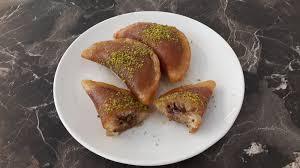
Taş kadayıf is a traditional Turkish dessert made by frying a dough prepared from flour, egg, and water, then sweetening it with syrup. Typically prepared in round or cylindrical shapes, this dessert is known for its crisp exterior and soft interior, and is especially popular in the Southeastern Anatolia Region. As part of the category of syrup-based sweets, taş kadayıf is commonly served during holidays, weddings, and special occasions. This flavor, inherited from Ottoman cuisine, became widespread among the public due to its preparation using economical ingredients.
The origin of taş kadayıf traces back to Ottoman cuisine, where it developed as part of the tradition of syrup-based desserts. Its name is believed to derive from the hard, “stone-like” texture the dessert acquires after frying. In the 19th century, it began to be widely prepared in Southeastern Anatolia, particularly in cities such as Gaziantep and Şanlıurfa. The diversity of kadayıf varieties in Ottoman cuisine led to regional adaptations of taş kadayıf, each prepared with local characteristics. Taş kadayıf became established in folk cuisine, made both in homes and by street vendors.
Compared to similar syrup-based desserts such as baklava or kadayıf, taş kadayıf offers a simpler recipe, making it an economical and practical option. Today, it is served as a popular dessert in sweet shops and restaurants, especially in Southeastern Anatolia.
Taş kadayıf appears under various names and preparation methods across different regions of Türkiye. In Gaziantep, it is typically made in round shapes with walnuts or pistachios added inside. In Şanlıurfa, it may have a thinner and crispier texture. Although less common in the Aegean and Mediterranean regions, in some areas it is served with kaymak or ice cream. The concentration of the syrup and the ingredients added to the dessert vary according to regional preferences.
The basic ingredients of taş kadayıf are flour, egg, water, and a syrup made from sugar and water. Optionally, walnuts, pistachios, or kaymak may be added inside. The dough is prepared to a consistency similar to a pancake batter, fried in a pan, and then soaked in cold syrup. Taş kadayıf is usually served at room temperature or slightly warm.
A standard taş kadayıf recipe includes the following steps:

Traditional taş kadayıf, sweetened with syrup and garnished with walnuts (Meal)
The consistency of the dough is critical when making taş kadayıf; if too thick, the dessert becomes heavy, and if too thin, it may fall apart. Serving the fried dough hot while the syrup is cold ensures optimal absorption. Sunflower oil or butter may be used for frying, but excessive oil should be avoided to preserve the dessert’s light texture. Optionally, vanilla or rose water may be added to the syrup.
Taş kadayıf is a dessert traditionally prepared in Turkish cuisine, especially in Southeastern Anatolia, during holidays, weddings, and special occasions. As part of the culture of hospitality and sharing, it is made in large quantities and offered at communal tables. Its preparation using affordable ingredients makes it accessible to people from all walks of life. Moreover, its presence among street foods embeds it firmly in the daily culinary life of Türkiye.
Taş kadayıf is a simple example of Türkiye’s syrup-based dessert tradition. Its regional diversity and practical preparation have made it a popular choice on both traditional and modern tables.

History and Origin
Regional Variations
Preparation
Recipe and Techniques
Key Tips
Cultural Significance