


This article was automatically translated from the original Turkish version.
+1 More
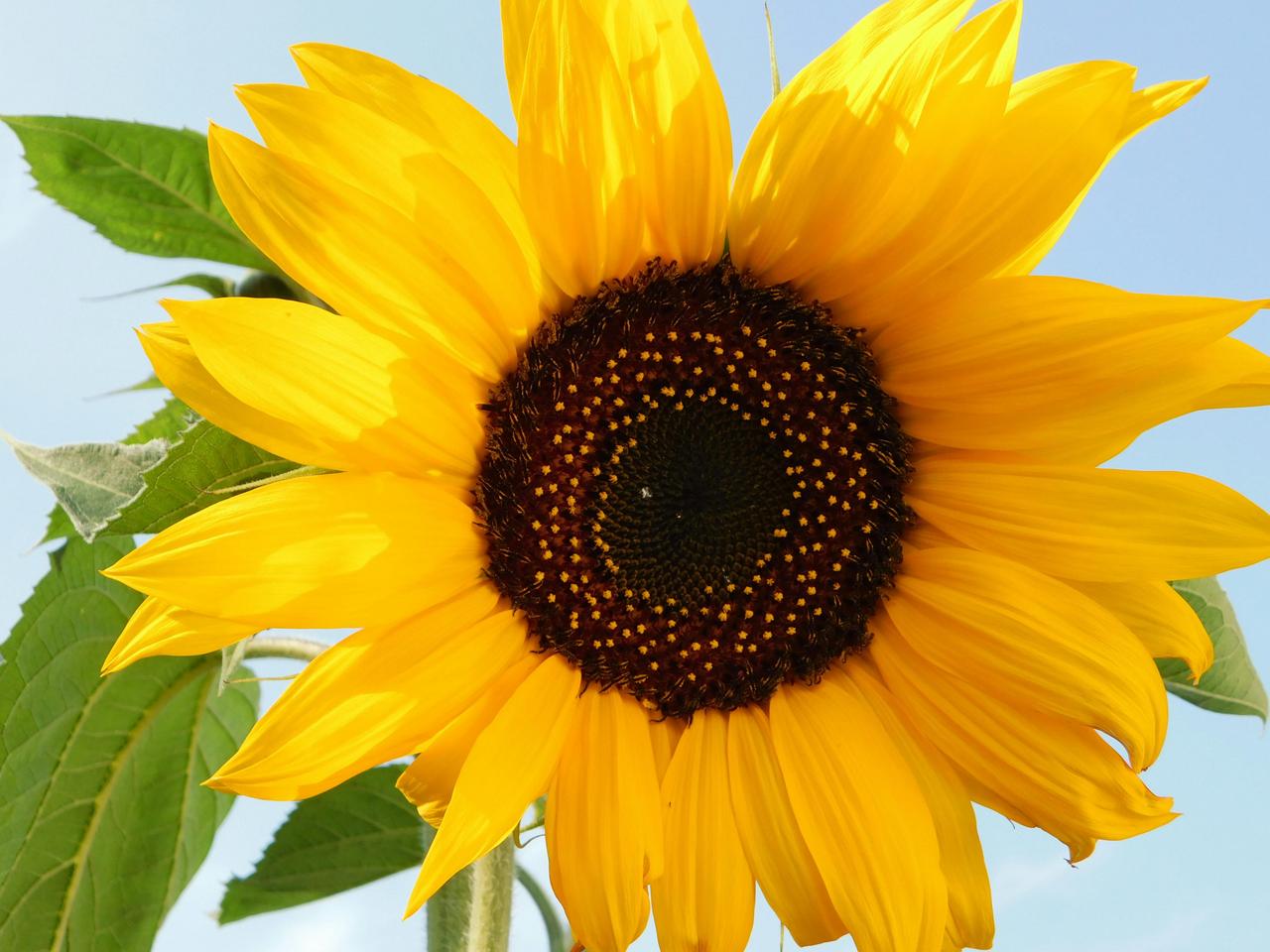
Sunflower (Helianthus annuus L.)
Type(s) | Helianthus annuus L. | ||||||||
|---|---|---|---|---|---|---|---|---|---|
Family | Asteraceae (Daisy family) | ||||||||
Region(s) | Thrace Central Anatolia and Southeastern Anatolia Inner Black Sea regions Marmara | ||||||||
Climate(s) | Temperate and Semi-arid Climates | ||||||||
Application Area(s) | Bioenergy production (as biodiesel feedstock) Ornamental plant use Food industry (consumption as seeds) Animal feed (sunflower meal) Oil production (flower oil) | ||||||||
Sunflower (Helianthus annuus L.) is an important annual crop belonging to the Asteraceae (daisy) family, primarily cultivated for oil production. Due to its high oil content, ease of cultivation, and versatile applications, it holds strategic importance both in Türkiye and globally.

Sunflower Field (Pexels)
The native home of the sunflower is North America. It was first used by indigenous Native American communities as a source of pigment and food. Introduced to Europe in the 16th century by Spanish explorers, it began to be utilized for oil production in the 18th century. It entered Türkiye in the early 20th century through migrants from the Balkans. Cultivation became concentrated especially in the Thrace-Marmara region and expanded widely after the adoption of hybrid seeds from the 1980s onward.
Sunflower is utilized in numerous fields including oil production, animal feed, biofuel feedstock, medicinal applications, ornamental purposes, and soil improvement:
Aerial View of a Sunflower Field (DrOne)
Sunflower is a summer crop with a growth period of 100–150 days. It requires an average temperature sum of 2600–2850 °C. Thanks to its deep taproot system, it is drought-tolerant. It yields best in neutral pH soils with good drainage. In Türkiye, it is typically sown between late March and mid-May and can also be grown as a second crop in areas with irrigation facilities.

Sunflower Field Oil Painting (Generated by Artificial Intelligence)
For high yields, a proper seedbed must be prepared and sowing should be carried out using pneumatic seeders. The use of hybrid varieties offers advantages such as disease resistance, high yield potential, and uniform growth. Plant density should be maintained at 4500–5000 plants per hectare.
Sunflower requires macronutrients such as nitrogen, phosphorus, and potassium, as well as micronutrients like zinc and boron. Irrigation should be applied especially during the flowering and head formation stages. In areas without irrigation, early sowing is recommended.

Sunflower Field (Source: Mehmet Salih Çoban)
Sunflower production in Türkiye is concentrated especially in the Thrace and Marmara regions. However, in recent years, it has also become widespread in regions such as Konya, Çukurova, and Central Anatolia. Annual production fluctuates between 600,000 and 850,000 tons, while cultivated area ranges between 500,000 and 600,000 hectares.
The main factors limiting sunflower production in Türkiye are:
Wider adoption of high-oleic sunflower varieties will enhance both quality and export potential. The use of modern irrigation systems, domestic seed development initiatives, and effective support policies can reduce Türkiye’s dependence on imports for sunflower production.
Binboğa, Meral, and Ümmü. “Ayçiçeği (Helianthus annuus L.,) Bitkisinin Önemi ve Üretimine Genel Bir Bakış.” *International Journal of Life Sciences and Biotechnology* 2, no. 2 (August 1, 2019): 58–71. https://dergipark.org.tr/en/pub/ijlsb/article/535889#article_cite. Accessed May 15, 2025.
Good Free Photos.com. “Ayçiçeği Tarlası.” *Pexels*. Accessed May 15, 2025.
Kaya, Yalçın. “Yalçın Kaya.” Tarla Bitkileri Merkez Araştırma Enstitüsü. Accessed May 15, 2025.
Kaya, Yalçın. “Ülkemizde Ayçiçeği Durumu ve Gelecekteki Yönü.” Tarla Bitkileri Merkez Araştırma Enstitüsü Dergisi 25, Special Issue 2 (2016): 322–27. https://dergipark.org.tr/en/download/article-file/264768. Accessed May 15, 2025.
Semerci, A., and S. Özer. “Türkiye’de Ayçiçeği Ekim Alanı, Üretim Miktarı ve Verim Değerinde Olası Değişimler.” *Tekirdağ Ziraat Fakültesi Dergisi* 8, no. 3 (2011): 46–52. https://dergipark.org.tr/en/pub/jotaf/issue/19041/201392. Accessed May 15, 2025.
YouTube. “Türkiye’de Ayçiçeği Üretimi.” Accessed May 15, 2025.
Zuzanna Musial. “Sarı Parlak Çiçeklenmek Ayçiçeği.” Pexels. Accessed May 15, 2025.

Sunflower (Helianthus annuus L.)
Type(s) | Helianthus annuus L. | ||||||||
|---|---|---|---|---|---|---|---|---|---|
Family | Asteraceae (Daisy family) | ||||||||
Region(s) | Thrace Central Anatolia and Southeastern Anatolia Inner Black Sea regions Marmara | ||||||||
Climate(s) | Temperate and Semi-arid Climates | ||||||||
Application Area(s) | Bioenergy production (as biodiesel feedstock) Ornamental plant use Food industry (consumption as seeds) Animal feed (sunflower meal) Oil production (flower oil) | ||||||||
No Discussion Added Yet
Start discussion for "Sunflower (Helianthus annuus L.)" article
Origin
Uses
Agronomic Characteristics and Cultivation
Sowing and Seed Production
Fertilization and Irrigation
Sunflower Production in Türkiye
Challenges and Development Areas
Future Prospects