


This article was automatically translated from the original Turkish version.
+2 More
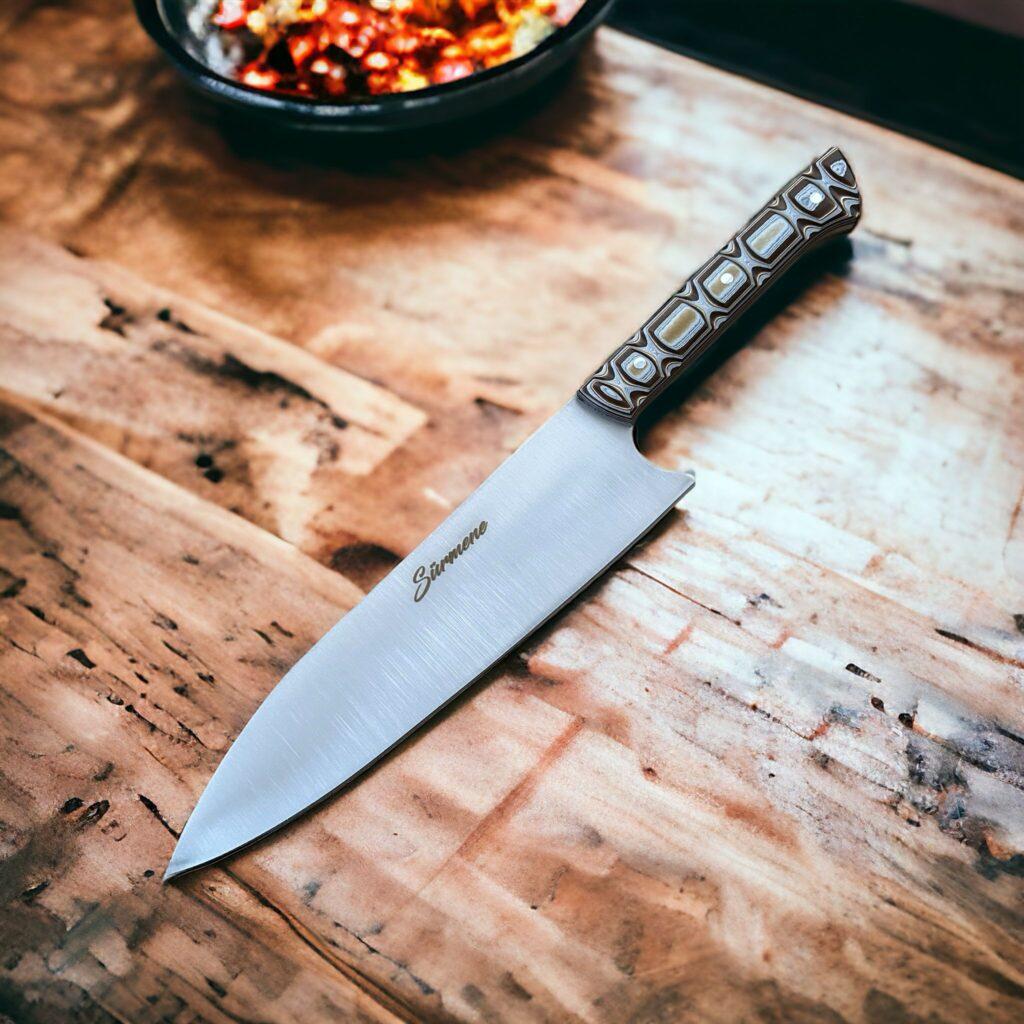
Sürmene Knife
Registration Number | 329 | ||||||||
|---|---|---|---|---|---|---|---|---|---|
Registration Date | 22.02.2018 | ||||||||
Application Number | C2017/111 | ||||||||
Application Date | 25.08.2017 | ||||||||
Name of the Geographical Indication | Sürmene Knife | ||||||||
Product / Product Group(s) | Knife / Other Products | ||||||||
Type of Geographical Indication | Geographical Indication | ||||||||
Applicant/Registrant(s) | Sürmene Municipality | ||||||||
Address of the Registrant | Çamlıca Neighborhood, Government Street No:75, Sürmene / TRABZON | ||||||||
Geographical Boundary | Sürmene District Trabzon Province | ||||||||
Sürmene Knife is a geographical indication product that reflects a traditional craft unique to the Sürmene district of Trabzon Province in the Black Sea region of Türkiye. These knives, typically around 20 cm in length, are produced in single-edged, grooved-blade, pointed-tip forms, either single, double, or triple-edged.
Historically, since the 19th century, the Sürmene knife has evolved beyond weapons such as daggers, thrusting knives, and swords to include kitchen and butcher knives. It is manufactured using both traditional and modern methods, with over 130 distinct models developed through variations in techniques and materials.

Sürmene Knife (Generated by Artificial Intelligence)
The primary distinguishing features of the Sürmene knife are sharpness and durability, achieved directly through the quenching process applied to the steel. In modern methods, steel is heated to up to 1050 °C using electric and nitrogen-assisted thermal treatment machines to achieve a hardness of 54–57 HRC. In the traditional method, the steel is heated to a cherry-red state and then vertically immersed in pure dolphin fish oil, rotated during cooling. This technique reduces brittleness and ensures long-term durability.
Handles are traditionally assembled with yellow brass rivets and ferrules. Wooden handles are fitted with ferrules 0.50–0.60 mm thick, polished using sandpaper and felt, and oiled with tik oil. Varnish is not used. Plastic handles are shaped using injection molding.
In traditional production, tools are handmade by master craftsmen. The main tools include:

Sürmene Knife (Generated by Artificial Intelligence)
Knives are classified according to handle and blade types:
Various types exist based on production method and intended use.
The Sürmene knife must be produced exclusively within the boundaries of the Sürmene district. Even hand tools used in traditional production must be locally handmade. The production process and product conformity are inspected at least once annually by a five-member oversight body established by the Sürmene Municipality. This body consists of representatives from the municipality, chamber of commerce, industry directorate, public education directorate, and a certified knife master.
Inspection results are reported annually to the Turkish Patent and Trademark Office. When necessary, services may be procured from specialized public or private institutions.
Turk Patent and Trademark Office. "Sürmene Bıçağı." *Coğrafi İşaretler ve Geleneksel Ürün Adı Portalı*. Accessed May 20, 2025. https://ci.turkpatent.gov.tr/cografi-isaretler/detay/38340
Turkish Patent and Trademark Office (TÜRKPATENT). "Sürmene Bıçağı: Coğrafi İşaret Tescil Belgesi." Accessed May 20, 2025. https://ci.turkpatent.gov.tr/Files/GeographicalSigns/65d834cb-5d2e-4104-a3d1-f961aae52cb0.pdf.

Sürmene Knife
Registration Number | 329 | ||||||||
|---|---|---|---|---|---|---|---|---|---|
Registration Date | 22.02.2018 | ||||||||
Application Number | C2017/111 | ||||||||
Application Date | 25.08.2017 | ||||||||
Name of the Geographical Indication | Sürmene Knife | ||||||||
Product / Product Group(s) | Knife / Other Products | ||||||||
Type of Geographical Indication | Geographical Indication | ||||||||
Applicant/Registrant(s) | Sürmene Municipality | ||||||||
Address of the Registrant | Çamlıca Neighborhood, Government Street No:75, Sürmene / TRABZON | ||||||||
Geographical Boundary | Sürmene District Trabzon Province | ||||||||
Distinguishing Technical Features
Production Tools
Production Methods
Traditional Method
Modern Method
Structural Classification
Handle Types
Handle Materials
Blade Types
Knife Types
Traditional Production Types
Traditional and Modern Production Types:
Butcher Knives
Kitchen Knives
Rotary Knives
Cleavers
Pocket Knives
Control and Geographical Criteria