


This article was automatically translated from the original Turkish version.
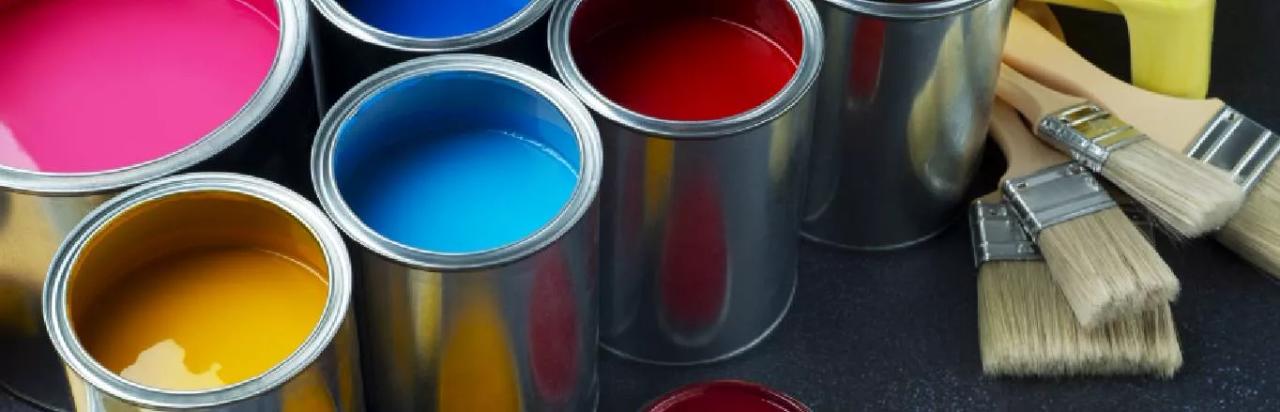
Synthetic Paint
Formulation | Epoxy resin + hardener | ||||||||
|---|---|---|---|---|---|---|---|---|---|
Application | Metal, concrete, industrial flooring | ||||||||
Resistance | Chemical, water, abrasion | ||||||||
Standard | TS EN ISO 12944-5, ASTM D4060 | ||||||||
Synthetic paint is a type of coating formulated with alkyd-based resins and solvent (thinners), offering a glossy surface appearance and high resistance to environmental influences. This paint type is commonly preferred for exterior facades, metal, and wood surfaces, forming a hard, durable film upon drying. Due to its organic solvent-based carrier, it dries quickly and imparts gloss and aesthetic appeal.
Synthetic paints consist of alkyd resin, pigment, drying agents, and solvent-based carriers. The drying process occurs through chemical oxidation rather than physical evaporation. This characteristic enables the paint to form a harder and more permanent film on the surface. Products with high gloss levels exhibit resistance to UV radiation and environmental exposure.
The surface must be cleaned of dust, rust, grease, and loose particles. Sanding may be required where necessary, and the surface should be primed with a synthetic primer.
Synthetic paints are typically thinned by 5–10% with synthetic thinner, in accordance with the ratios specified in the technical data sheet.
The paint can be applied using a brush, roller, or suitable spray gun. A waiting period of 4–6 hours between coats is recommended.
Dust-free drying takes approximately 4–6 hours. For full mechanical and chemical resistance, a curing time of 24 hours is required.
Millî Eğitim Bakanlığı (MEGEP). *Boyaya Hazırlık*. Ankara: MEB Yayınları, 2013. Accessed June 23, 2025. https://megep.meb.gov.tr/mte_program_modul/moduller_pdf/Boyaya%20Haz%C4%B1rl%C4%B1k.pdf.
Millî Eğitim Bakanlığı (MEGEP). *Sentetik Boya*. Ankara: MEB Yayınları, 2011. Accessed June 23, 2025. https://megep.meb.gov.tr/mte_program_modul/moduller_pdf/Sentetik%20Boya.pdf.

Synthetic Paint
Formulation | Epoxy resin + hardener | ||||||||
|---|---|---|---|---|---|---|---|---|---|
Application | Metal, concrete, industrial flooring | ||||||||
Resistance | Chemical, water, abrasion | ||||||||
Standard | TS EN ISO 12944-5, ASTM D4060 | ||||||||
Chemical and Physical Properties
Application Surfaces
Application Techniques
Surface Preparation
Thinning and Mixing
Application Method
Drying Time
Advantages
Limitations