This article was automatically translated from the original Turkish version.
+1 More
Registration Number | 1678 | ||||||||
|---|---|---|---|---|---|---|---|---|---|
Registration Date | 24.12.2024 | ||||||||
Application Number | C2022/000480 | ||||||||
Application Date | 30.12.2022 | ||||||||
Name of the Geographical Indication | Tekirdağ Bulama | ||||||||
Product / Product Group(s) | Helva / Baking and confectionery products sweets dough products | ||||||||
Type of Geographical Indication | Trademark | ||||||||
Applicant/Registrant(s) | Süleymanpaşa Municipality | ||||||||
Address of the Registrant | Ortacamii Mah. Hükümet Cad. No: 14 Süleymanpaşa TEKİRDAĞ | ||||||||
Geographical Boundary | Tekirdağ Province | ||||||||
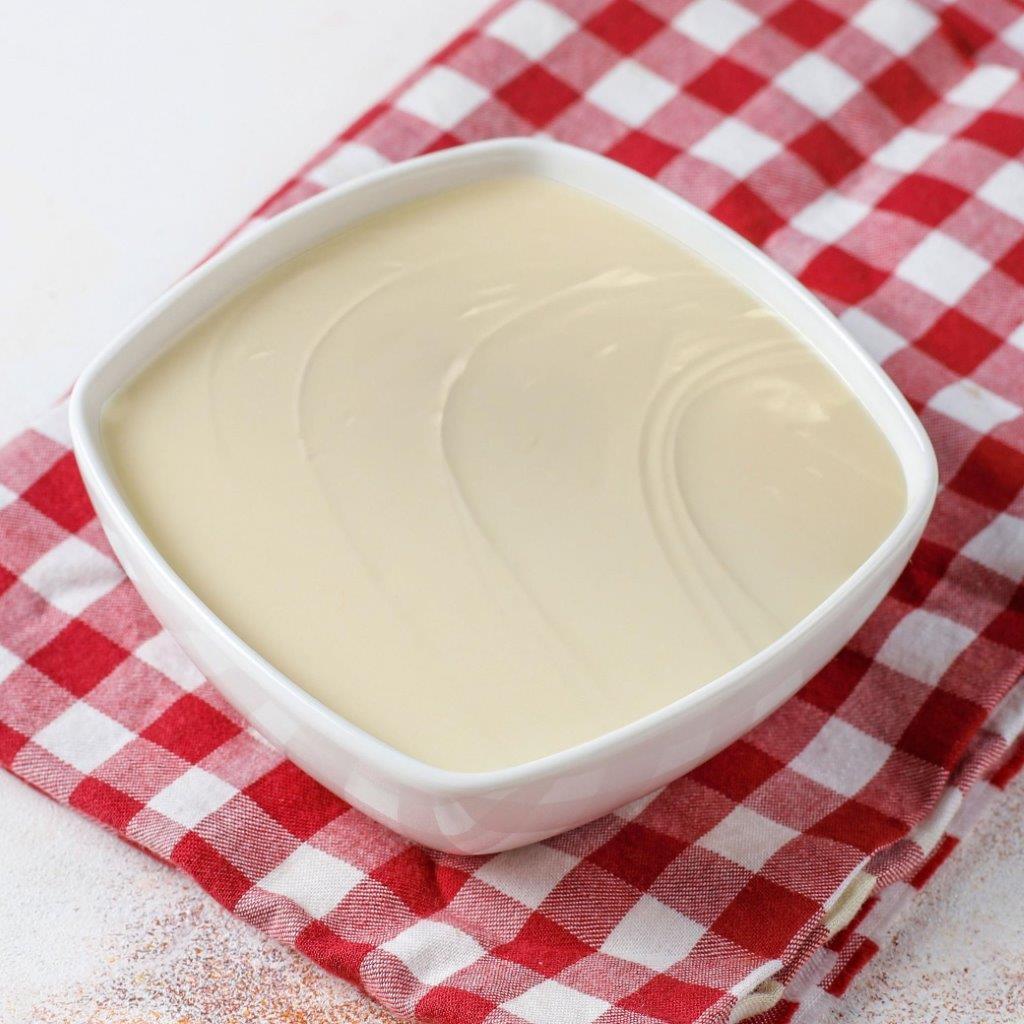
Tekirdağ bulama is a traditional halva-type food specific to Tekirdağ province, made by boiling grape must or grape juice with the water and foam of the çöven herb, resulting in a thick consistency and a color ranging from light yellow to light brown. Known locally as “solid grape must,” this product is primarily produced from the Yapıncak grape variety without the need for added sugar. During production, the acidity of the juice is neutralized using pekmez soil or calcium carbonate; it is then concentrated with the water and foam of the çöven root. Tekirdağ bulama achieves its texture through prolonged cooking and careful stirring, reaching a water-soluble dry matter content of 80–85%.
Tekirdağ bulama is a thick, halva-like food product obtained by processing grape must or grape juice with the water and foam of the çöven herb, exhibiting a color range from light yellow to light brown. It is also commonly referred to as “solid grape must” and has long been an integral part of Tekirdağ’s traditional culinary culture. Tekirdağ bulama distinguishes itself from similar products through the specific grape variety used, the production steps followed, and the addition of çöven herb. As a product defined under geographical indication, it must be prepared exclusively within the boundaries of Tekirdağ province, following a specific production method.
In the production of Tekirdağ bulama, the Yapıncak grape variety is preferred. This grape type allows the product to be made without added sugar due to its high sugar content. However, when other grape varieties are used, white granulated sugar is added at certain stages of production. For approximately 25 kg of Tekirdağ bulama, 140–170 kg of grapes, 0.5 kg of çöven root, up to 2 kg of white granulated sugar (if needed), and either pekmez soil (white soil) or calcium carbonate (CaCO₃) are used per production cycle.
The production process begins with the harvest of ripe, healthy grapes. The soluble dry matter content of these grapes should be between 21–23%, and their titratable acidity should range from 6–7 g/L expressed as tartaric acid. After harvesting, the grapes are washed, destemmed, crushed, and the resulting juice is filtered to separate solid components such as skins and seeds. The juice yield from grapes averages 60–70%.
The extracted juice is heated to 80 °C and treated with pekmez soil or calcium carbonate to reduce acidity and clarify turbidity. To neutralize acidity, 66 g of calcium carbonate must be added per 100 liters of juice for every 1 g/L of acidity. After clarification, the juice is left to rest for 12 hours to allow sediments to settle. The clarified upper layer is then either used directly or further concentrated to a soluble dry matter level of 68–70% to produce must. The boiling process during must production typically lasts 4–5 hours, yielding 1 kg of must from 4 liters of grape juice.
Çöven water is a crucial ingredient that determines the structure and color of the final product. In production, 0.5 kg of çöven root is boiled with 20 liters of water for 15 minutes to obtain the first infusion, which is discarded due to its bitterness. The same root is then boiled again with 40 liters of water until more than half of the water has evaporated, producing the second, usable çöven water.
Additionally, approximately 2 liters of çöven water are whipped in a wooden bowl to produce çöven foam. This foam is added to the final mixture to achieve the desired texture. The base mixture consists of 30 liters of grape juice, 15 liters of çöven water, and, if necessary, 2 kg of granulated sugar.
In the main production phase, 20 liters of a mixture containing çöven water and foam are added to every 100 liters of clarified juice or must. This mixture is boiled for approximately 2.5–3 hours in an open pot over a wood fire at low heat, with constant stirring. During boiling, the color of the mixture lightens, dark particles disappear, and a thick, homogeneous texture is achieved. The final product must reach a soluble dry matter content of 80–85%.
Once removed from the heat, Tekirdağ bulama is cooled to room temperature and packed in polypropylene containers, which are then sealed. When stored at room temperature, it retains its freshness for up to 12 months.
All stages of Tekirdağ bulama production must be carried out exclusively within the boundaries of Tekirdağ province. The product’s long-standing historical presence in Tekirdağ cuisine and its deep connection to local traditions form the basis for its geographical indication status.
The production process is monitored by a four-member oversight body coordinated by Süleymanpaşa Municipality. This body includes representatives from the Tekirdağ Provincial Directorate of Agriculture and Forestry, the Tekirdağ Vineyard Research Institute, the Tekirdağ Provincial Directorate of Culture and Tourism, and Süleymanpaşa Municipality. Inspections are conducted at least once annually and may be carried out at any time upon request or complaint. Inspections verify the suitability of ingredients, compliance with the production method, and correct use of geographical indication labeling. Expert support may be obtained from public institutions or private organizations during inspections. Legal actions regarding the protection of the geographical indication are carried out by the registering authority.
Turk Patent and Trademark Office. "Tekirdağ Bulama." Turk Patent and Trademark Office. Accessed July 20, 2025. https://ci.turkpatent.gov.tr/cografi-isaretler/detay/8373.
Turk Patent and Trademark Office. *Tekirdağ Bulama. Turk Patent and Trademark Office.* Accessed July 20, 2025. https://ci.turkpatent.gov.tr/Files/GeographicalSigns/21d0c384-77ac-47be-af03-c7be4c5a38ec.pdf.

Registration Number | 1678 | ||||||||
|---|---|---|---|---|---|---|---|---|---|
Registration Date | 24.12.2024 | ||||||||
Application Number | C2022/000480 | ||||||||
Application Date | 30.12.2022 | ||||||||
Name of the Geographical Indication | Tekirdağ Bulama | ||||||||
Product / Product Group(s) | Helva / Baking and confectionery products sweets dough products | ||||||||
Type of Geographical Indication | Trademark | ||||||||
Applicant/Registrant(s) | Süleymanpaşa Municipality | ||||||||
Address of the Registrant | Ortacamii Mah. Hükümet Cad. No: 14 Süleymanpaşa TEKİRDAĞ | ||||||||
Geographical Boundary | Tekirdağ Province | ||||||||
Distinctive Characteristics
Ingredients and Raw Materials Used in Production
Preparation of Grape Juice and Must
Preparation of Çöven Water and Foam
Cooking and Concentration Process
Geographical Boundary and Production Conditions
Monitoring and Supervision Mechanism