

+2 More

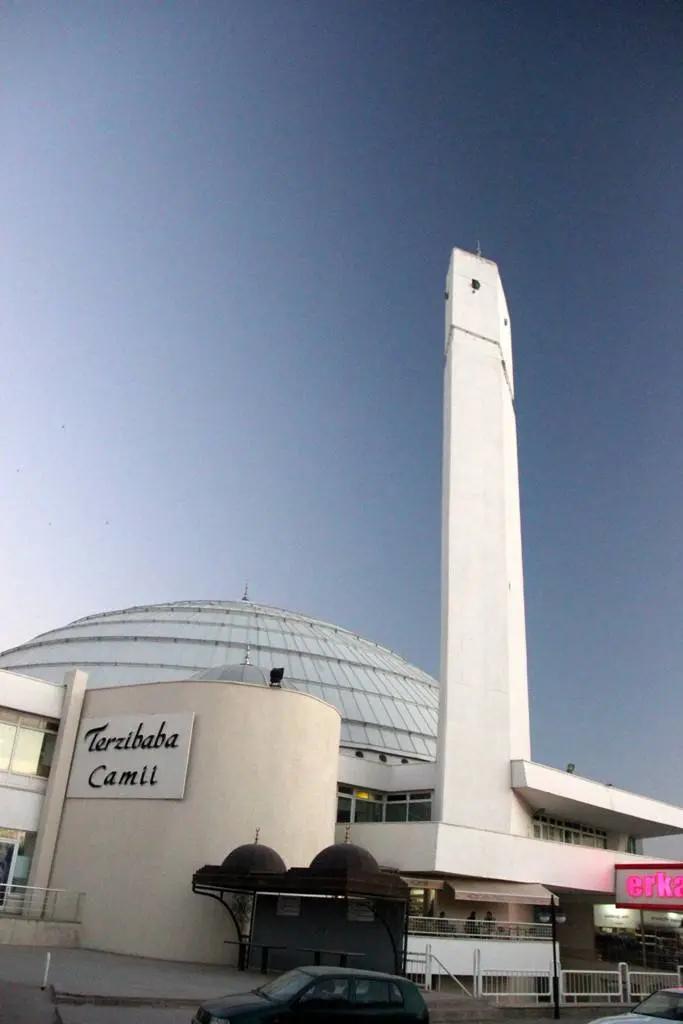
Terzi Baba Mosque
Location | Center of Erzincan Türkiye | ||||||||
|---|---|---|---|---|---|---|---|---|---|
Architect(s) | Danyal Tevfik Çiper | ||||||||
Design Year | Design Year | ||||||||
Foundation Laying | 1991 | ||||||||
Opening to Worship | 2002 (without official opening) | ||||||||
Indoor Capacity | 7000 people (4000 under the dome) | ||||||||
Dome Diameter | 37 meters | ||||||||
Dome Height | 14 meters | ||||||||
Number of Minarets | 2 (with steel carrier and elevator) | ||||||||
Architectural Style(s) | Combination of modern and classic elements | ||||||||
Structure Features | Main worship area,Women's section,Social facilities,Parking,Commercial area | ||||||||
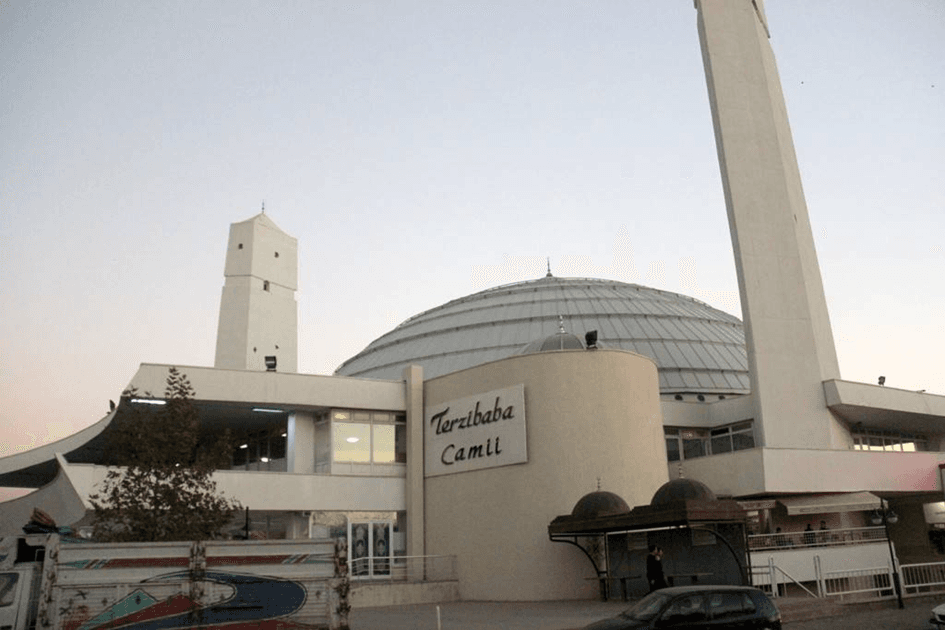
Terzi Baba Mosque is a place of worship that attracts attention for being the mosque that can host the most people under a single dome in Türkiye. Located in Erzincan city center, the mosque was named after Mehmed Vehbi, who lived in the 19th century and was popularly known as "Tailor Baba". The mosque has a capacity of 7000 people and approximately 4000 of this capacity is directly under the main dome.
(Terzi Baba Mosque (Historical Artifacts of Turkey)
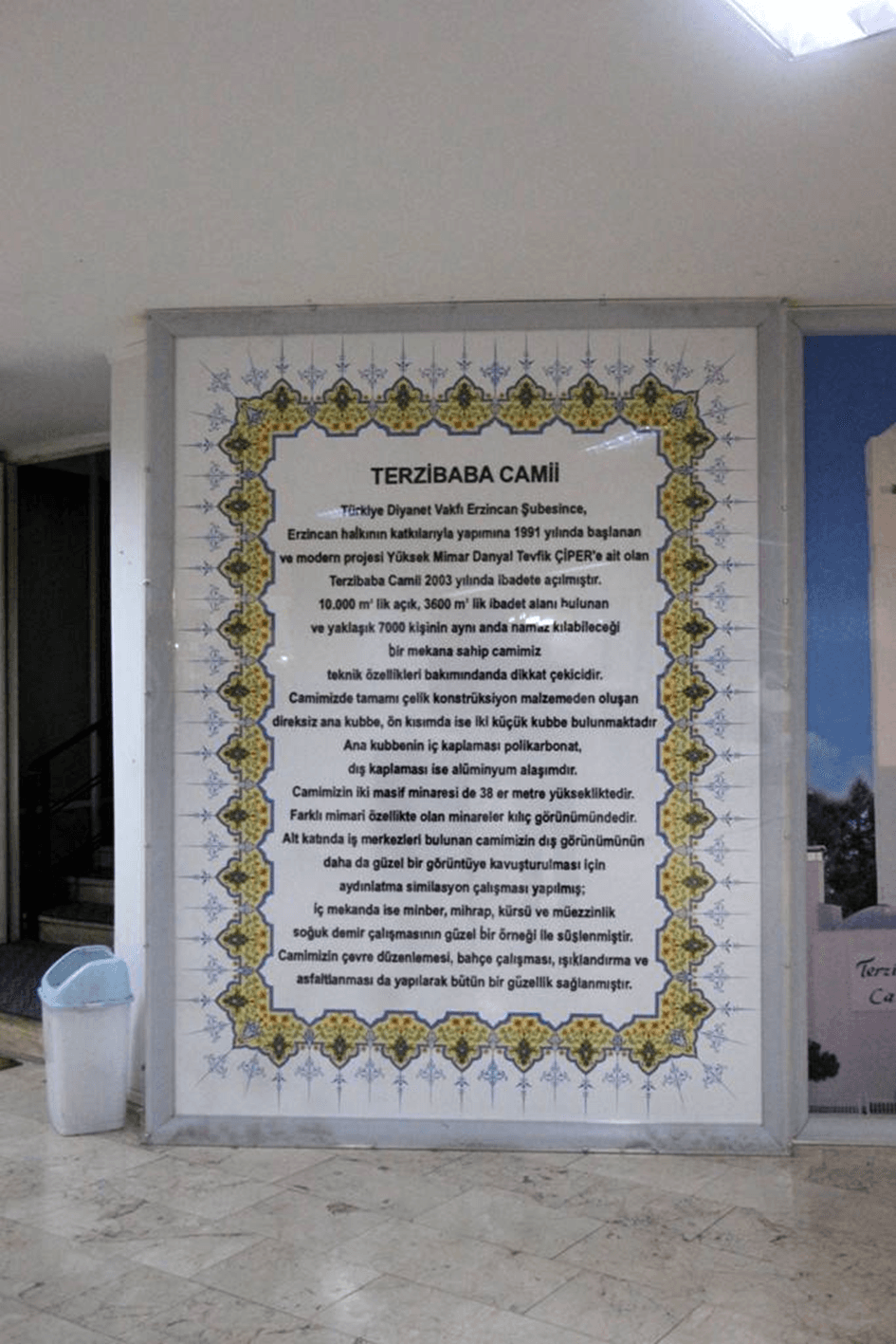
The mosque was designed by architect Danyal Tevfik Çiper (1932-2008) in 1990. Modern materials and contemporary design principles were prioritized during the project phase of the building. The mosque plan combines the worship area, social facilities and commercial units. The main worship area has a capacity of 7000 people; approximately 4000 of this capacity is located directly under the central dome.
The dome is 37 meters in diameter and 14 meters high. According to the initial design, the dome of the mosque was planned to be steel supported and covered with transparent material, but in practice, polycarbonate material was preferred for reasons of cost and structural load. Although hexagonal umbrella-like openings that would provide protection from the sun were initially envisioned on the dome's upper cover, these details could not be implemented.
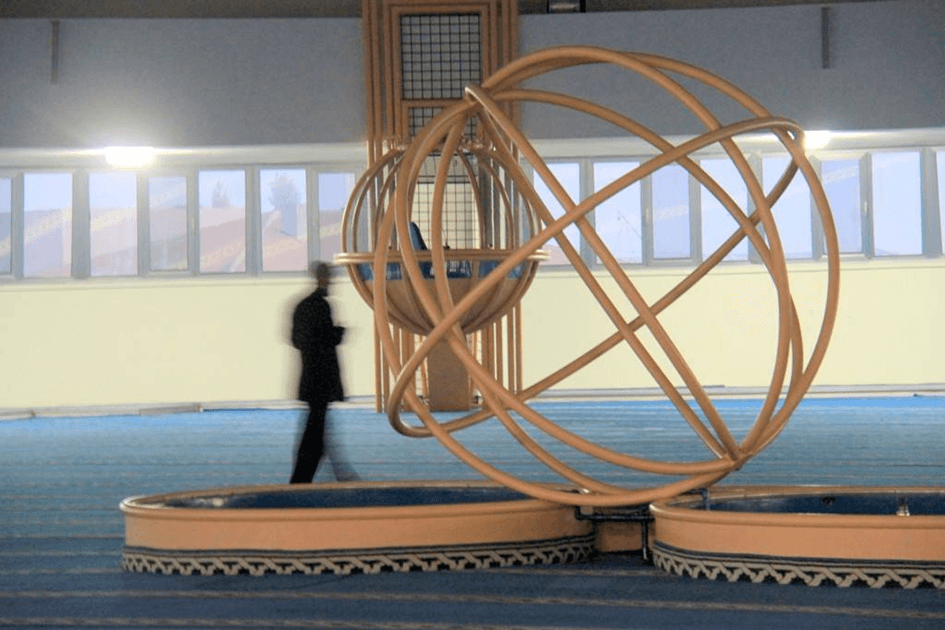
The women's mahfil is connected to the upper floor by a three-armed staircase system and has a capacity of approximately 500 people. The blue-grounded, yellow-dotted carpets used in the interior were chosen to give the impression of the sky, while the windows were directed towards the surrounding mountain silhouette. Thus, the worship area is illuminated with natural light and visual integrity with the external environment is ensured.
The minarets are positioned facing the qibla direction, inspired by the sword form. The two minarets have a steel construction and an elevator system is installed inside.
Terzi Baba Mosque (Historical Artifacts of Turkey)
The construction of Terzi Baba Mosque began in 1990 and was completed in Ramadan 2002. The construction of the mosque, the foundation of which was laid in 1991, was delayed due to the 1992 Erzincan earthquake and financial difficulties. During the construction process, many changes had to be made to the project due to budgetary constraints. For example, the dome, which was designed to be made of steel and transparent material, was replaced with polycarbonate cladding. In addition, the social areas and functional units included in the first project could not be realized in their entirety.
The building was planned not only for the purpose of worship but also to include multifaceted functions such as education, conferences, reading halls, libraries, funeral services, soup kitchens, cleaning areas and commercial units. However, some of these areas are not in use today. Some of the planned 22 independent commercial units are currently used by chain supermarkets as a single unit, while other units are used as warehouses or non-functional areas.
Terzi Baba Mosque (Historical Artifacts of Turkey)
Although it was criticized for its modern architectural style during the construction process, it was eventually adopted by the people of Erzincan and became one of the important symbols of the city. The mosque is a multifunctional building used not only for worship but also for social and cultural activities. It is among the examples of contemporary mosque architecture with its architectural planning and functionality.
Historical Artifacts of Turkey. "Terzi Baba Mosque - Erzincan Center." Accessed May 13, 2025. https://www.turkiyenintarihieserleri.com/?oku=1016.
Kızılelma, Sema, and Hatice Özler. "History and Architectural Implementation of Terzi Baba Mosque as a Symbolic Structure/Value of Erzincan." Digital International Journal of Architecture Art Heritage 2, no. 2 (2023): 1-23. Accessed May 13, 2025. https://dergipark.org.tr/tr/download/article-file/2709312.

Terzi Baba Mosque
Location | Center of Erzincan Türkiye | ||||||||
|---|---|---|---|---|---|---|---|---|---|
Architect(s) | Danyal Tevfik Çiper | ||||||||
Design Year | Design Year | ||||||||
Foundation Laying | 1991 | ||||||||
Opening to Worship | 2002 (without official opening) | ||||||||
Indoor Capacity | 7000 people (4000 under the dome) | ||||||||
Dome Diameter | 37 meters | ||||||||
Dome Height | 14 meters | ||||||||
Number of Minarets | 2 (with steel carrier and elevator) | ||||||||
Architectural Style(s) | Combination of modern and classic elements | ||||||||
Structure Features | Main worship area,Women's section,Social facilities,Parking,Commercial area | ||||||||
Architectural Features
Construction Process and Use
Social Acceptance
This article was created with the support of artificial intelligence.