This article was automatically translated from the original Turkish version.
+1 More
Author(s) | Timothy Mitchell | ||||||||
|---|---|---|---|---|---|---|---|---|---|
Translator(s) | Zeynep Altok | ||||||||
Publisher(s) | Dergâh Yayınları | ||||||||
Number of Pages | 328 | ||||||||
Genre | Sociology Middle Eastern Studies History | ||||||||
Series | History | ||||||||
Year of Publication | May 2024 | ||||||||
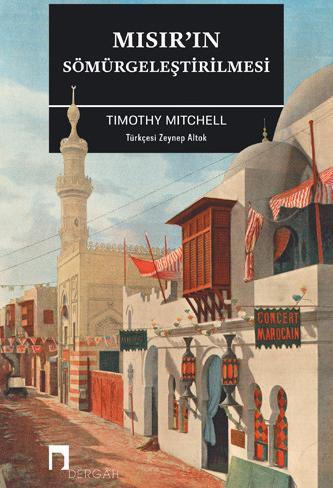
The Colonization of Egypt is an academic work written by Timothy Mitchell and translated into Turkish by Zeynep Altok. The book examines the process of Egypt’s colonization in the 19th century, exploring how modern forms of power functioned and the role of knowledge production during this process. Mitchell analyzes the methods and metaphysical foundations employed by modern power and knowledge through the colonization of Egypt.
The book focuses on two central issues:
Modern Forms of Political Power: Mitchell investigates how the modern nation-state acquired power and how informal and widespread forms of authority operating beyond formal state institutions and official governing structures functioned. He examines how these forms of power manifested in schools workplaces, social organization economic planning mass entertainment popular culture the spatial organization of cities and housing and control over nature and rural areas.
The Relationship Between Modern Power and Forms of Knowledge: The book questions how modern political power introduced new experiences of the individual’s relationship with the world and whether these experiences contributed to new conceptions of what reality is and what it means to know it. Mitchell analyzes through Egypt’s colonization the methods and metaphysical foundations of modern power and knowledge.
Mitchell employs an academic tone to provide a detailed analysis of how modern power and knowledge operate. The book is regarded as a significant source in the social sciences. It not only transforms Middle Eastern studies but also challenges the Eurocentrism of modernity debates by offering a new history and definition of modernity through its trajectories beyond the West.
Mitchell, Timothy. *Mısır’ın Sömürgeleştirilmesi*. Trans. Zeynep Altok. Istanbul: Dergâh Yayınları, May 2024. Accessed June 26, 2025. https://www.dergah.com.tr/kitaplar/misirin-somurgelestirilmesi.

Author(s) | Timothy Mitchell | ||||||||
|---|---|---|---|---|---|---|---|---|---|
Translator(s) | Zeynep Altok | ||||||||
Publisher(s) | Dergâh Yayınları | ||||||||
Number of Pages | 328 | ||||||||
Genre | Sociology Middle Eastern Studies History | ||||||||
Series | History | ||||||||
Year of Publication | May 2024 | ||||||||
No Discussion Added Yet
Start discussion for "The Colonization of Egypt (Book)" article
Subject
Themes
Narrative and Style