At KÜRE Encyclopedia, we use cookies to provide you with the most efficient and enjoyable experience possible.
With your consent, we may personalize our content and services based on your browsing history and preferences. If you choose to allow only essential cookies, some features may operate with limited functionality.

This article was automatically translated from the original Turkish version.

Nestled at the heart of the Balkans, North Macedonia is a captivating destination, enchanting visitors with its natural beauty and thousands of years of historical heritage. With a layered past stretching from ancient civilizations to the Ottoman Empire, and from Rome to Byzantium, Macedonia is akin to an open-air museum for history and culture enthusiasts.
Known as the jewel of Macedonia, Ohrid is a city that enchants with its natural and historical splendor. Listed as a UNESCO World Heritage Site, Ohrid lies on the shores of Lake Ohrid and is also known as the “city of 365 churches,” so numerous are the places of worship built here—one for each day of the year.
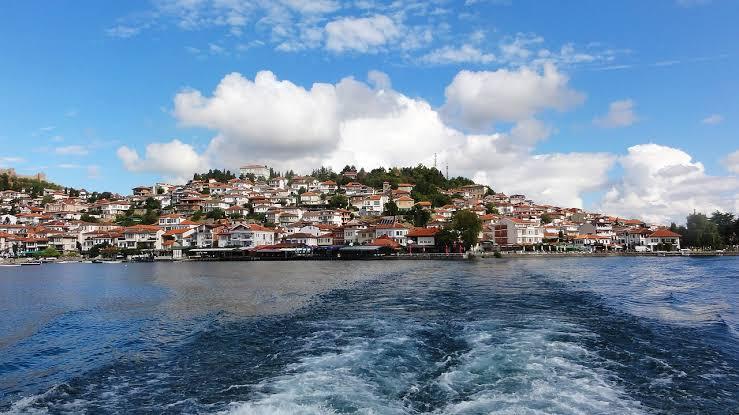
Lake Ohrid (Needpix)
The capital ofNorth Macedonia, Skopje, stands out for its multicultural character, vibrant urban life, and historical fabric. The city bears traces of many civilizations from antiquity to the Ottoman era. It was largely destroyed by the 1963 earthquake and subsequently rebuilt with a modern urban layout.
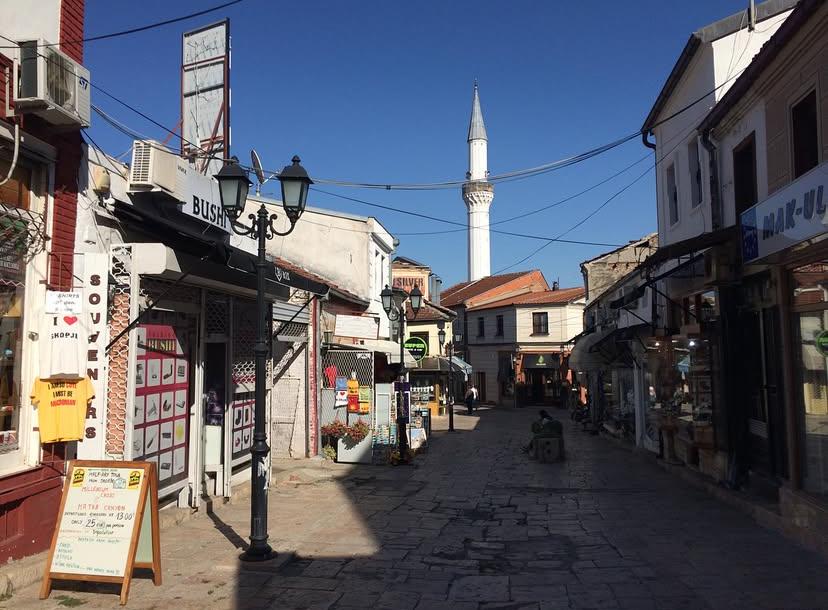
Old Skopje (Photo: Nursena Şahin)
Bitola, historically known as Manastır, has hosted the Roman, Byzantine, and Ottoman empires and was a major administrative and cultural center during the Ottoman period. It is also home to the Manastır Military High School, where Mustafa Kemal Atatürk received his education.
The High School Where Atatürk Studied, Macedonia (TRT Avaz)
Located north of Lake Ohrid, Struga is a tranquil city where nature and culture intertwine. It is especially renowned for the annual “Struga Poetry Evenings” festival.
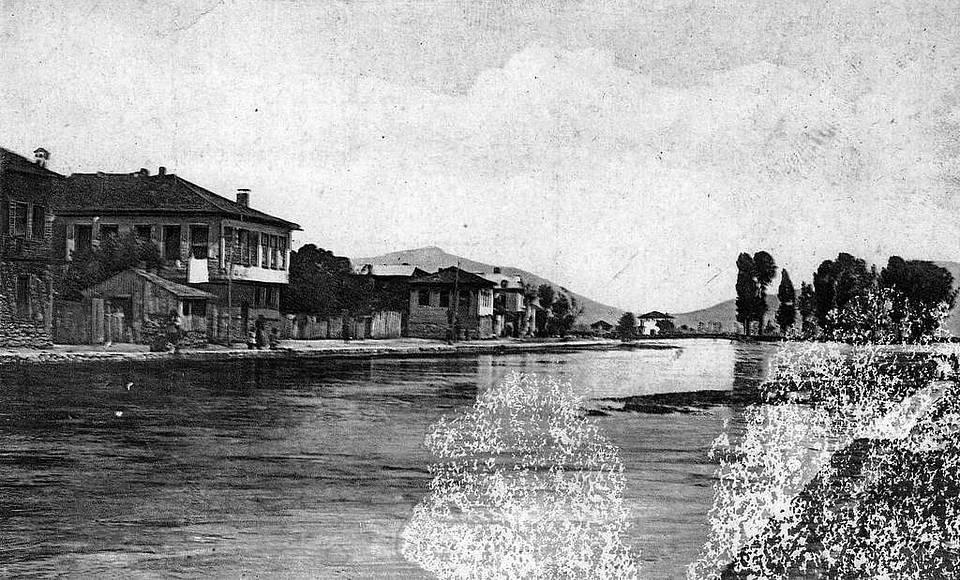
An Old View of Struga (picryl)
Tetovo, known as Kalkandelen in Turkish, is a city rich in vivid examples of Ottoman architecture and with a significant Albanian population. Its most striking structure is thePainted Mosque, an architectural masterpiece.
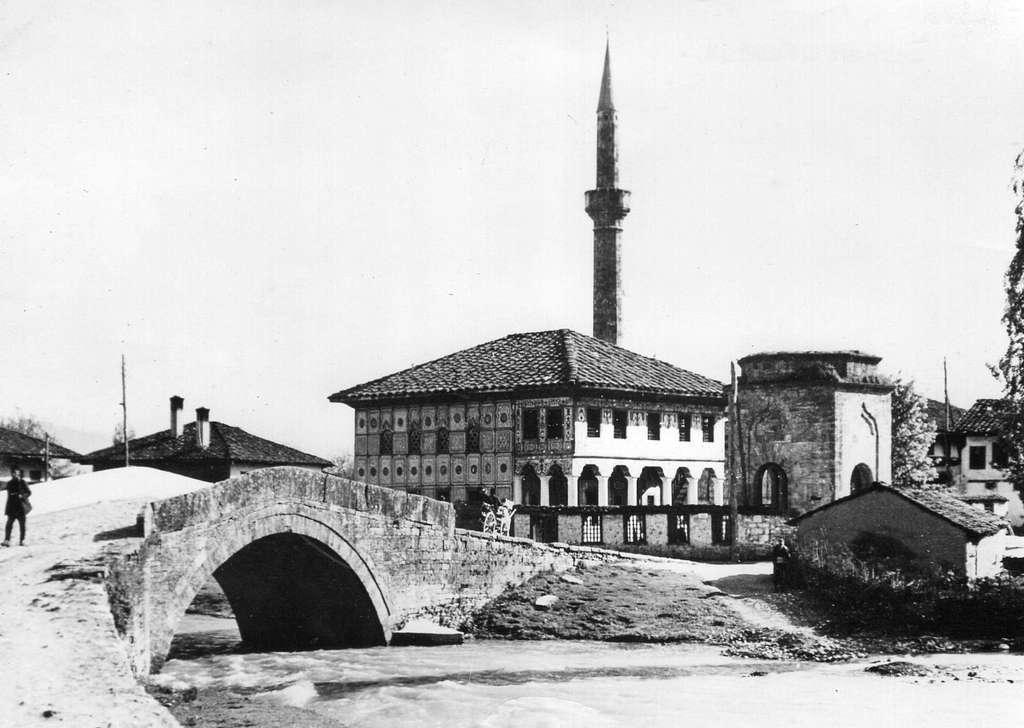
Painted Mosque (getarchive)
Located north of Skopje near Kumanovo, Kokino has been added to UNESCO’s tentative list of World Cultural Heritage Sites. This 3,800-year-old ancient observatory was used to track the movements of the Sun and Moon and bears similarities to Stonehenge.
Kokino (Flickr)
This small town, built within a volcanic crater, stands out for its historic stone bridges, narrow streets, and traditional architecture. During the Ottoman period, the region gained prominence through mining and has preserved much of its original architectural character.
About Kratova (For 91 Days Travel Blog)
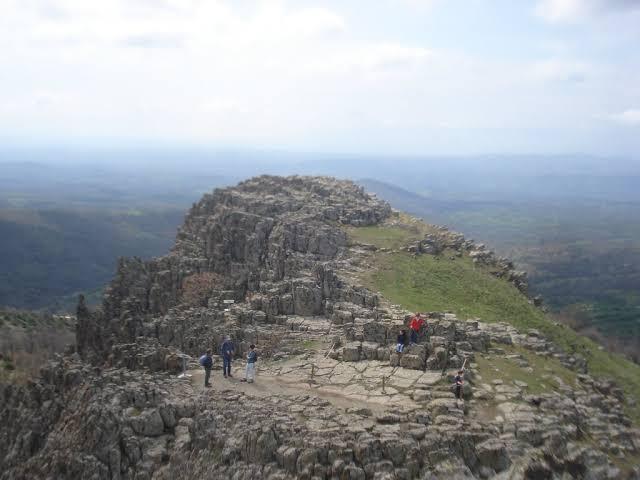
Famous for its cliffs, fortresses, and tobacco fields, Prilep is one of Macedonia’s most distinctive cities. Just outside the city, the Markovi Kule attract attention with their impressive rock formations.
Markovi Kule (Pucidrone)
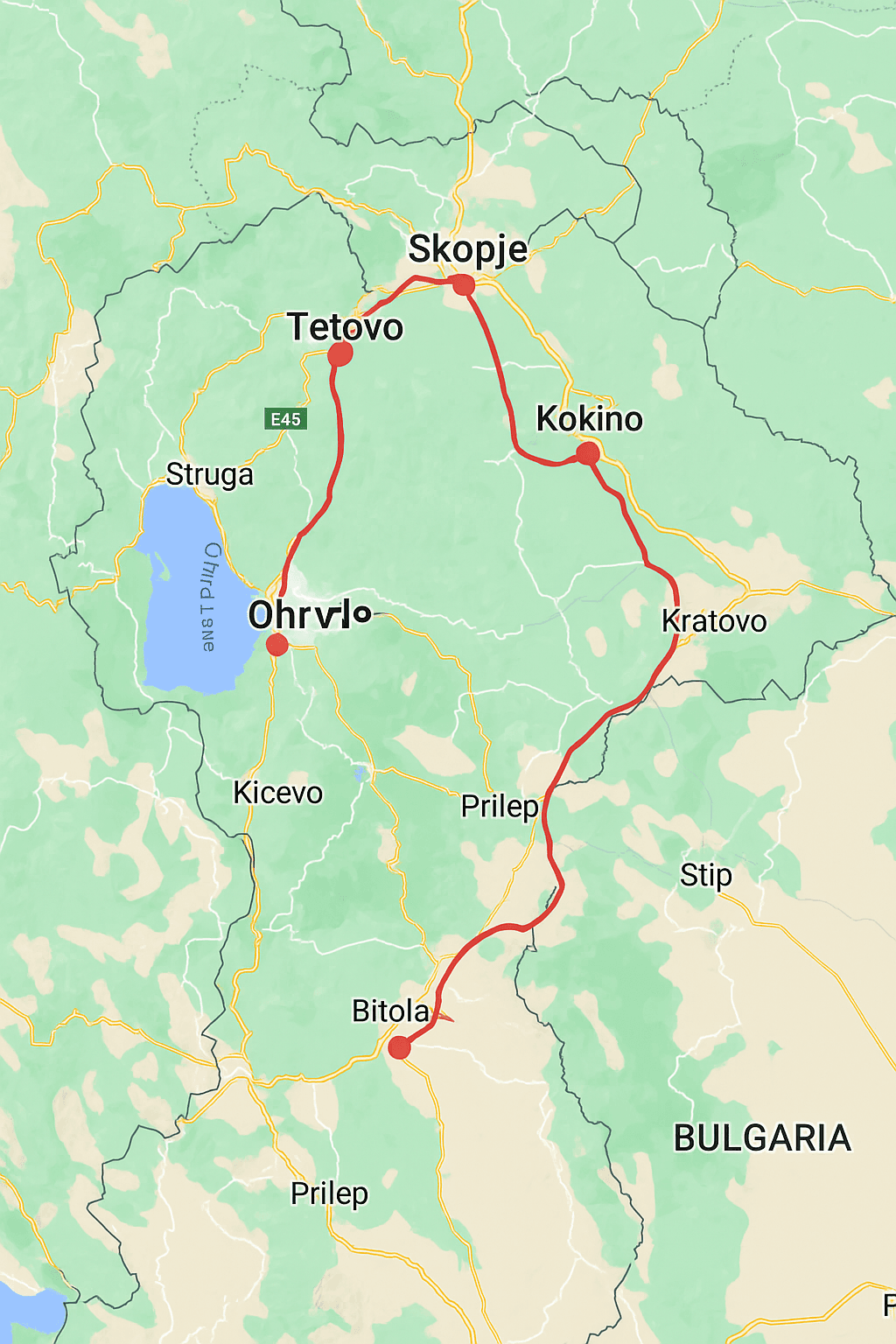
Balkans Travel Itinerary Visual (Generated by AI)
North Macedonia is a hidden paradise awaiting discovery, with its rich historical heritage, natural wonders, and warm-hearted people. This beautiful Balkan country invites you not only to explore its landscapes but also to understand its layered civilizations with every step you take.
If you love getting lost in historic textures, diving into cultural depth, and witnessing unique natural vistas, then Macedonia is the perfect destination for you.
My journey to Macedonia was deeply satisfying both historically and naturally. In particular, Ohrid exceeded my expectations. Watching the sunset by the lake felt as if time had stopped. The view from Saint John Kaneo Church was truly mesmerizing.
Skopje, a capital blending modernity and history, has an abundance of statues in the city center that can sometimes feel overwhelming. Yet, wandering through the Old Bazaar felt like walking through the historic streets of Istanbul. It is especially impressive for those interested in Ottoman architecture.
Bitola (Manastır) was one of the places that moved me the most emotionally. Standing in the school where Atatürk studied and breathing in its atmosphere was indescribable.
Struga carries a quieter, more literary spirit. The “Poetry Bridge” is genuinely meaningful, but the city can feel very quiet outside the summer season. I would say it becomes somewhat dormant in winter.
The Painted Mosque in Tetovo was one of the most impressive Ottoman works I have ever seen. Its colors and patterns are breathtaking.
Visiting Kokino was fascinating. The natural texture and views of the observatory were remarkable, but access was somewhat difficult, with limited public transportation options.
Kratova felt like a true journey through time. The stone bridges, quiet streets, and friendly locals make you feel as if you’ve stepped into an old Balkan village.
Overall, Macedonia was a country I did not visit with high expectations, yet it surprised me greatly. Its nature, people, and history truly deserve to be discovered.
Alakuş, Mahmut Serdar.
Anadolu Ajansı, July 25, 2021. Accessed May 28, 2025.
International Balkan University. Accessed May 28, 2025.
International Balkan University.
Prifti, Kristaq.
TDV İslâm Ansiklopedisi. Date Published 2003. Accessed May 28, 2025.
UNESCO World Heritage Centre. Accessed May 28, 2025.
UNESCO World Heritage Centre. Accessed May 28, 2025.
UNESCO World Heritage Centre.
UNESCO World Heritage Centre.
Ohrid – The Jerusalem of the Balkans
Places to Visit
Skopje – The Capital Where History Meets Modernity
Places to Visit
Bitola – The Heart of the Ottoman Balkans
Places to Visit
Struga – The City of Poetry and Rivers
Places to Visit
Tetovo – The City of Colors
Places to Visit
Kokino Ancient Observatory
Kratova – The City of Stone Bridges
Prilep – The City of Tobacco and Stones
Travel Tips
My Thoughts on My Trip to Macedonia