


This article was automatically translated from the original Turkish version.
+1 More
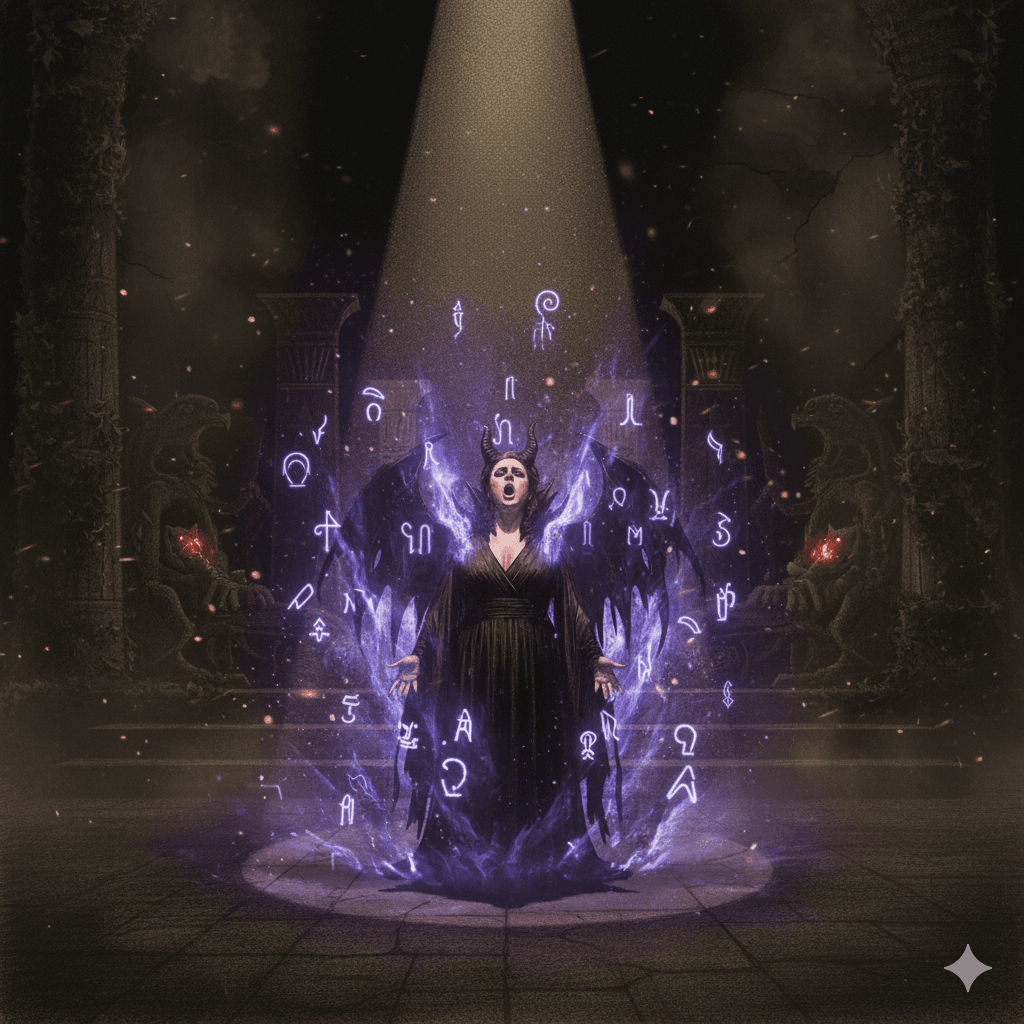
(Generated by Artificial Intelligence.)
Magic Flute
Title of the Work | The Magic Flute (Die Zauberflöte) | ||||||||
|---|---|---|---|---|---|---|---|---|---|
Composer | Wolfgang Amadeus Mozart | ||||||||
Year Composed | 1791 | ||||||||
Type of Work | Opera | ||||||||
Opera Style | Singspiel | ||||||||
Act | 2 | ||||||||
Key Features | Masonic influences and symbols a fusion of fantasy and philosophical elements A combination of high dramatic arias and folk melodies | ||||||||
The Magic Flute (Die Zauberflöte) is a two-act opera composed by Mozart that explores themes of enlightenment, reason, and truth through fairy-tale elements. Completed in 1791 during the final phase of the composer’s life, in collaboration with Emanuel Schikaneder for performance, the work is renowned in the operatic repertoire for its symbolic layers and Masonic allusions.
The Magic Flute – Queen of the Night (Royal Ballet and Opera)
The Magic Flute is composed in the Singspiel form. Singspiel is a style of opera that combines spoken dialogue sections with musical numbers such as arias duets and choruses.
This approach lends flexibility to the dramatic narrative; transitions between speech and music allow characters and themes to connect more directly with the audience. Moreover, since the Singspiel form incorporates elements of popular theatre, it functions as a vehicle that integrates the opera with fairy-tale and popular motifs accessible to the general public.
Mozart completed The Magic Flute in 1791. The opera was composed just three months before the composer’s death and premiered at the Theater auf der Wieden in Vienna.
This historical context is crucial for interpreting the work as part of Mozart’s final creative period. The staging process coincided with Mozart’s most intense compositional phase and progressed in parallel with his collaboration with librettist Schikaneder and the logistical arrangements for performance.
The Magic Flute stands out for its numerous symbolic layers; many commentators argue that beyond its surface fairy-tale narrative the opera offers profound allegorical interpretations. The main symbolic aspects are summarized below:
These symbolic layers transform the opera’s superficial fairy-tale narrative into multifaceted intellectual constructs.
Mozart’s identity as a Mason and the prevailing Masonic thought of the era find expression in The Magic Flute through specific allusions.
Ritual passages trials symbolic numbers (especially three) and descriptions of temples in the opera recall Masonic ceremonial practices. The number three the All-Seeing Eye and other ritual elements are among these references. The symbols in the opera are not exclusively Masonic in origin; they also draw from mythology Egyptian mysteries Enlightenment philosophy folk tales and contemporary theatrical traditions.
The central dramatic arc of The Magic Flute unfolds as follows:
Mozart: The Magic Flute (Boston Philharmonic)
The Magic Flute is regarded as a remarkable work both musically and dramatically between operas of the classical period. A distinctive integration of dramatic dialogue and musical sections is observed. Character motifs and thematic elements find correspondence both in the libretto and in the melody. The work appeals to a broad audience through elements of comedy fairy tale and romanticism.
The opera contains not only a fantastical tale of rescue but also universal themes such as the trial of the human soul the quest for virtue and value enlightenment and symbolic transformation.
The Magic Flute is one of the best known works in the classical opera repertoire and is among those staged by nearly every generation. The combined use of visual and auditory elements makes it highly adaptable for stage productions while its didactic content and structure conducive to staging enable detailed examination of dramatic and musical interaction.
Aydın, Aykan. “Sihirli Flüt’te Müzik ve Sembolizm: Orpheus Efsanesinin Işığında Bir İnceleme”. *Journal of Academic Social Science Studies* 17, no. 99 (2024): 177–194. Accessed October 24, 2025. https://jasstudies.com/?mod=tammetin&makaleadi=&makaleurl=e3b922cc-ec21-4614-9a66-f8dd3c8444b7.pdf&key=75627
Boston Philharmonic. “Mozart: The Magic Flute - Overture (Benjamin Zander - Boston Philharmonic Orchestra).” YouTube. Accessed October 24, 2025. https://youtu.be/99VWYcapgq4?si=e0tkBb-ELMZfJReA
ENO. "The Magic Flute." English National Opera. Accessed October 24, 2025. https://www.eno.org/operas/the-magic-flute/
Groos, Arthur. “W. A. Mozart. 'Die Zauberflöte' by Peter Branscombe, W. A. Mozart.” *Monatshefte* 84, no. 3 (1992): 364–66. Accessed October 24, 2025. http://www.jstor.org/stable/30159505
Kanca, Şevki Faruk, and Yücel, Fatma. “Mozart ve Şark”. *Atatürk Üniversitesi Kazım Karabekir Eğitim Fakültesi Dergisi*, no. 8 (2003): 239–245. Accessed October 24, 2025. https://dergipark.org.tr/en/download/article-file/31314
Royal Ballet and Opera. “The Magic Flute – Queen of the Night aria (Mozart; Diana Damrau, The Royal Opera).” YouTube. Accessed October 24, 2025. https://www.youtube.com/watch?v=YuBeBjqKSGQ


(Generated by Artificial Intelligence.)
Magic Flute
Title of the Work | The Magic Flute (Die Zauberflöte) | ||||||||
|---|---|---|---|---|---|---|---|---|---|
Composer | Wolfgang Amadeus Mozart | ||||||||
Year Composed | 1791 | ||||||||
Type of Work | Opera | ||||||||
Opera Style | Singspiel | ||||||||
Act | 2 | ||||||||
Key Features | Masonic influences and symbols a fusion of fantasy and philosophical elements A combination of high dramatic arias and folk melodies | ||||||||
No Discussion Added Yet
Start discussion for "The Magic Flute (Die Zauberflöte)" article
Genre of the Work
Composition Process and Premiere
Symbols and Symbolism
Masonic Elements
Plot
Act One
Act Two
Operatic Nature