


This article was automatically translated from the original Turkish version.
+1 More
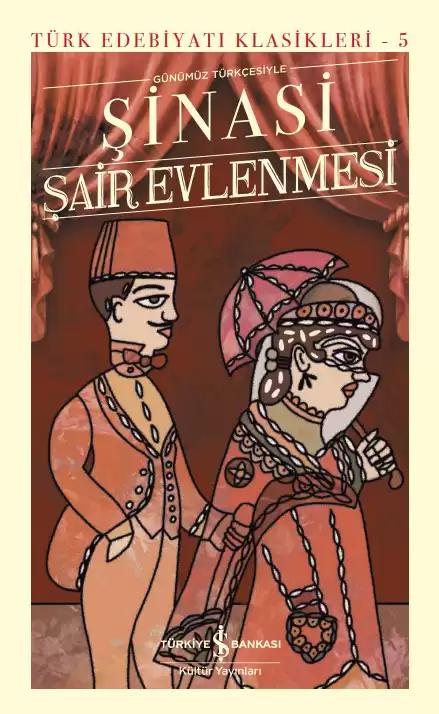
Type(s) | Theater | ||||||||
|---|---|---|---|---|---|---|---|---|---|
Author(s) | İbrahim Şinasi | ||||||||
Language(s) | Turkish | ||||||||
First Publication Date(s) | 1860 | ||||||||
The Poet’s Marriage is a theatrical play that humorously and critically portrays the institution of marriage in Ottoman society and its relationship with social bureaucracy. The central theme of the play revolves around Müştak Bey’s desire to reunite with Kumru and the traditional obstacles he encounters along the way. The rigid rules of society and bureaucratic barriers are satirically critiqued within the play’s humorous atmosphere.
The play addresses how society’s rigid norms and traditional structures confront individuals’ rights to happiness and freedom. Within the characters’ inner worlds, the conflict between the desire for love and autonomy and the pressures of society is revealed. This tension is reflected as psychological strain and tragedy resulting from the suppression of personal desires. The theme highlights that the pursuit of freedom is a fundamental human need and how social barriers make its attainment difficult.
The work employs humor and satire extensively, allowing critiques to be conveyed indirectly yet effectively. Dialogues are natural and infused with vitality through an expression style close to everyday speech. The narrative is strengthened by irony and figurative language, effectively transmitting social criticism to the reader. Its dramatic structure, based on scenes and dialogues, brings the characters’ conflicts and the play’s message to the forefront.
Şinasi, İbrahim. Şair Evlenmesi. Türkiye İş Bankası Kültür Yayınları. 2022.

Type(s) | Theater | ||||||||
|---|---|---|---|---|---|---|---|---|---|
Author(s) | İbrahim Şinasi | ||||||||
Language(s) | Turkish | ||||||||
First Publication Date(s) | 1860 | ||||||||
No Discussion Added Yet
Start discussion for "The Poet's Marriage (Play)" article
Character Analysis
Philosophical and Psychological Dimensions
Themes
Literary Techniques and Narrative Style