

This article was automatically translated from the original Turkish version.
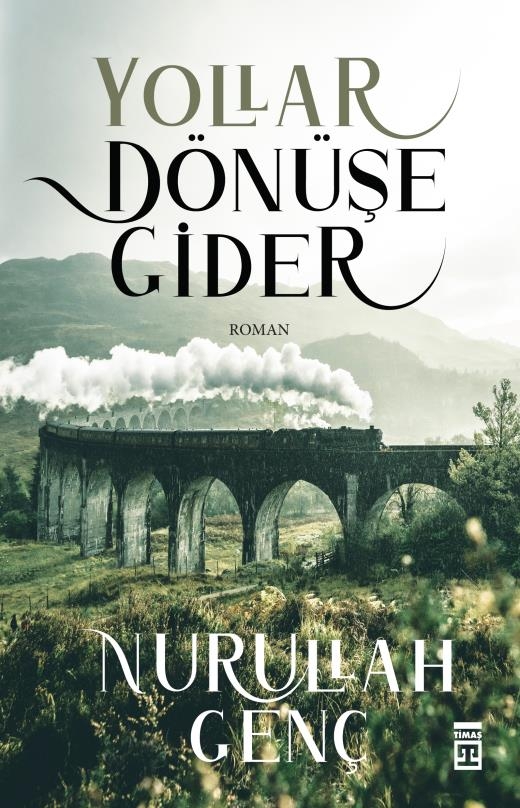
Yollar Dönüşe Gider is a novel by Nurullah Genç, inspired by historical events. It was published by Timaş Yayınları. The novel centers on the hardships endured by the people of Anatolia during the First World War, the impact of war on individuals, and the journey of return that begins with displacement from one’s homeland. The protagonist, Bekir, lives in a village near Erzurum and falls into Russian captivity as a result of the war. The narrative explores Bekir’s physical and spiritual journey of return.
The novel tells the story of human struggle under the shadow of war through a tale woven with the power of faith and resistance. The protagonist Bekir endures the trials of captivity, hunger, exile, and loneliness brought about by the war. His return is not merely a physical journey back to his village but also signifies an inner purification and rebirth. The events Bekir experiences along his path represent the patience, resilience, and faith of the Anatolian people. While narrating a personal story, the novel also sheds light on collective memory and the search for historical consciousness.
Key themes in the novel include war, captivity, longing for homeland, faith, hope, and human dignity. Nurullah Genç treats these themes with a simple yet poetic language. The novel places the emotional fabric of Anatolian culture, religious values, and traditional solidarity at its core. The concept of “return” symbolically represents both a turning back to one’s past and a reconnection with one’s roots.
The narrative style is lyrical and descriptive. The author strengthens the emotional atmosphere through vivid depictions of nature. Dialogues are restrained, and the plot structure reflects the inner conflicts and spiritual quests of the characters.
The events take place during the early 20th century, in the period of the First World War, in the Eastern Anatolia region. Erzurum and its surroundings form the primary settings of the novel. These locations are portrayed in a way that reflects the historical conditions and social fabric of the era. Elements such as winter, snow, cold, and distance serve as symbolic components that define the atmosphere of the work.

No Discussion Added Yet
Start discussion for "The Roads Lead to the Turn (Book)" article
Subject
Themes and Narrative
Time and Place