


This article was automatically translated from the original Turkish version.
+1 More
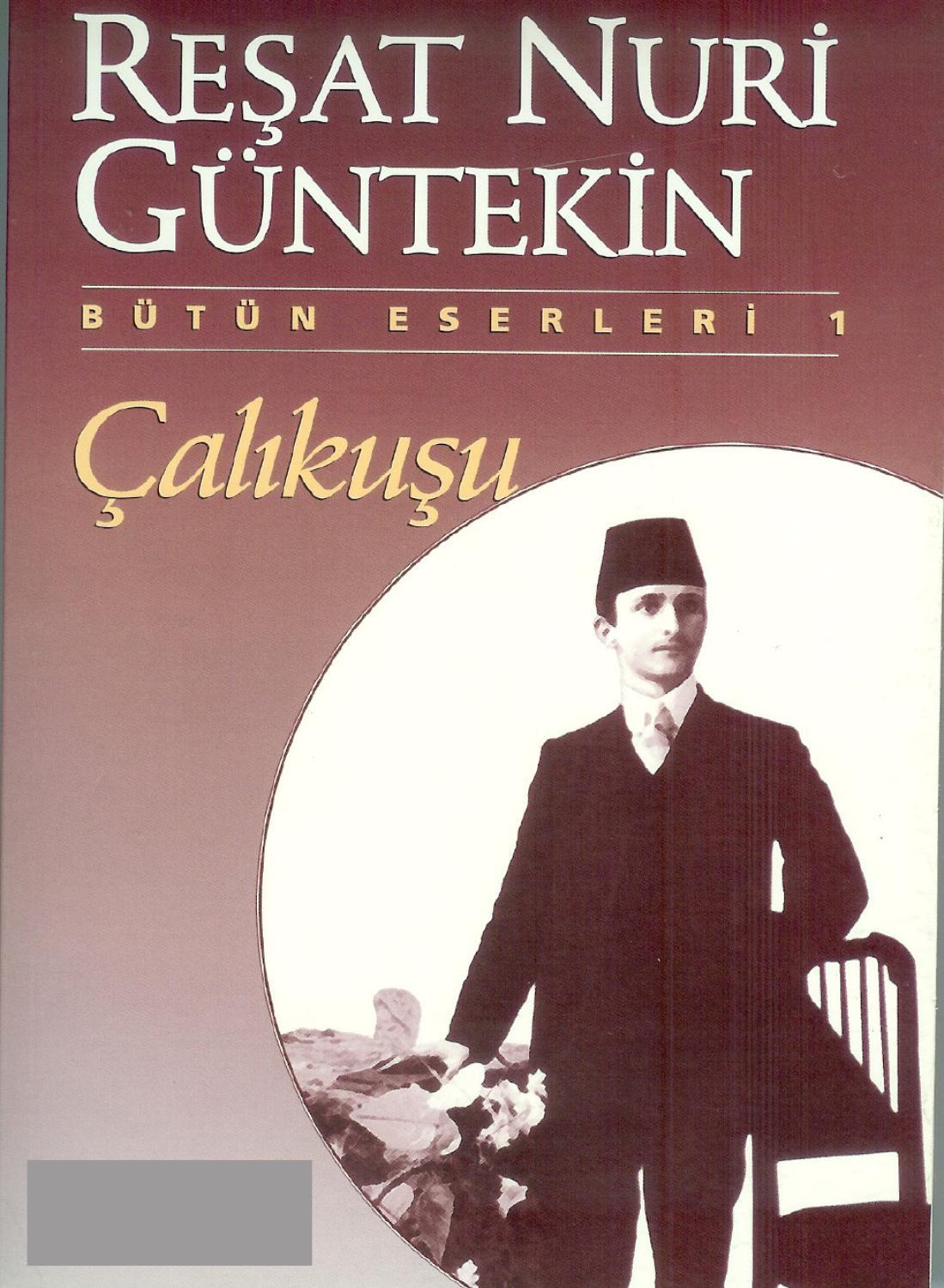
Çalıkuşu is a novel set in the final years of the Ottoman Empire, narrating the life struggles of a young woman. The protagonist, Feride, was raised in an aristocratic family but decides to become a teacher in Anatolia due to the disappointments she has experienced. The novel explores Feride’s inner journey, her love, and her conflict with society.
The novel is largely written in diary format. The sections in which Feride recounts her experiences from her own perspective provide readers with intimate access to her inner world. However, the final section of the novel is written from the viewpoint of an external observer. This technique enhances the portrayal of Feride’s transformation and character development.
The Woman’s Place in Society: Feride’s decision to work as a teacher in Anatolia as an independent woman challenges the social norms of her time.
Education and Teaching: The novel emphasizes the impact of education on the individual and the importance of the teaching profession in society.
Love and Loyalty: Feride’s love for Kamuran and the disappointments she endures strengthen the emotional dimension of the novel.
Traditional Values and Modernization: The clash between traditional values and modernization during the late Ottoman period is one of the novel’s central conflicts.
Çalıkuşu holds an important place in Turkish literature. It has played a significant role in shaping the identity of women during the Republican era and has inspired many readers. Feride’s independence and combative spirit have served as a powerful model, particularly for female readers.
Güntekin, Reşat Nuri. Çalıkuşu. İstanbul: İnkılap Kitabevi, 1922.

No Discussion Added Yet
Start discussion for "The Warbler (Novel)" article
Structure and Narrative Technique
Major Themes
The Novel’s Impact and Significance