

This article was automatically translated from the original Turkish version.
History | 1833; 19 Rebiülahir 1249, newspaper report 21 Cemaziyelevvel 1249 (6 October 1833) | ||||||||
|---|---|---|---|---|---|---|---|---|---|
Location | Tırnova (today Veliko Tǎrnovo, Bulgaria); Nigbolu sanjak | ||||||||
Type | Witchcraft case; grave digging and corpse burning | ||||||||
Reporter | Deputy of Tırnova Ahmed Şükrî Efendi | ||||||||
Related Persons | Voyvoda el-Hâc Derviş Bey; witch Nikola; Tetikoğlu Ali Alemdar and Abdi Alemdar (former janissaries) | ||||||||
Applied Methods | Driving a wooden stake through the abdomen, boiling the heart in hot water, burning the corpses | ||||||||
Sharia Basis | Fatwa attributed to Hoca Sâdeddin Efendi | ||||||||
Published Location | Takvim-i Vekayi, no. 68 | ||||||||
Result | Burning of two corpses; the public's declaration of loyalty to the sultan in the sharia court | ||||||||
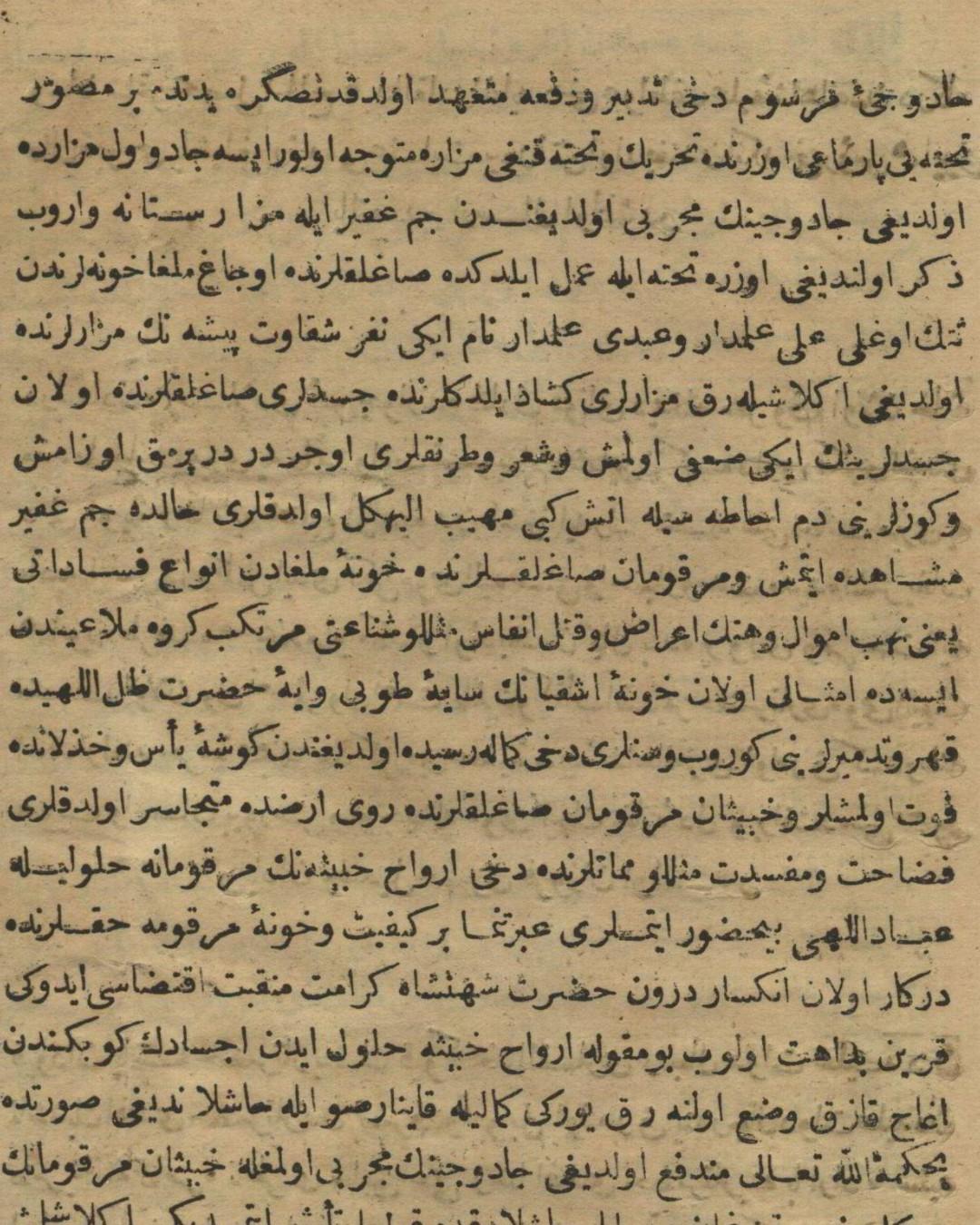
Tırnova Witch Case or Tırnova Witches is an incident that occurred in 1833 in the Ottoman town of Tırnova, following the deaths of two former Janissaries. It was alleged that their corpses had risen as witches and plagued the populace, leading to the exhumation and burning of their bodies.【1】 The event was recorded when the report sent by Tırnova’s deputy Ahmed Şükrî Efendi to Istanbul was published verbatim in issue 68 of the Ottoman state newspaper Takvim-i Vekayi, dated 21 Cemaziyelevvel 1249 (6 October 1833).【2】 Occurring seven years after the abolition of the Janissary Corps and described in the report with hostile language toward Janissaries, this case is studied as one of the few officially documented instances of witch belief in Rumelia.【3】
In Ottoman records, the fundamental term used for entities believed to rise from their graves after death and harm the living was “cadı” (câdû). In popular belief, a cadı was defined as a reanimated corpse and equated with the Western concept of the vampire.【4】 It has been suggested that the belief in witches in Rumelia was shaped by the religious practices of the region’s non-Muslim communities.【5】 The extension of the term “cadı” to include the meaning of “vampire” became prominent in the second half of the nineteenth century.【6】
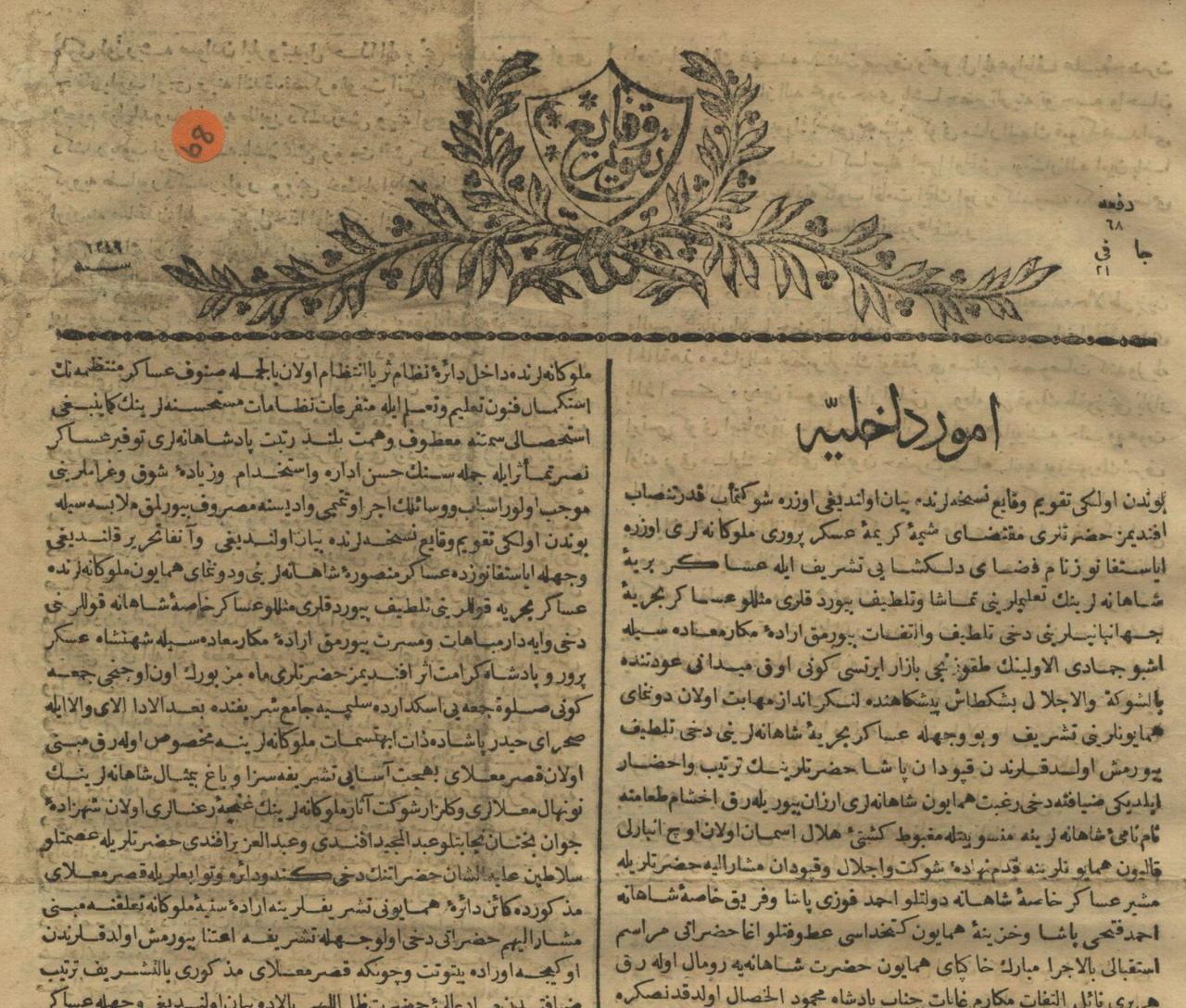
First Page of Issue 68 of Takvim-i Vekayi, 1833 (Ankara Üniversitesi)
The earliest official records concerning witches are fatwas issued by Sheikh al-Islam Ebussuud Efendi in the sixteenth century. According to these fatwas, to neutralize a corpse suspected of being a witch, a wooden stake should first be driven through its heart; if that proved insufficient, the head should be severed; and if that too failed, the body should be burned.【7】 Two cases occurred consecutively in Edirne in 1110 (1698–1699). In the first, the qadi of Edirne acknowledged Ebussuud Efendi’s fatwa but stated he could not find its written form in the books and sought guidance from the central authorities; the central administration first requested that signs of witchcraft be identified. In the second case, the authorities permitted all necessary measures to be taken to relieve the population from fear.【8】 In 1156 (1743), in the cemetery of Yeniköy, a village under the jurisdiction of Terkos, the deputy of Terkos ordered the burning of the suspected witch without consulting the center and later requested confirmation of the act.【9】
On 17 June 1826, Mahmud II abolished the Janissary Corps. Following this event, known in sources as the Vak‘a-i Hayriyye or “auspicious incident,” executions extended to the most remote corners of the empire.【10】 Efforts were made to track down and capture Janissaries who had fled or gone into hiding, and the state continued to regard these individuals as a threat for a considerable period.【11】
The first official newspaper of the Ottoman state, Takvim-i Vekayi, published its first issue on 25 Cemaziyelevvel 1247 (1 November 1831). It was established during the reign of Mahmud II to regularly inform the domestic and international public.【12】 Although the newspaper initially had slightly over 3,000 subscribers, it failed to maintain a regular publication schedule despite being intended for weekly release.【13】
Tırnova is a city located in northeastern Bulgaria, built on the terraced slopes of the Yantra River, and has borne the name Veliko Tǎrnovo since 1965. During the Ottoman period (1393–1878), it served as a district center subordinate to the Sanjak of Niğbolu.【14】 A record from 1828 describes it as a town with a population divided between Muslim Turks on one side and Orthodox Christians, Armenians, and Jews on the other, featuring eight mosques, several Orthodox churches, synagogues, and bathhouses.【15】
The report by Tırnova’s deputy Ahmed Şükrî Efendi begins with the phrase “Rumeli arzında mesbûk bi’l-misl olduğu üzere medîne-i Tırnova’da câdû zuhûr,” indicating that similar incidents had previously occurred in Rumelia. According to the report, after sunset, an invisible entity began haunting households. It mixed foodstuffs such as flour, oil, and honey, sometimes filling them with earth, moved household items from their original locations to other places, and threw stones, dirt, plates, and bowls onto people from elevated positions.【16】 The report also states that this entity dragged a four- to five-month-old infant, still unable to move independently, from its mother’s bed to the door of the room.【17】
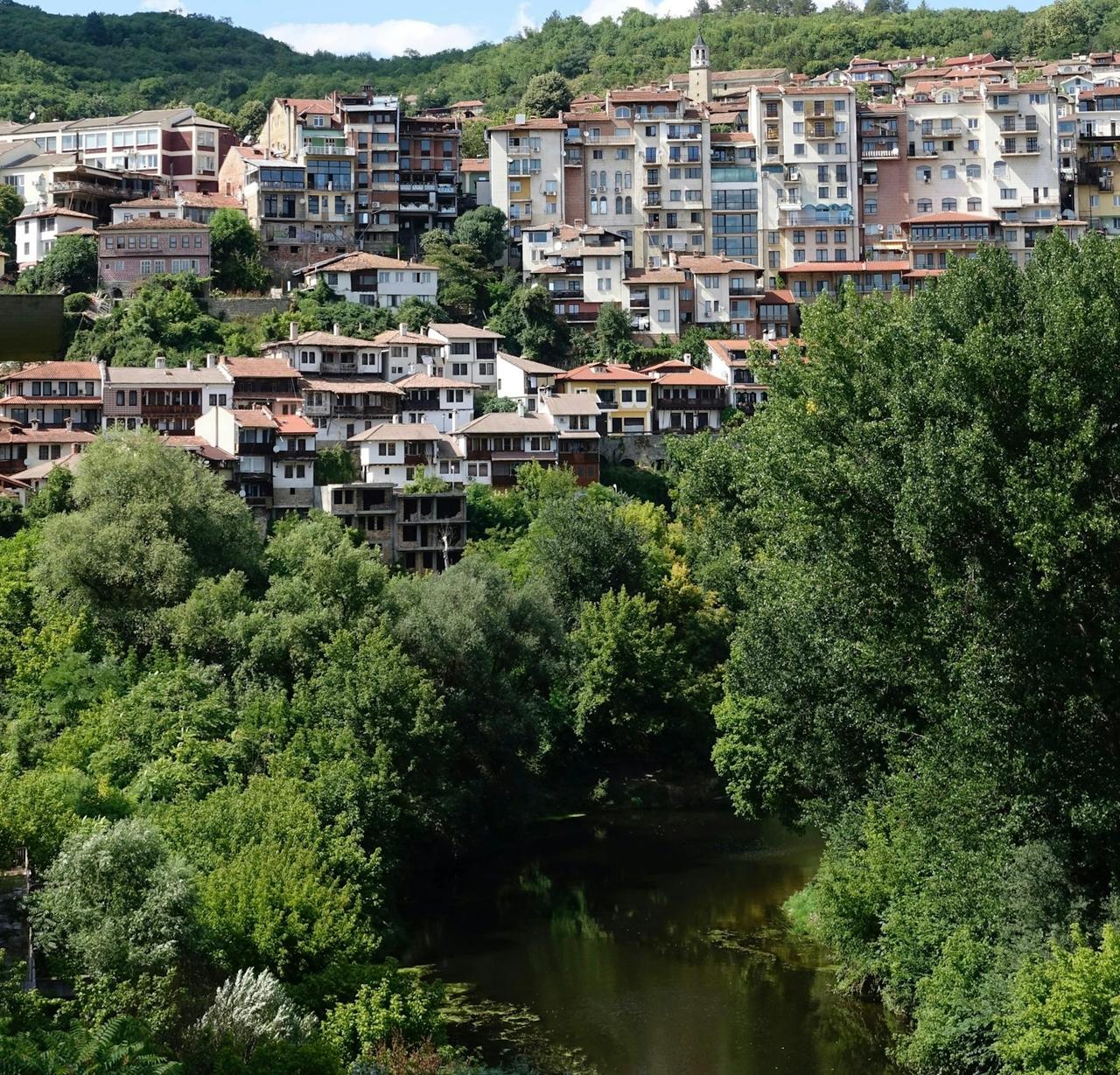
Houses Built on the Slopes of Veliko Tǎrnovo (Unsplash)
The entity also attacked several men and women. Though these individuals suffered no physical harm, when questioned, they reported feeling as if a heavy burden had been placed upon them. As a result of these events, residents of two neighborhoods abandoned their homes and relocated elsewhere, spreading fear throughout the town.【18】
The townspeople, united in their belief that the disturbances were caused by evil spirits known as “câdû,” sought a solution. Accordingly, Nikola, a non-Muslim known for his expertise in witch-finding from the kazas of İslimye, was brought to Tırnova through the intervention of the town’s voyvoda, Hacı Derviş Bey, and an agreement was reached for a payment of 800 kurush.【19】
Nikola, tasked with identifying and removing the witch, rotated a painted wooden board on his finger and indicated the graves that the board pointed toward as the locations of the witches.【20】 Accompanied by a large crowd, he went to the cemetery, and the board pointed to the graves of Tetikoğlu Ali Alemdar and Abdi Alemdar, both former members of the Janissary Corps.【21】
According to the report, when the graves were opened, the corpses had swollen to twice their original size, their hair and fingernails had grown three to four fingers in length, their eyes were surrounded by blood, and they presented a terrifying appearance. The report notes that this condition was witnessed by the assembled crowd.【22】 The report further states that the two Janissaries had committed crimes during their lifetimes, including looting, rape, and murder, and that after the abolition of the corps, they died of old age without being punished.【23】
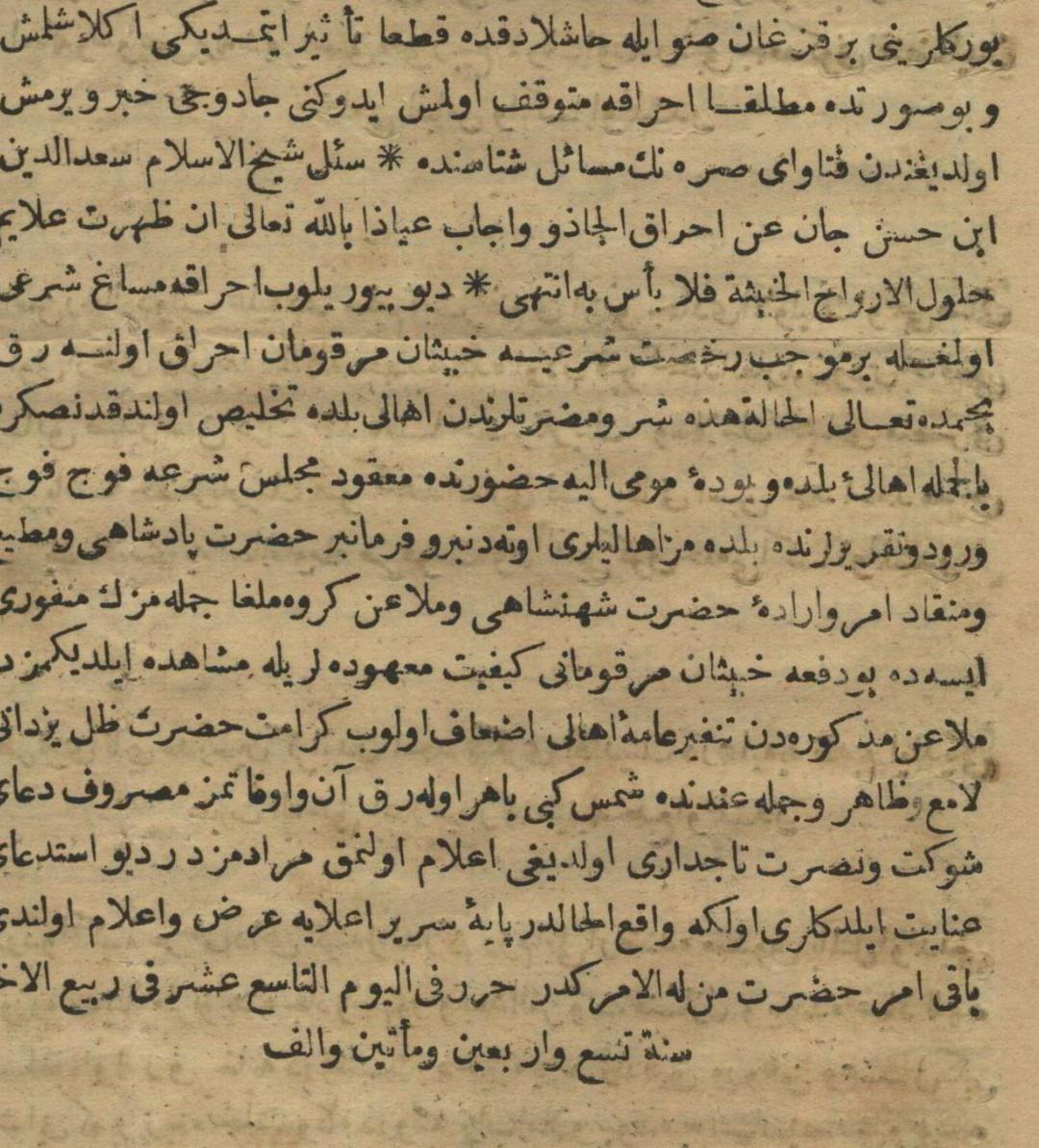
Reference to the Fatwa of Hoca Sâdeddin Efendi in İlam, 1833 (Ankara Üniversitesi)
According to Nikola’s instructions, to expel these evil spirits, wooden stakes were driven into the abdomens of the corpses and their hearts were boiled in hot water. When this failed to produce results, Nikola declared that the bodies must be burned.【24】 The report cites as religious justification a fatwa found in a collection of fatwas attributed to Sheikh al-Islam Sâdeddin b. Hasan Cân. According to this fatwa, if signs indicate that an evil spirit has taken residence in a corpse, there is no objection to burning it. Based on this authorization, the two bodies were burned.【25】 The Sheikh al-Islam Sâdeddin Efendi (d. 1599) mentioned in the fatwa was the son of Hasan Can Çelebi, the personal attendant of Yavuz Sultan Selim, and himself served as an Ottoman Sheikh al-Islam and historian.【26】 While Ebussuud Efendi’s fatwa was cited in the Edirne cases, the Tırnova report cites the fatwa of Sâdeddin Efendi as the basis for the burning.【27】
The method of boiling the heart in hot water and the witch’s invisible actions against the living were observed for the first time in Ottoman records in this case. The prominent role of the paid witch-finder, who possessed knowledge of witch signs and methods of combating them, is also clearly evident in this incident.【28】
After the burning of the bodies, the townspeople gathered collectively before a Sharia court, in the presence of the voyvoda, to make a formal declaration. According to the report, the people affirmed their longstanding obedience to the sultan and their preexisting hatred for the members of the abolished corps; they stated that this incident had intensified their hatred manifold and that the sultan’s divine favor was now clearly evident to all, urging that the matter be reported to Istanbul.【29】 The report interprets the continued haunting of the populace after the deaths of the two Janissaries as a consequence of the sultan’s deep-seated animosity toward them.【30】 Ahmed Şükrî Efendi’s report is dated 19 Rebiülahir 1249.【31】
Takvim-i Vekayi presented the report as an “instructional” document submitted by Ahmed Şükrî Efendi, the deputy of Tırnova, and confirmed that the text was printed verbatim.【32】 The Tırnova case is one of the most well-known witch incidents in Ottoman geography. For a long time, it was regarded in the literature as the only witch case reflected in nineteenth-century Ottoman periodicals; two reports from Karaferye in 1872 and 1874 were only examined in a 2020 study.【33】
The entire account displays open hostility toward the Janissaries. The misdeeds committed by the two Janissaries during their lifetimes were linked to the events following their deaths, and the public declaration, as reported, emphasized that hatred toward the Janissaries had intensified after the incident.【34】 The chronicler Ahmed Lûtfi Efendi, who frequently drew upon Takvim-i Vekayi reports in his historical writings, did not include this incident in his history.【35】
One of the earliest studies addressing the incident is Reşat Ekrem Koçu’s 1952 work Tarihimizde Garip Vakalar. Koçu also covered the event in his book Yeniçeriler; later, Günvar Otmanbölük and Şahmurat Arık also examined the case.【36】 Işık and Beyaz’s articles present the incident based on Koçu’s simplified account.【37】
In accounts based on Koçu, it is stated that the report was published in issue 68 of Takvim-i Vekayi dated 19 Rebiülevvel 1249 and that Ahmed Şükrü Efendi was the qadi of Tırnova.【38】 However, according to the newspaper’s imprint, issue 68 is dated 21 Cemaziyelevvel 1249 (6 October 1833); the report itself is dated 19 Rebiülahir 1249, and the newspaper identifies Ahmed Şükrî Efendi as the deputy of Tırnova. Demirkol and Aycibin also state that the newspaper’s date is 21 Cemaziyelevvel 1249 (6 October 1833) and that Ahmed Şükrü Efendi held the position of deputy.【39】
Koçu interpreted the incident as part of the propaganda campaign following the abolition of the Janissary Corps. According to him, efforts to legitimize the destruction of the corps in public perception continued after its abolition, Janissary tombstones in cemeteries were destroyed, and the witch report from Tırnova was published within this context.【40】 İlber Ortaylı also interpreted the incident as a reflection of the animosity toward Janissaries and the state’s anti-Janissary stance.【41】
According to Işık, the report was a government propaganda piece designed to exploit widespread popular beliefs and aimed to keep the public vigilant against Janissaries still believed to be active in Istanbul and the provinces. Işık suggests that the report targeted not newspaper readers but the broader public susceptible to rumors, and he evaluates the incident within the framework of the distinction between oral and written culture.【42】 Aycibin does not entirely reject the possibility that the government used the report to discredit Janissarihood, but argues that it is incorrect to assume outright that the entire report was fabricated by the state.【43】 Beyaz, recalling the prevalence of the “revenant” belief in the Balkans, contends that a few isolated incidents could not have significantly altered public attitudes toward Janissaries or masked the violence accompanying the corps’ abolition.【44】
Aycibin connected Ottoman witch cases with the phenomenon of migration and viewed the abandonment of homes by two neighborhoods in Tırnova as parallel to the relationship between witches and migration described in Ebussuud Efendi’s fatwas.【45】 According to Demirkol, the core elements of the incident resemble those of earlier witch cases: the two Janissaries, having committed crimes during life, fit the definition of sinful dead outlined in Ebussuud Efendi’s fatwas, and their former status as Janissaries reinforced this characterization.【46】
Kudret Emiroğlu found it significant that although Ebussuud Efendi did not permit the burning of revenants, the Tırnova corpses were burned under a fatwa. Emiroğlu suggests that the painted wooden board held by Nikola may have been an icon, that Nikola was more likely a “vampire-hunter” than a witch-finder, and that the term “vampire” in the text may have been translated as “cadı.”【47】 Aycibin and Demirkol, however, note that Ebussuud Efendi’s fatwas permitted the burning of corpses as a last resort.【48】
Shortly after the Tırnova incident, payments were recorded in Macedonian expense registers from 1836 to 1839 for individuals identified as “witch-finders” and “master witches.” Michael Ursinus interpreted these payments as part of the state’s campaign against witches; Aycibin, however, argues that there is no evidence in the registers that these individuals were appointed by the state and suggests they were independent service providers. Cem Doğan also contends that a “witch-finding” service sector cannot be inferred from only three years of ledger entries.【49】
In 1872, a letter published in the satirical magazine Diyojen described a witch in Karaferye, a town near Thessaloniki. The opening sentence of the letter resembles that of the Tırnova report; the phrase “Tanzimat tarihinden beri bu belâdan kurtulduk” (“Since the Tanzimat, we have been freed from this plague”) has been interpreted as an allusion to the Tırnova incident.【50】 In 1874, a report in the newspaper Selanik announced the reappearance of a witch in Karaferye; this report was subsequently reproduced in Şark, Basiret, and Medeniyet newspapers.【51】 The Tırnova and Karaferye reports share the same narrative patterns: references to past similar events, the witch’s disruptive daily actions, and reliance on eyewitness testimony.【52】
In 1904, in the kazas of Doyran near Thessaloniki, the graves of two Muslims accused of being witches were opened and their bodies burned without official authorization. This time, the state prosecuted those responsible for the exhumations as criminals.【53】 Today, the Tırnova case is also examined within the context of paranormal tourism alongside other historical extraordinary events in the Balkans.【54】
Takvim-i Vekayi (İstanbul). Sy. 68, 21 Cemaziyelevvel 1249 / October 6, 1833.
Aycibin, Zeynep. “Osmanlı Devleti’nde Cadılar Üzerine Bir Değerlendirme.” *OTAM: Ankara Üniversitesi Osmanlı Tarihi Araştırma ve Uygulama Merkezi Dergisi*, no. 24 (2008): 55–70.https://doi.org/10.1501/OTAM_0000000545.
Beyaz, Deniz. “Paranormal Turizm Bağlamında Tırnava Cadıları.” *Uluslararası Turizm, Ekonomi ve İşletme Bilimleri Dergisi* 1, no. 2 (2017): 42–48. Accessed October 7, 2026.https://dergipark.org.tr/tr/download/article-file/405237
Beydilli, Kemal. “Vak‘a-i Hayriyye.” In *TDV İslâm Ansiklopedisi*, 42:454–57. İstanbul: TDV İslâm Araştırmaları Merkezi, 2012. Accessed October 7, 2026.
Demirkol, Gökhan. “Söylence ile Gerçeklik Arasında: 19. Yüzyıl Osmanlı Mizah Basınında Karaferye Cadıları.” *Akademik İncelemeler Dergisi* 15, no. 1 (2020): 449–80.https://doi.org/10.17550/akademikincelemeler.677972
Işık, S. Yetkin. “Tırnova Cadıları Yahut Sözlü Kültürlerde Halk İnançlarının Siyasal Manipülasyonu.” *Doğu Batı* 21, no. 84 (2018): 215–33. Accessed October 7, 2026.https://hdl.handle.net/11772/1412
Kiel, Machiel. “Tırnova.” In *TDV İslâm Ansiklopedisi*, 41:118–22. İstanbul: TDV İslâm Araştırmaları Merkezi, 2012. Accessed October 7, 2026.https://islamansiklopedisi.org.tr/tirnova--bulgaristan
Turan, Şerafettin. “Hoca Sâdeddin Efendi.” In *TDV İslâm Ansiklopedisi*, 18:196–98. İstanbul: TDV İslâm Araştırmaları Merkezi, 1998. Accessed October 7, 2026.
Yazıcı, Nesimi. “Takvîm-i Vekāyi‘.” In *TDV İslâm Ansiklopedisi*, 39:490–92. İstanbul: TDV İslâm Araştırmaları Merkezi, 2010. Accessed October 7, 2026.
[1]
Takvim-i Vekayi (İstanbul), sy. 68, 21 Cemaziyelevvel 1249/6 Ekim 1833, 3–4.
[2]
Takvim-i Vekayi, sy. 68, 1, 3; Gökhan Demirkol, “Söylence ile Gerçeklik Arasında: 19. Yüzyıl Osmanlı Mizah Basınında Karaferye Cadıları,” Akademik İncelemeler Dergisi 15, sy. 1 (2020): 454, https://doi.org/10.17550/akademikincelemeler.677972; Zeynep Aycibin, “Osmanlı Devleti’nde Cadılar Üzerine Bir Değerlendirme,” OTAM: Ankara Üniversitesi Osmanlı Tarihi Araştırma ve Uygulama Merkezi Dergisi, sy. 24 (2008): 59, https://doi.org/10.1501/OTAM_0000000545.
[3]
Aycibin, “Osmanlı Devleti’nde Cadılar,” 59; S. Yetkin Işık, “Tırnova Cadıları Yahut Sözlü Kültürlerde Halk İnançlarının Siyasal Manipülasyonu,” Doğu Batı 21, sy. 84 (2018): 219, https://hdl.handle.net/11772/1412, erişim 7 Ekim 2026; Demirkol, “Söylence ile Gerçeklik Arasında,” 455.
[4]
Demirkol, “Söylence ile Gerçeklik Arasında,” 451; Aycibin, “Osmanlı Devleti’nde Cadılar,” 58.
[5]
Aycibin, “Osmanlı Devleti’nde Cadılar,” 55.
[6]
Demirkol, “Söylence ile Gerçeklik Arasında,” 451–52.
[7]
Demirkol, “Söylence ile Gerçeklik Arasında,” 453; Aycibin, “Osmanlı Devleti’nde Cadılar,” 64.
[8]
Aycibin, “Osmanlı Devleti’nde Cadılar,” 60–61; Demirkol, “Söylence ile Gerçeklik Arasında,” 453–54.
[9]
Aycibin, “Osmanlı Devleti’nde Cadılar,” 61–62; Demirkol, “Söylence ile Gerçeklik Arasında,” 454.
[10]
Kemal Beydilli, “Vak‘a-i Hayriyye,” TDV İslâm Ansiklopedisi (İstanbul: TDV İslâm Araştırmaları Merkezi, 2012), 42:454, https://islamansiklopedisi.org.tr/vaka-i-hayriyye, erişim 7 Ekim 2026.
[11]
Işık, “Tırnova Cadıları,” 222.
[12]
Nesimi Yazıcı, “Takvîm-i Vekāyi‘,” TDV İslâm Ansiklopedisi (İstanbul: TDV İslâm Araştırmaları Merkezi, 2010), 39:490, https://islamansiklopedisi.org.tr/takvim-i-vekayi, erişim 7 Ekim 2026.
[13]
Yazıcı, “Takvîm-i Vekāyi‘,” 491.
[14]
Machiel Kiel, “Tırnova,” TDV İslâm Ansiklopedisi (İstanbul: TDV İslâm Araştırmaları Merkezi, 2012), 41:118, https://islamansiklopedisi.org.tr/tirnova--bulgaristan, erişim 7 Ekim 2026.
[15]
Kiel, “Tırnova,” 121.
[16]
Takvim-i Vekayi, sy. 68, 3; Demirkol, “Söylence ile Gerçeklik Arasında,” 454–55.
[17]
Takvim-i Vekayi, sy. 68, 3; Demirkol, “Söylence ile Gerçeklik Arasında,” 455n1.
[18]
Takvim-i Vekayi, sy. 68, 3; Aycibin, “Osmanlı Devleti’nde Cadılar,” 59; Işık, “Tırnova Cadıları,” 216.
[19]
Takvim-i Vekayi, sy. 68, 3; Demirkol, “Söylence ile Gerçeklik Arasında,” 455; Işık, “Tırnova Cadıları,” 216.
[20]
Takvim-i Vekayi, sy. 68, 4; Demirkol, “Söylence ile Gerçeklik Arasında,” 455.
[21]
Takvim-i Vekayi, sy. 68, 4; Demirkol, “Söylence ile Gerçeklik Arasında,” 454. Koçu’nun sadeleştirilmiş aktarımında “Tetikoğlu” lakabı yer almaz. Bkz. Işık, “Tırnova Cadıları,” 216.
[22]
Takvim-i Vekayi, sy. 68, 4; Demirkol, “Söylence ile Gerçeklik Arasında,” 455. Koçu’nun sadeleştirilmiş aktarımında cesetlerin “yarım misli” büyüdüğü yazılıdır; gazete metnindeki ifade ise “iki za‘fı”dır. Bkz. Işık, “Tırnova Cadıları,” 216.
[23]
Takvim-i Vekayi, sy. 68, 4; Işık, “Tırnova Cadıları,” 216; Demirkol, “Söylence ile Gerçeklik Arasında,” 455.
[24]
Takvim-i Vekayi, sy. 68, 4; Işık, “Tırnova Cadıları,” 216–17; Demirkol, “Söylence ile Gerçeklik Arasında,” 455.
[25]
Takvim-i Vekayi, sy. 68, 4.
[26]
Şerafettin Turan, “Hoca Sâdeddin Efendi,” TDV İslâm Ansiklopedisi (İstanbul: TDV İslâm Araştırmaları Merkezi, 1998), 18:196, https://islamansiklopedisi.org.tr/hoca-sadeddin-efendi, erişim 7 Ekim 2026.
[27]
Aycibin, “Osmanlı Devleti’nde Cadılar,” 60, 61n20.
[28]
Demirkol, “Söylence ile Gerçeklik Arasında,” 455–56.
[29]
Takvim-i Vekayi, sy. 68, 4; Aycibin, “Osmanlı Devleti’nde Cadılar,” 59n13.
[30]
Takvim-i Vekayi, sy. 68, 4.
[31]
Takvim-i Vekayi, sy. 68, 4.
[32]
Takvim-i Vekayi, sy. 68, 3.
[33]
Demirkol, “Söylence ile Gerçeklik Arasında,” 452–54.
[34]
Takvim-i Vekayi, sy. 68, 4; Aycibin, “Osmanlı Devleti’nde Cadılar,” 59n13.
[35]
Aycibin, “Osmanlı Devleti’nde Cadılar,” 60.
[36]
Aycibin, “Osmanlı Devleti’nde Cadılar,” 58n9, 59n11.
[37]
Işık, “Tırnova Cadıları,” 216–17; Deniz Beyaz, “Paranormal Turizm Bağlamında Tırnava Cadıları,” Uluslararası Turizm, Ekonomi ve İşletme Bilimleri Dergisi 1, sy. 2 (2017): 46–47, https://dergipark.org.tr/tr/download/article-file/405237, erişim 7 Ekim 2026.
[38]
Işık, “Tırnova Cadıları,” 216; Beyaz, “Paranormal Turizm,” 46. Beyaz’da tarih “19 Rebiülevvel 1239” olarak geçmektedir.
[39]
Takvim-i Vekayi, sy. 68, 1, 3–4; Demirkol, “Söylence ile Gerçeklik Arasında,” 454; Aycibin, “Osmanlı Devleti’nde Cadılar,” 59.
[40]
Işık, “Tırnova Cadıları,” 217.
[41]
Demirkol, “Söylence ile Gerçeklik Arasında,” 455; Aycibin, “Osmanlı Devleti’nde Cadılar,” 59.
[42]
Işık, “Tırnova Cadıları,” 218–19, 222.
[43]
Aycibin, “Osmanlı Devleti’nde Cadılar,” 59.
[44]
Beyaz, “Paranormal Turizm,” 47.
[45]
Aycibin, “Osmanlı Devleti’nde Cadılar,” 64.
[46]
Demirkol, “Söylence ile Gerçeklik Arasında,” 455.
[47]
Işık, “Tırnova Cadıları,” 217.
[48]
Aycibin, “Osmanlı Devleti’nde Cadılar,” 64; Demirkol, “Söylence ile Gerçeklik Arasında,” 453.
[49]
Aycibin, “Osmanlı Devleti’nde Cadılar,” 62, 63n24; Demirkol, “Söylence ile Gerçeklik Arasında,” 456n2.
[50]
Demirkol, “Söylence ile Gerçeklik Arasında,” 457, 459.
[51]
Demirkol, “Söylence ile Gerçeklik Arasında,” 460.
[52]
Demirkol, “Söylence ile Gerçeklik Arasında,” 473–74.
[53]
Aycibin, “Osmanlı Devleti’nde Cadılar,” 67–68.
[54]
Beyaz, “Paranormal Turizm,” 42, 47.

History | 1833; 19 Rebiülahir 1249, newspaper report 21 Cemaziyelevvel 1249 (6 October 1833) | ||||||||
|---|---|---|---|---|---|---|---|---|---|
Location | Tırnova (today Veliko Tǎrnovo, Bulgaria); Nigbolu sanjak | ||||||||
Type | Witchcraft case; grave digging and corpse burning | ||||||||
Reporter | Deputy of Tırnova Ahmed Şükrî Efendi | ||||||||
Related Persons | Voyvoda el-Hâc Derviş Bey; witch Nikola; Tetikoğlu Ali Alemdar and Abdi Alemdar (former janissaries) | ||||||||
Applied Methods | Driving a wooden stake through the abdomen, boiling the heart in hot water, burning the corpses | ||||||||
Sharia Basis | Fatwa attributed to Hoca Sâdeddin Efendi | ||||||||
Published Location | Takvim-i Vekayi, no. 68 | ||||||||
Result | Burning of two corpses; the public's declaration of loyalty to the sultan in the sharia court | ||||||||
Historical Background
Witch Belief in the Ottoman Empire
Previous Witch Cases
Abolition of the Janissary Corps
Takvim-i Vekayi
Tırnova
Course of the Incident
Complaints of Haunting
Summoning the Witch-Finder Nikola
Exhumation of the Graves
Burning of the Corpses
Testimony Before the Sharia Court
Takvim-i Vekayi’s Publication
Historiography
Transmission of the Event
Political Propaganda Interpretations
Popular Belief and Migration Interpretations
Later Reflections