

This article was automatically translated from the original Turkish version.
+1 More
Screenplay(s) | Horton Foote | ||||||||
|---|---|---|---|---|---|---|---|---|---|
Type(s) | Dram | ||||||||
Director(s) | Robert Mulligan | ||||||||
Source Material | Harper Lee's novel of the same name | ||||||||
Vision History | 1962 | ||||||||
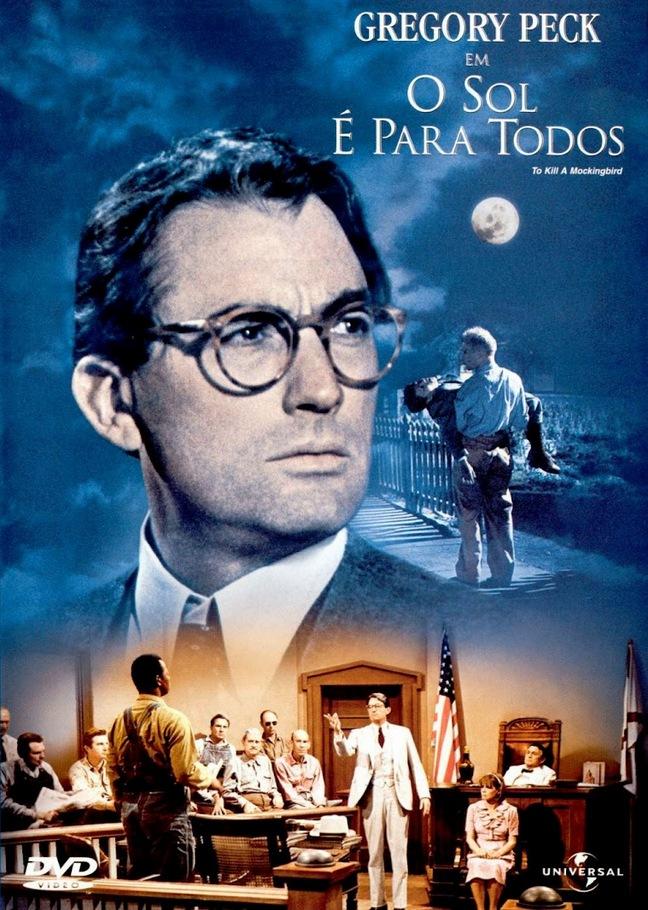
To Kill a Mockingbird, directed by Robert Mulligan and adapted from Harper Lee’s novel of the same name by screenwriter Horton Foote, is a 1962 American drama film. Set in the 1930s in Alabama, it centers on themes of racism, justice, and human rights. Produced by Alan J. Pakula, the film was made by Pakula-Mulligan-Brentwood Productions and stars Gregory Peck in the lead role.
The film takes place in a small Alabama town in 1932. Atticus Finch, a widowed lawyer and father of two children, Jem and Scout, defends Tom Robinson, a Black man falsely accused of raping a white woman. As the trial stirs public backlash, Jem and Scout become curious about their reclusive neighbor, Boo Radley. The film juxtaposes the legal battle against racism with the children’s growing awareness of societal prejudice through their innocent perspective.
To Kill a Mockingbird Film Trailer (UniversalPicturesAllAccess)
The primary themes in To Kill a Mockingbird include racism, justice, social prejudice, and moral responsibility. Set against the backdrop of the Great Depression in 1930s America, the story questions how justice is shaped by class and racial dynamics. The trial of Tom Robinson, wrongfully accused due to racial bias, exposes systemic discrimination.
Through the character of Atticus Finch, the film highlights individual morality, courage, and empathy. Events narrated from the viewpoint of Finch’s children, Scout and Jem, deepen the themes of childhood innocence, moral development, and the pursuit of justice. The community’s treatment of marginalized or misunderstood individuals reveals the destructive impact of prejudice on human relationships.
The film also reflects the cultural fabric of the era through secondary themes such as parent-child relationships, social status, gender roles, and education. Throughout the narrative, it explores how personal responsibility and conscience are tested when they oppose the majority view of society.
The film won a total of 14 awards and received 16 nominations across various categories:
Academy Awards (1963)
American Cinema Editors (1963)
BAFTA Awards (1964)
Cannes Film Festival (1963)
David di Donatello Awards (1963)
Directors Guild of America (1963)
Golden Globe Awards (1963)
Laurel Awards (1963)
National Film Preservation Board (1995)
New York Film Critics Circle Awards (1963)
Producers Guild of America (1999)
Writers Guild of America (1963)
Online Film & Television Association
To Kill a Mockingbird, adapted from Harper Lee’s acclaimed novel, has become one of the most important films in American cinema history for its exploration of social justice, racism, and human rights. Recognized as a successful cinematic adaptation of a classic of modern American literature, the film cemented its legacy by winning three Academy Awards. Its inclusion in the United States National Film Registry in 1995 officially acknowledges its cultural and historical significance.
Beyazperde. "Bülbülü Öldürmek – Oyuncular." Accessed July 17, 2025. https://www.beyazperde.com/filmler/film-42792/oyuncular/.
Beyazperde. "Bülbülü Öldürmek." Accessed July 17, 2025. https://www.beyazperde.com/filmler/film-42792/.
IMDb. "To Kill a Mockingbird (1962) – Awards." Accessed July 17, 2025. https://www.imdb.com/title/tt0056592/awards/?ref_=tt_awd.
IMDb. "To Kill a Mockingbird (1962) – Storyline." Accessed July 17, 2025. https://www.imdb.com/title/tt0056592/#storyline.
IMDb. Image: “To Kill a Mockingbird (1962).” Accessed July 17, 2025. https://www.imdb.com/title/tt0056592/mediaviewer/rm3095666432/?ref_=ttmi_mi_165.
Universal Pictures. "To Kill a Mockingbird - Official Trailer [1962]." YouTube, 2:28. Accessed July 17, 2025. https://youtu.be/4-CrrtYjrbM?si=d4jRwRHOAyUjlYgr.
{'title': 'Bülbülü Öldürmek.', 'type': 'Film', 'country': 'ABD', 'distributor': 'Universal Pictures', 'year': '1962'}

Screenplay(s) | Horton Foote | ||||||||
|---|---|---|---|---|---|---|---|---|---|
Type(s) | Dram | ||||||||
Director(s) | Robert Mulligan | ||||||||
Source Material | Harper Lee's novel of the same name | ||||||||
Vision History | 1962 | ||||||||
No Discussion Added Yet
Start discussion for "To Kill a Mockingbird (Film)" article
Plot
Themes
Cast and Characters
Awards and Nominations
Box Office
Significance of the Film