This article was automatically translated from the original Turkish version.
+2 More
Location | Tokat / Türkiye | ||||||||
|---|---|---|---|---|---|---|---|---|---|
Period(s) | Roman Ottoman Kadı Burhanettin Eratna Ilkhanid Seljuk Danişmend Byzantine | ||||||||
Feature(s) | Natural fortress 362-step staircase Rock tomb | ||||||||
Date(s) | 30 BC - Ottoman period | ||||||||
Usage | Road safety, Defense, Prison place | ||||||||
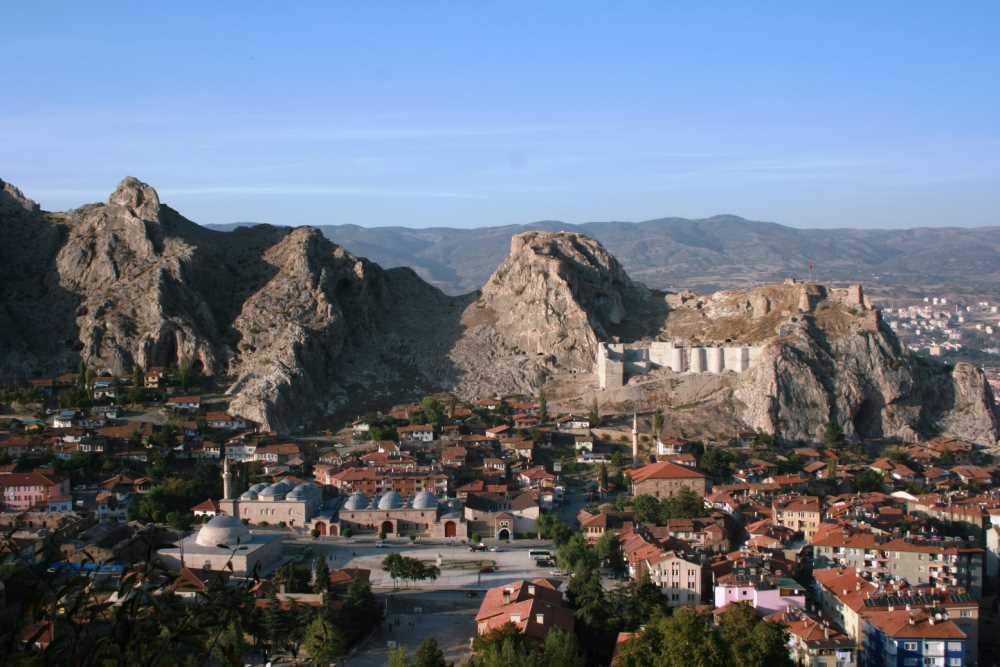
Tokat Castle is a defensive structure located in the city center of Tokat, in Türkiye’s Black Sea Region, built atop steep and rugged cliffs. The castle, which resembles a natural fortress, draws attention due to its strategic position. On the rocky slope facing the southwest, there is an ancient rock tomb and a staircase of 362 steps. This staircase leads down to the base of the castle and is currently largely exposed. Due to structural safety concerns, the castle is currently closed to visitors.
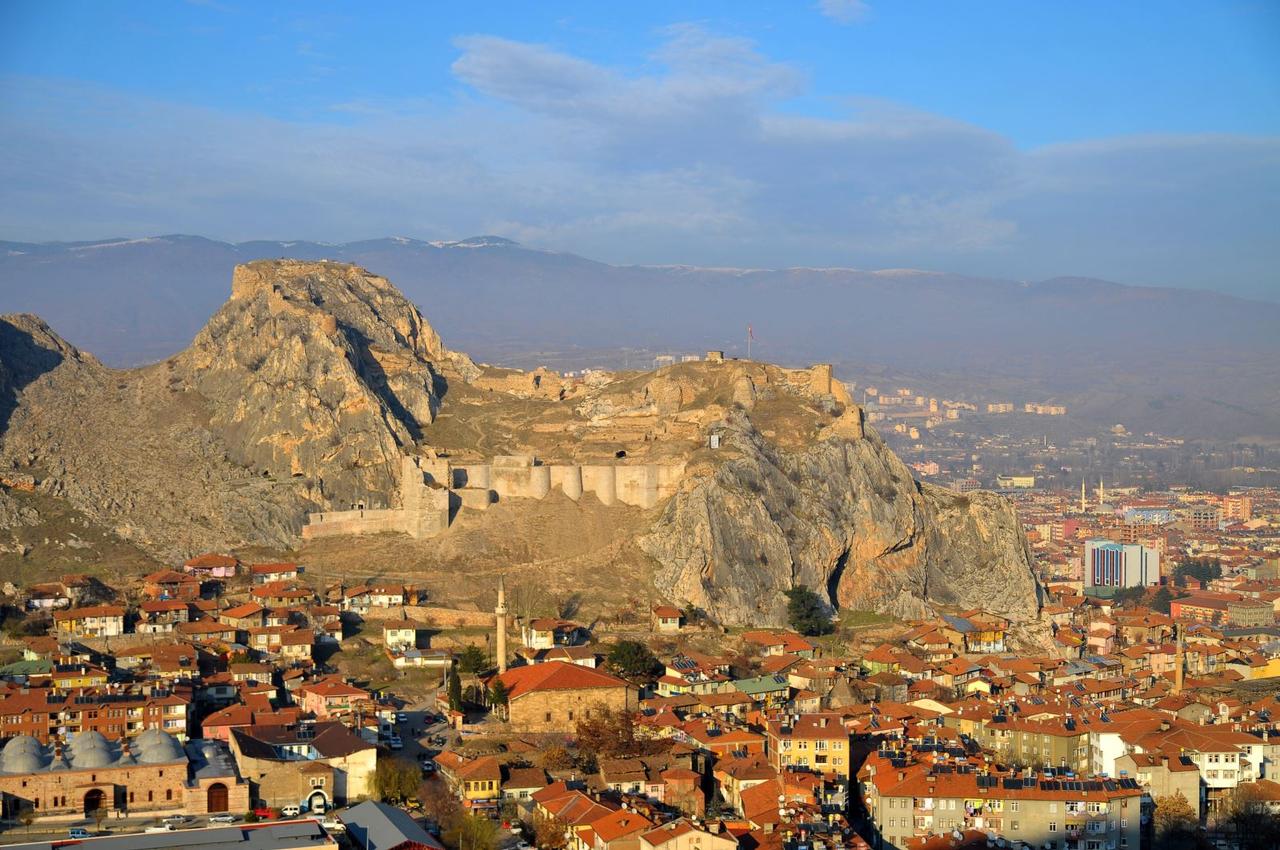
Tokat Castle (Türkiye Culture Portal)
The castle was constructed during the Roman period (30 BC – 395 AD) to ensure road security. It remained under Byzantine rule for approximately 500 years before being captured in 1074 by Danişmend Melik Ahmet Gazi. In subsequent periods, the castle came under the control of the Danişmendids, Seljuks, Ilkhanids, Eratna, Kadı Burhanettin, and finally the Ottoman State. Its location was strategically significant for controlling the Yeşilırmak Valley and served as an observation point regulating military movements within the region.
During the Ottoman period, the castle’s dungeon, known as “Çardak-ı Bedevi,” served as a place of imprisonment for both local and foreign notable figures, including the Byzantine Emperor A. Diogenis. The interior of the dungeon was carved directly from the natural rock mass and is notable for its dark and damp conditions.
After his defeat by the Ottomans, Prince Vlad III of Wallachia (Dracula) was held under surveillance first at Eğrigöz Castle in Kütahya and later at Tokat Castle, alongside his brother. He was subsequently sent to Edirne to receive education at the court of Prince Mehmed (Fatih Sultan Mehmet).
To the southwest of the castle lies an ancient rock tomb dating back to very early periods. At the entrance of the tomb are two chambers, one large and one smaller, accompanied by a column. The rock tomb and the staircase passage highlight not only the military but also the social and archaeological significance of the castle. Archaeological assessments suggest that this tomb structure may date to the Hellenistic or Roman period.
T.C. Ministry of Culture and Tourism. "Kaleler." Tokat İl Kültür veTurizm Müdürlüğü. Accessed June 20, 2025. https://tokat.ktb.gov.tr/TR-231605/kaleler.html.
T.C. Ministry of Culture and Tourism. "Tokat Kalesi - Tokat." Türkiye Kültür Portalı. Accessed June 20, 2025. https://www.kulturportali.gov.tr/turkiye/tokat/gezilecekyer/tokat-kales.
T.C. Tokat Valiliği. "Tokat Kalesi." T.C. Tokat Valiliği Web Sitesi. Accessed June 20, 2025. https://www.tokat.gov.tr/tokat-kalesi.

Location | Tokat / Türkiye | ||||||||
|---|---|---|---|---|---|---|---|---|---|
Period(s) | Roman Ottoman Kadı Burhanettin Eratna Ilkhanid Seljuk Danişmend Byzantine | ||||||||
Feature(s) | Natural fortress 362-step staircase Rock tomb | ||||||||
Date(s) | 30 BC - Ottoman period | ||||||||
Usage | Road safety, Defense, Prison place | ||||||||
Historical Development
Dungeons and Prisoners
Relationship with Vlad III (Vlad the Impaler)
Archaeological Elements