


This article was automatically translated from the original Turkish version.
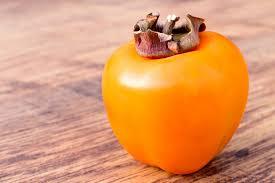
Trabzon persimmon (Diospyros kaki)
Scientific Name(s) | Diospyros kaki | ||||||||
|---|---|---|---|---|---|---|---|---|---|
Family | Ebenaceae | ||||||||
Genus | Diospyros | ||||||||
Specie(s) | D. kaki | ||||||||
Trabzon persimmon (Diospyros kaki) is a fruit species adapted to subtropical and warm temperate climates. Native to China, this species gradually spread to Japan and from there to other East Asian countries. Today, it is most intensively cultivated in China, Japan, Brazil, Korea, and Italy, with production also occurring in Israel, the United States, New Zealand, Australia, Spain, Georgia, Egypt, Türkiye, Iran, and Chile.
In Türkiye, the Trabzon date which is primarily grown in the Mediterranean Region, can also be cultivated in the Black Sea, Marmara, and Aegean regions due to its deciduous nature in winter. The provinces with the most intensive cultivation include Hatay, Adana, and Mersin.
Trabzon persimmon varieties are divided into two main groups based on fruit characteristics:
Astringent Varieties
Non-Astringent Varieties

Trabzon Persimmon Illustration. (Generated by YZ.)
Trabzon persimmon adapts well to subtropical climates with mild winters. During its dormancy period, it can withstand temperatures as low as –17/–18 °C, but leaves are damaged at –3 °C during the growth phase. A long period of 140–160 days is required for fruit ripening. High temperatures may cause sunburn on the fruit surface, while high humidity positively affects fruit quality.
This species can adapt to various soil conditions except for high salinity. Optimal growth occurs in deep, well-drained soils rich in organic matter and nutrients, with a medium-heavy texture and a pH of 6.5–7.0.
The most common diseases affecting Trabzon persimmon include root cancer, anthracnose, fruit rot, leaf spot disease, and scald. Among pests, the Mediterranean fruit fly and citrus mealybug are most significant, while some mites and thrips also cause damage.

Trabzon Persimmon on a Market Stall Illustration. (Generated by YZ.)
Türkiye’s Trabzon persimmon production increased from 10,000 tons in 1990 to 34,650 tons in 2016. However, no significant increase in yield per tree has been achieved. The largest production occurs in the Mediterranean Region (49.2%), followed by the Aegean, Marmara, Black Sea, and Southeastern Anatolia regions. Yield per tree ranges from 19 to 72 kg, reflecting differences in ecological suitability and cultural practices.
Cennet (Trabzon) Persimmon Cultivation. (YouTube/Çiftçi TV)
Most varieties produced in Türkiye exhibit astringency at harvest, which can lead to negative consumer perception if not properly understood. Increasing production of non-astringent, firm, colorful, durable, and seedless varieties can encourage consumption. Additionally, factors such as packaging, standardization, and ripeness level are crucial in presenting the fruit to consumers.
Aktepe Tangu, Nesrin. *Trabzon Hurması Yetiştiriciliği*. Yalova: Atatürk Bahçe Kültürleri Merkez Araştırma Enstitüsü Müdürlüğü, 2022. Accessed May 13, 2025. https://arastirma.tarimorman.gov.tr/yalovabahce/Belgeler/brosurler/TrabzonHurmasi.pdf.
Özcan, Muharrem. "Türkiye’de Trabzon Hurması (Diospyros kaki L.) Yetiştiriciliğinin Sorunları ve Geleceği." *Black Sea Journal of Agriculture* 1, no. 2 (2018): 38–43. Accessed May 23, 2025. https://dergipark.org.tr/en/download/article-file/512095.

Trabzon persimmon (Diospyros kaki)
Scientific Name(s) | Diospyros kaki | ||||||||
|---|---|---|---|---|---|---|---|---|---|
Family | Ebenaceae | ||||||||
Genus | Diospyros | ||||||||
Specie(s) | D. kaki | ||||||||
No Discussion Added Yet
Start discussion for "Trabzon Persimmon (Diospyros kaki)" article
Varieties
Ecological Requirements
Climate
Soil
Diseases and Pests
Production Status in Türkiye
Main Challenges in Cultivation
Marketing and Consumption Challenges
Recommendations and Future Outlook