
 Recently Added:
This article was automatically translated from the original Turkish version.
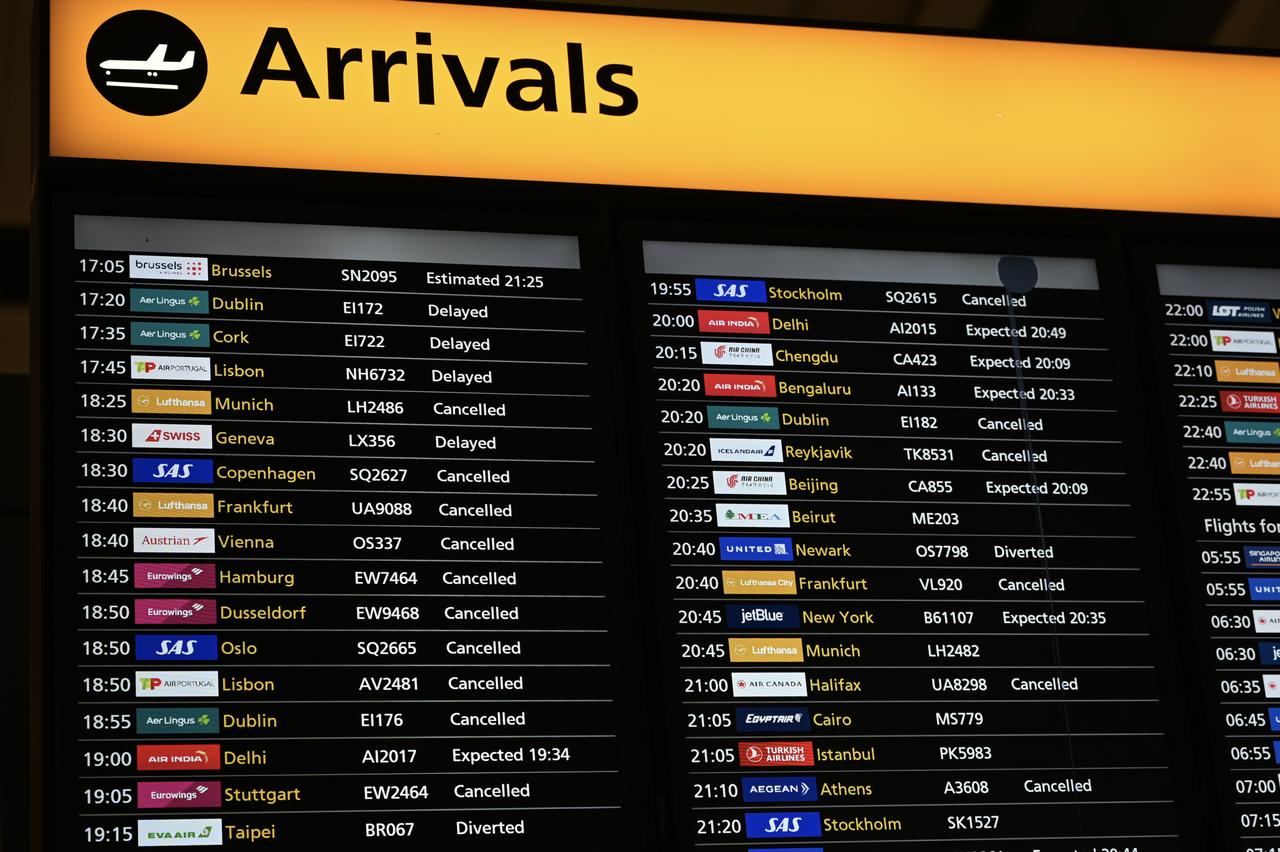
United Kingdom Air Traffic Control System Failure refers to widespread disruptions in air travel across the country on 8 September 2026, caused by a technical fault in the systems of National Air Traffic Services (NATS), the provider of the United Kingdom’s air traffic control services. The malfunction in the flight processing system led to restrictions on departures at major airports including London Heathrow, Gatwick, and Stansted, as well as Manchester and other large airports, resulting in the cancellation or delay of numerous flights. The effects of the failure persisted even after systems resumed operation, with approximately 2,000 flights affected between 8 and 9 September.
UK Aviation Crisis (8 September 2026) Anadolu Ajansı
The disruption in air travel began with a technical fault in the flight processing system used by NATS. The failure limited air traffic control capacity and imposed restrictions on departures from airports across the United Kingdom. The problem, which lasted several hours, caused aircraft and flight crews to miss their scheduled locations and forced airlines to make extensive changes to their flight schedules.
After the technical issue was resolved, NATS announced that its systems had returned to normal operation. However, disruptions continued due to the backlog of flights accumulated during the failure. Heathrow and Gatwick airports specifically indicated that cancellations and delays might persist as aircraft and personnel needed to be repositioned. Passengers were advised to check the status of their flights with their airlines before traveling to the airport.
UK Aviation Crisis (8 September 2026) Anadolu Ajansı
According to data released by aviation analytics firm Cirium, approximately 1,750 flights were cancelled on the day the technical failure occurred. By the afternoon of the following day, at least 291 additional flights had been cancelled. In total, around 2,000 flights were either cancelled or affected by the failure over the two-day period. On the day of the failure, approximately 30 percent of scheduled departures could not be operated; the following day, this figure dropped to about 5 percent.
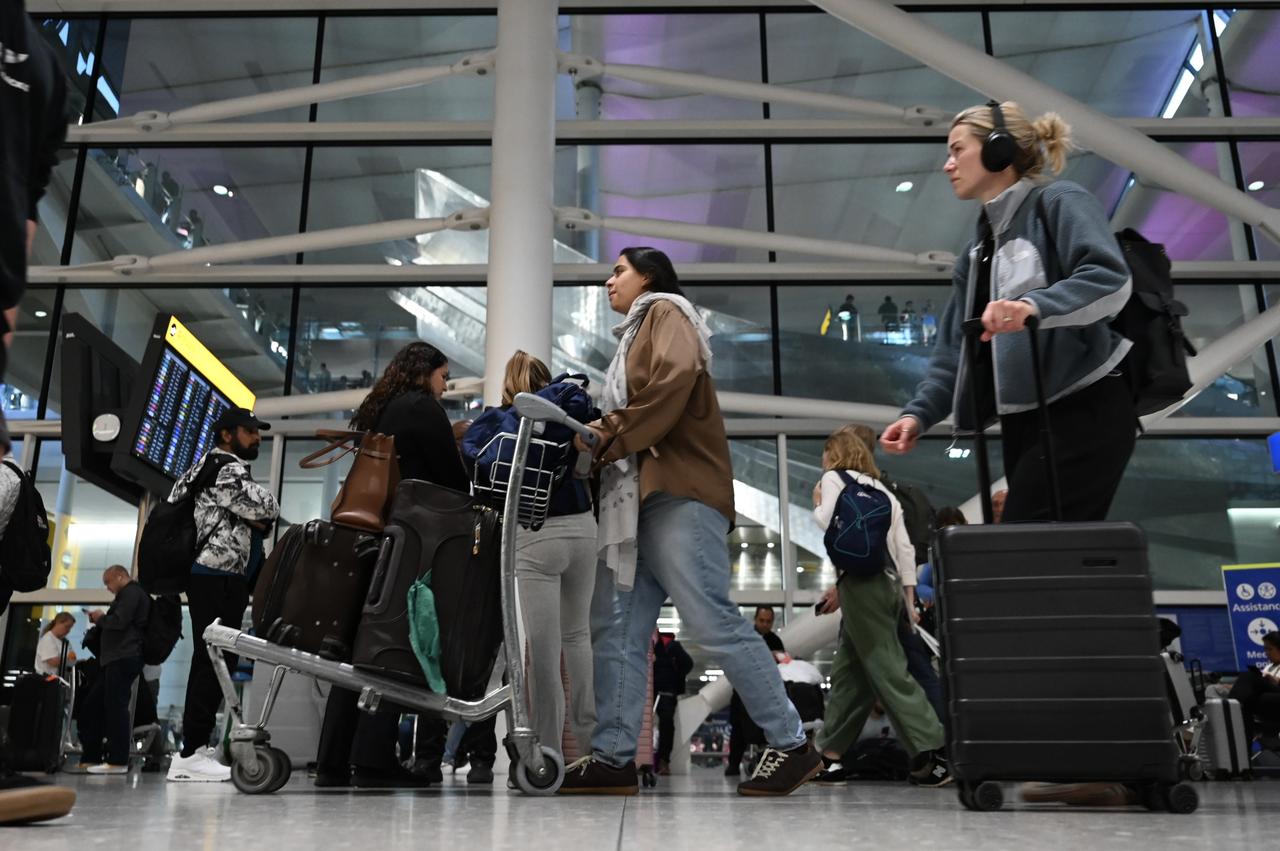
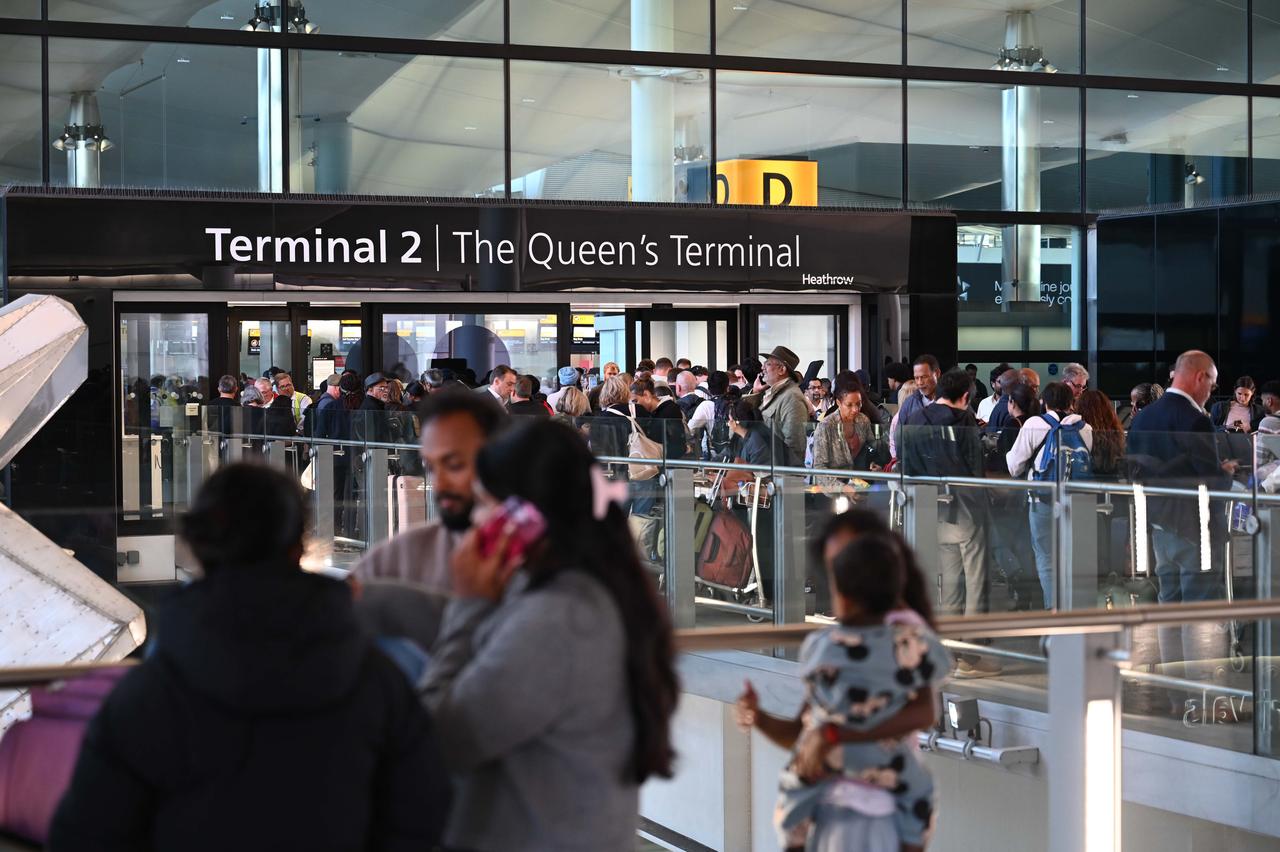
Hundreds of thousands of passengers were affected; many were stranded at airports due to cancellations and delays. After the technical issue was resolved, the fact that aircraft and crews remained stationed at alternative airports delayed the return to normal flight schedules.
Ryanair announced that the impact of the failure on its operations reached approximately £3 million. The airline reported cancelling 260 flights and directly affecting around 48,000 passengers. British Airways cancelled or rerouted approximately 100 flights on the first day and later announced an additional 190 cancellations.
UK Aviation Crisis (8 September 2026) Anadolu Ajansı
Following the failure, speculation arose that the incident might have been caused by a cyberattack. NATS Senior Executive Martin Rolfe stated that the system issue originated from a technical fault and that initial investigations had ruled out the possibility of a cyberattack. Rolfe also confirmed that a comprehensive investigation would be conducted to determine the root cause and that systems had resumed normal operations.
Rolfe further noted that the failure represented a previously unseen technical problem in NATS’s nearly 50 years of operations. However, the exact cause of the failure had not been determined in the initial statements, and detailed technical analysis results were awaited.
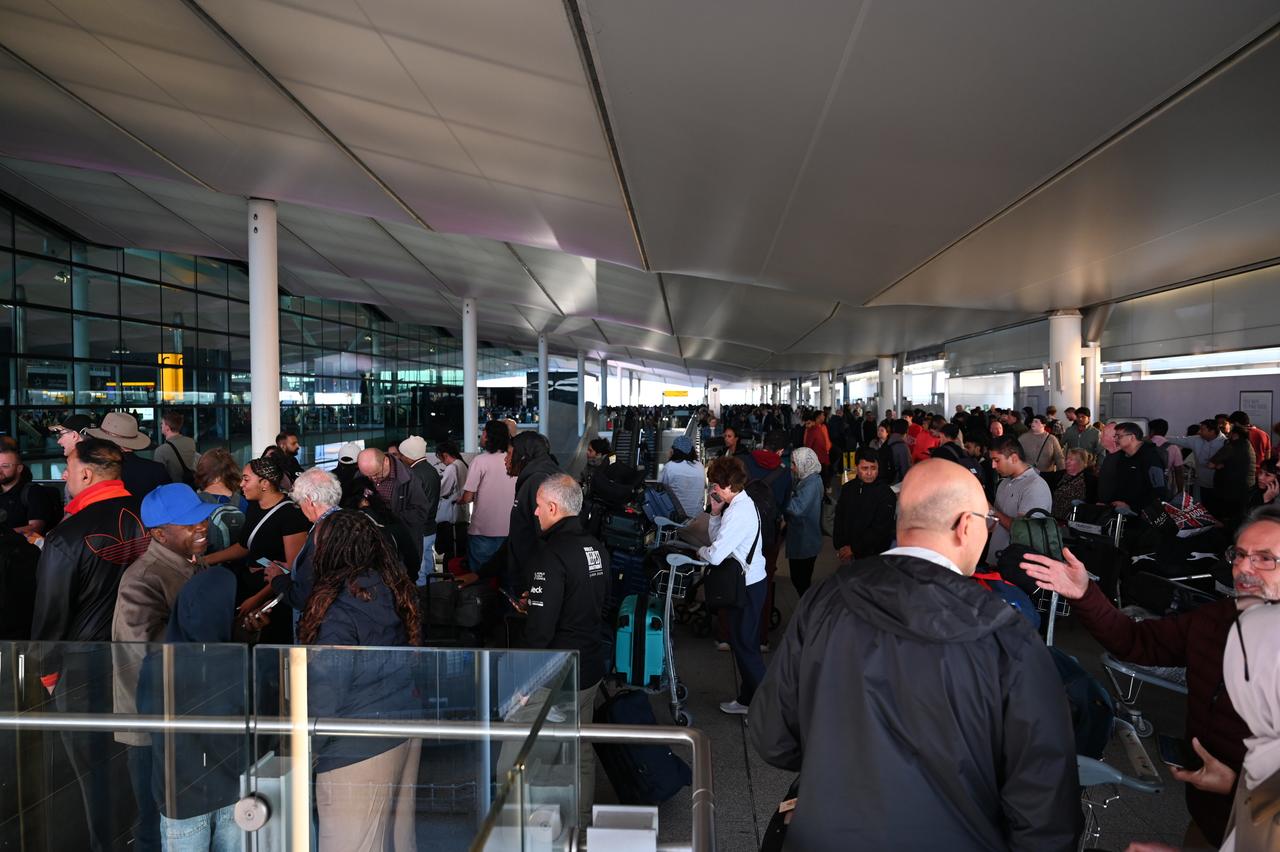
UK Aviation Crisis (8 September 2026) Anadolu Ajansı
Following the widespread disruption, UK Transport Secretary Heidi Alexander summoned NATS Senior Executive Martin Rolfe to provide an explanation regarding the technical failure. Alexander requested assurances regarding the resilience of the air traffic control infrastructure and the adequacy of the technological systems in use. The government also confirmed that the incident was not caused by a cyberattack.
The incident revived public and political scrutiny of the reliability of the UK’s air traffic control infrastructure and previous similar technical failures. In August 2023, a major system failure at NATS had caused widespread flight cancellations and delays across the country, resulting in estimated losses of approximately £100 million for airlines. In July 2025, another technical issue linked to radar systems had disrupted air travel at several major airports including Heathrow.
Following the 2026 incident, Ryanair management specifically noted that the technical problem resembled the widespread air traffic control failure of 2023. Ryanair CEO Michael O’Leary, citing information received from NATS, asserted that both incidents stemmed from the same type of technical fault. NATS Senior Executive Rolfe rejected this assessment, stating that the 2026 failure was distinct from the 2023 event.
The 2023 failure was attributed to an erroneous flight plan that disrupted the system and impaired air traffic control services. Following that incident, legal proceedings were initiated between Ryanair and NATS; Ryanair filed a lawsuit seeking compensation exceeding £7 million for losses incurred due to the 2023 failure. The airline also argued that NATS should allocate a larger share of its revenues to upgrading its technological infrastructure and expanding personnel capacity.
National Air Traffic Services (NATS) is the primary provider of air traffic control services in the United Kingdom. The organization operates as a public-private partnership, with ownership shared between the UK government and airlines including British Airways and easyJet, as well as pension funds. NATS provides air traffic control services to 15 airports across the United Kingdom.
The technical failure in September 2026 was one of the most significant disruptions to NATS systems in recent years. Following the impact on approximately 2,000 flights and the disruption of travel plans for hundreds of thousands of passengers, a technical investigation was launched to determine the cause. Although flights resumed operations, cancellations and delays continued in the aftermath due to aircraft and crews being stationed at alternative locations.
Anadolu Ajansı. “UK air traffic control service rules out cyber attack after over 2,000 flights canceled.” Accessed September 9, 2026.https://www.aa.com.tr/en/world/uk-air-traffic-control-service-rules-out-cyber-attack-after-over-2-000-flights-canceled/4052082
BBC News, “More flights delayed after hundreds cancelled by air traffic control glitch”, September 9, 2026. Accessed September 9, 2026.
BBC News, “Passengers sleep on floors and describe airport 'carnage' as hundreds more flights cancelled”, September 9, 2026. Accessed September 9, 2026.
Deutsche Welle, “UK rules out cyberattack after major flight disruptions”, September 9, 2026. Accessed September 9, 2026.
Reuters. "UK summons air traffic boss after major outage as flights resume." Accessed September 9, 2026.https://www.reuters.com/world/uk/uk-flights-resume-airports-warn-ongoing-disruption-air-traffic-outage-2026-09-09/
Sky News, “UK airports latest: Hundreds more flights cancelled - as one possible cause of 'horrible' chaos ruled out." September 8, 2026. Accessed September 9, 2026.
TRT Haber. "İngiltere'de havacılık krizi: Bine yakın uçuş iptal edildi." Accessed September 9, 2026.https://www.trthaber.com/haber/dunya/ingilterede-havacilik-krizi-bine-yakin-ucus-iptal-edildi-956292.html

A technical fault in the flight processing system of NATS, the UK’s air traffic control provider, caused widespread disruptions to air travel across the country. During the crisis, which affected major airports including Heathrow, Gatwick, Manchester and Stansted, approximately 2,000 flights were cancelled and hundreds of thousands of passengers had their travel plans disrupted.
No Discussion Added Yet
Start discussion for "United Kingdom Air Travel Crisis (September 2026)" article
September 9, 2026
Technical Failure and Air Traffic Disruption
September 9, 2026
Flight Cancellations and Impact on Passengers
September 9, 2026
Rejection of Cyberattack Possibility
September 9, 2026
Government Investigation
September 9, 2026
Comparison with the 2023 Failure
September 9, 2026
NATS’s Role in Air Traffic Management