


This article was automatically translated from the original Turkish version.
When you visit a new city, where do you turn first? For many people, the answer is the same: the historic bazaar.
Walking through narrow alleys, you might encounter the clinking of copper artisans, the scent of spices, or handcrafted goods displayed in shop windows—offering far more than just a routine shopping experience. Perhaps this is why bazaars established hundreds of years ago continue to welcome visitors today.
Yet with modern shopping malls and online retail so widespread, why do historic bazaars still attract interest?
Historic bazaars have never been merely places to buy and sell goods. They were vibrant spaces where people met, conversed, exchanged news, and where different trades flourished together. Copper workers, jewelers, and fabric sellers on the same street shaped both commerce and urban life.
Today, this atmosphere can still be felt in many historic bazaars. Even as individual shops change, the rhythm of the streets, the culture of the tradespeople, and the curiosity of visitors endure.
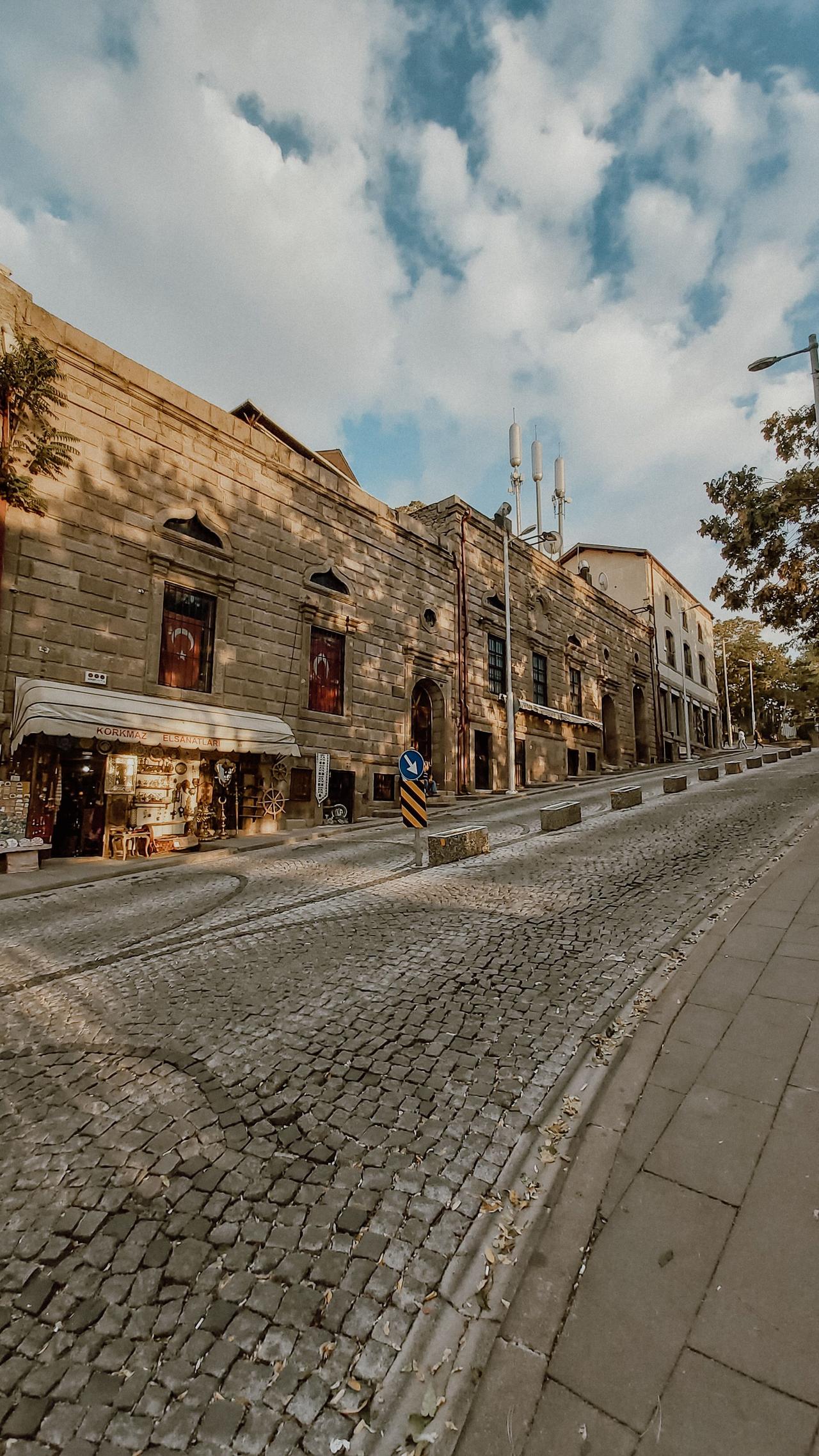
Tarihi Çarşı Örneği (pexels)
It is possible to preserve an old building. But what truly keeps a bazaar alive is the life within it.
The shopkeeper opening his stall each morning, the master artisans who have practiced the same craft for decades, the people who pass through these streets every day… Historic bazaars are not merely places that display the past—they are spaces where the past is lived daily.
In this way, they differ from many other historic structures. Here, history is not only seen—it is experienced.
In many historic bazaars, you can still encounter crafts such as copperworking, wood carving, weaving, or traditional jewelry making. These trades are not merely economic activities—they are part of a living transmission of knowledge and skill from generation to generation.
UNESCO does not limit cultural heritage solely to monuments and historic buildings. Traditional handicrafts, artisanal expertise, and social practices are also vital components of cultural heritage that must be preserved.【1】
For this reason, historic bazaars are not simply areas filled with old shops—they are living spaces where cultural heritage continues to thrive.
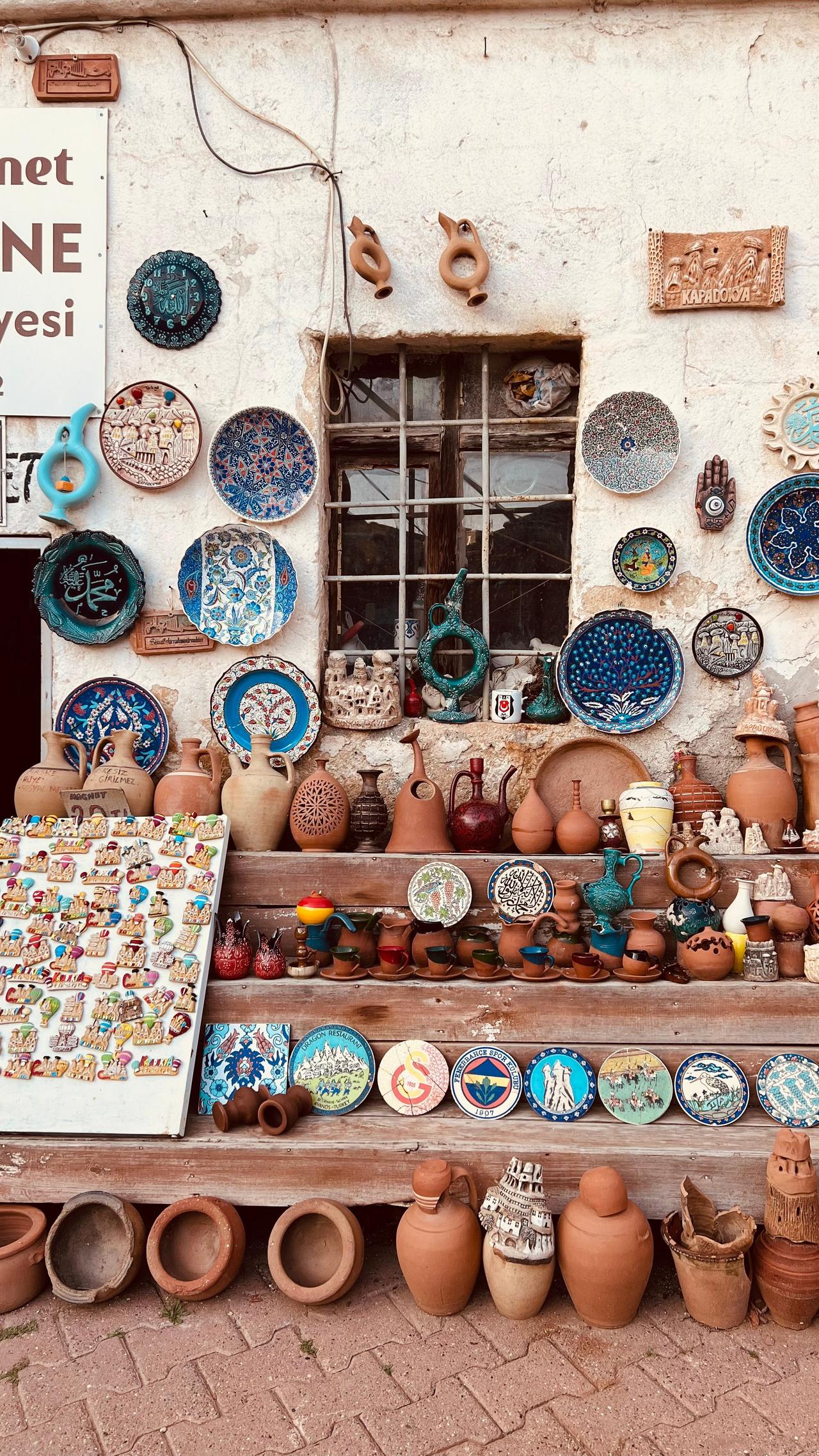
Tarihi Çarşıda El Sanatları (pexels)
In a shopping mall, you can find the product you need. In a historic bazaar, you encounter something more: a story.
Perhaps you chat with a master craftsman who has worked in the same shop for a century, or you watch how a handcrafted item is made. This experience is one of the most defining features that distinguish historic bazaars from other shopping environments.
The deep interest people feel toward these spaces stems largely from this. Historic bazaars do not merely tell the story of the past—they keep it alive in the present.
Demir, Doğan Alpaslan. "Historic Izmir Kemeralti Bazaar Interior View." Pexels. Accessed July 22, 2026.
Tunadağı, Seda. "Colorful Display of Traditional Pottery and Ceramics." Pexels. Accessed July 26, 2026.https://www.pexels.com/photo/colorful-display-of-traditional-pottery-and-ceramics-31884028/
UNESCO. "Text of the Convention for the Safeguarding of the Intangible Cultural Heritage." *Intangible Cultural Heritage.* Accessed July 22, 2026.https://ich.unesco.org/en/convention
Zeynep. “Steep Cobblestone Road.” Pexels. Accessed July 28, 2026.https://www.pexels.com/photo/steep-cobblestone-road-8154871/
[1]
UNESCO, "Convention for the Safeguarding of the Intangible Cultural Heritage," intangible cultural heritage, Accessed July 22, 2026,https://ich.unesco.org/en/convention
More Than Just Shopping
What Keeps a Bazaar Alive?
Why Are Handicrafts Still Important?
Why Are They Still Indispensable?