


This article was automatically translated from the original Turkish version.
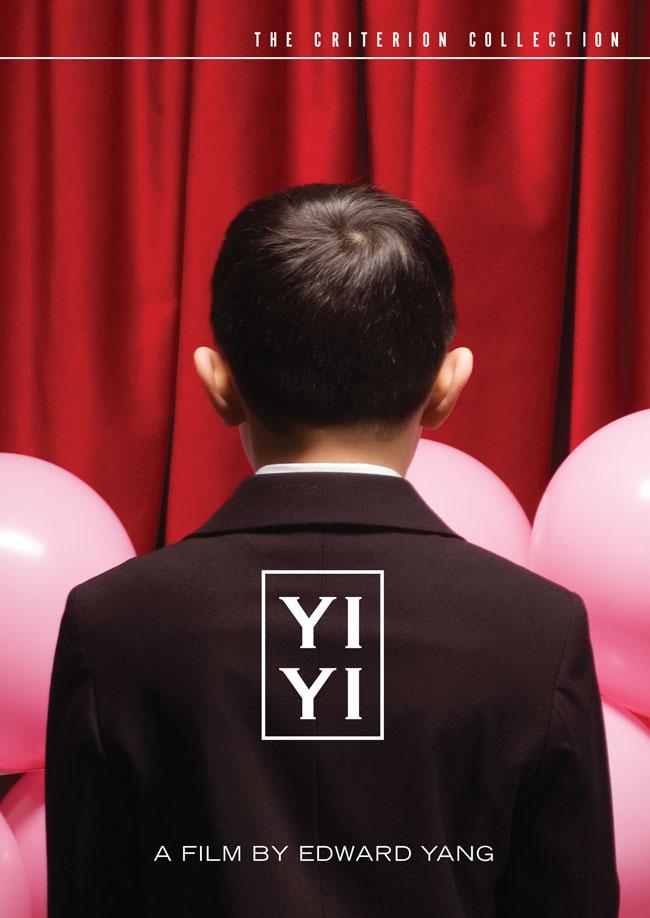
Yi Yi Movie Poster
Film Title | Yi Yi | ||||||||
|---|---|---|---|---|---|---|---|---|---|
Director(s) | Edward Yang | ||||||||
Screenplay(s) | Edward Yang | ||||||||
Production Year | 2000 | ||||||||
Duration | 173 minutes | ||||||||
Genre | Drama | ||||||||
Yi Yi is a feature-length drama film written and directed by Taiwanese filmmaker Edward Yang and released in 2000. The 173-minute film explores the daily life intergenerational relationships and individual introspections of a middle-class family in modern Taiwanese society. The film was awarded the Best Director prize at the 2000 Cannes Film Festival.

A Scene from Yi Yi (IMDB)
The film examines the inner worlds and familial dynamics of NJ his wife Min-Min their daughter Ting-Ting and young son Yang-Yang through everyday events in their lives in Taipei. The narrative begins with the grandmother’s descent into a coma prompting each family member to reevaluate their relationship with life. The storytelling unfolds in a character-driven manner emphasizing internal development and personal experience.
The psychological and sociological dimensions of family structure are analyzed through the relationships among the characters. By focusing on the subjective inner lives of each member the film questions the balance between the individual and the family unit.
Differences between generations are explored through how individuals of varying ages understand and express themselves to one another. The moral conflicts experienced by the younger characters are particularly striking.
The perception of time within the ordinary flow of daily life is examined through the characters’ connections to their past and future.
Under the influence of modernization the loneliness and search for meaning of the individual in urban life come to the forefront.
Edward Yang is one of the leading figures of the Taiwanese New Wave cinema. Yi Yi is Yang’s final feature film. In this work he chose a narrative grounded in observation and experience rather than plot constructing the screenplay to reveal the characters’ inner conflicts within the mundane rhythm of everyday life.

A Scene from Yi Yi (IMDB)
The film draws attention through its use of static cameras and long takes. Visual composition frequently incorporates elements such as glass reflections and framing devices. These choices are interpreted as narrative tools symbolizing the relationship between the characters’ inner worlds and their external reality. The color palette is simple and natural and the cinematography emphasizes the ordinariness of everyday spaces.
Taipei the setting of the film functions not merely as a physical location but as a backdrop representing cultural transformation. Urban spaces such as offices schools and apartment units are portrayed in relation to the characters’ social status and psychological states.

A Scene from Yi Yi (IMDB)
Following its success at the Cannes Film Festival Yi Yi received widespread acclaim in international cinema circles. The film has been recognized on various critical platforms as one of the most important films of the 21st century. In particular the perspective of the child character Yang-Yang has become a frequently analyzed narrative element in academic studies.
IMDb. *Yi Yi.* 2000. Accessed April 22, 2025. https://www.imdb.com/title/tt0244316/.
Prime Video. *Yi Yi.* 2000. Accessed April 22, 2025. https://www.primevideo.com/-/tr/detail/Yi-Yi/0P6YFX4D3CY7RLNS7ZWU5RD1TX.
Yang, Edward. *Yi Yi.* Dir. Edward Yang. Taiwan: WinStar Cinema, 2000. Accessed April 24, 2025. https://www.imdb.com/title/tt0244316/mediaviewer/rm1472987904/.
Yang, Edward. *Yi Yi.* Dir. Edward Yang. Taiwan: WinStar Cinema, 2000. Accessed April 24, 2025. https://www.imdb.com/title/tt0244316/mediaviewer/rm2239332353/.
Yang, Edward. *Yi Yi.* Dir. Edward Yang. Taiwan: WinStar Cinema, 2000. Accessed April 24, 2025. https://www.imdb.com/title/tt0244316/mediaviewer/rm3380183041/.

Yi Yi Movie Poster
Film Title | Yi Yi | ||||||||
|---|---|---|---|---|---|---|---|---|---|
Director(s) | Edward Yang | ||||||||
Screenplay(s) | Edward Yang | ||||||||
Production Year | 2000 | ||||||||
Duration | 173 minutes | ||||||||
Genre | Drama | ||||||||
Plot and Structure
Thematic Content
Familial Dynamics
Intergenerational Communication
Time and Transience
The Individual in Society
Director and Screenplay
Visual Narrative and Technical Features
Setting and Socio-Cultural Context
International Impact and Academic Reception