

This article was automatically translated from the original Turkish version.
+2 More
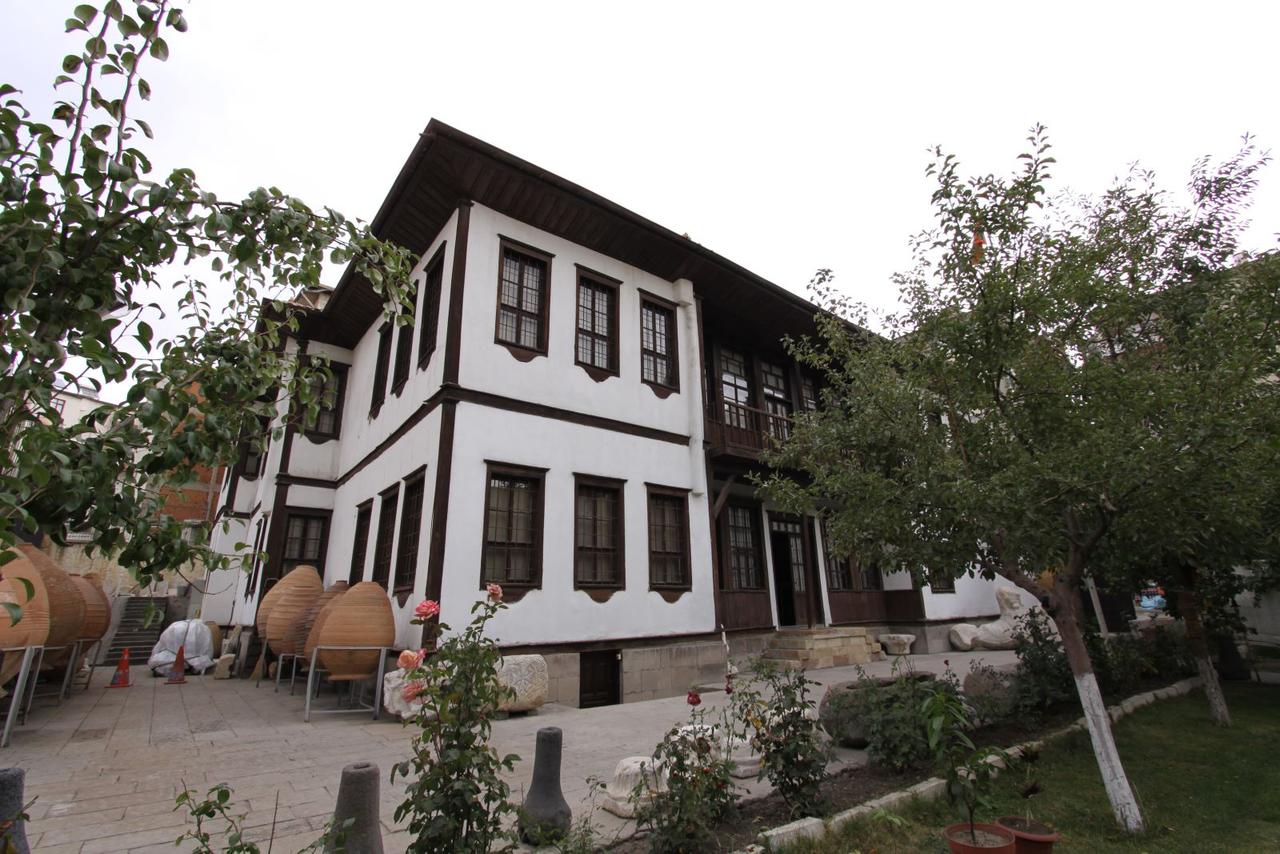
Yozgat Museum operates within the Nizamoğlu Mansion, a structure dated to the last quarter of the 19th century. The building fulfills a "museum" function through its archaeological and ethnographic collections, while its architectural features, woodwork, and ceiling decorations render it a "cultural heritage" worthy of preservation in its own right.
Based on inscriptions found in the ceiling decorations and architectural style analysis, the construction date of the building is assigned to 1871. Originally built by a non-Muslim Ottoman citizen known as Karslıoğlu, the mansion later passed to the Nizamoğlu family, one of Yozgat’s established households, and was used as a residence for an extended period. Due to this ownership history, the building is known in literature and among the public as the "Nizamoğlu Mansion."
Before assuming its museum function, the building served various public purposes. At one point it housed educational activities as the "Girls’ Art School," and later it was designated as a "Tekel Warehouse." In 1979, the Ministry of Culture nationalized the mansion and placed it under protection. After a comprehensive restoration and exhibition reorganization process, it was opened to the public in 1985 as the "Yozgat Museum."

Yozgat Museum (Culture Portal)
The Nizamoğlu Mansion is an monumental structure reflecting the typical character of 19th-century Yozgat residences, combining yellow cut stone, wood, and bagdadi plaster techniques. The eastern façade is oriented toward the ancient Hittite capital of Hattuşa (Boğazkale).
The building consists of a basement level, a ground floor, and two wooden upper floors. The materials used between floors differ:
The mansion follows the "Inner Courtyard" or commonly known "Karnıyarık" plan type in Turkish domestic architecture. In this layout, a large central hall (sofa) is surrounded by living rooms. The building is divided into two main sections according to the social norms of the period: the Haremlik and the Selamlık.
Room doors open directly onto the central hall. Access to the upper floor is via a wooden staircase. Although the second floor plan repeats that of the ground floor, the central hall here is wider and includes an "eyvan" (a three-sided enclosed, open-to-view seating area) to expand the spatial volume. The roof is covered with a broken-pitch system featuring wide eaves and traditional Turkish tiles.
The interior aesthetic of the mansion is based on late 19th-century Ottoman artistic traditions, particularly woodwork and calligraphic ornamentation. Especially in the two main rooms on the upper floor, where guests were received, paintings reflect the artistic sensibilities of the era.

Ceiling Paintings (General Directorate of Cultural Assets and Museums)
The ceiling of the room known as the "Main Hall" or "Selamlık Başodası" is designed in a "T" shape, with surfaces divided into wooden panels. The central medallion is polygonal and adorned with stylized floral motifs and geometric patterns. However, the most significant artistic elements are the paintings on the wall panels. These paintings, dated 1871 (Hijri 1287) by an inscribed cartouche, combine religious and historical themes in an eclectic manner:

Image of the Main Hall (Culture Portal)
The ceiling decorations of the second room, located immediately beside the Main Hall, feature a calmer, nature-centered composition. The panel borders of this room are dominated by Baroque-influenced ornamentation: twisted branches, stylized trees, flowers emerging from vases, and fruit still lifes. These paintings favor landscape imagery over figurative narratives, reinforcing the concept of a paradise garden.
The mansion’s decorative program reflects the manifestations of "Turkish Baroque" or "Empire" style in Anatolian civil architecture. The use of perspective experiments, thematic diversity, and Western symbols such as Napoleon’s wars indicates that the artist (nakkaş) was influenced by Western art.
The upper floor exhibition of the museum is organized according to the "living museum" concept, in harmony with the mansion’s original architectural structure. Rooms are arranged not as display cases but as immersive dioramas reflecting daily life practices of the period.
One of the most carefully designed areas of the mansion, the Bridal Room reflects the marriage and dowry culture of 19th-century Yozgat. Exhibited items include a brass-headed bed, a wooden cradle, handwoven kilims, and dowry chests. Mannequins display gold-embroidered "bindallı" garments and three-layered skirts, illustrating regional dress traditions. A sewing machine and embroidery table in one corner of the room signify the labor and production of women during the period.

Image of the Bridal Room (Culture Portal)
This section introduces traditional culinary culture and features an extensive collection of cookware from the Seljuk, Ottoman, and Republican periods. Exhibits include copper trays, pots, jugs, porcelain plates, and wooden tableware, displayed within their natural context of hearth and pantry. This arrangement aims to allow visitors to experience the atmosphere of a kitchen from a century ago.
In the section designated as the "Islamic Artifacts Hall," spiritually significant objects collected from local tekkes and mosques are preserved. The collection includes handwritten copies of the Qur’an, illuminated volumes, candlesticks, incense burners, and standards. Additionally, banners belonging to the Çapanoğlu family of Yozgat and various Sufi orders are also displayed here.
One of the most intriguing items in the ethnographic collection is a historical organ transferred to the museum from the inventory of Yozgat High School and dated to the 19th century. This instrument is significant for illustrating the cultural diversity of Yozgat during the late Ottoman modernization period.
The ground floor halls and corridors of the museum display archaeological finds from systematic excavations conducted in Yozgat and its surroundings (Alişar Höyük, Büyüknefes/Tavium, Çengeltepe) arranged chronologically. Enhanced by a new exhibition layout in 2008, this collection documents the region’s settlement history from the Early Bronze Age to the Byzantine period.
The core of the collection consists of ceramic vessels, bronze weapons, jewelry, and everyday objects excavated from ancient settlements in the region.
The coin collection displayed in vitrines includes gold, silver, and bronze coins from the Hellenistic kingdoms, the Roman Empire, the Byzantine Empire, and Islamic periods. These coins serve as tangible evidence of the region’s commercial and political activity throughout history.

Chamber of Sarcophagi (Culture Portal)
In addition, stone artifacts from the Roman and Byzantine periods are exhibited in the museum garden and certain sections of the ground floor. These include funerary stelae (grave markers), column capitals, milestone stones, and marble sarcophagus fragments. These stone artifacts provide valuable clues regarding the architectural structure of the ancient city of Tavium (Büyüknefes).
The Yozgat Museum is an integrated cultural space that unites under one roof the Nizamoğlu Mansion, reflecting Anatolia’s civil architectural heritage, with archaeological and ethnographic collections documenting the region’s thousands of years of history. The building is not merely a passive repository for artifacts; its ceiling paintings, architectural design, and cultural traces render it itself a "museum object" on display.
Altun, Savaş. "Yozgat Müzesi’nden Bir Grup Metal Eserin Değerlendirmesi." *Amisos* 7, no. 12 (2022): 9-21. https://dergipark.org.tr/tr/download/article-file/2382664.
Atsız, Ozan. "Yozgat Müzesi." *Türkiye Turizm Ansiklopedisi*. Accessed February 1, 2026. https://turkiyeturizmansiklopedisi.com/yozgat-muzesi.
Culture and Museums General Directorate. "Yozgat Müze Directorate." Accessed February 1, 2026. https://kvmgm.ktb.gov.tr/TR-44147/yozgat-muze-mudurlugu.html.
Ministry of Culture and Tourism of the Republic of Türkiye. "Yozgat Müzesi." Turkish Museums. Accessed February 1, 2026. https://www.turkishmuseums.com/museum/detail/2255-yozgat-muzesi/2255/1.
Ministry of National Education. "Yozgat Müzesi."EBA Okul Learning Environments. Accessed February 1, 2026. https://okuldisiogrenme-cdn-small.eba.gov.tr/place-detail/yozgat-muzesi-419.
T.C. Ministry of Culture and Tourism. "Yozgat Müzesi." Müze Kart. Accessed February 1, 2026. https://muze.gov.tr/muze-detay?DistId=MRK&SectionId=YZG01.
Türkiye Kültür Portalı. "Nizamoğlu Konağı - Yozgat." Accessed February 1, 2026. https://www.kulturportali.gov.tr/turkiye/yozgat/gezilecekyer/nizamoglu-konagi.
Türkiye Kültür Portalı. "Yozgat Müzesi - Yozgat." Accessed February 1, 2026. https://www.kulturportali.gov.tr/turkiye/yozgat/gezilecekyer/yozgat-muzesi.

Architectural Structure and Plan Features
Structural System and Materials
Plan Scheme and Interior Space
Decorations and Ceiling Paintings
Decorations in the Main Hall
Second Room and Nature Theme
Artistic Style
Ethnographic Artifacts and Spatial Design
Bridal Room
Kitchen Section
Islamic Artifacts and Other Objects
Archaeological Collection
Displayed Periods and Artifact Groups
Coin Collection and Stone Artifacts
Historical Significance