

Bu içerik Türkçe olarak yazılmış olup yapay zeka ile otomatik olarak İngilizceye çevrilmiştir.
+2 Daha
Title(s) | Fasıllar Hittite Rock Monument (Cradle of the Wolf Monument) | ||||||||
|---|---|---|---|---|---|---|---|---|---|
Period(s) | Hittite Imperial Period (13th Century BCE) | ||||||||
Material(s) | Single natural rock | ||||||||
Technique | High relief (rock carving) | ||||||||
Patron | Hittite King Muwatalli II | ||||||||
Dating | 13th century BCE (approximately 3,500 years ago) | ||||||||
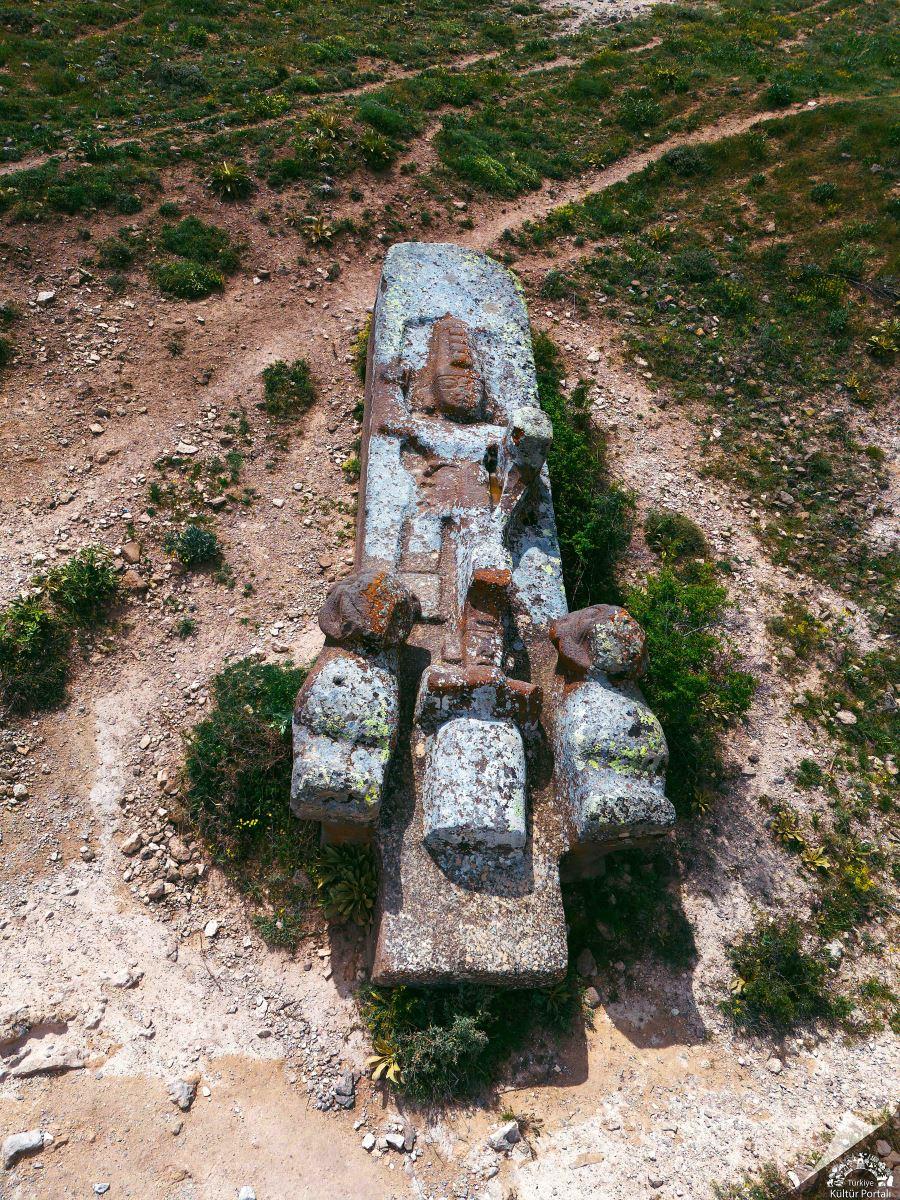
Chapters of the Hittite Rock Monument (Kurt Beşiği Anıtı) is a monumental archaeological artifact located within the boundaries of Fasıllar Neighborhood in the Beyşehir district of Konya, dating to the Hittite Imperial Period. Estimated to originate from the 13th century BCE, this structure is recognized as one of the largest rock monuments in the world due to its execution on a single basalt block and its colossal dimensions. The monument is considered one of the significant historical heritage sites of Anatolia and provides a tangible example of Hittite presence and the stone carving tradition in the region.
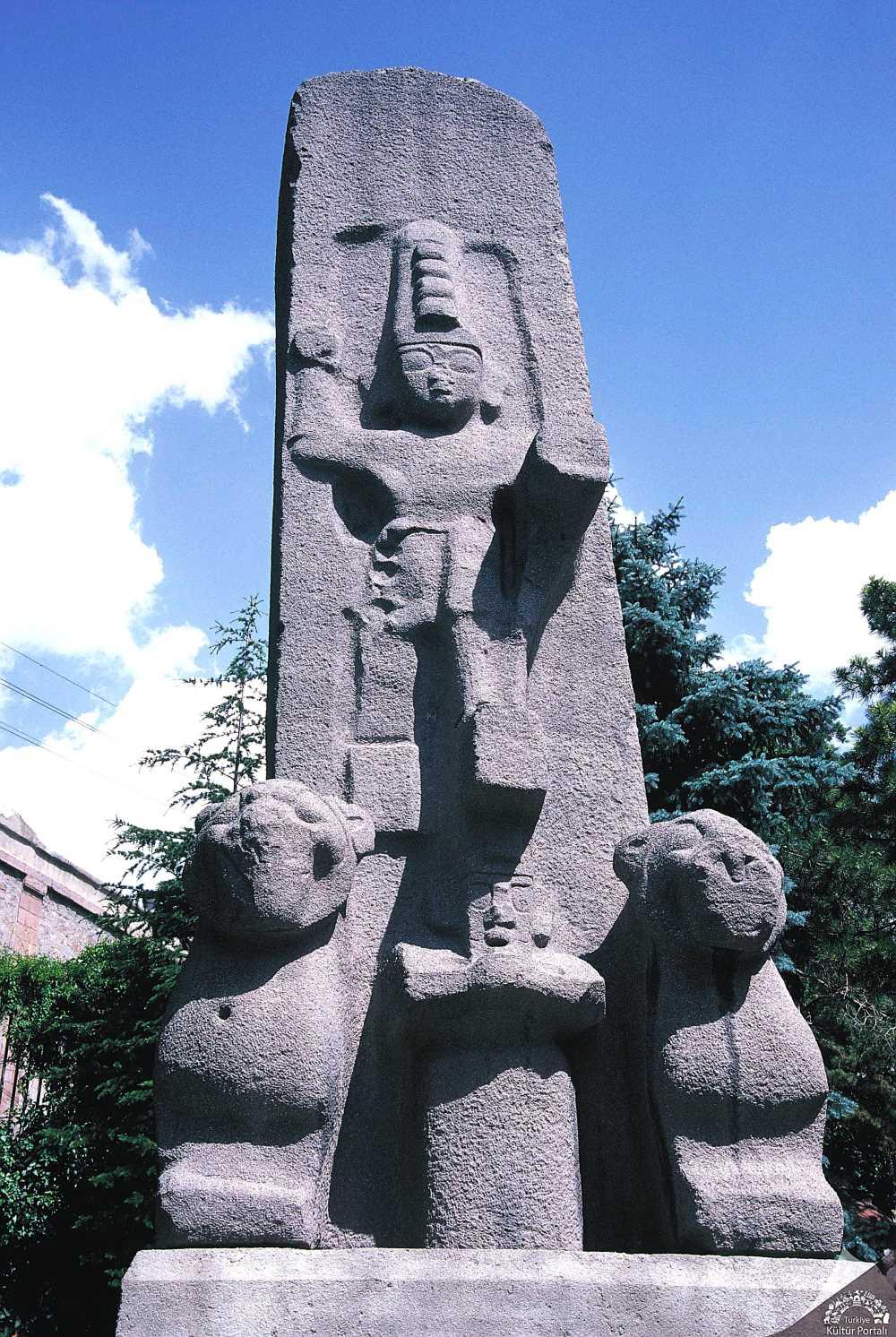
Fasıllar Hittite Rock Monument (Türkiye Culture Portal)
The monument was carved into a large stone block estimated to weigh 70 tons. Its physical dimensions are recorded as 8.30 meters in length, 2.25 meters in height, and 2.75 meters in width. Unlike typical upright monuments, it lies horizontally on the terrain where it was found. This orientation and massive mass provide insights into the technical methods used in its production and transportation.
Two divine figures are carved in high relief on the monument. The central main deity is depicted with one foot placed on a lion and the other on a mountain god. One of its hands is raised upward. Directly beneath this main figure, a smaller figure, interpreted as a mountain god, is portrayed.
Various theories exist regarding the purpose of the Fasıllar Hittite Rock Monument and its current location. It is believed that the monument was originally prepared for the sacred site at Eflatunpınar but was abandoned near Fasıllar, likely close to the quarry, due to difficulties in transporting the 70-ton block or because of damage sustained during transit. This explains why the monument, though completed, never reached its intended final location. The monument thus offers valuable data on Hittite techniques for moving stone monuments and their logistical capabilities. Additionally, this monument is associated with the Hittite-Egyptian power struggle of Battle of Kadesh (1274 BCE).
The original monument remains in situ on its natural terrain in Fasıllar Neighborhood. Due to its historical and artistic significance, an exact concrete replica is displayed in the gardens of Ankara Museum of Anatolian Civilizations. The Fasıllar region is rich in historical stratification. Near this Hittite monument, remains from other civilizations have been found, including the Lukuyanus Monument, dated to the Roman Period and inscribed with rules of chariot racing. The area, bearing traces from both the Hittite and Roman periods, functions as an archaeological focal point.
Erbil, Yiğit H. "KONYA İLİ, BEYŞEHİR İLÇESİ, FASILLAR ANITI ve ÇEVRESİ 2015 YILI ARKEOLOJİK YÜZEY ARAŞTIRMASI SONUÇ RAPORU". *Türk Tarih Kurumu.* Accessed December 23, 2025. https://www.ttk.gov.tr/wp-content/uploads/2016/11/8-Konya.pdf
Ministry of Culture and Tourism of the Republic of Turkey. "Beyşehir Fasıllar Hitit Anıtı - Konya." Türkiye Kültür Portalı. Accessed December 23, 2025. https://www.kulturportali.gov.tr/turkiye/konya/gezilecekyer/beysehir-fasillar-hitit-aniti
T.C. Konya Valiliği. "Konya Fasıllar Anıtı." T.C. Konya Valiliği Resmi Web Sitesi. Accessed December 23, 2025. https://www.konya.gov.tr/konya-fasillar-aniti

Title(s) | Fasıllar Hittite Rock Monument (Cradle of the Wolf Monument) | ||||||||
|---|---|---|---|---|---|---|---|---|---|
Period(s) | Hittite Imperial Period (13th Century BCE) | ||||||||
Material(s) | Single natural rock | ||||||||
Technique | High relief (rock carving) | ||||||||
Patron | Hittite King Muwatalli II | ||||||||
Dating | 13th century BCE (approximately 3,500 years ago) | ||||||||
Henüz Tartışma Girilmemiştir
"Chapters of the Hittite Rock Monument" maddesi için tartışma başlatın
Physical Characteristics
Iconographic Features and Depictions
Findings on the Function and History of the Monument
Conservation Status and Environmental Context