

Bu içerik Türkçe olarak yazılmış olup yapay zeka ile otomatik olarak İngilizceye çevrilmiştir.
Producing Organization | Fergani Space | ||||||||
|---|---|---|---|---|---|---|---|---|---|
Satellite Type | Microsatellite | ||||||||
Mass | 104 kg | ||||||||
Orbital Type | Low Earth Orbit (LEO) | ||||||||
Orbital Altitude | Approximately 510 km | ||||||||
Orbital Velocity | 7.6 km/s | ||||||||
Daily Number of Tours | Approximately 15 orbits | ||||||||
Service Life | 5–7 years | ||||||||
Launch Date | 2 November 2025 | ||||||||
Launch Vehicle | Falcon 9 (Bandwagon-4 mission) | ||||||||
FGN-100-d2 is a microsatellite developed by Fergani Space. The satellite was designed as the second component of the Ulugh Beg Satellite Team. Its total mass is 104 kilograms and its mission life is estimated at approximately five to seven years. It is configured to operate in Low Earth Orbit (LEO) at an altitude of approximately 510 kilometers. Its average orbital velocity is around 7.6 kilometers per second and it completes approximately 15 orbits around the Earth each day. FGN-100-d2 was launched into space following FGN-100-d1, the first component of the team, which was placed into orbit on 14 January 2025.
The launch of the FGN-100-d2 satellite is being monitored from the Space Observation and Control Center within the Özdemir Bayraktar National Technology Center by Fergani Space CEO Selçuk Bayraktar and his team, 2 November 2025 - (Selçuk Bayraktar Official YouTube Channel)
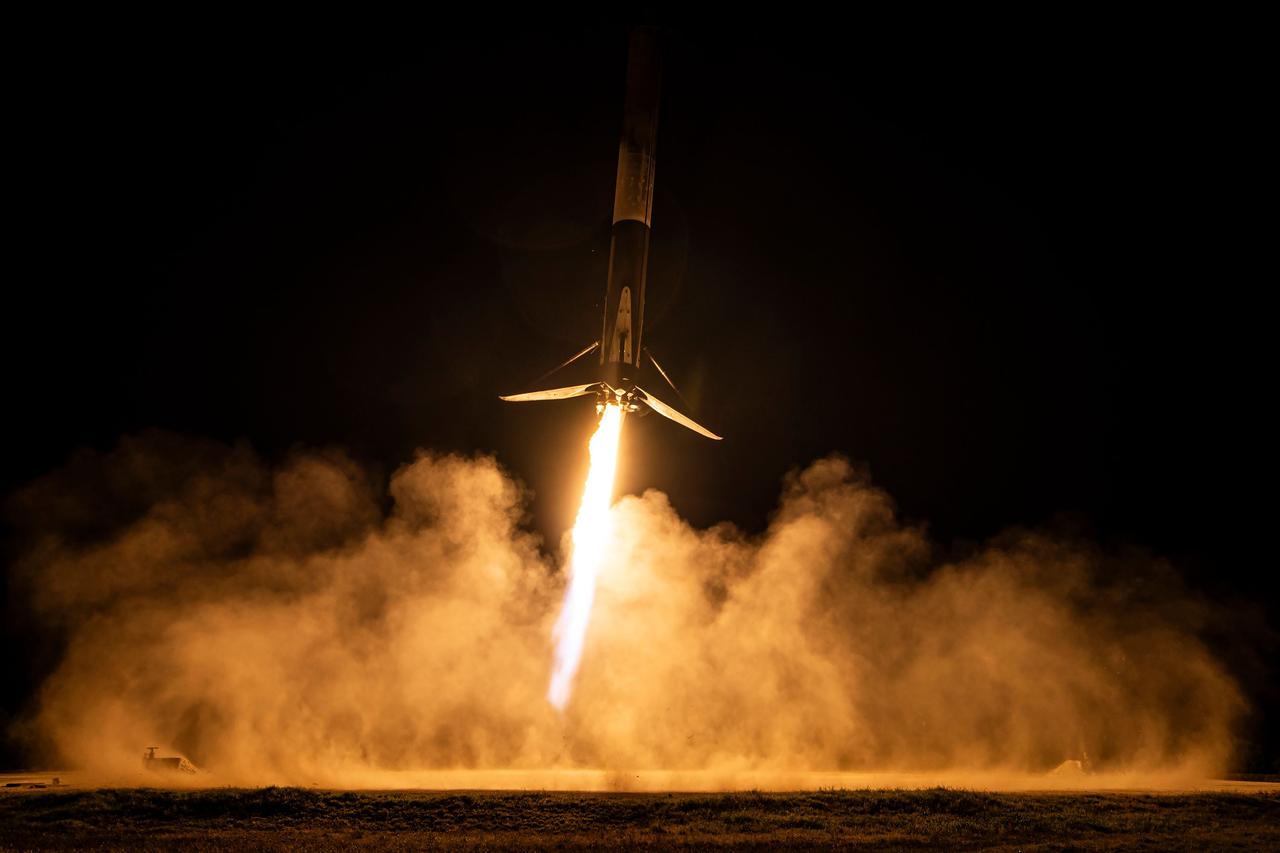
FGN-100-d2 was launched into space on 2 November 2025 at 08:09 Türkiye time from the SLC-40 launch pad at the U.S. Cape Canaveral Space Force Station. The launch was conducted as part of the Bandwagon-4 mission using SpaceX’s Falcon 9 vehicle. This mission carried a total of 18 payloads into orbit, and after stage separation, the first stage landed on the LZ-2 platform.
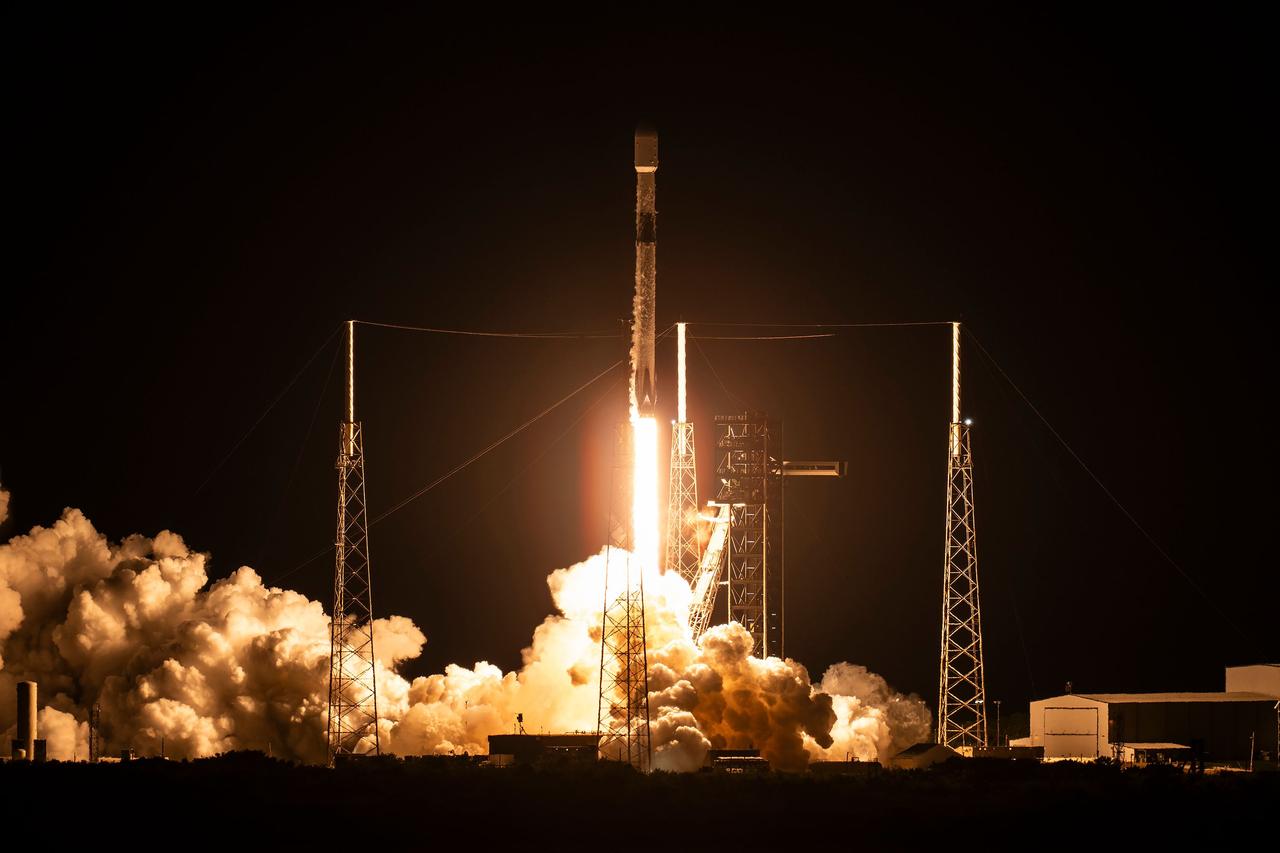
Bandwagon-4 mission, 2 November 2025 - (Space X)
The launch process was monitored by Fergani Space CEO Selçuk Bayraktar and his team from the Space Observation and Control Center within the Özdemir Bayraktar National Technology Center.
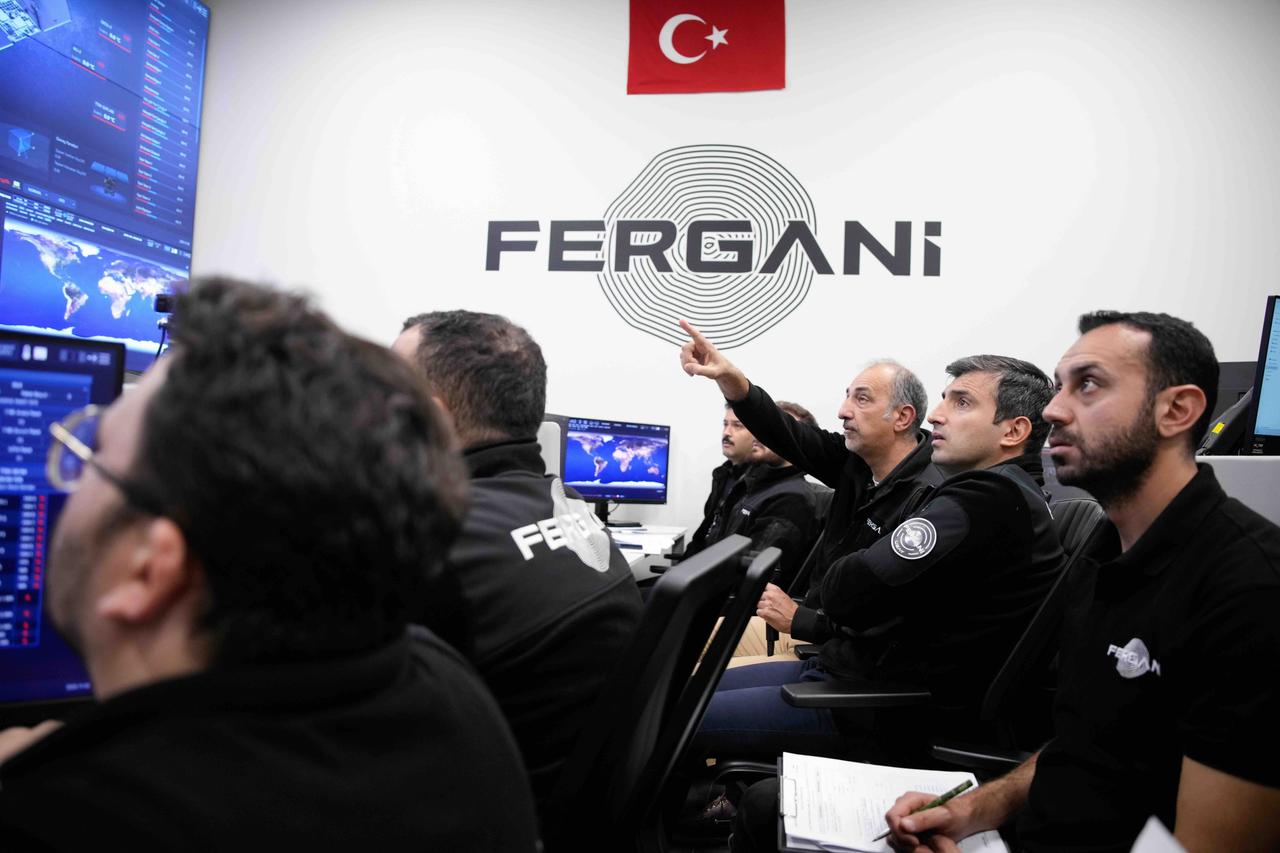
The launch of the FGN-100-d2 satellite is being monitored from the Space Observation and Control Center within the Özdemir Bayraktar National Technology Center by Fergani Space CEO Selçuk Bayraktar and his team, 2 November 2025 - (Fergani Space)
FGN-100-d2 is the second phase of Fergani Space’s Positioning Satellite Team Project. The satellite was designed to test capabilities in on-orbit operations, telemetry and telecommand communications, positioning, and payload data transmission. The national satellite was entirely developed by the Fergani engineering team, featuring indigenous avionics equipment, national software integration, a green propulsion system, structural design, and environmental testing.
The LEO orbit at approximately 510 kilometers altitude enables the satellite to complete an average of 15 orbits around the Earth each day. The orbital velocity of 7.6 kilometers per second is consistent with the expected orbital periods at this altitude.
The planned mission duration of FGN-100-d2 is between five and seven years. It represents a significant milestone in Türkiye’s space ecosystem. Fergani Space aims to establish a constellation of positioning satellites in the future, enabling services in both positioning and communications. This system, named “Ulugh Beg,” is planned to encompass 100 satellites to be launched over the next five years. FGN-100-d2 is the company’s second step toward achieving this goal.
Fergani Uzay. “Milli Uydu Fergani FGN-100-D2 Uzayda.” Fergani Uzay Resmi Web Sitesi. Accessed November 3, 2025. https://www.ferganispace.com/tr/haberler/milli-uydu-fergani-fgn-100-d2-uzayda/
Selçuk Bayraktar. “Fergani | Uzaydaki İkinci Uydumuz: FGN-100-D2.” YouTube. Accessed November 3, 2025. https://www.youtube.com/watch?v=Wn4aIW3-Lxc
SpaceX. "Bandwagon-4 Mission." Accessed November 2, 2025. https://www.spacex.com/launches/bandwagon-4
Spaceflight Now. “Watch live: SpaceX launches and lands Falcon 9 rocket at Cape Canaveral on Bandwagon 4 mission.” YouTube. Accessed November 2, 2025. https://www.youtube.com/live/wScmezQZ5NA

Producing Organization | Fergani Space | ||||||||
|---|---|---|---|---|---|---|---|---|---|
Satellite Type | Microsatellite | ||||||||
Mass | 104 kg | ||||||||
Orbital Type | Low Earth Orbit (LEO) | ||||||||
Orbital Altitude | Approximately 510 km | ||||||||
Orbital Velocity | 7.6 km/s | ||||||||
Daily Number of Tours | Approximately 15 orbits | ||||||||
Service Life | 5–7 years | ||||||||
Launch Date | 2 November 2025 | ||||||||
Launch Vehicle | Falcon 9 (Bandwagon-4 mission) | ||||||||
Henüz Tartışma Girilmemiştir
"FGN-100-D2 Satellite" maddesi için tartışma başlatın
Launch and Deployment
Mission and Technological Components
Orbital and Operational Characteristics
Future Objectives